





 Portuguese
  English
  Spanish
 6 min of reading
  0 comments


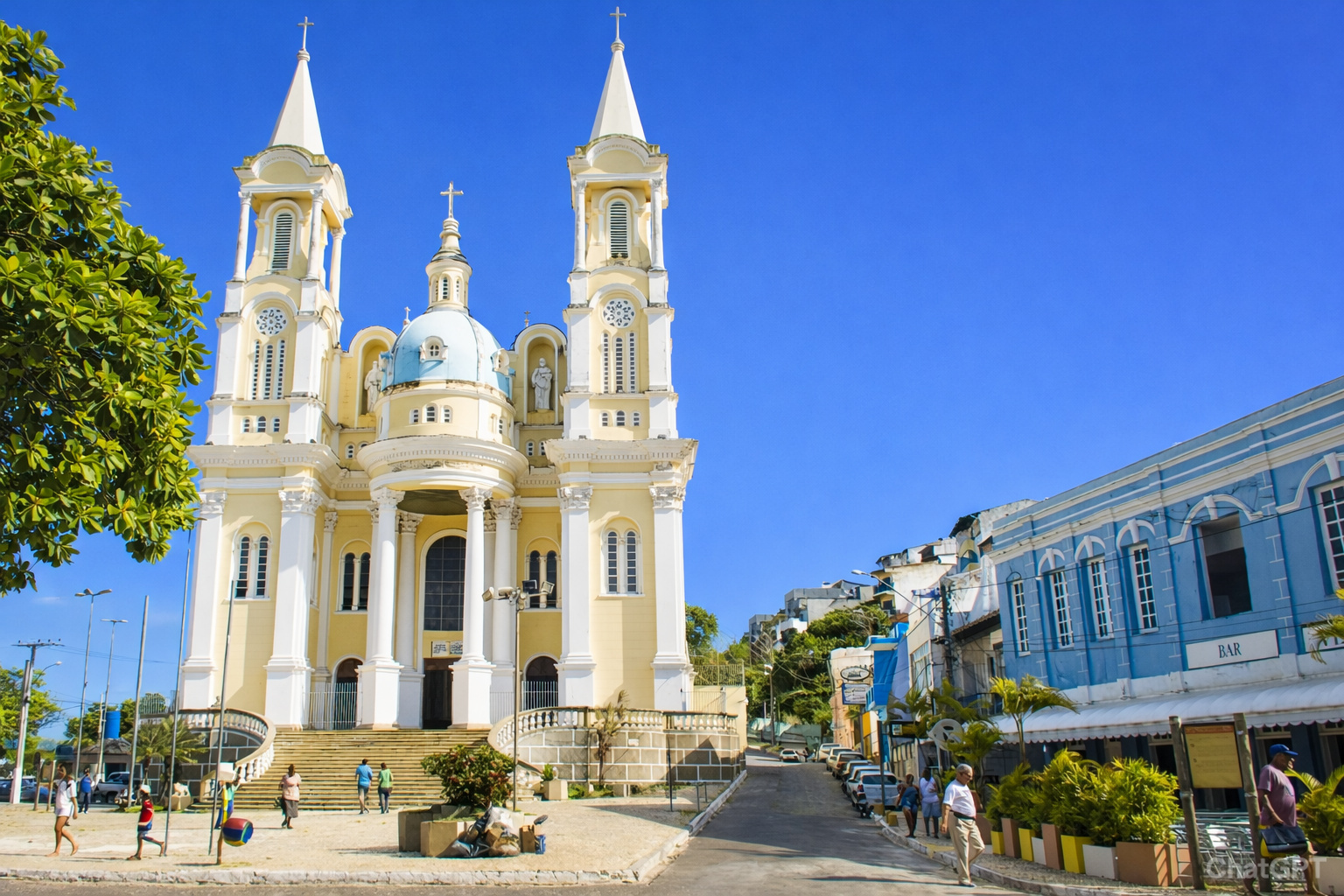
The Oldest City on the Southern Coast of Bahia Brings Together Nearly Five Centuries of History and International Fame through the Literature of Jorge Amado
The oldest city on the southern coast of Bahia carries 489 years of history and has gained worldwide recognition through the works of writer Jorge Amado. Founded in 1537, Ilhéus solidified its name in the Brazilian and international cultural scene, while also preserving historical and natural heritage that attracts thousands of visitors each year.
Located in southern Bahia, Ilhéus features colonial mansions, extensive beaches, and architectural landmarks dating back to the colonial period of Brazil. In addition, the city gained global prominence when Jorge Amado transformed its streets, characters, and settings into central elements of novels that have transcended generations.
In this context, the oldest city on the southern coast of Bahia is not only notable for its age. It also holds a strategic position in the economic and cultural formation of the state of Bahia, especially during the cocoa cycle, which spurred urban development and regional wealth.
-
Friends have been building a small “town” for 30 years to grow old together, with compact houses, a common area, nature surrounding it, and a collective life project designed for friendship, coexistence, and simplicity.

-
This small town in Germany created its own currency 24 years ago, today it circulates millions per year, is accepted in over 300 stores, and the German government allowed all of this to happen under one condition.

-
Curitiba is shrinking and is expected to lose 97,000 residents by 2050, while inland cities in Paraná such as Sarandi, Araucária, and Toledo are experiencing accelerated growth that is changing the entire state’s map.

-
Tourists were poisoned on Everest in a million-dollar fraud scheme involving helicopters that diverted over $19 million and shocked international authorities.


Historical Foundation and Strategic Importance in Colonial Brazil
The history of Ilhéus begins in the 16th century when the Portuguese Crown organized hereditary captaincies to occupy and administer Brazilian territory. The region was part of the Captaincy of São Jorge dos Ilhéus, one of the first administrative divisions in the country.
Therefore, the oldest city on the southern coast of Bahia played a significant role in territory occupation and in consolidating the Portuguese presence in the region. The municipality served as a strategic point for agricultural and commercial activities.
Furthermore, the geographical position favored the flow of products and maritime contact with other regions. Over the centuries, Ilhéus has experienced periods of economic growth and contraction but has maintained its historical relevance.
Meanwhile, ancient constructions have resisted the passage of time and now comprise the cultural heritage of the city. Churches, public buildings, and colonial mansions reinforce the local historical identity.
The Cocoa Cycle Transformed Economy and Architecture
In the late 19th and early 20th centuries, Ilhéus experienced one of the most significant phases of its history. The cocoa cycle transformed the city into one of the main economic hubs of Bahia.
Large landowners invested in urban infrastructure, commerce, and sophisticated architecture. As a result, palatial homes, theaters, and buildings emerged that still attract the attention of locals and tourists today.
Cacao cultivation generated significant wealth for the region. At the same time, it created an agrarian elite that influenced local politics and customs.
In this setting, the oldest city on the southern coast of Bahia solidified its image as a center of prosperity and culture. This social and economic environment served as direct inspiration for Jorge Amado’s works.
Jorge Amado Immortalized Ilhéus in World Literature
Writer Jorge Amado was born in 1912 and built a literary career marked by intense portrayals of Bahian society. In various novels, he used Ilhéus as a backdrop for narratives that explore social conflicts, passions, and economic transformations.
Works like “Gabriela, Clove and Cinnamon” projected the city internationally. The novel introduced the world to memorable characters and described the daily life during the heyday of cocoa.
Moreover, adaptations for television and film further expanded Ilhéus’ visibility. Tourists began visiting the city motivated by the curiosity to see literary settings brought to life on screen.
In this context, the oldest city on the southern coast of Bahia transcended national borders. It became a cultural symbol of Bahia and a reference for Brazilian literature abroad.
Historical and Cultural Tourism Boosts Local Economy
Today, Ilhéus utilizes its historical and literary heritage to boost tourism. The city attracts visitors interested in history, literature, and natural landscapes.
Among the most sought-after tourist attractions are the historic center, century-old churches, and old mansions from the cocoa period. Additionally, places connected to the memory of Jorge Amado welcome tourists throughout the year.
The city also offers beaches known for their natural beauty. Thus, it combines cultural tourism and leisure in a single destination.
In this setting, the oldest city on the southern coast of Bahia maintains a relevant role in the regional economy. The service sector, especially hospitality and gastronomy, is growing with the arrival of visitors.
Preserved Heritage Reinforces Cultural Identity
Ilhéus invests in the preservation of historical buildings and monuments dating back to the colonial period and the cocoa cycle. This conservation ensures that the local memory remains alive.
Moreover, cultural events reinforce the city’s connection to literature and local history. Festivals, fairs, and educational activities attract students and researchers.
At the same time, schools and universities use the local heritage as a learning tool. The city transforms into an open-air classroom.
Therefore, the oldest city on the southern coast of Bahia consolidates an identity that unites the past and present. The appreciation of culture strengthens the sense of belonging among the population.
Urban Development and Contemporary Challenges
Despite its historical importance, Ilhéus faces common challenges for medium-sized cities in Brazil. Urban growth, infrastructure, and job generation require continuous planning.
Additionally, the municipality seeks to diversify its economy to reduce dependence on seasonal tourism. Investments in commerce, services, and port activities expand opportunities.
The Port of Ilhéus plays a strategic role in the movement of goods, especially agricultural products. Thus, the city maintains a connection to its historical vocation tied to the flow of merchandise.
In this context, the oldest city on the southern coast of Bahia balances tradition and modernity. It preserves its cultural heritage while seeking sustainable growth.
National and International Recognition
Ilhéus frequently appears in tourist itineraries and publications that highlight historical destinations in Brazil. The combination of literature, architecture, and nature attracts different profiles of visitors.
Additionally, scholars of Jorge Amado’s work visit the city to better understand the settings described in his novels. This connection strengthens cultural exchange.
At the same time, audiovisual productions inspired by the writer’s work continue to spark interest in the municipality. Each new adaptation rekindles curiosity about the environments that inspired the narratives.
Thus, the oldest city on the southern coast of Bahia maintains a constant presence in the Brazilian collective imagination.
Why Does Ilhéus Remain Relevant Nearly Five Centuries Later?
The historical longevity of Ilhéus goes beyond its founding date. The city has built a trajectory marked by economic cycles, social transformations, and cultural influence.
Moreover, it has managed to turn its past into a strategic asset. The historical heritage and connection with Jorge Amado have created a unique identity in the national landscape.
Meanwhile, cultural and historical tourism strengthens the local economy. Visitors find experiences that combine literature, colonial architecture, and natural landscapes.
In this context, the oldest city on the southern coast of Bahia proves that tradition and development can go hand in hand. Ilhéus maintains its relevance in the present by valuing its past and exploring opportunities related to culture, tourism, and the regional economy.
With 489 years of history, the city continues to serve as a historical reference for Bahia and as a literary symbol immortalized by the words of Jorge Amado.











-

-

2 pessoas reagiram a isso.