





 English
  Francês
  Alemão
  Italiano
  Japonês
  Norueguês
  Portuguese
  Spanish
 3 min of reading


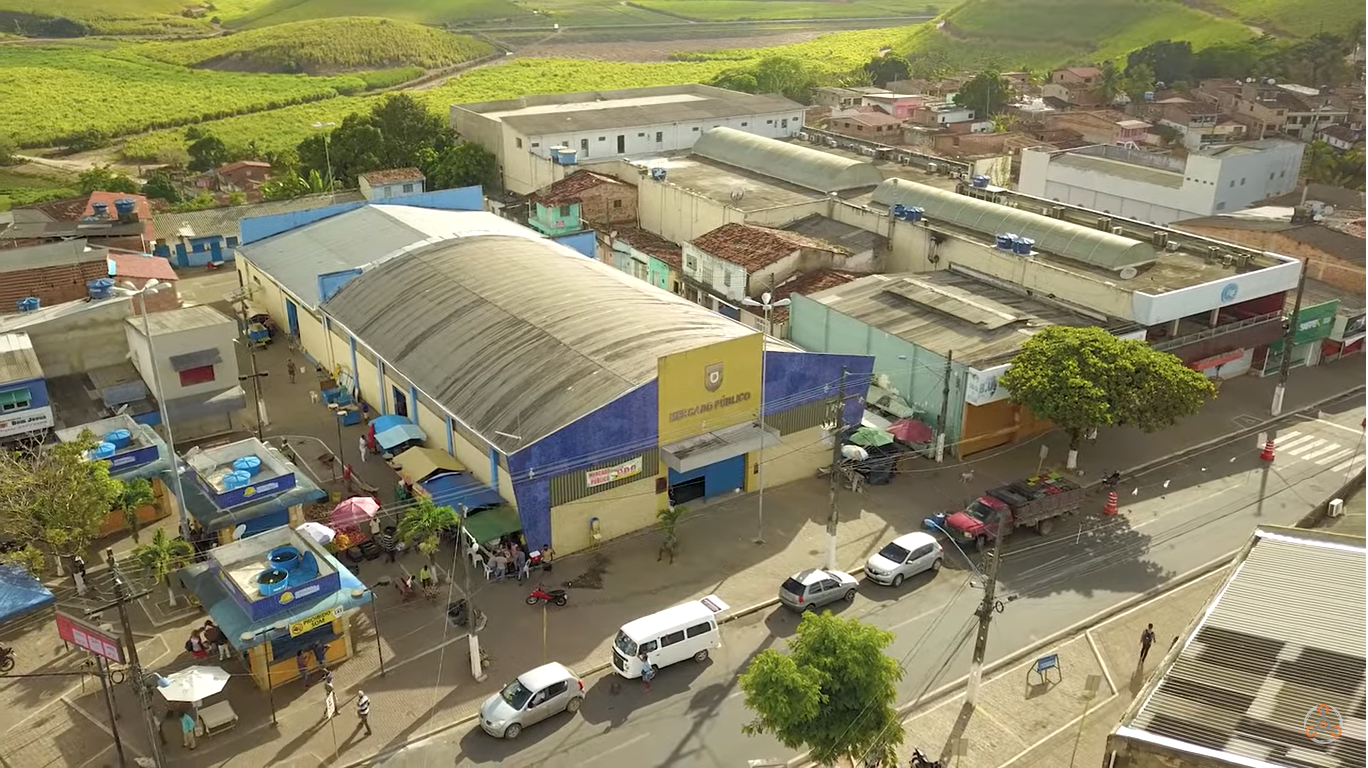
The Arrangement of Municipalities Surrounding the Suape Industrial Complex Is Important for Port Operational Development
In January 2012, the Federal Law 12.587 was established, addressing the National Urban Mobility Policy (PNMU). The regulation provides that the Union establish guidelines for urban development, including regarding transportation. In this sense, the Suape industrial complex, which houses the largest port terminal in the Northeast, in Pernambuco, has encouraged the development of a Human and Sustainable Mobility Plan for cities strategically important for the progress of port operations, which would consequently generate more jobs.
Suape requires these municipalities to improve traffic flow by restructuring collective transport modes and accessibility. Thus, the industrial complex can further develop, operate better, and create more job opportunities. In parallel, the cities also modernize.
Through a cooperation agreement, R$ 860 thousand was passed to the municipality of Cabo de Santo Agostinho, where the Port of Suape is located, and to Sirinhaém, a city known in the region not only for its enormous tourism potential, especially due to its beautiful coastline, but also for being connected to PE-60 road, one of the main routes for those entering or leaving the metropolitan area of Recife. The funding contributes to the development of the studies.
-
Chinese giant worth nearly R$ 4 billion that manufactures cables for electric cars, solar energy, and robotics wants to open a factory in SC.

-
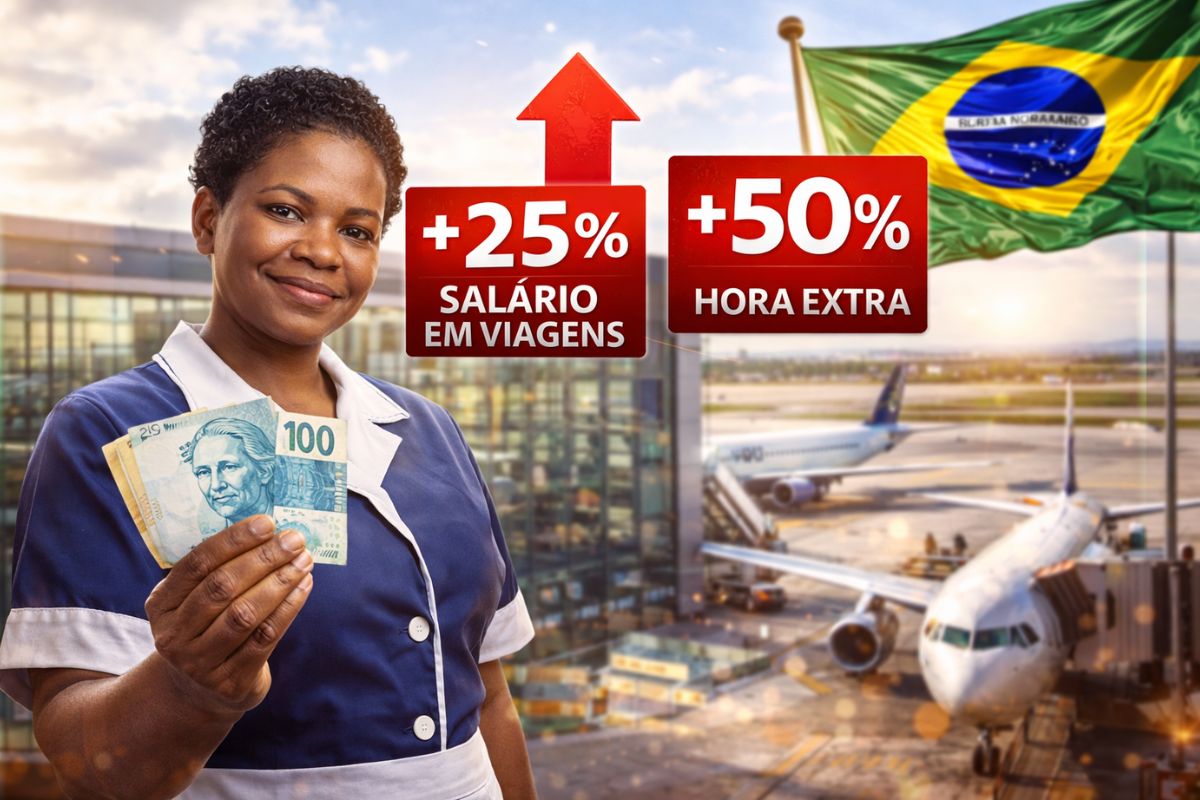
Many employers do not know, but the law guarantees domestic workers a 25% increase in salary during trips, 50% for overtime, 20% for night shifts, and 17 additional benefits that can lead to labor lawsuits if not paid.
-
Gasoline prices soar and the question arises: is ethanol more advantageous? The 70% rule reveals the limit with gasoline.

-
The government has made a decision and is starting a test with more ethanol in gasoline, anticipating a mixture of up to 35%, diesel with 25% biodiesel, and a study to assess the impacts on engines.


Sirinhaém has more than 46 thousand inhabitants. Cabo has over 208 thousand residents. These are cities in Brazil that have met the PNMU. According to the Urban Mobility Law, every city with more than 20 thousand inhabitants must present its improvement plan for the sector. In Brazil, there are 3,342 cities with this profile, but only 834 have reported having submitted one.
Sustainable Mobility Plan
On Monday (13), the City Hall of Sirinhaém presented to the community, through a Public Hearing, what has been developed for the improvement of its urban mobility. The Sustainable and Human Mobility Plan developed with Suape’s encouragement proposes modern concepts of integration between transport and pedestrians. Check out the main projects:
- Paved streets and avenues
- Construction of exclusive lanes for bicycles (bike lanes and cycle paths);
- Urban Mobility Council for community participation regarding sector actions;
- Creation of rotating and democratic parking lots;
- Public vehicles for transporting persons with disabilities;
- Legalization of municipal public transport;
- Creation of Route 30 for reducing vehicle speed in certain sections with high pedestrian concentration;
- Complete intersections, including elevated pedestrian crossings to reduce vehicle speed, aiming for the inclusion of all modes and their safe circulation;
- Bus stops covered with green roofs, with identification of collective transport lines.
“When we were granted the Suape Port to have the mobility plan, we knew that we would be contributing to the future, to generations, and to the city’s planned progress. We are very happy to be able to participate in this cooperation agreement that will bring more opportunities to our city. We are contributing even more to the development of Pernambuco. Besides tourism, Sirinhaém has much to offer, and we at the City Hall are willing to do whatever it takes to make this a better place to live.
Camila Machado – Mayor of Sirinhaém
Cabo de Santo Agostinho has also been holding meetings to discuss strategies for sustainable human mobility. The studies are being carried out in an integrated manner between the municipal Planning and Environmental departments.








Seja o primeiro a reagir!