





 Portuguese
  English
  Spanish
 3 min of reading
  0 comments


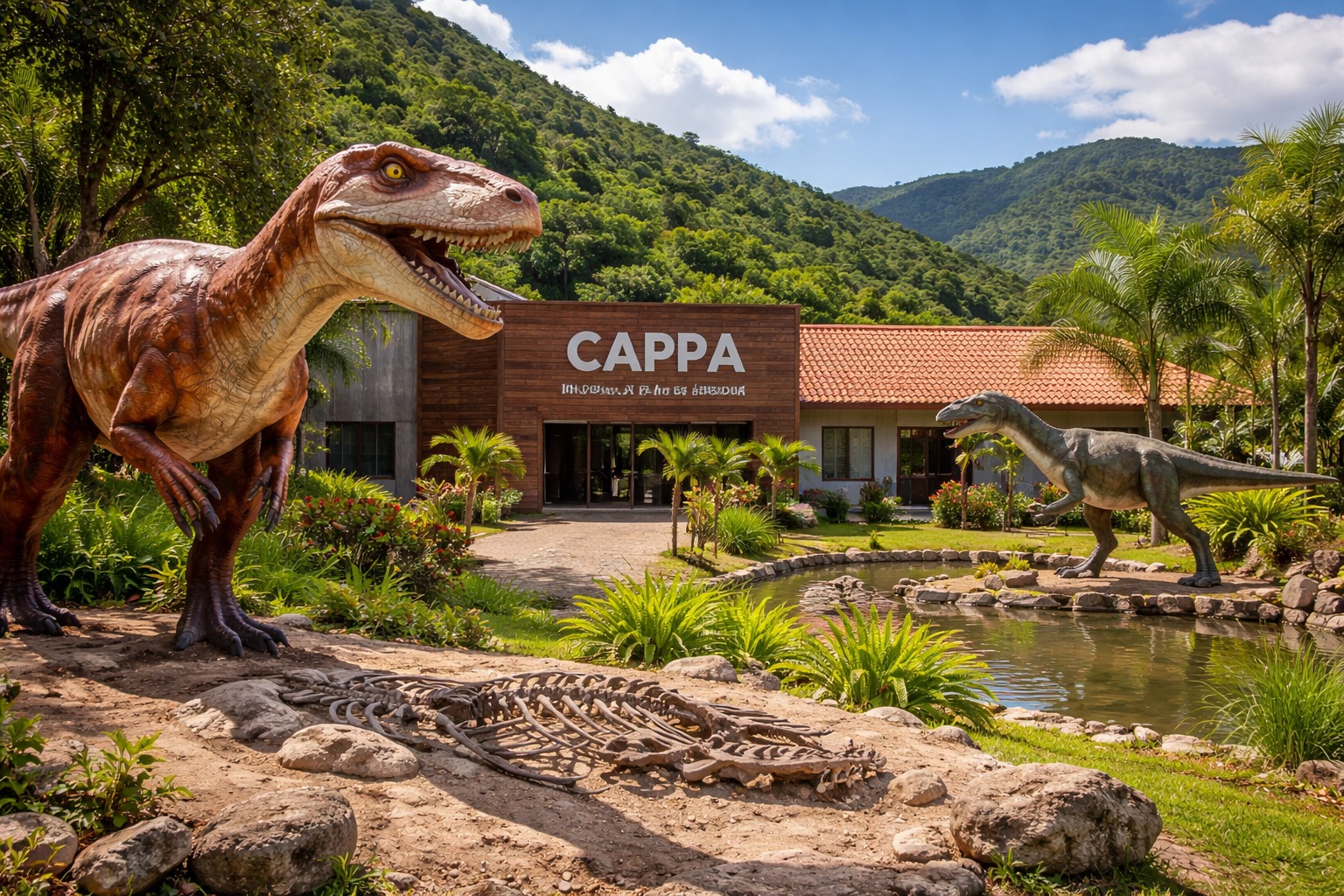
Cappa Exhibits Fossils 233 Million Years Old Found in Quarta Colônia and Consolidates Brazilian Dinosaurs as the Oldest in the World at the UNESCO-Recognized Geopark
The Cappa, Center for Support of Paleontological Research of Quarta Colônia, in São João do Polêsine, gathers fossils 233 million years old and reinforces the relevance of Brazilian dinosaurs as the oldest ever identified, boosting scientific tourism in Rio Grande do Sul.
Dinosaurs from Brazil Place Quarta Colônia at the Center of Global Research
Located in a municipality with about 2,700 inhabitants in the central region of Rio Grande do Sul, Cappa is part of the Federal University of Santa Maria.
The space features original fossils and simulated images of species found in the region itself and in neighboring towns.
-
Motorola launched the Signature with a gold seal from DxOMark, tying with the iPhone 17 Pro in camera performance, Snapdragon 8 Gen 5 that surpassed 3 million in benchmarks, and a zoom that impresses even at night.

-
Satellites reveal beneath the Sahara a giant river buried for thousands of kilometers: study shows that the largest hot desert on the planet was once traversed by a river system comparable to the largest on Earth.

-
Scientists have captured something never seen in space: newly born stars are creating gigantic rings of light a thousand times larger than the distance between the Earth and the Sun, and this changes everything we knew about stellar birth.

-
Geologists find traces of a continent that disappeared 155 million years ago after separating from Australia and reveal that it did not sink, but broke into fragments scattered across Southeast Asia.
Among the displayed specimens are bones and reconstructions of Buriolestes schultzi and Gnathovorax cabreirai, both discovered in São João do Polêsine.
The collection also includes Macrocollum itaquii, located in the municipality of Agudo, also part of Quarta Colônia.
Researchers from UFSM and a university in England analyzed the materials. The findings belong to the Triassic period and are considered the oldest in the world ever discovered, consolidating the region as the global cradle of dinosaurs.
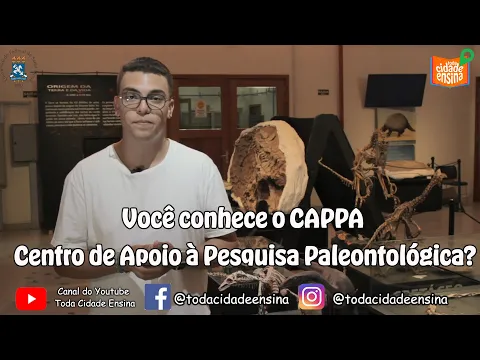

Identified Species and Characteristics of the Fossils
Buriolestes schultzi was about one and a half meters long and was carnivorous. Tests indicated it lived 233 million years ago.
The scientific name refers to the Buriol family, owners of the land where the fossil was found.
Gnathovorax cabreirai also lived about 233 million years ago. Carnivorous, it measured about two and a half meters in length.
It was found on lands owned by the Marchezan family and discovered by paleontologist Sérgio Furtado Cabreira.
Macrocollum itaquii, on the other hand, was herbivorous, about four meters long. Discovered in Agudo, the fossil has all body parts preserved at Cappa, as highlighted by researcher Jhonata Martins, a biologist and PhD candidate in paleontology at UFSM.
New Fossil Found After the 2024 Flood
In 2024, after the major flood in May that affected the region, researchers located fossils of another dinosaur in São João do Polêsine.
According to paleontologist Rodrigo Temp Müller from UFSM, it is an animal from the Herrerasauridae group.
This group consists of carnivores that lived about 230 million years ago. The fossils remain at Cappa for analysis.
The finding reinforces the scientific relevance of Brazilian dinosaurs in understanding the origins of these species.
In addition to dinosaurs, the center houses fossils of cynodonts, dicynodonts, and rhinosaurs. One highlight is Exaeretodon riograndensis, which is 233 million years old.
This is a giant animal, reaching up to 14 meters in length, linked to a lineage of crocodiles predating the dinosaurs.
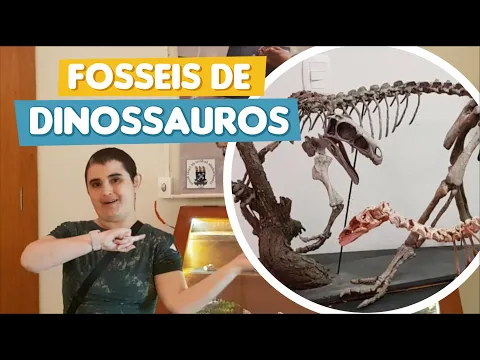
Scientific Tourism Boosts the Region
Cappa has established itself as one of the main tourist attractions in Rio Grande do Sul. The center operates daily from 9 AM to 11:30 AM and 1:30 PM to 5 PM, including weekends and holidays, welcoming visitors from Brazil and abroad.
Cities in the region are also investing in replicas to attract tourists. In São João do Polêsine, the square next to the church features sculptures of Buriolestes schultzi and Gnathovorax cabreirai, in addition to another regional species.
In Faxinal do Soturno, the Ângelo Bozzetto Foundation has implemented the Dinosaur Park, featuring five large sculptures of species found in municipalities of the Quarta Colônia Geopark.
Recognized as a global geopark by UNESCO, the territory comprises nine municipalities in central Rio Grande do Sul.
Paleontological references, especially Brazilian dinosaurs, are identified as the main international attractions of the area, which also includes immigrant culture, typical cuisine, religious tourism, and hot springs.
With information from NSC Total.







-

-

-

-

-

-

296 pessoas reagiram a isso.