





 English
  Francês
  Alemão
  Italiano
  Japonês
  Norueguês
  Portuguese
  Spanish
 5 min of reading
  0 comments


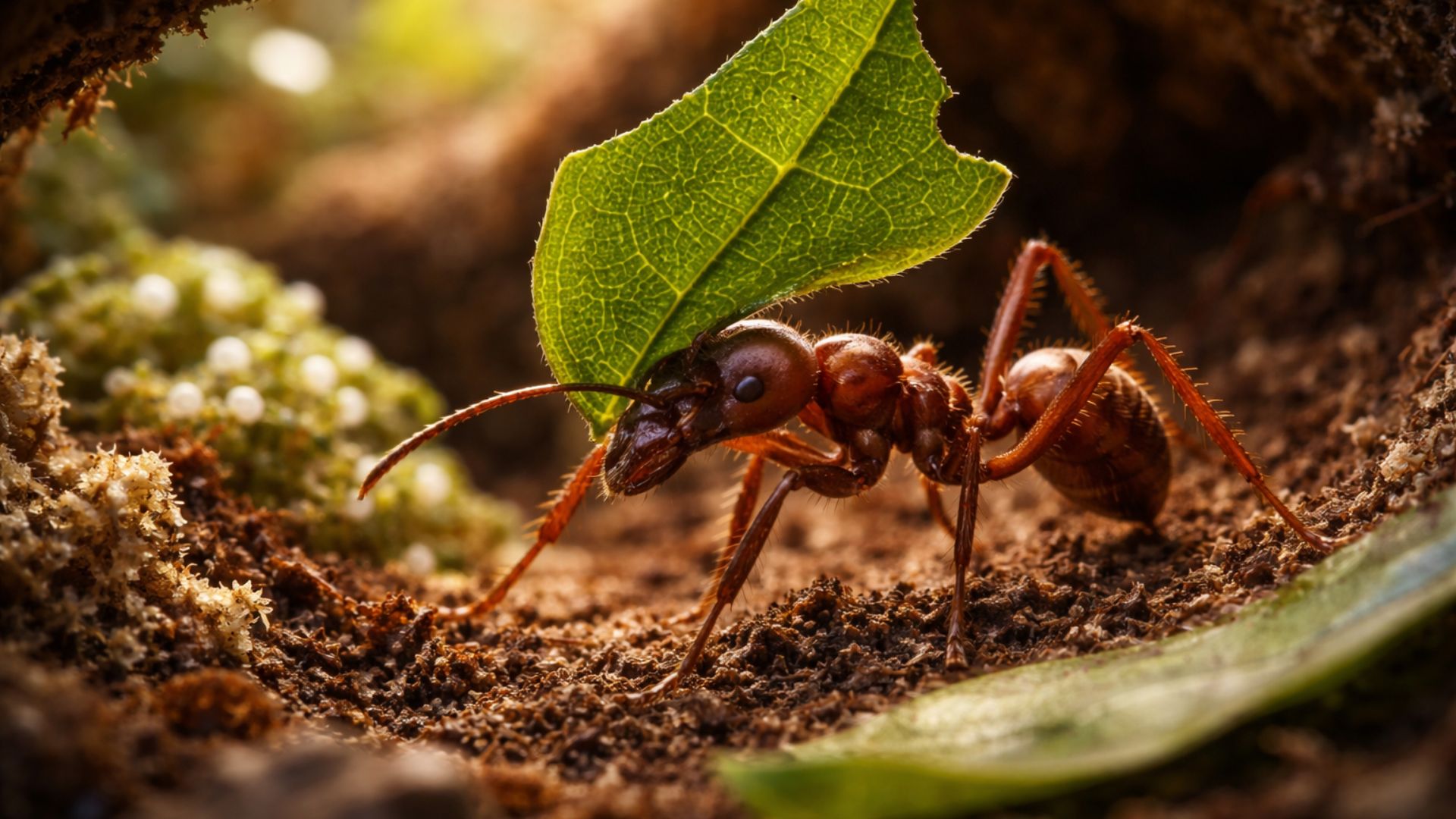
Scientists From Unesp and USP Identify Microorganisms in Ant Nest Waste With Biotechnological Potential to Inspire New Pathways for Biofuels and Reuse of Organic Waste
Brazilian scientists have identified that organic waste produced by leaf-cutting ant colonies harbors microorganisms with the potential to transform the production of sustainable biofuels and expand alternative sources of clean energy.
According to a report published by Canal Rural this Sunday (25), the discovery was made by researchers from Unesp and USP, supported by FAPESP, based on a detailed analysis of the internal ecosystem of ant nests, especially the so-called ant nest waste, where specialized bacteria act on the degradation of complex plant fibers.
Scientists From Unesp and USP Analyze the Invisible Ecosystem of Ant Nests
The study, funded by the São Paulo Research Foundation (Fapesp) and published in a scientific journal, shows that changes in the ants’ diet profoundly alter the balance between fungi and bacteria within the colonies.
-
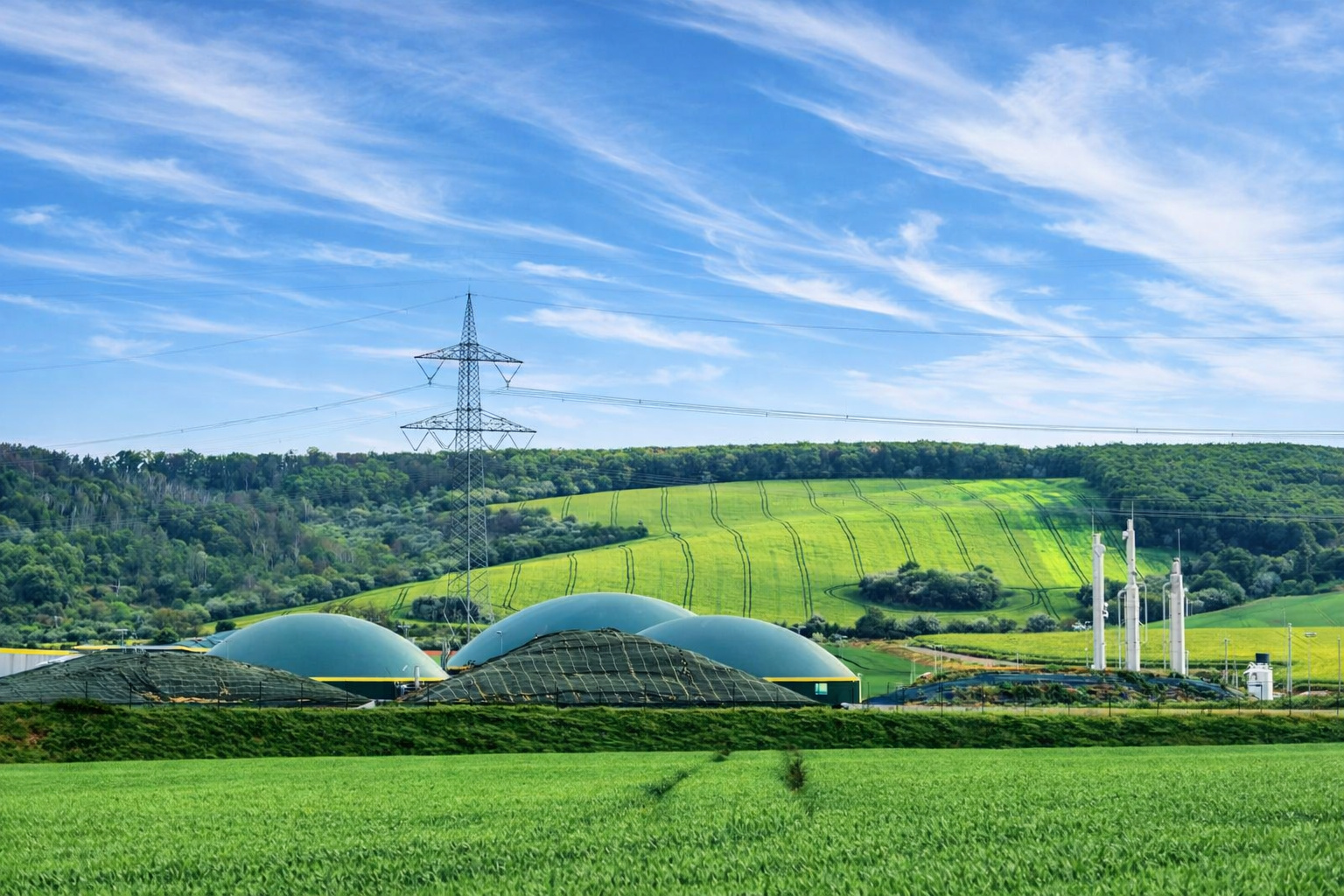
Brazil accelerates decarbonization in the South: International forum in Foz do Iguaçu gathers leaders to discuss the advancement of biomethane in the energy matrix and the potential of “caipira pre-salt.”
-
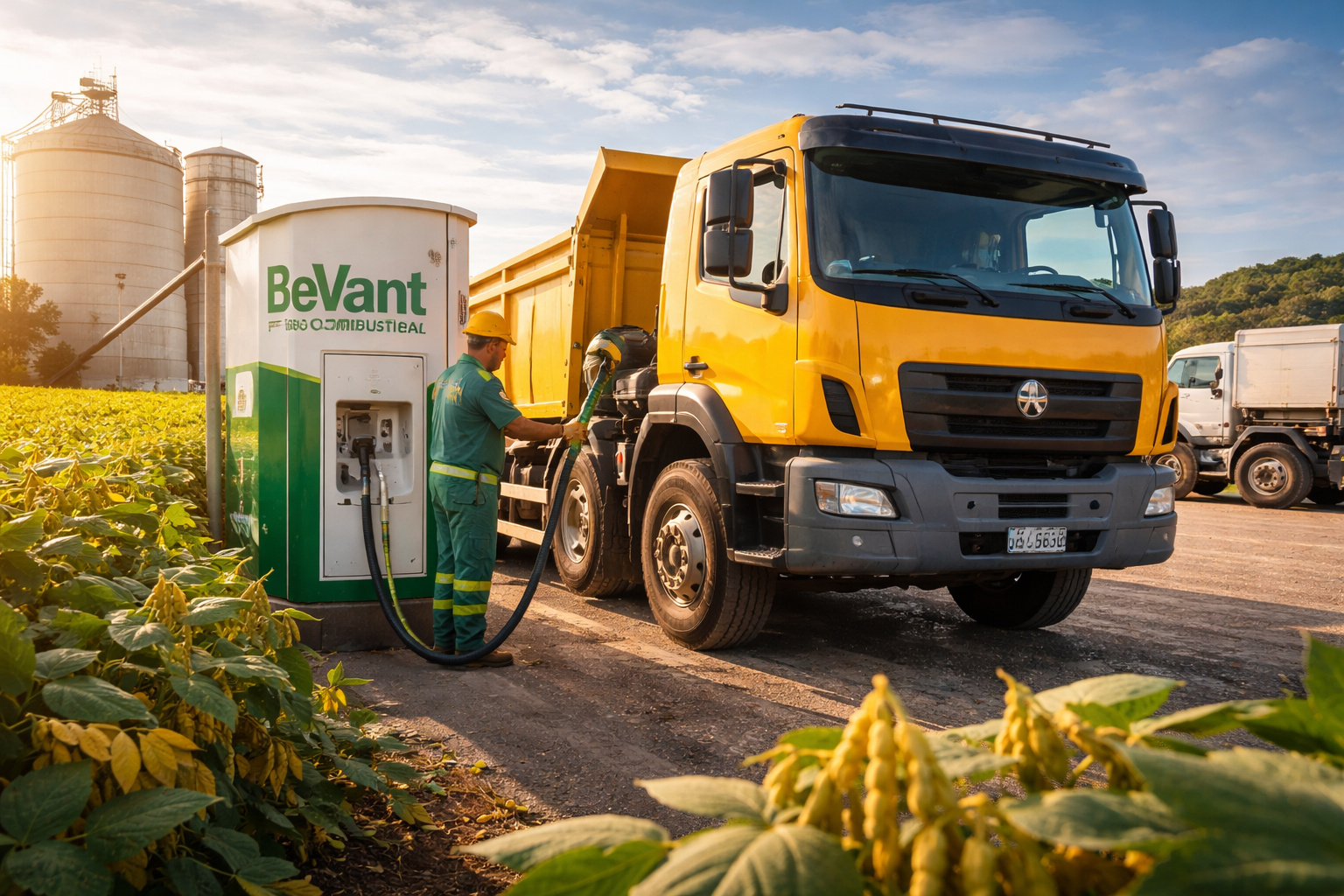
As diesel prices soar due to conflicts in the Middle East, a Brazilian city decides to test a little-known biofuel that promises to completely replace fossil fuel without adaptation and could change the future of energy in the country.
-
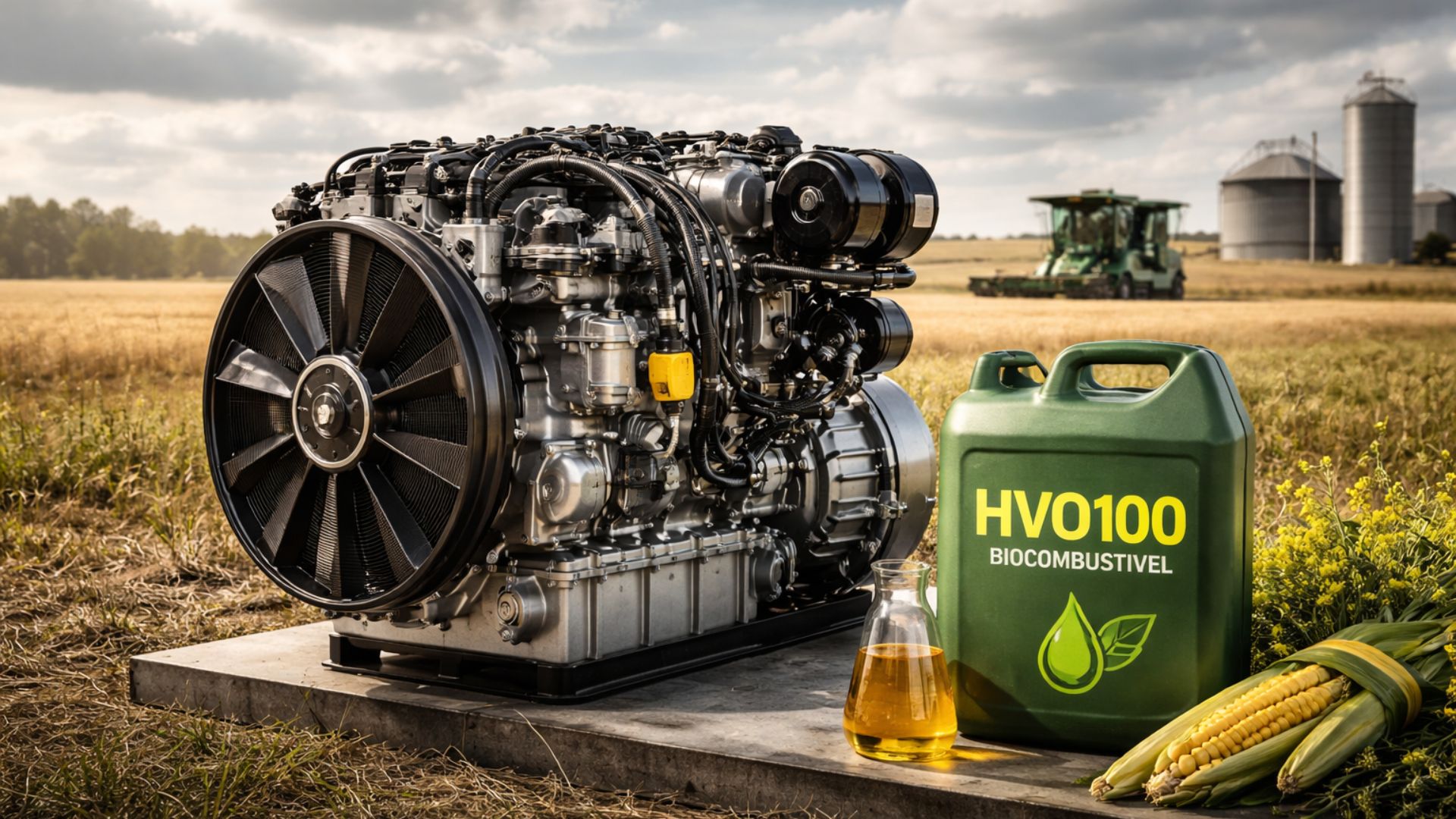
Innovation with biofuel engines transforms agribusiness by replacing diesel without the need for major adaptations, ensuring energy efficiency and helping to reduce dependence on oil.
-
Used Cooking Oil Transforms Into Kerosene: How 1 Million Tons of Used Fat Are at the Center of an Aviation Fuel Market That Could Attract Over $1 Trillion in Investments, Already Fuels Planes with Up to 80% Lower Emissions, and Triggered a Global Competition for This Waste

These results reinforce the importance of natural systems as a source of innovation for sustainable biofuels, without the need to expand agricultural areas or pressure sensitive ecosystems.
An ant-cutting colony goes far beyond what is observed on the surface. According to the Scientists from Unesp and USP, the interior of ant nests functions as a highly organized ecosystem, in which fungi, bacteria, and insects maintain mutual dependency relationships.
The ants cultivate a specific fungus for their food, using freshly cut leaves as raw material. This fungus, in turn, harbors bacterial communities that actively participate in the decomposition of plant material. Understanding these interactions is essential to identify efficient natural processes that can be adapted for clean energy production, the researchers explain.
How Diet Alters Fungi, Bacteria, and the System Balance
To understand how diet influences this internal environment, the Scientists monitored 28 colonies of lemon ants (Atta sexdens) kept in the laboratory for nearly two months. The colonies were divided into four groups, each subjected to a distinct type of diet.
One group received only leaves, reproducing the natural diet. Others received fruits and cereals, such as banana, papaya, apple, oats, and rice, while a third group had a varied diet. The last group alternated diets throughout the experiment.
The results were clear. In the colonies fed exclusively with fruits and cereals, the fungus stopped growing and ceased food production, indicating that the system is adapted to digest more complex plant fibers, primarily found in leaves.
According to researcher Mariana de Oliveira Barcoto from USP, the microbiota of the ant nest responds rapidly to dietary changes, similar to the human gut. When the original diet is resumed, the ecosystem can reorganize, demonstrating biological resilience.
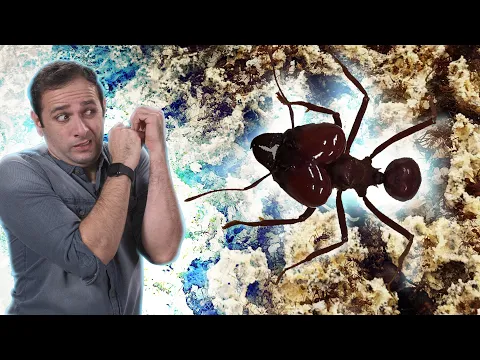

Unesp and USP Map the Layered Organization of the Ant Nest
Another advancement in the study was the detailing of the physical organization of the ant nest. The Scientists from Unesp and USP identified a layered structure directly related to the stage of degradation of the plant material.
At the top are the freshly collected leaves, with low microbial presence. As the material is processed by the fungus, the diversity and activity of bacteria increase. This transition creates nutrient- and enzyme-rich regions, essential for biomass digestion.
At the bottom of the fungus garden remain the less utilized residues, which are removed by the ants and taken to a separate area: the ant nest waste. Even discarded, this material remains biologically active.
Ant Nest Waste and the Potential for Sustainable Biofuels
According to the Scientists, the ant nest waste concentrates bacteria capable of producing enzymes that degrade lignocellulose — one of the main technological bottlenecks in the production of sustainable biofuels.
Lignocellulose is present in agricultural residues, forest waste, and by-products from the agro-industrial industry. Transforming this material into energy efficiently is one of the biggest challenges of the transition to clean energy, as it requires processes that do not increase costs or environmental impacts.
The microorganisms found in ant nest waste operate under natural conditions, with high efficiency, making them promising for future biotechnological applications.

Scientists Highlight Connections Between Biodiversity and Clean Energy
The work developed by Unesp and USP reinforces the role of biodiversity as a strategic source of scientific innovation. Scientists point out that microorganisms adapted to complex ecosystems offer solutions that took millions of years to be perfected by evolution.
In addition to sustainable biofuels, the enzymes produced by these bacteria can be applied in bioremediation processes, reuse of organic waste, and reduction of the industrial carbon footprint. The researchers emphasize that clean energy increasingly relies on nature-based solutions.
New Research Perspectives at Unesp and USP
The Scientists involved in the study state that the next steps include assessing how environmental factors such as temperature, humidity, and climatic variations affect the functioning of the ant nest ecosystem.
These analyses may help predict broader environmental impacts and guide the development of more resilient technologies. The authors state that understanding how small changes alter complex natural systems is essential for planning the future of clean energy.
When Natural Waste Becomes Strategic Assets for the Energy Transition
The study conducted by Scientists from Unesp and USP demonstrates that even residues considered irrelevant, such as ant nest waste, can become strategic assets for science and industry.
By valuing highly efficient natural processes, the research can pave the way for the advancement of sustainable biofuels and clean energy, without increasing environmental or social pressures. The work also reinforces the role of Brazilian science in seeking innovative solutions to global energy challenges.
Transforming organic waste into applied knowledge is an essential step toward a more sustainable, efficient, and environmentally aligned future for the 21st century.








-

-

-

4 pessoas reagiram a isso.