





 English
  Francês
  Alemão
  Italiano
  Japonês
  Norueguês
  Portuguese
  Spanish
  3 min of reading
  0 comments


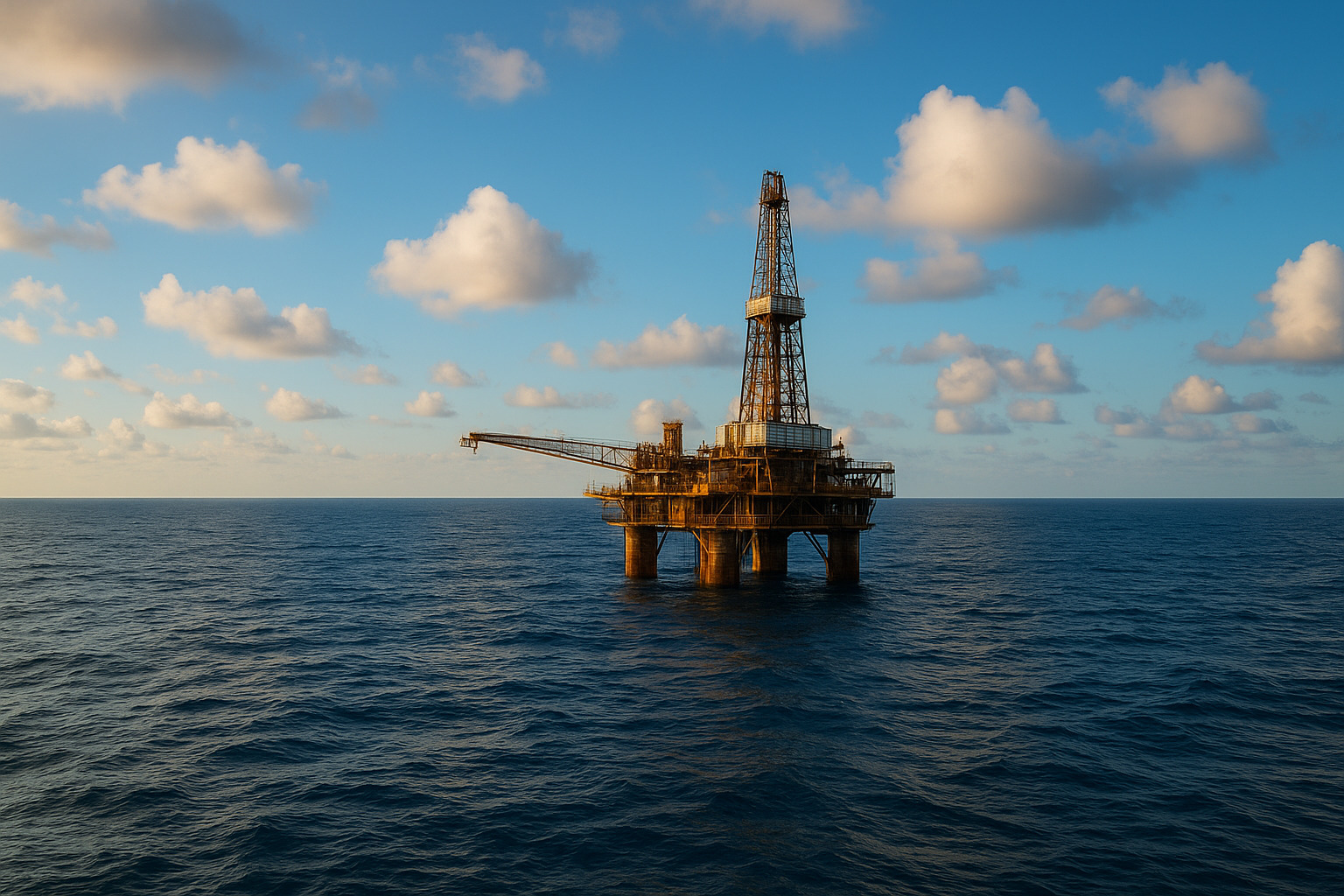
Scientists Identify A Huge Freshwater Aquifer Beneath The Atlantic Ocean That Could Supply Millions, But Face Challenges.
International scientists announced the discovery of an extensive freshwater aquifer hidden beneath the Atlantic Ocean, between the states of New Jersey and Maine in the United States.
The finding, revealed this week, opens new perspectives for addressing global water scarcity but also raises concerns about environmental impacts.
The study shows that the underground system could theoretically supply a city the size of New York for up to 800 years.
-
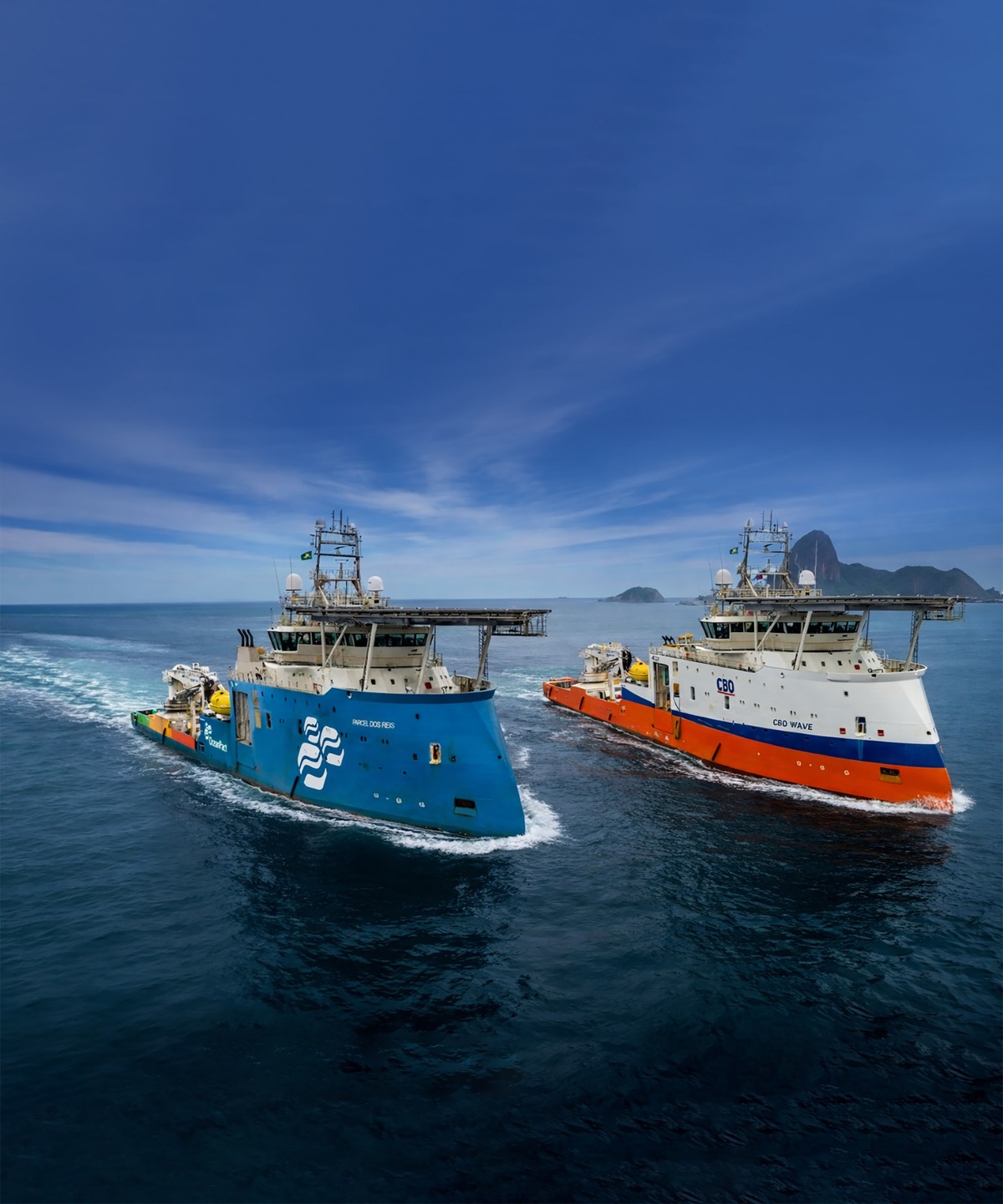
OceanPact Announces Acquisition of CBO and Creates One of Brazil’s Largest Maritime Support Structures with 73 Vessels, Annual Revenue Above R$ 4 Billion and R$ 14 Billion Backlog
-
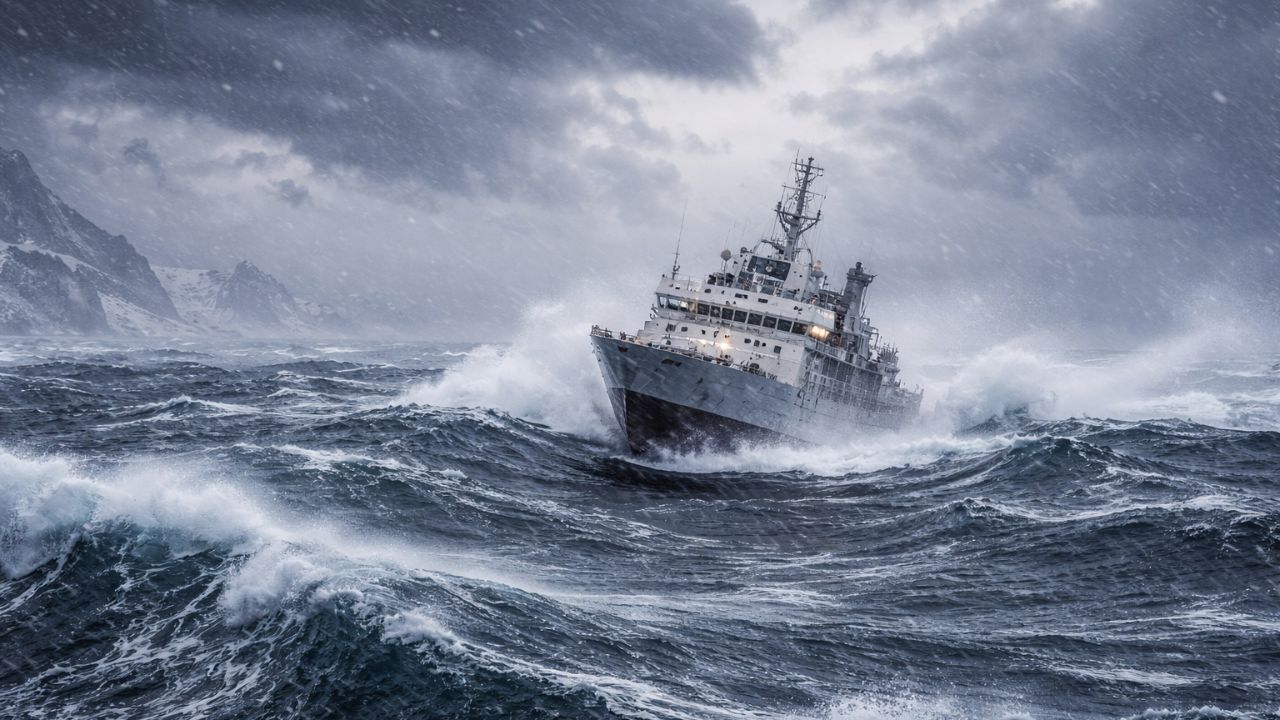
With Extreme Winds, Giant Waves, and Unrestricted Currents, Drake Passage Is Considered the Most Violent Stretch of the Oceans
-
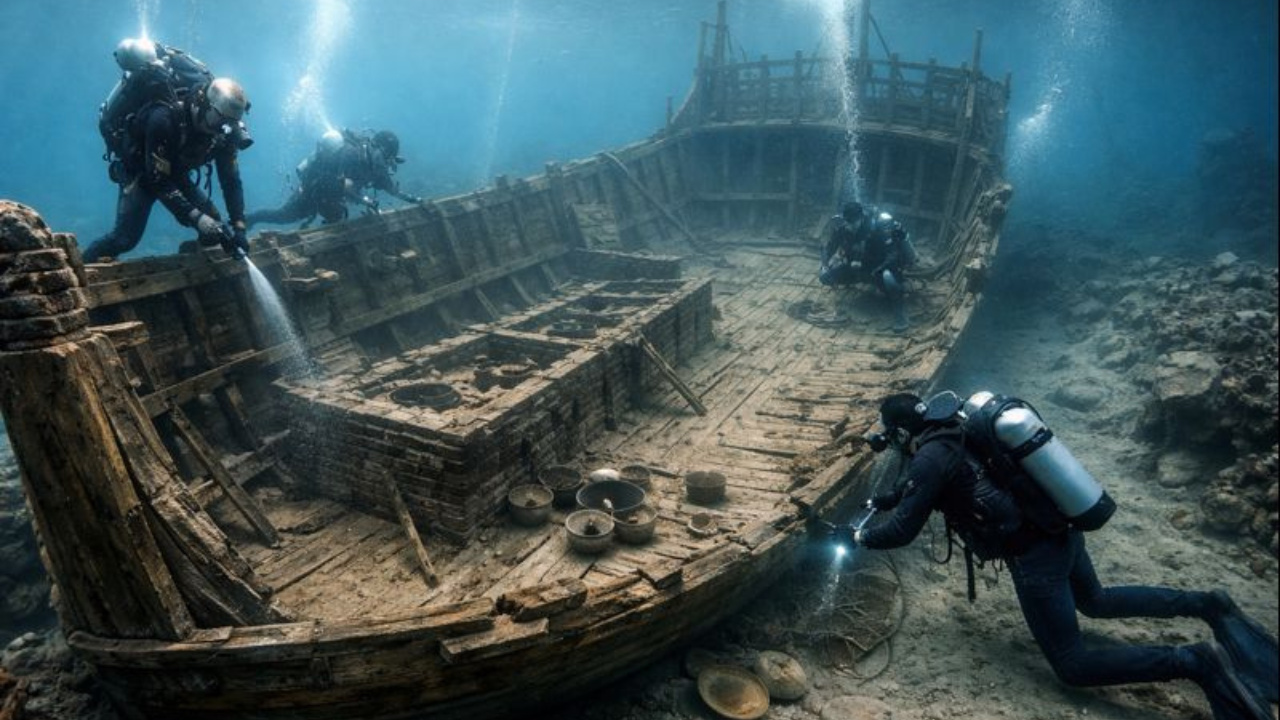
15th Century Merchant Ship Surprises Archaeologists
-
Odfjell Inaugurates First Operational Green Corridor Between Brazil and Europe Using Sustainable B24 on Maritime Routes and Reinforces Decarbonization Strategy

However, experts warn that the extraction of this resource is still far from reality due to technical, legal, and environmental barriers.
Scientific Expedition Confirms Finding From Decades Ago
The discovery was made by Expedition 501, supported by the National Science Foundation and the European Consortium for Ocean Research Drilling.
The scientists drilled sediments up to 400 meters deep and collected about 50,000 liters of freshwater for analysis in laboratories around the world.
This result confirms suspicions raised nearly 50 years ago when a U.S. government ship, in search of minerals, drilled the seafloor and unexpectedly found drinkable water amidst the salty environment.
Previous Studies Reinforced The Hypothesis
Before this expedition, research conducted in 2015 by the Woods Hole Oceanographic Institution and the Lamont-Doherty Earth Observatory had already mapped signs of a large submarine aquifer.
To do this, electromagnetic technology was used, capable of differentiating salty water from freshwater.
The preliminary analyses already indicated that the reserve was enormous and could be exploited in situations of water emergency.
Freshwater Hidden In The Ocean: Where Does It Come From?
One of the main questions among scientists now is about the origin of this aquifer.
The samples will be studied to understand if the water comes from ancient glaciers, if it is connected to terrestrial underground systems, or if it results from a combination of factors.
As researcher Dugan explained, “If it is young, it means it is being replenished”. This detail is crucial as it will determine whether the resource is renewable or a finite reservoir formed thousands of years ago.
Potential And Environmental Risks
Although the prospect of a massive freshwater reservoir beneath the sea is promising, the risks cannot be ignored.
Geophysicist Rob Evans from Woods Hole warned: “There would almost certainly be unforeseen consequences” if large-scale exploration were undertaken.
This is because the groundwater that naturally escapes into the ocean floor provides essential nutrients for marine ecosystems. Altering this balance could jeopardize sensitive species and habitats.
Technical And Legal Issues Still Unanswered
Apart from environmental barriers, water extraction faces technological obstacles. Current underwater drilling techniques still do not allow for large-scale exploration.
Another delicate point involves international jurisdiction: as the aquifer extends across maritime areas under U.S. sovereignty and international waters, there is no clarity on who would have the right to use the resource.
A Promising Future, But Full Of Uncertainties
The discovery of the freshwater aquifer beneath the ocean is a scientific milestone that expands the possibilities of addressing water crises.
However, scientists emphasize that the priority now is to deepen studies, understand the dynamics of this system, and carefully assess its impacts.
If it is proven that the aquifer is renewable, it could become a strategic resource for future generations. But until then, exploration remains a significant technical, environmental, and diplomatic challenge.









-

Uma pessoa reagiu a isso.