





 Portuguese
  English
  Spanish
  3 min of reading
  0 comments


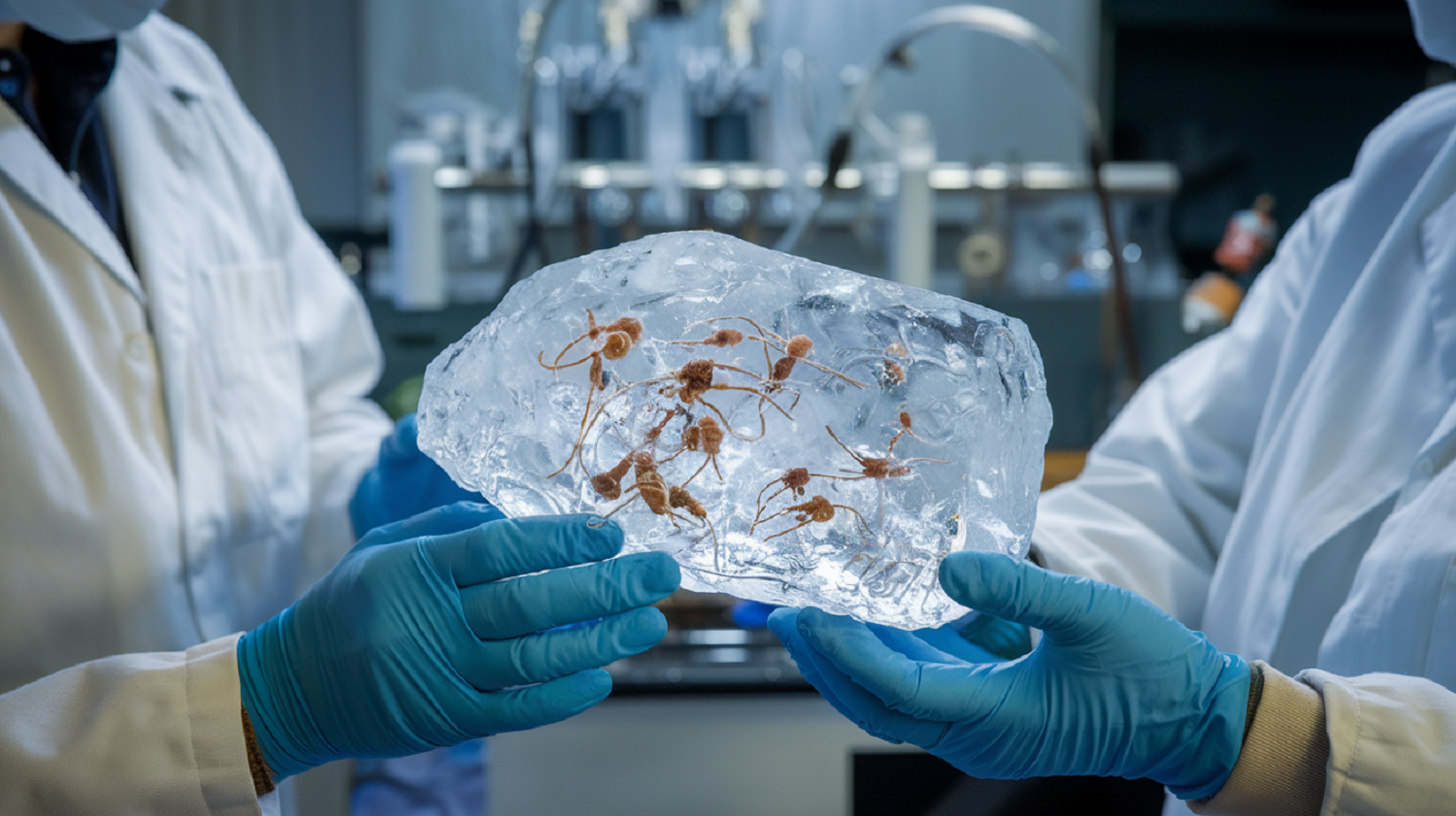
Scientists Revive Microscopic Organisms After 24,000 Years Frozen in Siberian Permafrost, Revealing Secrets of the Last Ice Age and Opening New Perspectives for Bioscience and Astrobiology.
A group of scientists managed to reanimate microscopic creatures that had been frozen for 24,000 years in the Siberian permafrost. The study, published by Daily Galaxy, reveals that these creatures, known as bdelloid rotifers, entered a state of cryptobiosis, completely halting their biological functions until environmental conditions became favorable again.
Microscopic Creatures Are Thawed After 24 Thousand Years and Resume Biological Activities
After thawing, the bdelloid rotifers not only regained their normal functions but also began their asexual reproduction. This ability suggests that these organisms developed highly sophisticated mechanisms to cope with extreme and prolonged freezing.
ARTICLE CONTINUES BELOWSee also
China accelerates global science and may surpass the United States in 2 years with increased public investment, continuous growth, and direct impact on the global technological competition.

Scientific studies indicate that drought may be strengthening a much greater silent threat: more resistant superbugs.

Man builds functional 5-meter submarine in his garage using gas cylinders, PVC pipes, and a refrigerator motor, and navigates with the vessel on a lake in Colombia.

Millions of people have been eating yam for centuries without knowing that this humble tuber contains a compound called diosgenin, which scientists have now discovered can improve memory and help control blood sugar levels.

These organisms are part of a group of microscopic creatures known for their remarkable resistance to extreme conditions. In addition to enduring sub-zero temperatures for millennia, these microorganisms demonstrate the capacity to survive radiation, dehydration, and even the vacuum of space.

Scientists believe that this resilience is linked to the process of cryptobiosis, a biological phenomenon that allows for the complete suspension of metabolic activities. The survival capability of rotifers is also attributed to the production of special proteins called chaperone proteins, which protect cells against structural damage.
How Scientists Discovered the Microscopic Creatures
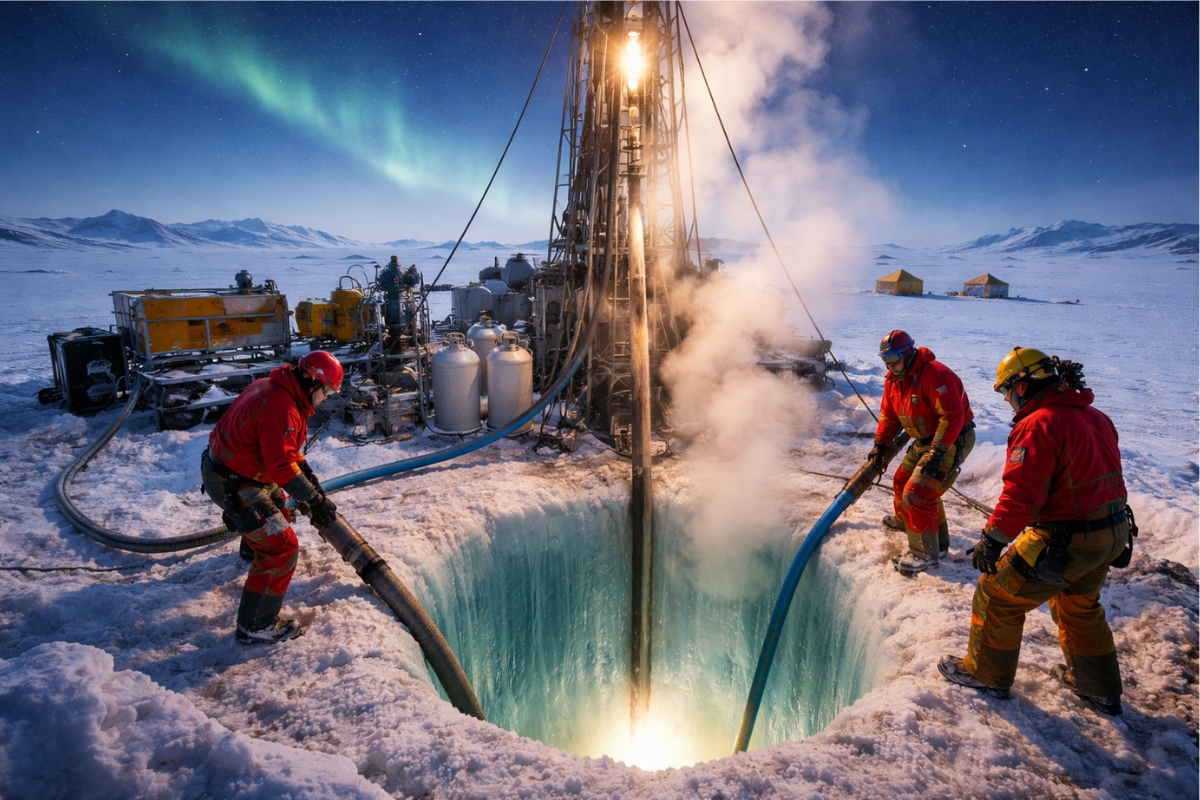
In the study, researchers collected permafrost samples from a depth of approximately 3.6 meters below the surface of Siberia. Through carbon dating techniques, it was confirmed that the soil and the organisms contained within it had been frozen for at least 24,000 years, a period that dates back to the last Ice Age.
Upon thawing the bdelloid rotifers in a controlled environment, scientists observed that the creatures came back to life rapidly and began reproducing immediately, as if no time had passed. This discovery raises questions about the limits of life and the possibilities of preserving organisms for extremely long periods.
The Risk of Ancient Organisms Being Reactivated
The discovery of these microscopic creatures’ survival also raises concerns about the reactivation of potentially dangerous organisms. In 2016, a reindeer carcass that had been frozen for 90 years released anthrax spores upon thawing, causing an outbreak of the disease in Siberia.
This incident raised alarms among scientists, who believe that other pathogens may be preserved in the permafrost. Some of these microorganisms could be thousands or even millions of years old and still viable, representing potential risks to human health and the environment if released.
The Future of Cryobiology and the Applications of Cryptobiosis
Although research on cryptobiosis and freezing resistance is still in its early stages, scientists are optimistic about the potential of these discoveries. If microscopic creatures can be thawed after 24,000 years and manage to resume their activities, this phenomenon could open doors to various scientific applications.
One of the main questions raised by this discovery is whether this capability can be applied to more complex organisms, including humans. The possibility of placing people in a safe hibernation state could revolutionize medicine, allowing for innovative treatments or even paving the way for long-duration space travel.
The study of these thawed creatures by scientists may also provide valuable insights into how to preserve cells, tissues, and even human organs for transplants, increasing the longevity and efficiency of medical procedures.
Source: The Daily Galaxy







-

-

4 pessoas reagiram a isso.