





 Portuguese
  English
  Spanish
  3 min of reading
  0 comments


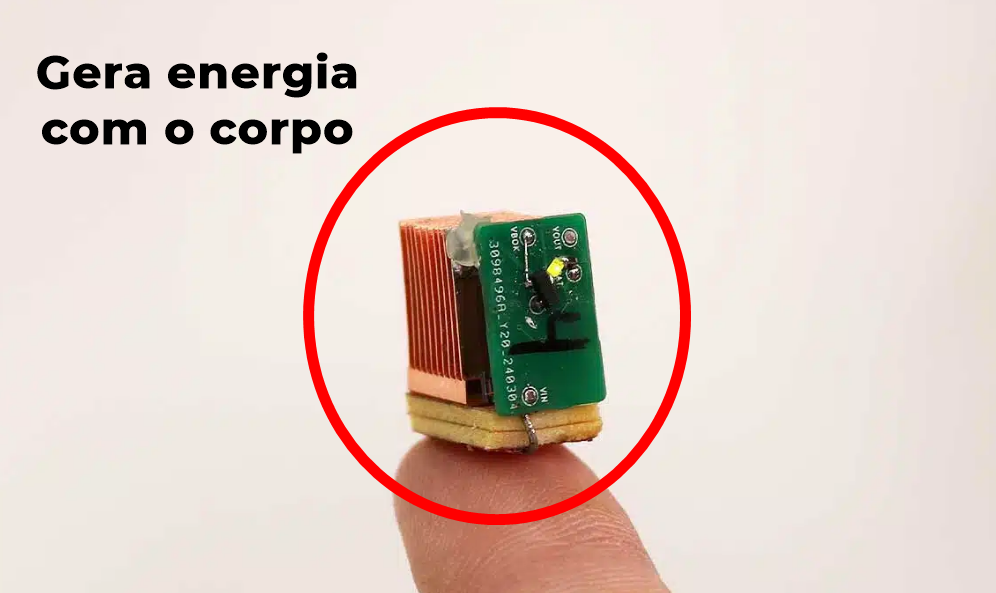
Have You Ever Imagined Charging Your Devices Just with Your Body’s Energy? Scientists Developed an Innovative Technology That Could Make This a Reality!
The search for more efficient and sustainable ways to power electronic devices has just taken a significant leap. Researchers at Carnegie Mellon University have developed an innovative technology called Power-Over-Skin, which allows energy transmission through the human body.
According to the scientists, this discovery could transform the way we use portable devices, eliminating the need for batteries and frequent recharges.
How Does the Power-Over-Skin Technology Work?
The Power-Over-Skin technology uses the human body itself as a medium for electrical energy transmission to power wireless devices.
-
Motorola launched the Signature with a gold seal from DxOMark, tying with the iPhone 17 Pro in camera performance, Snapdragon 8 Gen 5 that surpassed 3 million in benchmarks, and a zoom that impresses even at night.

-
Satellites reveal beneath the Sahara a giant river buried for thousands of kilometers: study shows that the largest hot desert on the planet was once traversed by a river system comparable to the largest on Earth.

-
Scientists have captured something never seen in space: newly born stars are creating gigantic rings of light a thousand times larger than the distance between the Earth and the Sun, and this changes everything we knew about stellar birth.

-
Geologists find traces of a continent that disappeared 155 million years ago after separating from Australia and reveal that it did not sink, but broke into fragments scattered across Southeast Asia.

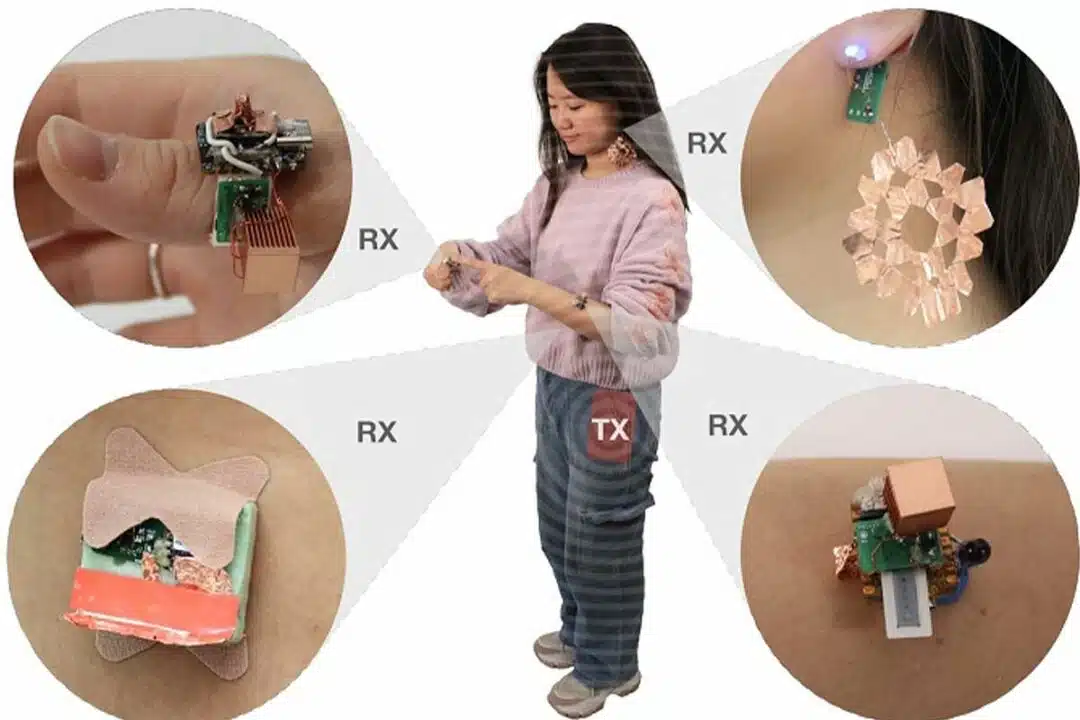
The system is based on the efficient conduction of radio frequency (RF) energy at 40 MHz through body tissues. To achieve this, a transmitter attached to the body sends electricity to battery-free receivers connected to the skin.
This concept has the potential to revolutionize the wearable device and medical implant industry. With this, items like glucose monitors, pacemakers, and headphones could function continuously without the need for traditional batteries.
Results from the Initial Tests
The tests conducted by the scientists were promising. Using the Power-Over-Skin system, the team was able to power small devices such as LED earrings, a calculator, and a Bluetooth ring with joystick control.
Additionally, it was found that the energy transmission is not affected by clothing, as the connection is made capacitively.
Another relevant factor is that the transmitted power varies according to the distance between the transmitter and the receiver.
In other words, the closer the receiver is to the source, the greater the amount of energy received. This indicates the need for optimizations to expand the technology’s range.
Challenges and Next Steps
The researchers are now focused on enhancing the transmission power. The next goal is to increase the amount of transmitted energy by up to ten times, using square waves instead of sine waves.
If this improvement is successful, more powerful devices, such as smart glasses, could also be powered without batteries.
The elimination of batteries could bring significant advantages. In addition to reducing environmental impact, the technology would allow for the creation of more compact and lightweight devices, enhancing user experience.
Medical implants, for example, could operate indefinitely without the need for battery replacement, increasing the safety and efficiency of these devices.
The Future of Battery-Free Devices
With the evolution of this technology, we may be on the verge of a revolution in wearable electronics. Smartwatches, health sensors, and even smartphones could benefit from this energy transmission system, eliminating the dependency on chargers and improving the sustainability of these devices.
The advancement of Power-Over-Skin shows that we are moving toward a future where electricity can be transmitted through the human body efficiently and safely.
Research continues, and it is only a matter of time before this technology starts to impact our daily lives.
If you are interested in technological innovations, it is worth keeping an eye on the upcoming discoveries in this area. The future of portable devices may be closer than we think, and this technology promises to make our relationship with electronics even more intuitive and efficient.
With information from Carnegie Mellon University.








Seja o primeiro a reagir!