





 English
  Francês
  Alemão
  Italiano
  Japonês
  Norueguês
  Portuguese
  Spanish
  3 min of reading
  0 comments


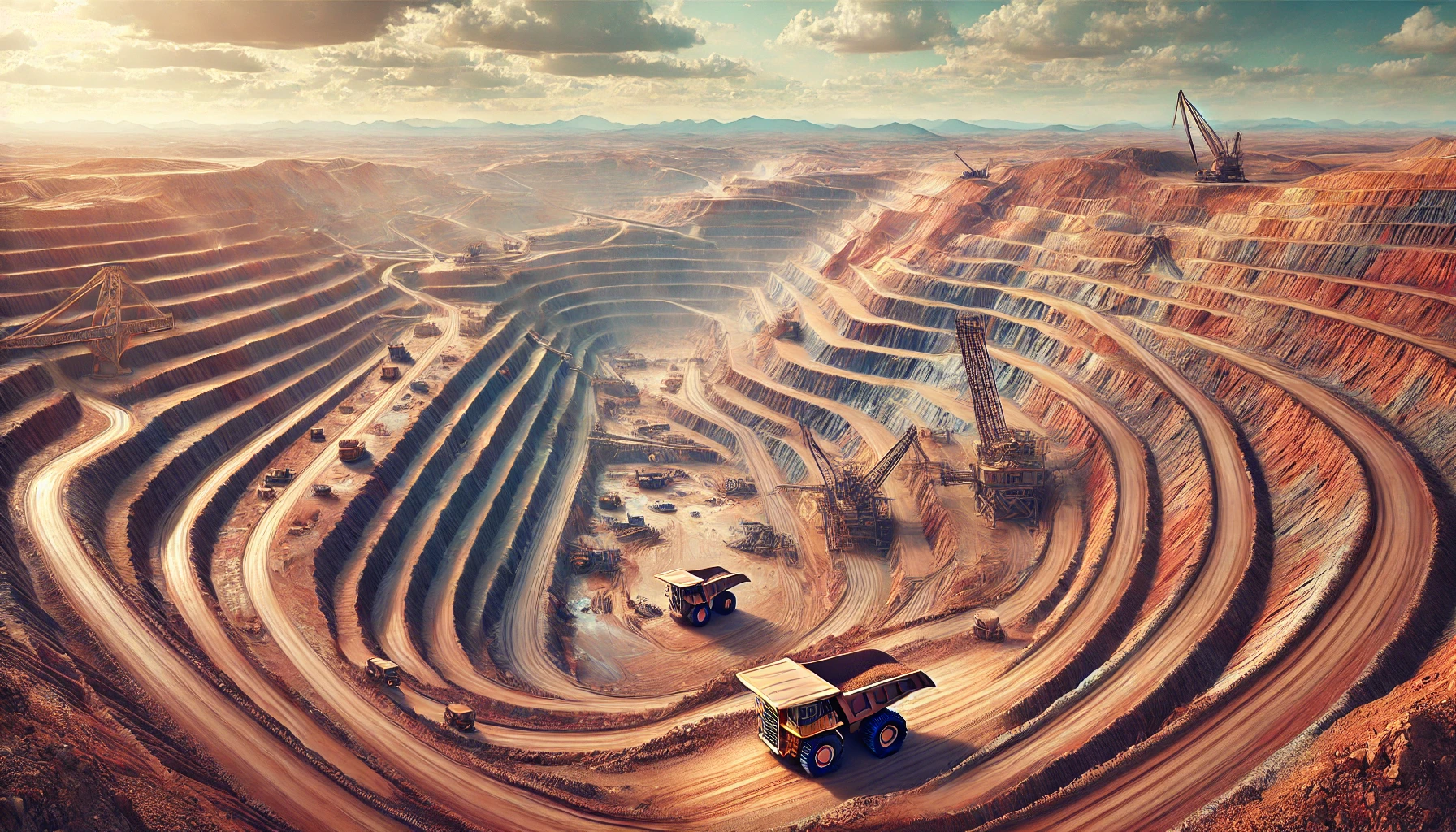
New Scientific Approach Investigates The Use Of Volcanic Brines And Bacterial Mining In Copper Extraction, Offering Ecological Alternatives To Minimize Environmental Damage From Traditional Mining
Copper mining is essential for modern infrastructure, but its traditional methods are harmful to the environment. The process involves large excavations, high water consumption, and the use of chemicals, which can lead to deforestation, river contamination, and carbon emissions.
With the growing demand for copper driven by electrification and renewable energy, scientists are seeking more sustainable alternatives.
An innovative initiative based in London is developing solutions to make the extraction of this metal less aggressive to the environment.
-
A “silent skill” is allowing Brazilians to earn up to R$ 22,000 per month without a degree and become indispensable for companies that rely on millions of data to survive.

-
Researchers at the Toyota Research Institute found that if a human uses robotic arms to flip a pancake 300 times in an afternoon, the robot learns to do it on its own the next morning, and this is currently the most promising method to solve the biggest bottleneck in modern robotics.

-
Goodbye iron: a common item in households is starting to lose space to technology that smooths clothes in minutes without an ironing board and with less energy consumption.

-
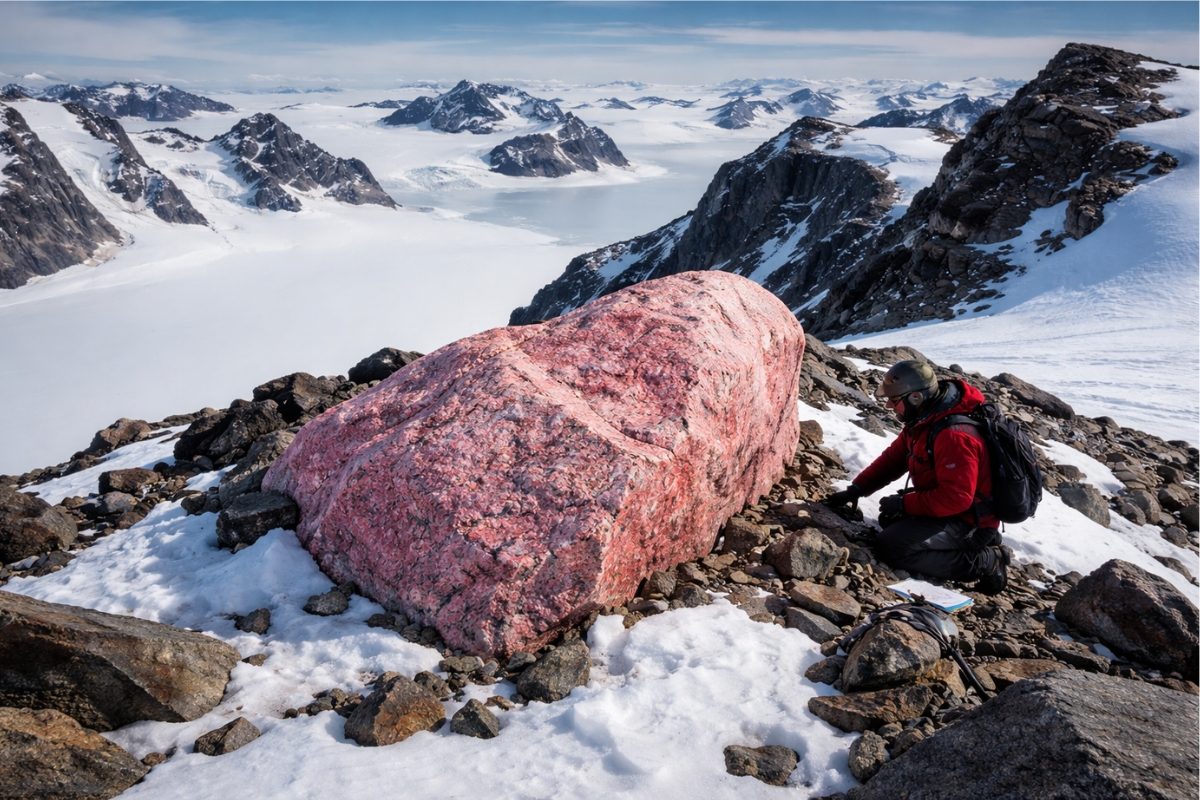
Antarctica reveals an unusual clue high in the Hudson Mountains, and what appeared to be just an isolated rock began to expose a secret hidden under the ice for ages.

The newly established Rio Tinto Centre For Future Materials, at Imperial College London, is leading research on new extraction methods. The goal is to meet global demand while reducing ecological impacts.
Innovative Methods For Sustainable Extraction
Researchers at the Rio Tinto Centre are testing different approaches to make mining more sustainable. One promising method involves the use of copper-rich geothermal brines.
These natural formations are found in volcanic systems and can be pumped to the surface with reduced impact.
According to Professor Matthew Jackson, head of geological fluid dynamics at Imperial College, this method could be advantageous. “This means we can extract copper by pumping brines to the surface through drilling holes – which is relatively easy – and also use local energy to power the mine itself and possibly provide excess energy to nearby communities,” he stated. Studies have already identified potential sites for applying the technique in New Zealand and Japan.
Another innovative approach is bacterial mining, which utilizes microorganisms to extract copper efficiently and sustainably.
This method allows for metal recovery without the need for aggressive excavations or excessive use of chemicals. The technique is being studied as an alternative to reduce the environmental impact of traditional mining.
Additionally, the startup RemePhy, founded by doctoral students Franklin Keck and Ion Ioannou from Imperial College, focuses on using genetically modified plants to recover copper from contaminated land.
This method allows for metal extraction without the need for conventional mining while helping to restore degraded areas.
“Essentially, you would be able to grow these crops on land contaminated by waste left from mining, and they will extract that metal,” Keck explained. The technique could represent a breakthrough for the recovery of areas affected by copper exploitation over the decades.
The Environmental Impact Of Copper Mining
While copper is essential for various industries, its extraction has severe consequences for the environment. Conventional methods require large-scale excavation, along with the use of sulfuric acid to separate the metal from minerals, leading to water and soil contamination.
Chile, the world’s largest copper producer, faces environmental challenges due to metal extraction. Mining consumes large amounts of water in a country already suffering from severe droughts. Additionally, the activity contributes to deforestation and land degradation.
Professor Matthew Jackson highlights the problem: “We normally extract it from minerals that crystallized from very saline copper-rich brines. However, this process requires enormous amounts of energy to break the rocks and also generates a lot of waste.”
The need for sustainable solutions becomes more evident with the growth in global demand for the metal.
Challenge Between Demand And Sustainability
The world will need more copper in the next decade than has been extracted over the last century. This is primarily due to the advancement of electrification and the global energy transition.
In light of this scenario, researchers emphasize the need to reduce consumption and make extraction processes less aggressive to the environment. Ryan, one of the scientists involved in the Rio Tinto Centre project, summarizes the group’s mission: “We need to reduce our demand for copper and figure out how to extract it as sustainably as possible, and that is what we aim to help achieve at the center.”
The advancement of research may redefine the mining sector, balancing technological development and environmental preservation.
With information from Interesting Engineering.






Seja o primeiro a reagir!