





 Portuguese
  English
  Spanish
  4 min of reading
  0 comments


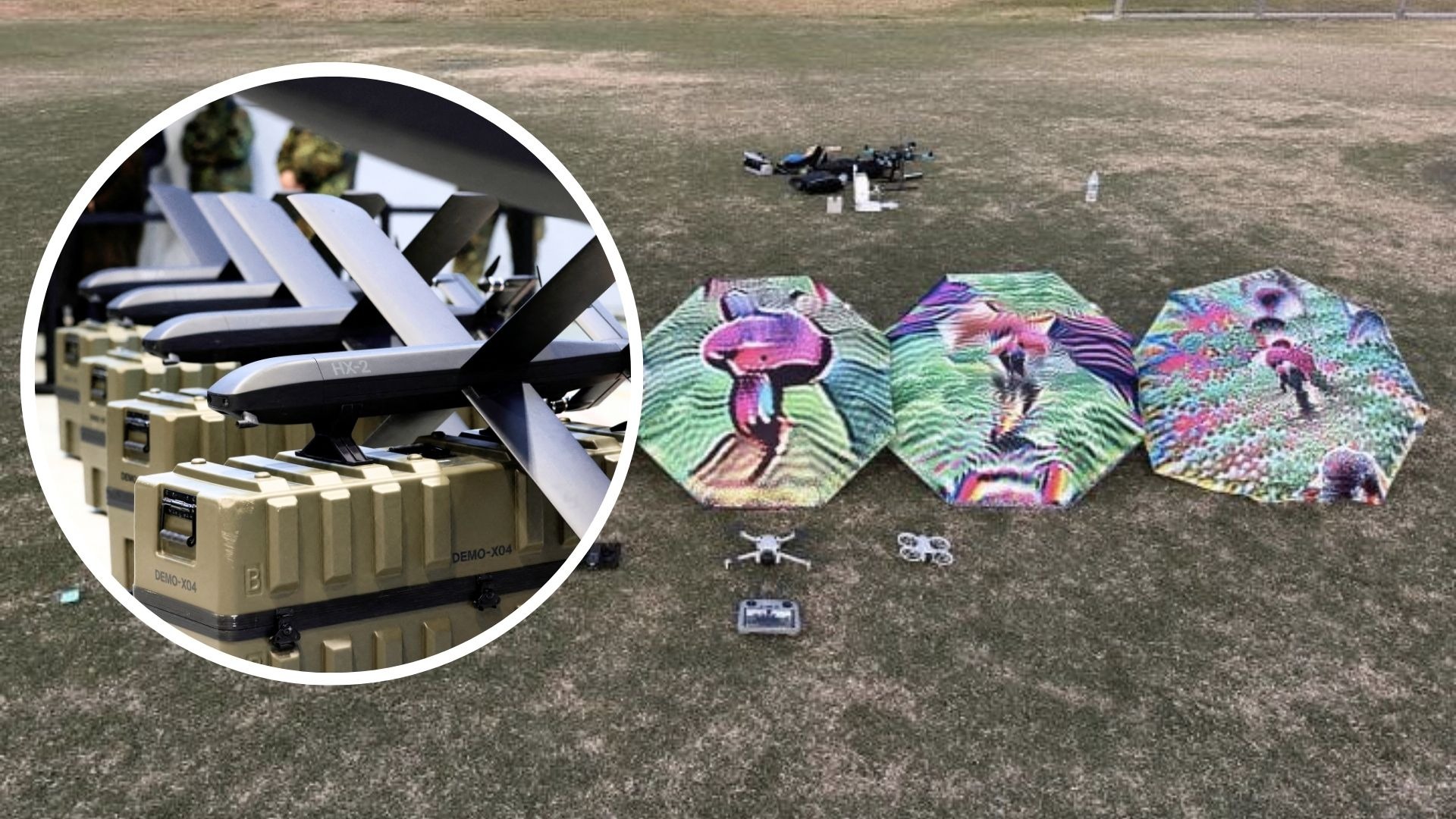
Study Conducted by Researchers at the University of California, Irvine, Shows That an Umbrella with a Specific Visual Pattern Can Deceive Tracking Algorithms Used by Autonomous Drones, Attracting the Aircraft Until They Are Captured with Nets or Causing Physical Collisions During Tests with Three Commercial Models
Researchers in the United States demonstrated that a simple umbrella can be used to manipulate autonomous drones. The method, called FlyTrap, exploits flaws in automatic tracking and can attract drones until they are captured or collide.
The experiment was conducted by researchers from the University of California, Irvine, who investigated vulnerabilities in autonomous tracking systems used by drones.
The approach shows that an umbrella with a specific visual pattern can deceive artificial intelligence algorithms.
-
China accelerates global science and may surpass the United States in 2 years with increased public investment, continuous growth, and direct impact on the global technological competition.

-
Scientific studies indicate that drought may be strengthening a much greater silent threat: more resistant superbugs.

-
Man builds functional 5-meter submarine in his garage using gas cylinders, PVC pipes, and a refrigerator motor, and navigates with the vessel on a lake in Colombia.
-
Millions of people have been eating yam for centuries without knowing that this humble tuber contains a compound called diosgenin, which scientists have now discovered can improve memory and help control blood sugar levels.


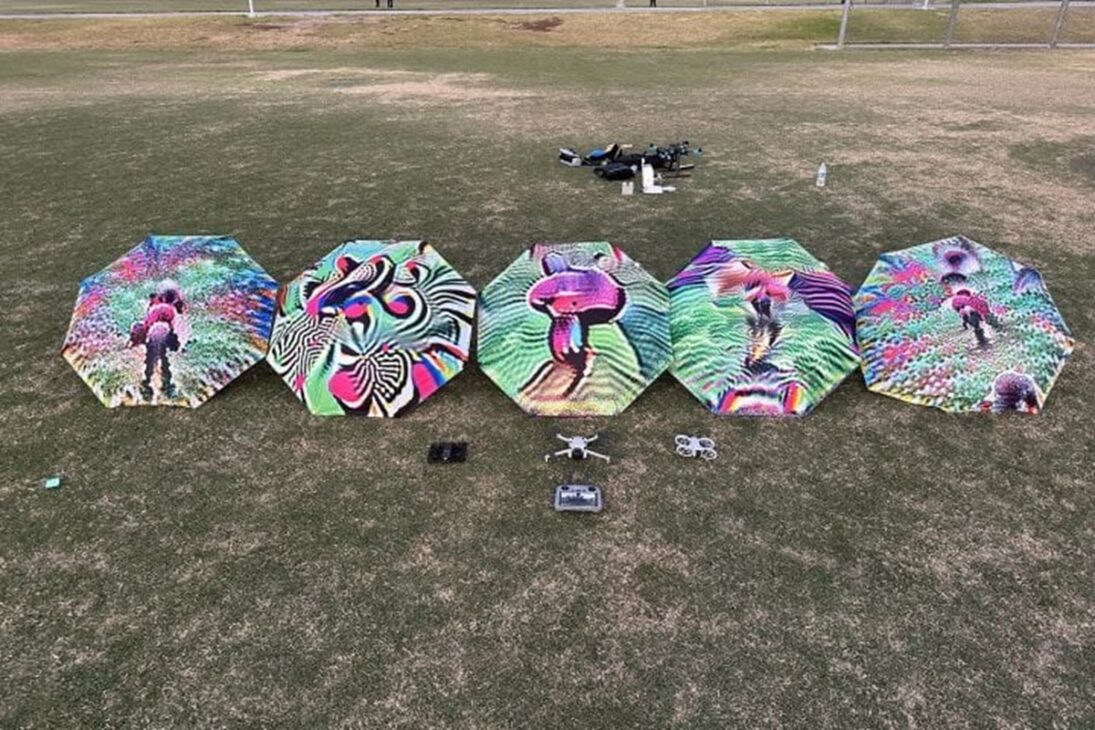
According to the team, the graphic pattern applied to the umbrella alters the visual interpretation made by the drones’ cameras. This causes the tracking systems to understand that the target is moving away, even when the person remains stationary.
From this misreading, the drones begin to gradually approach the target. This movement allows the aircraft to be captured with nets or to collide with another nearby drone.
Experiment Reveals Flaws in Autonomous Drone Tracking
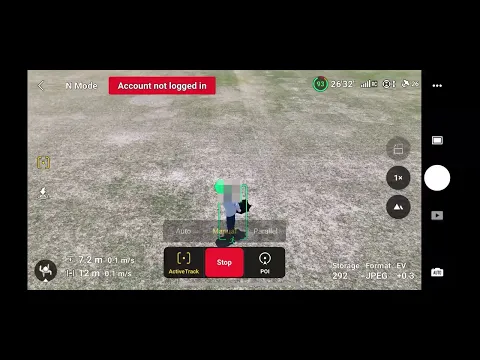
The study examines how the autonomous tracking technology based on cameras functions.
This system allows drones to follow a selected object or person without the need for direct human control.
This type of feature is also known as active tracking or dynamic tracking in consumer products.
It has been used in applications such as security surveillance, border patrol, and police operations.
The researchers claim that this technology presents both potential and relevant risks.
The co-author of the study, Alfred Chen, assistant professor of computer science at UC Irvine, emphasized that autonomous tracking can be used by authorities, but also by criminals.
According to Chen, the same technology that supports public safety operations can also be misused in situations such as stalking. He stated that the study represents a comprehensive analysis of the vulnerabilities of this widely used system.

How the Umbrella Attracts Drones Using the FlyTrap Method
The attack developed by the researchers was named FlyTrap. The method works by exploiting deficiencies in neural network-based tracking systems used by autonomous drones.
The central element of the method is a common umbrella covered with a visual pattern specifically designed to deceive the algorithms. The drones’ cameras interpret the pattern as if a person is moving away from the device.
As a result, the drones try to reduce the distance to keep the target within the ideal tracking range. This causes the aircraft to gradually advance toward the person holding the umbrella.
This process creates what the researchers call an attraction attack by distance. The strategy allows drones to physically approach the target until it is possible to capture them or provoke collisions.
Tests with Commercial Drones Show System Effectiveness
The experiments conducted by the team demonstrated that the FlyTrap method works on different commercial drones. The tests were conducted using three specific models available on the market.
Among the drones used in the tests were the DJI Mini 4 Pro, the DJI Neo, and the HoverAir X1. In all cases, the attraction system generated by the umbrella was able to bring the drones close to the target.
The results showed that the drones could be led to positions close enough for capture with nets. In some scenarios, the researchers also provoked direct physical collisions between aircraft.
The team reported that the identified vulnerabilities were communicated to the manufacturers of the tested drones. According to the researchers, the companies DJI and HoverAir were responsibly notified of the study’s results.
Impacts of the FlyTrap Method on Drone Security and Use
The researchers emphasize that the discovery raises questions about the safety of using autonomous drones. The possibility of manipulating these aircraft using just an umbrella demonstrates weaknesses in tracking technology.
According to the principal author of the study, Shaoyuan Xie, a graduate researcher in computer science at UC Irvine, the results indicate the urgent need for improvements in security in these systems.
Xie stated that if it is so easy to take control of autonomous drone behavior, the use of these aircraft in public places or critical environments should be reevaluated. This includes security operations and law enforcement.
At the same time, the researchers note that the technique may also have defensive uses. People being pursued by drones could use the umbrella method to attract and neutralize the aircraft.
The study also points out that similar attacks could be used to avoid detection by police drones. Aircraft patrolling borders or other sensitive areas could be affected by strategies similar to FlyTrap.








-

-

-

-

-

-

82 pessoas reagiram a isso.