





 Portuguese
  English
  Spanish
  3 min of reading
  0 comments


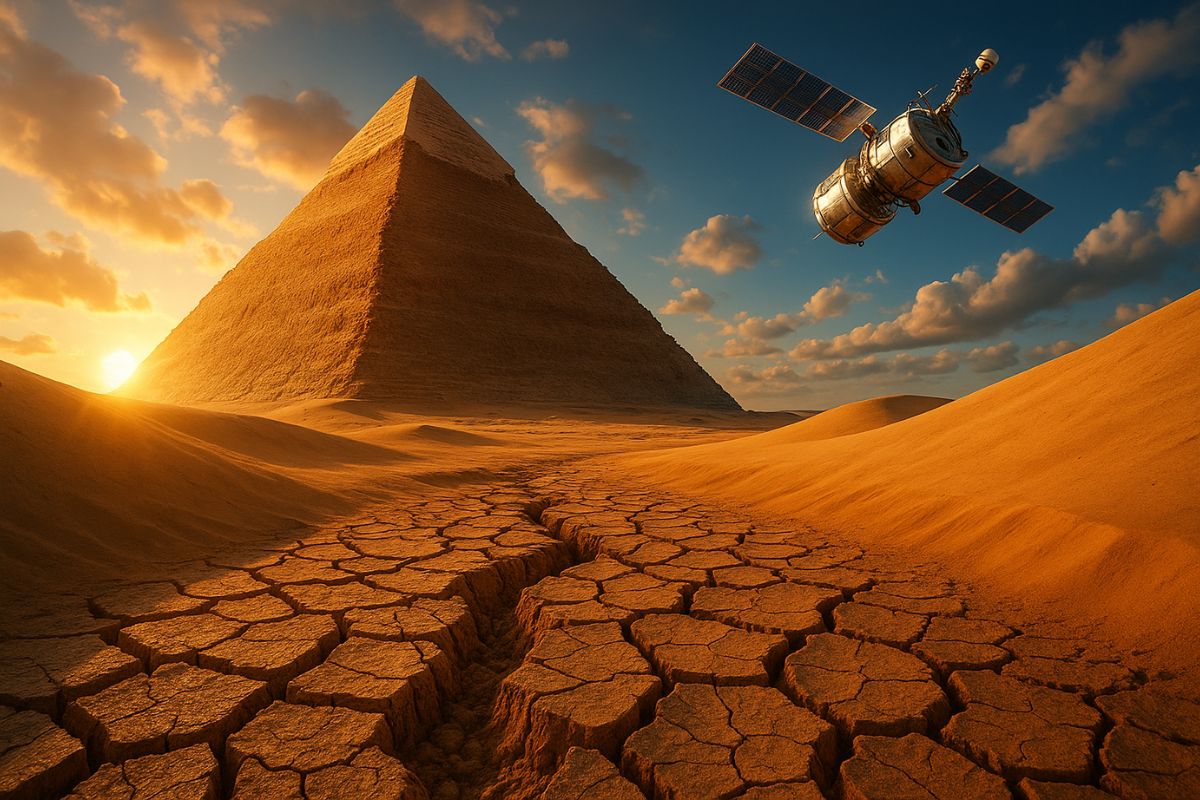
Lost River May Reveal The Secret Behind The Construction Of The Pyramids Of Egypt. Researchers Identify The Ahramat River, An Extinct Arm Of The Nile, That May Have Been Key To The Construction Of The Pyramids Of Egypt.
The Pyramids of Egypt, built over 4,500 years ago, continue to intrigue science. How was it possible to raise monumental structures, with blocks weighing tons, in the midst of the desert? A new study published in the journal Communications Earth & Environment presents an answer: a lost river, called Ahramat, may have been the logistical key to the construction of the Pyramids of Egypt.
The study, conducted by scientists such as Eman Ghoneim, used satellite imagery and geophysical analyses to identify the course of an ancient arm of the Nile that passed precisely through the region where the pyramids are concentrated. The river, now hidden beneath the sands of the desert, is believed to have served as a strategic route for transporting stones and sustaining the thousands of workers involved in the project.
How Was The River Discovered?
Researchers turned to satellite radar technology, capable of penetrating sand and revealing buried structures. This analysis showed the trace of a riverbed approximately 64 km long, with widths ranging from 200 to 700 meters in some sections, running parallel to the current Nile.
-
Florianópolis will receive a million-dollar BRT that will begin construction in 2026 with nearly 400 million in funding from the federal government and the Inter-American Development Bank, and the map already shows the routes for the exclusive bus corridors.

-
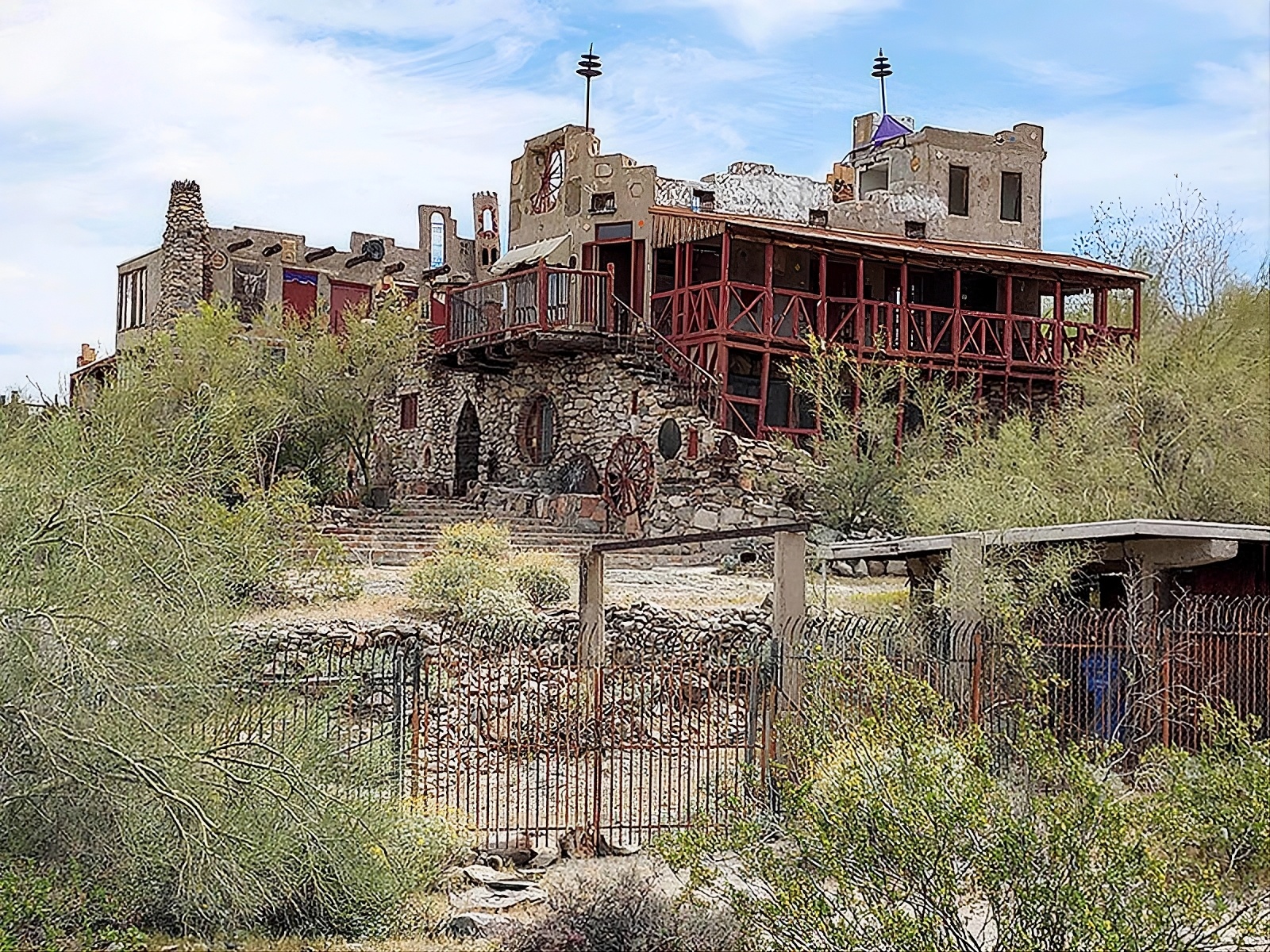
Without a blueprint, without an engineer, and using scrap from the dump, a father spends 15 years building an 18-room castle for his daughter, featuring tram tracks, 13 fireplaces, and over 700 m², which may now be demolished.
-
A megaproject worth R$ 89 billion is advancing in Iraq and promises to change the game in global trade by creating a new corridor between Asia and Europe, reducing traditional routes and repositioning the country as a logistics powerhouse.

-
Goodbye bedside table: floating shelves become a trend in 2026 by freeing up space in the bedroom, improving circulation, bringing visual lightness, and integrating technology without taking up floor space.


To confirm the data, ground surveys were conducted, confirming the presence of sediments that could only have been deposited by a river. The period of activity of the Ahramat coincides precisely with the era of the construction of the pyramids, between 4,700 and 3,700 years ago.
Why Is The River Crucial To The Construction Of The Pyramids Of Egypt?
The land transport of massive stone blocks would have been extremely slow and laborious. The Ahramat would have functioned as a water highway, allowing for the rapid movement of materials to the construction sites.
Moreover, proximity to the river provided water and basic resources for the thousands of workers involved in the process, something essential to keep the workforce in suitable conditions during decades of construction.
This discovery suggests that the location of the pyramids was not random: the Egyptians strategically chose points close to the course of this arm of the Nile, maximizing logistical efficiency and ensuring constant supply.
Impact Of The Discovery On Archaeology
The Ahramat theory revolutionizes the understanding of engineering and logistics in Ancient Egypt. It reinforces the idea that the pyramids were not merely monumental architectural works, but also the result of environmental planning and intelligent use of natural resources.
According to the authors of the study, the finding also sheds light on the relationship between ancient civilizations and environmental changes. The gradual disappearance of the river, caused by desertification processes, explains why today the pyramids appear isolated in the middle of the desert.
Lessons From The Past For The Present
The study of the Ahramat River shows that adaptation to the environment was decisive in erecting one of the greatest wonders of the ancient world. This perspective opens current debates about sustainability and rational use of water resources.
More than solving a historical mystery, the discovery inspires reflections on how modern societies can learn from past strategies to face environmental and infrastructure challenges.
The identification of the Ahramat River may finally explain how the construction of the Pyramids of Egypt was possible on a large scale. More than an archaeological curiosity, the revelation reinforces the ingenuity of the ancient Egyptians in shaping the environment to their advantage.
And you, do you believe this lost river explains once and for all the secrets of the construction of the Pyramids of Egypt or are there still mysteries to be unraveled? Leave your opinion in the comments — we want to hear your thoughts on this historical enigma.








Seja o primeiro a reagir!