





 Portuguese
  English
  Spanish
  3 min of reading
  0 comments


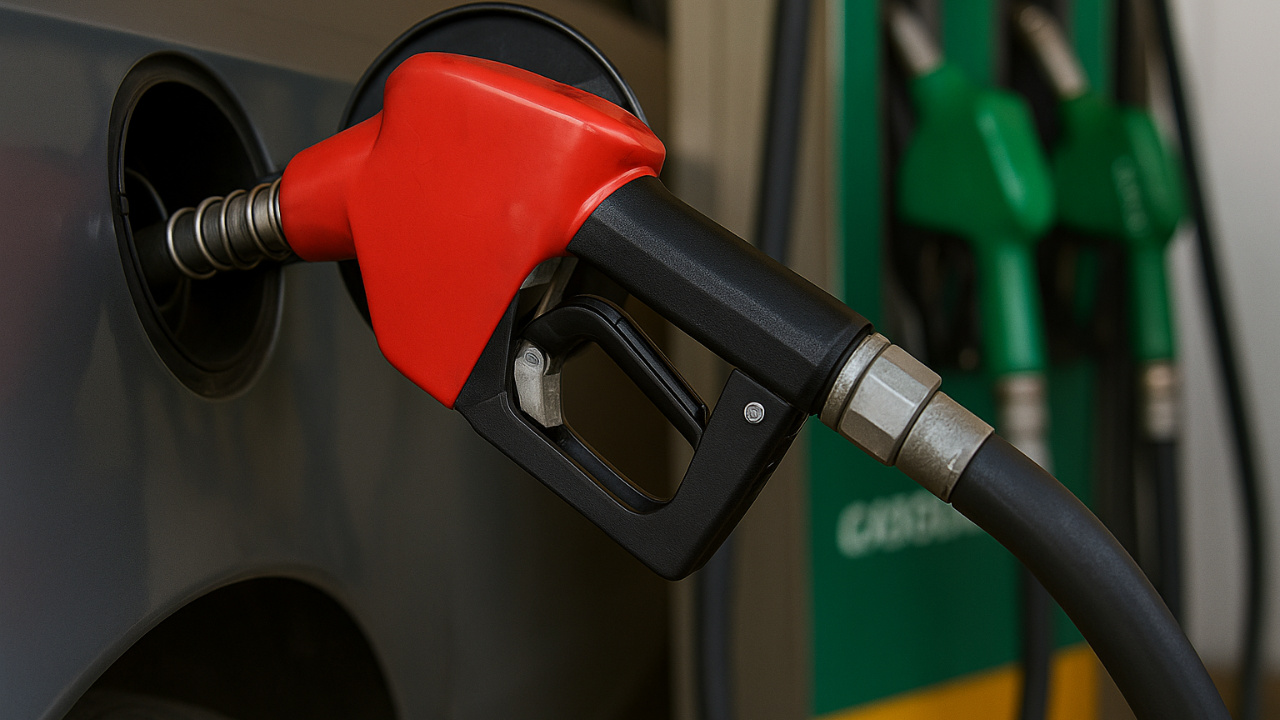
The New ANP Research Reveals That Ethanol Is More Advantageous Than Gasoline in Five Brazilian States. Find Out Where to Fuel Up.
A recent survey by the National Agency of Petroleum, Natural Gas and Biofuels (ANP) showed what: ethanol is more advantageous than gasoline in five Brazilian states.
The survey indicates who conducted the analysis, the ANP, and was published when: between November 24 and 30.
The data evaluates where the biofuel offers better cost-effectiveness, highlighting regions such as Mato Grosso do Sul, São Paulo, and Paraná.
-
Former president of IBP highlights that dependence on diesel imports pressures prices in Brazil, increases vulnerability to global crises, and underscores the need for more robust and sustainable energy policies.
-
Middle East War Drives Up Oil Prices, And Petrobras Increases Diesel: Fuel Reaches R$ 3.65 Per Liter At Distributors
-
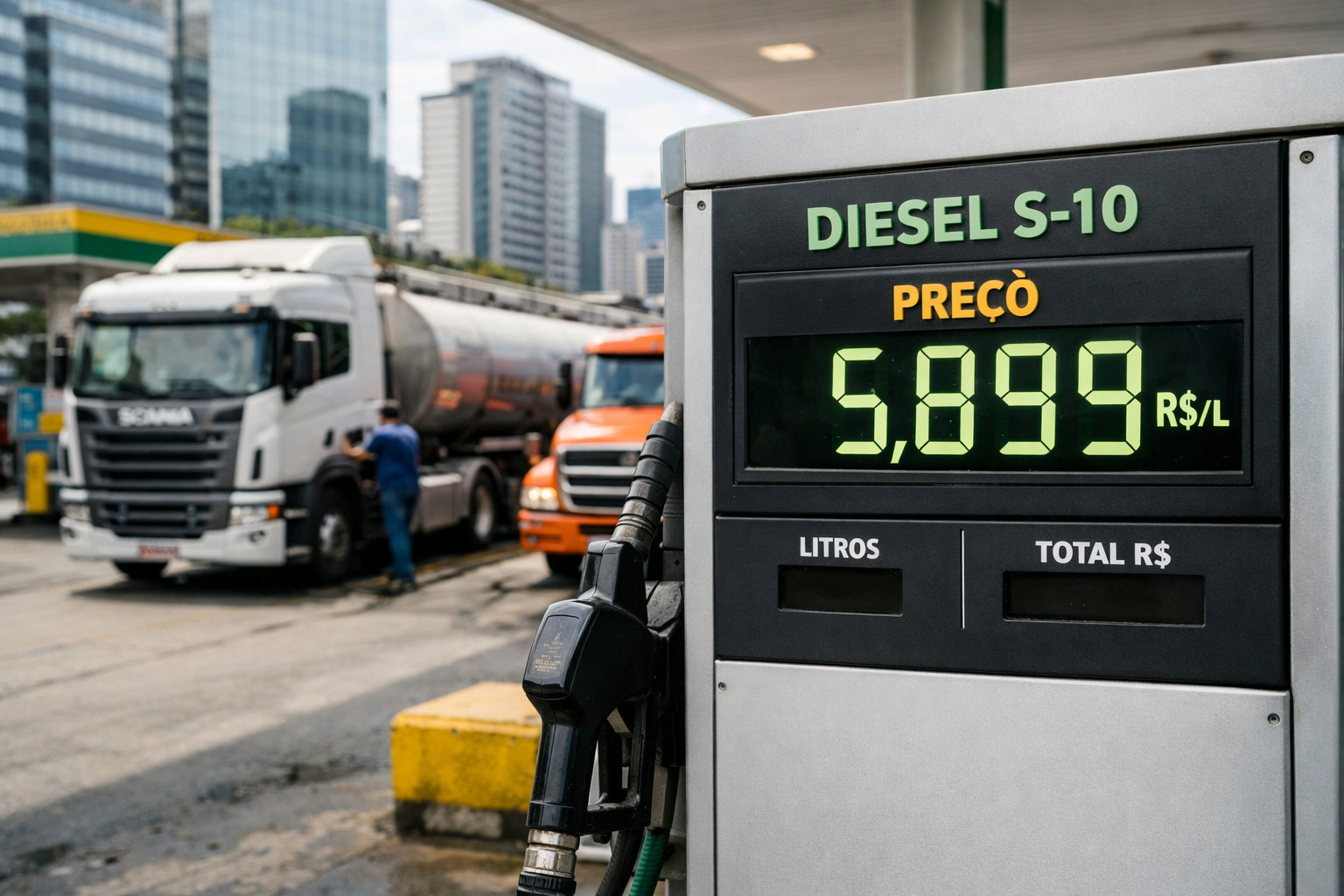
Oil Soars to Nearly $120, Middle East Tensions Shake Global Market, and a Little-Known Detail Returns to Energy Debate: The Gigantic Strategic Reserves Hidden by G7 Countries — See How Many Millions of Barrels Each Nation Holds in Reserve to Face a Global Crisis
-
Gasoline And Diesel May Change Course In Brazil: International Oil Pressure Renews Debate On Prices And Direct Impact On Drivers’ Wallets
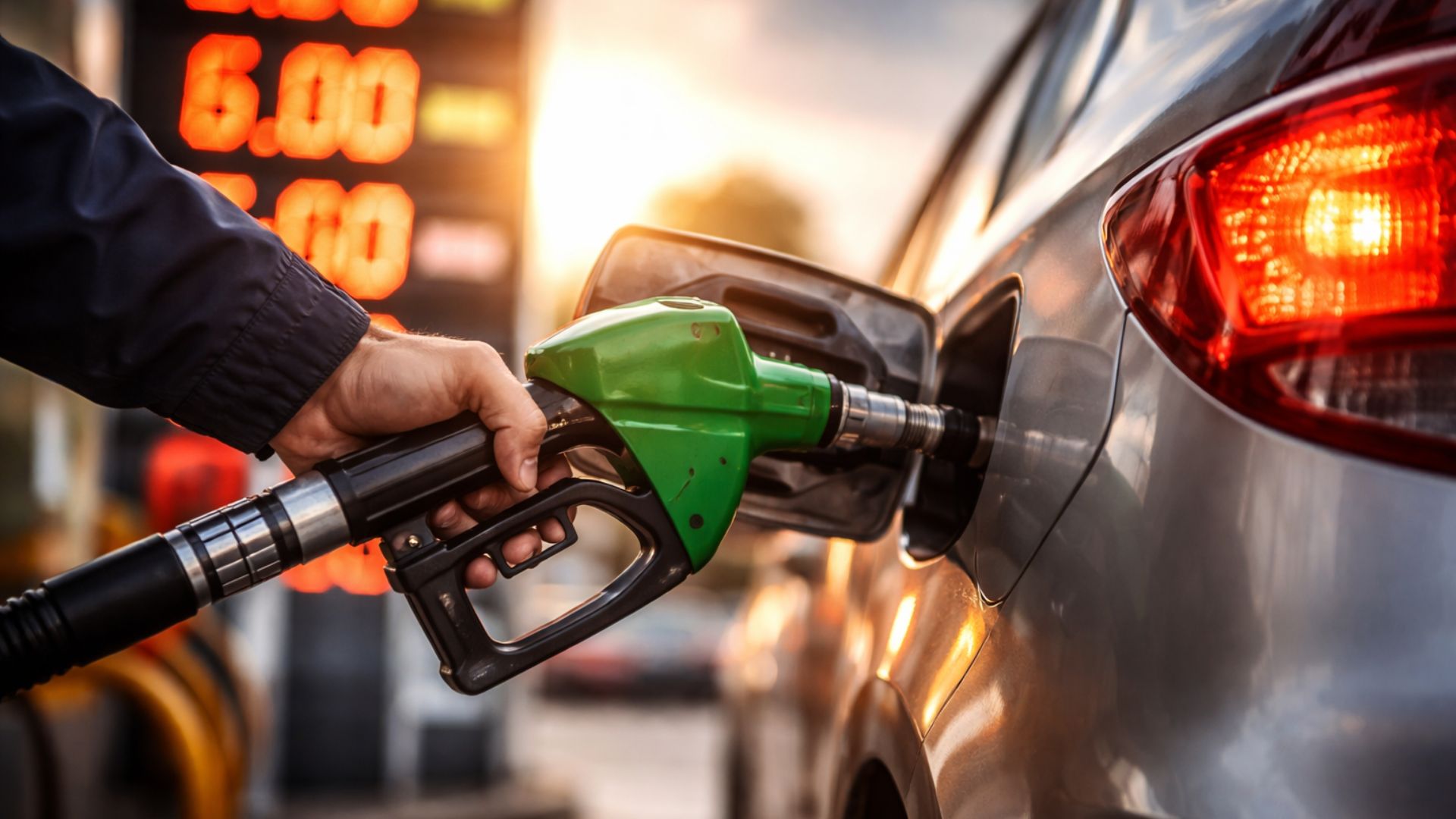

The research explains how this advantage is calculated, through the so-called price parity.
And it reveals why ethanol can be more beneficial: when its value represents up to 70% of the gasoline price, it becomes economically superior in cost per kilometer traveled.
Thus, drivers living in these states can save significantly by choosing the biofuel, especially since the energy yield of ethanol varies according to the vehicle, which can make it even more competitive.
Parity Explains Why Ethanol Is Worthwhile in Certain States
To understand why ethanol is more advantageous than gasoline in five Brazilian states, it’s essential to consider the concept of parity.
This indicator compares the price of each fuel per liter and takes into account that ethanol, due to its lower energy yield, is only considered advantageous when it costs up to 70% of the gasoline price.
When this relationship falls below 0.70, ethanol allows for more kilometers to be traveled for each real spent. If it exceeds that limit, gasoline tends to be the more economical choice for flex vehicles.
Where Ethanol Is More Advantageous Than Gasoline
The survey identified five units of the federation where ethanol presents a real advantage:
Mato Grosso do Sul 66.8%;
São Paulo 68.6%;
Paraná 68.7%;
Pernambuco 69.4%;
Mato Grosso 69.9%.
As all these percentages are below the 70% threshold, the cost per kilometer traveled favors ethanol.
Thus, consumers in these states can fuel up more economically, especially in cars that demonstrate good yield with the biofuel.
How Consumers Can Calculate the Advantage at the Pump
Although the ANP study presents state averages, drivers can and should do a quick calculation whenever they fuel up.
The recommendation is simple: divide the price of a liter of ethanol by the price of a liter of regular gasoline.
If the result is 0.70 or less, ethanol tends to be more advantageous.
This calculation serves as a practical and immediate guide, allowing consumers to identify their savings in a personalized manner.
National Average Shows a Tie Between Ethanol and Gasoline
Even though ethanol is more advantageous than gasoline in five Brazilian states, the national average reveals equilibrium.
In the analyzed week, the average price of a liter of ethanol was R$ 4.33, while regular gasoline was R$ 6.17, which places the parity exactly at 70%, the limit of the biofuel’s advantage.
This shows that, in the overall country scenario, neither fuel stands out significantly, reinforcing the importance of observing local prices.
Regional Differences Are Noteworthy
The survey also highlighted significant differences among capitals. In São Paulo, for instance, regular gasoline had an average price of R$ 6.06.
In contrast, Rio Branco had the highest price in the country at R$ 7.34, while São Luís had the lowest average price at R$ 5.61, a difference that exceeds R$ 1.70 per liter.
These variations emphasize that the advantage of ethanol also depends on the regional dynamics of supply, demand, and logistics.









-

Uma pessoa reagiu a isso.