





 Portuguese
  English
  Spanish
  4 min of reading
  0 comments


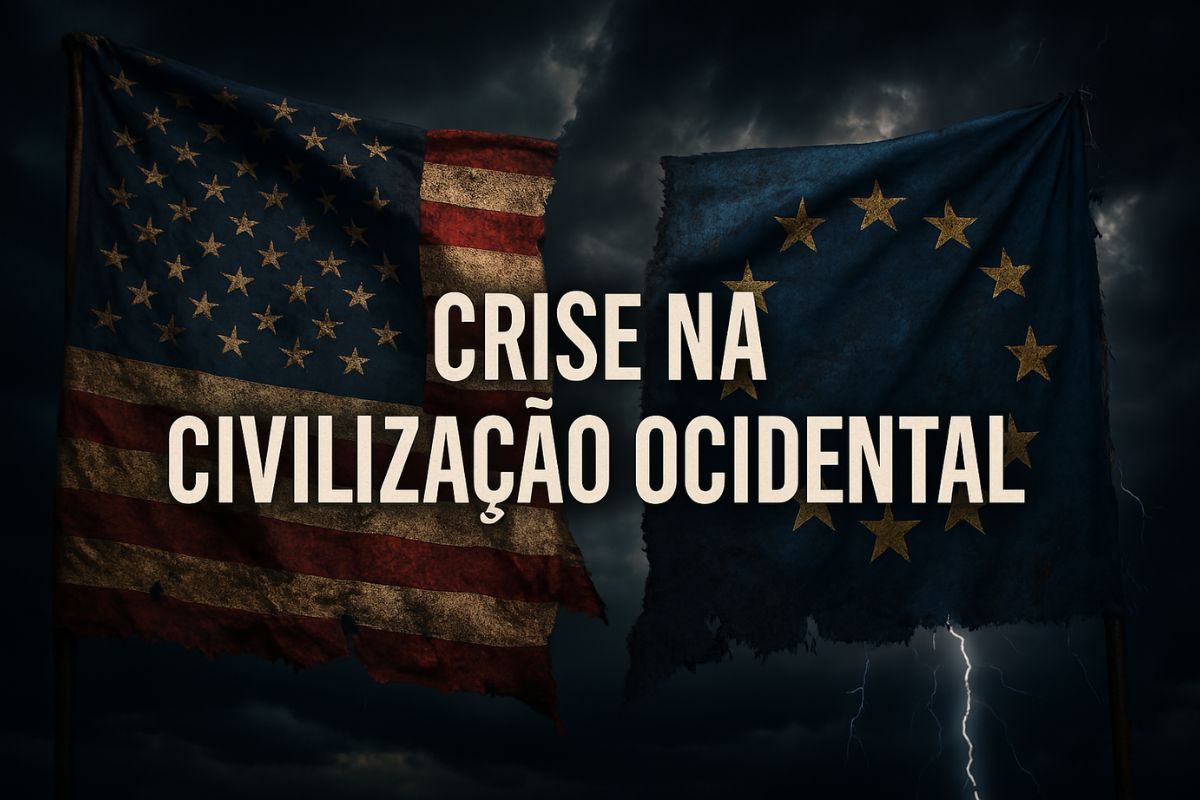
Trump’s Reelection Shakes Transatlantic Relations and Puts the Future of Western Civilization at Risk. American President Demands Allies Increase Military Spending and Threatens to Cut Support to Europe. European Union Reacts and Considers Creating Own Defense Forces.
Donald Trump’s reelection in the United States has brought back the tension that seemed overcome between the US and its historic European allies. At stake is the very future of Western civilization, sustained for decades by a solid transatlantic alliance that ensured peace, democracy, economic prosperity, and geopolitical stability after two major wars.
Now, the unity of Western civilization is undergoing a critical test. Trump demands that NATO countries drastically increase their defense spending to 5% of GDP—a jump that, for many allies, seems excessive. The American president has already warned: those who do not comply will no longer have automatic guarantees of military protection from the United States.
NATO Under Pressure: Collective Security at Stake
The North Atlantic Treaty Organization (NATO) has been the military heart of Western civilization since its creation in 1949. For decades, this alliance has guaranteed the protection of Europe against threats mainly from the former Soviet Union and, currently, from Putin’s Russia.
-
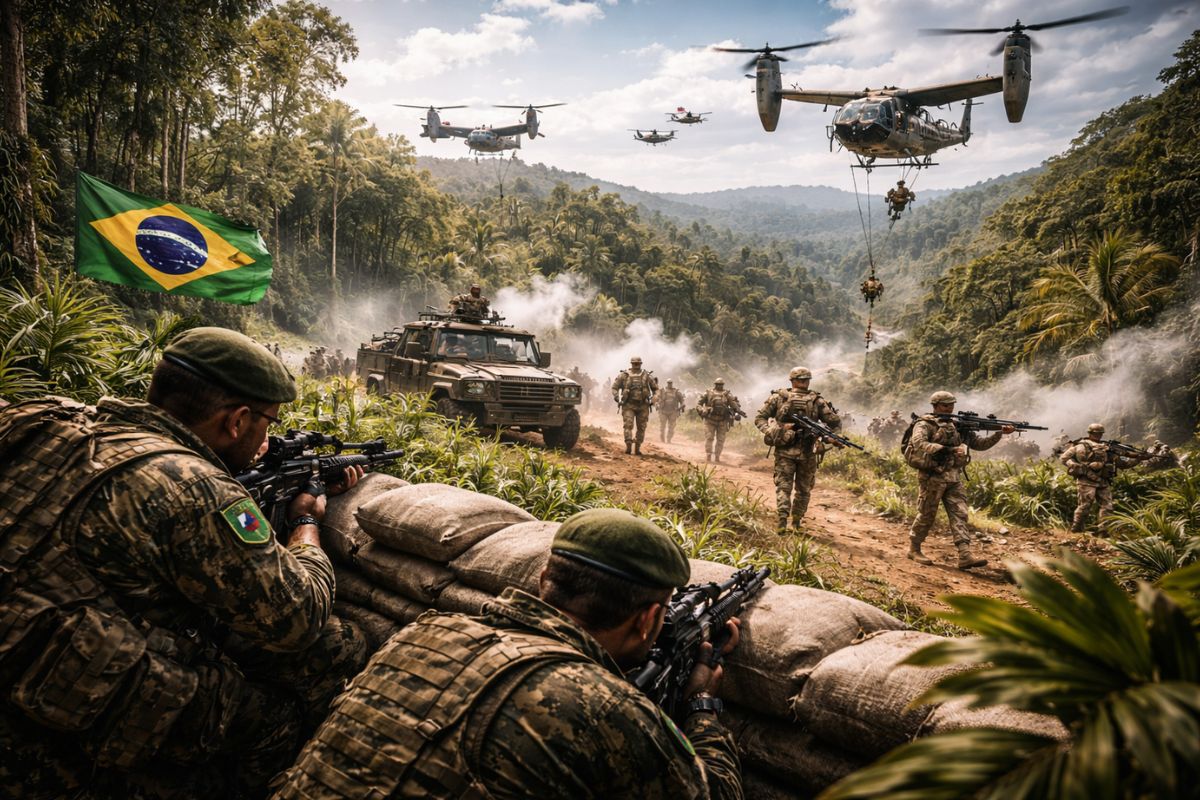
If the USA were to go to war with Brazil, Washington’s greatest fear would not be the attack itself, but facing a vast territory, prolonged resistance, and a costly, chaotic, and unpredictable occupation.
-
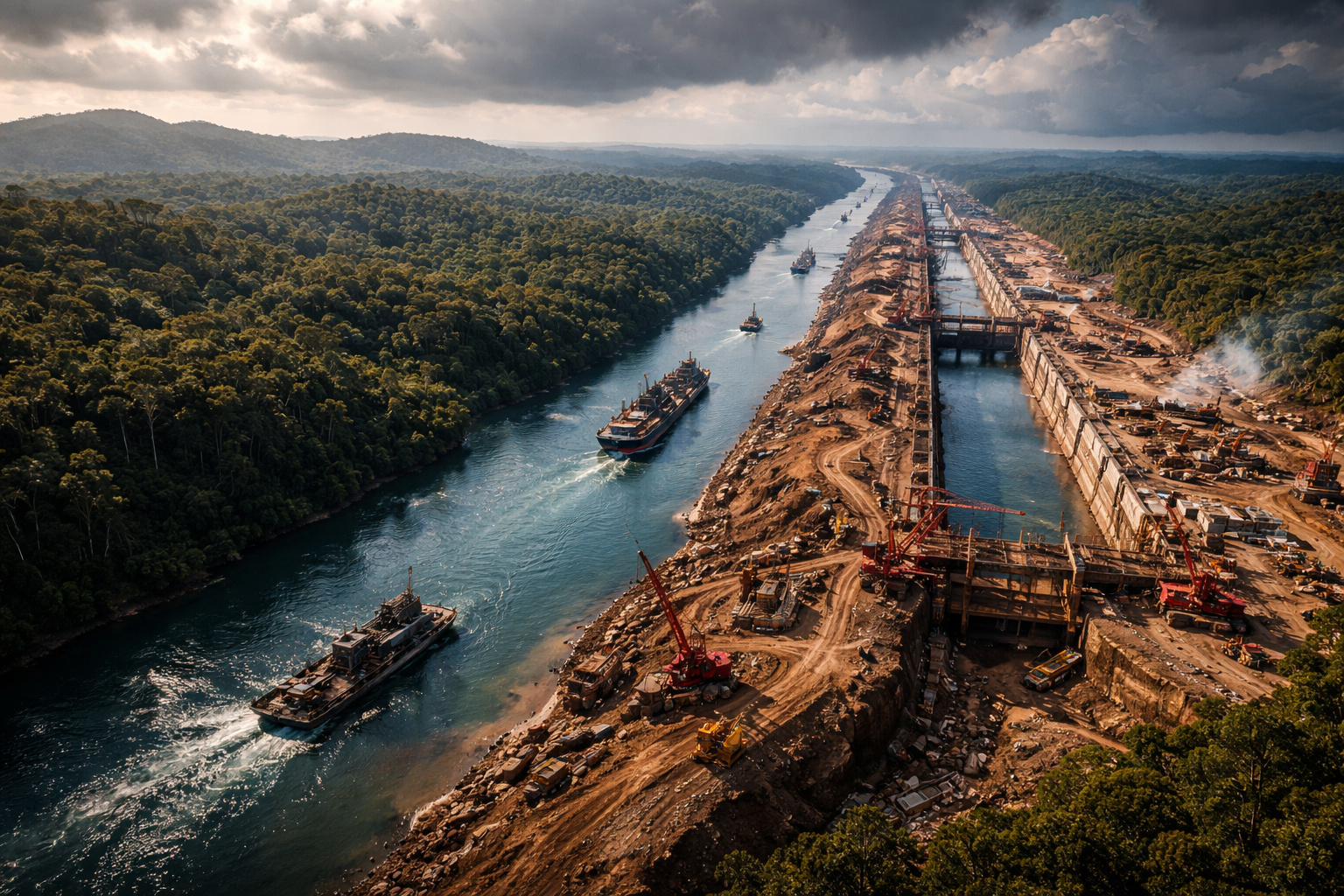
In 2013, Nicaragua sold the concession for a canal to rival Panama to a Chinese billionaire who lost 85% of his fortune, disappeared, and was declared bankrupt. Now the project resurfaces with a new route, a new Chinese partner, and a cost of $64.5 billion.
-
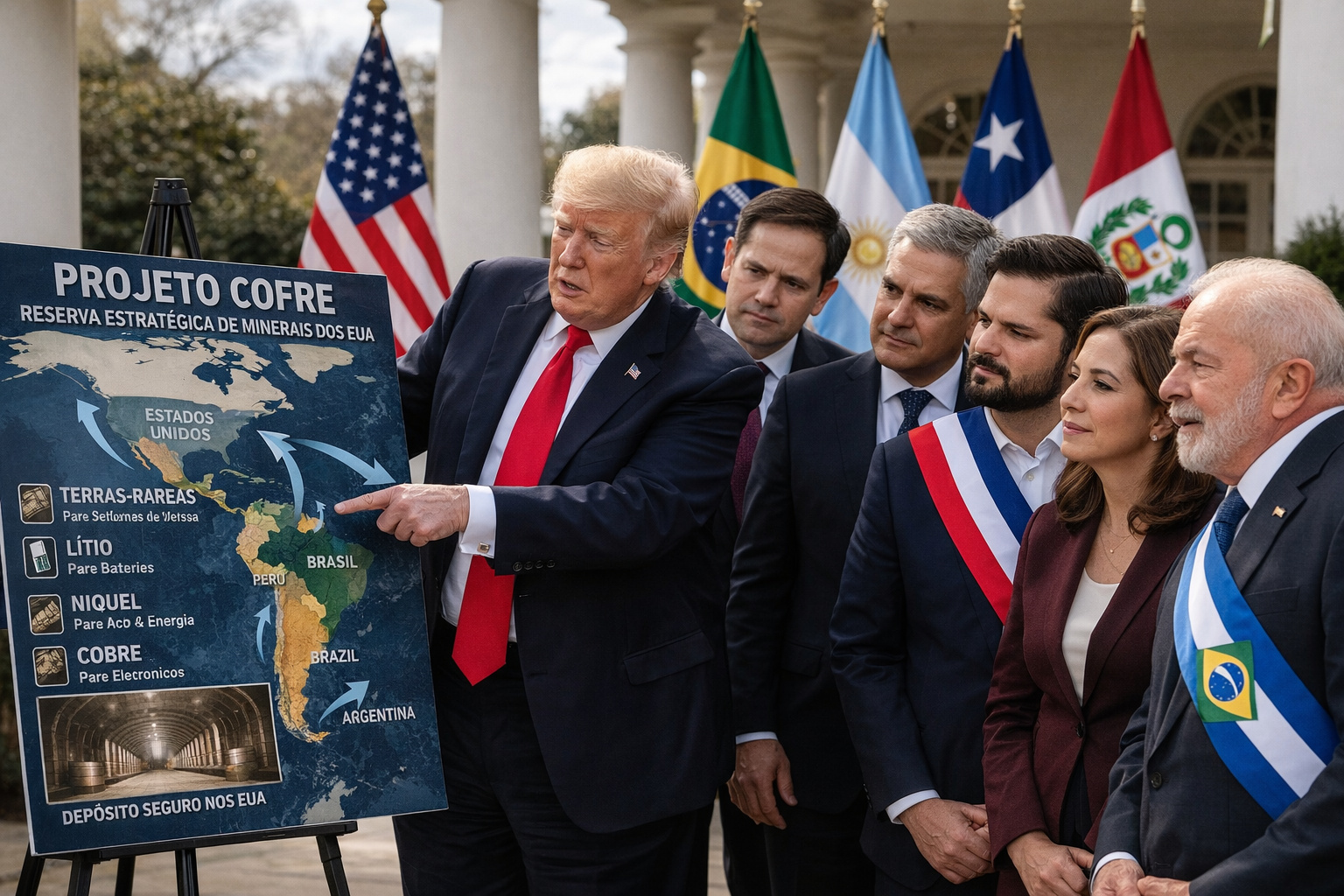
The USA announces a mysterious billion-dollar vault project to store critical minerals, but what intrigues experts is not just the plan itself, but why Latin America, including Brazil, has entered the center of this global dispute against China.
-
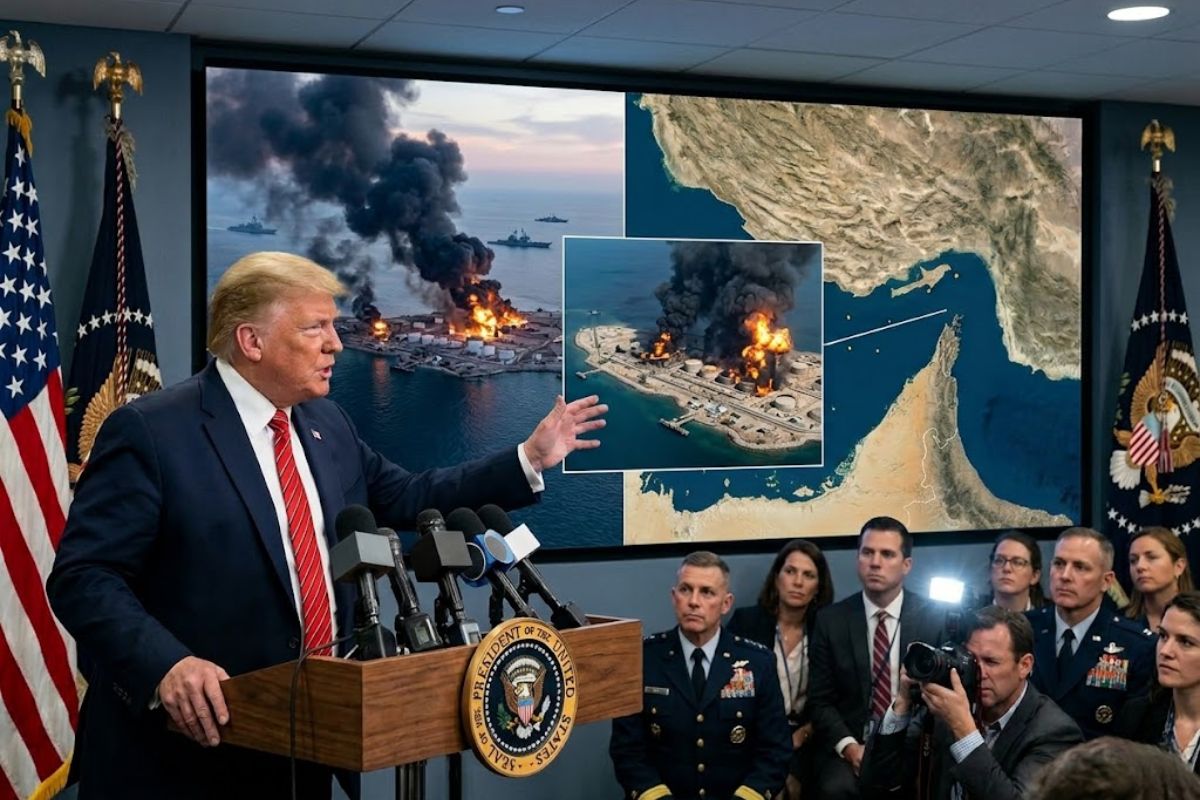
Trump Announces Bombing of U.S. Military Targets on Iranian Island Responsible for About 90% of Iran’s Oil Exports, Warns of Further Attacks if Navigation in Strategic Strait of Hormuz Is Threatened

But now, Trump threatens to break this historic pact. The US president claims his country can no longer bear the burden of European security alone. Since 2025, he has been pressuring nations like Germany, France, Italy, and Spain, suggesting that the US may stop automatically protecting those who do not spend what he deems sufficient.
Today, European military spending averages around 2% of GDP. To reach the 5% demanded by Trump, Germany would need to invest about 200 billion euros per year—nearly three times its current military budget.
European Union Responds: Is It Time for Own Defense?
In light of this threat, the European Union has decided to act. European leaders are already seriously discussing the creation of a common military force, something unprecedented in the recent history of Western civilization. The proposal, which already has public support from French President Emmanuel Macron, aims to reduce military dependence on the US and ensure European sovereignty against new geopolitical challenges.
The Polish Foreign Minister, strategically positioned in Eastern Europe and with direct borders with Ukraine and Russia, has already warned that “Europe alone cannot contain Putin.” This reveals the real fear that, without American support, Europe becomes vulnerable to Russian expansionism.
In the meantime, Trump is acting pragmatically, negotiating directly with Vladimir Putin to end the war in Ukraine. But details of this negotiation have not yet been disclosed, further increasing suspicions about the future of European security.
Economy and Trust: What Is at Risk?
The crisis between the US and Europe is not only military. It undermines something much deeper: the social capital of Western civilization, based on trust between democracies that share values like economic freedom, the rule of law, and low corruption.
Trade between Europe and the United States represents approximately $1.6 trillion per year, making it one of the largest global trade routes. In comparison, US-China trade reaches just over $600 billion annually. Breaking the transatlantic alliance would mean putting this vital economic relationship at risk, which generates millions of jobs and sustains the Western standard of living.
Moreover, business interactions between democracies are more stable. American companies prefer to invest in Europe because they know the rules are clear, justice works, and political risk is low. Swapping this stable relationship for the unpredictability of dictatorships, like those in China or Russia, would be a serious strategic mistake that could be costly for Americans.
The Cultural and Civilizational Impact of This Breakup
At the center of this crisis is a clash of values that define Western civilization. Trump and his supporters argue that the US needs to prioritize its immediate interests, even if it means weakening its historic allies. On the other hand, European leaders argue that destroying this alliance means handing the global future over to authoritarian regimes.
Italy, led by conservative Giorgia Meloni, recently proposed including Ukraine in NATO’s Article 5 purely for defense, a smart and moderate way to reinforce security without directly provoking Russia. The proposal reveals that even European conservative politicians are concerned about the isolationist and aggressive attitudes of the US.
The Future of Western Civilization at Stake
History teaches that solid alliances are fundamental for global prosperity and stability. Since the end of World War II, the US and Europe together have led technological advancements, social achievements, and unprecedented economic growth.
Now, with this alliance threatened, the whole world may pay the price. The next few months will be decisive in determining whether Western civilization will remain united and strong or succumb to internal disputes, allowing other powers to take control of the global stage.
The decision Trump makes in the coming months could define the course of global history for generations.









Seja o primeiro a reagir!