





 Portuguese
  English
  Spanish
  6 min of reading
  0 comments


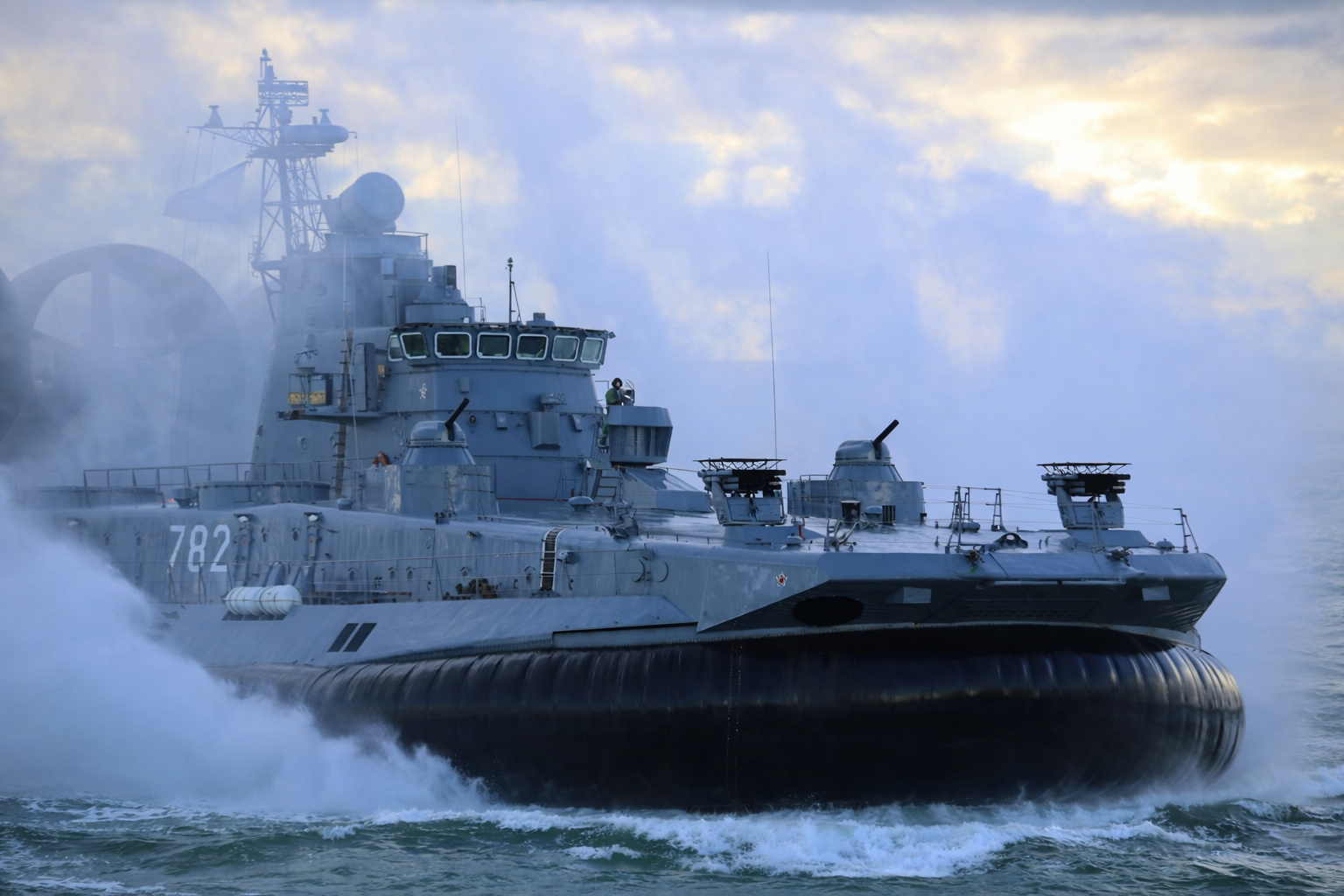
Zubr is the largest military hovercraft in the world with 555 tons, capable of transporting tanks at 100 km/h and returns to focus with China’s expansion
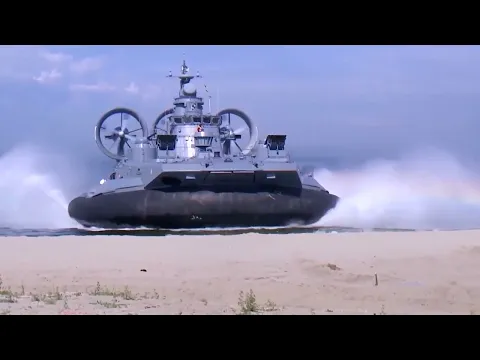
Since 1986, Project 12322, known by the NATO codename Pomornik and the Russian name Zubr, has held the record for the largest military hovercraft in the world, a position confirmed by data compiled by the National Maritime Foundation. Developed by the Almaz Central Naval Design Bureau in St. Petersburg and built at the Almaz and Feodosia shipyards, the Zubr combines scale, speed, and amphibious capability at a level that no other vessel of its kind has achieved in nearly four decades.
With 555 tons, over 57 meters in length, and the ability to operate over multiple surfaces, the Zubr represents one of the most aggressive platforms ever created for coastal force projection. The return of production and modernization by China places the hovercraft back at the center of strategic discussions in the South China Sea and the Taiwan Strait.
Zubr hovercraft: air cushion technology allows operation over water, ice, and sand
The technical difference of the Zubr lies not only in its dimensions but also in the physical principle that supports its operation. The hovercraft uses an air cushion system generated by four NO-10 blowers, equipped with 2.5-meter diameter axial wheels.
-
The U.S. Army receives the first Black Hawk helicopter that can fly without pilots, be controlled by a tablet, and even land on its own during high-risk missions.

-
With 11,000 tons and sensors capable of hunting submarines at long distances, the Type 055 has become one of the most feared floating arsenals of the Chinese navy.

-
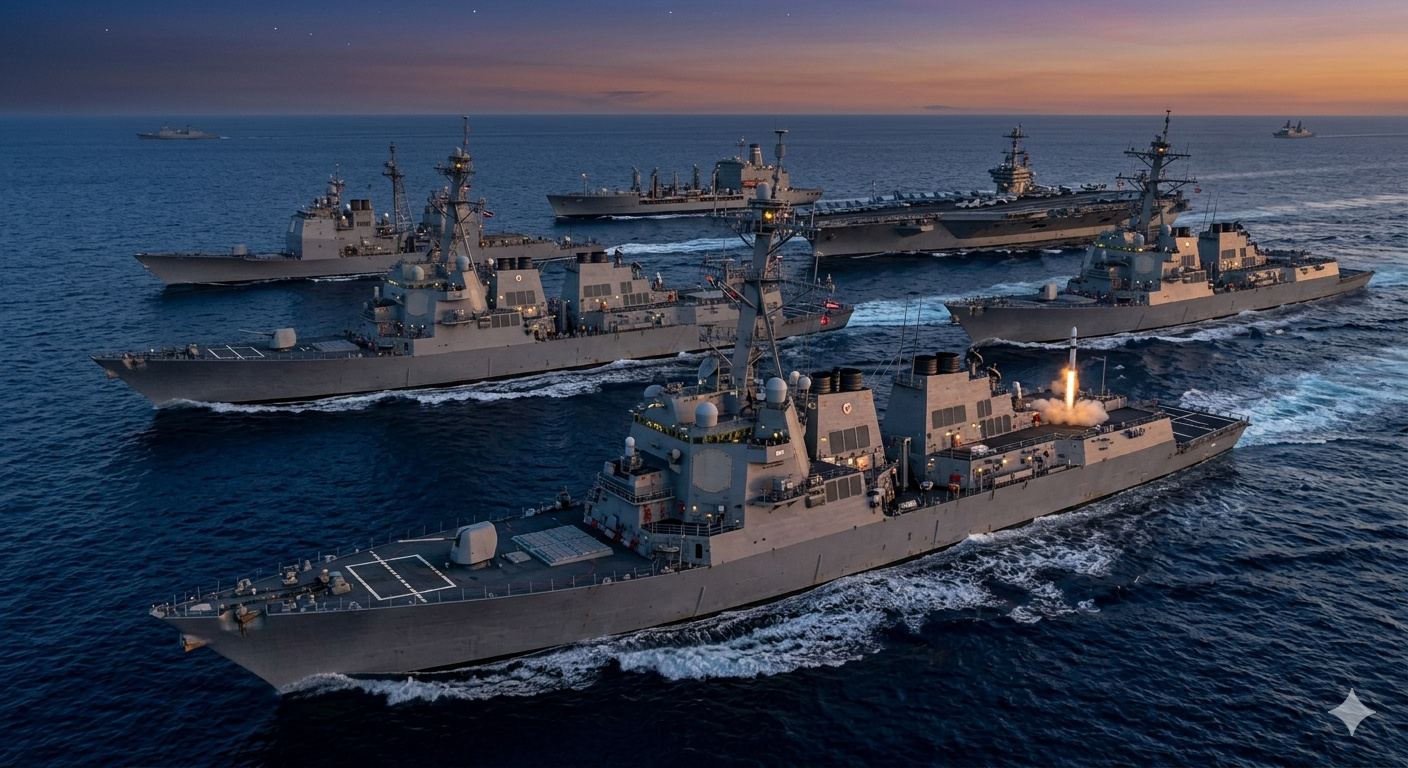
With over 15,000 tons, radars capable of tracking hundreds of targets simultaneously, and more than 120 missiles ready for launch in seconds, modern destroyers cease to be escorts and begin to dominate the naval battlefield.
-
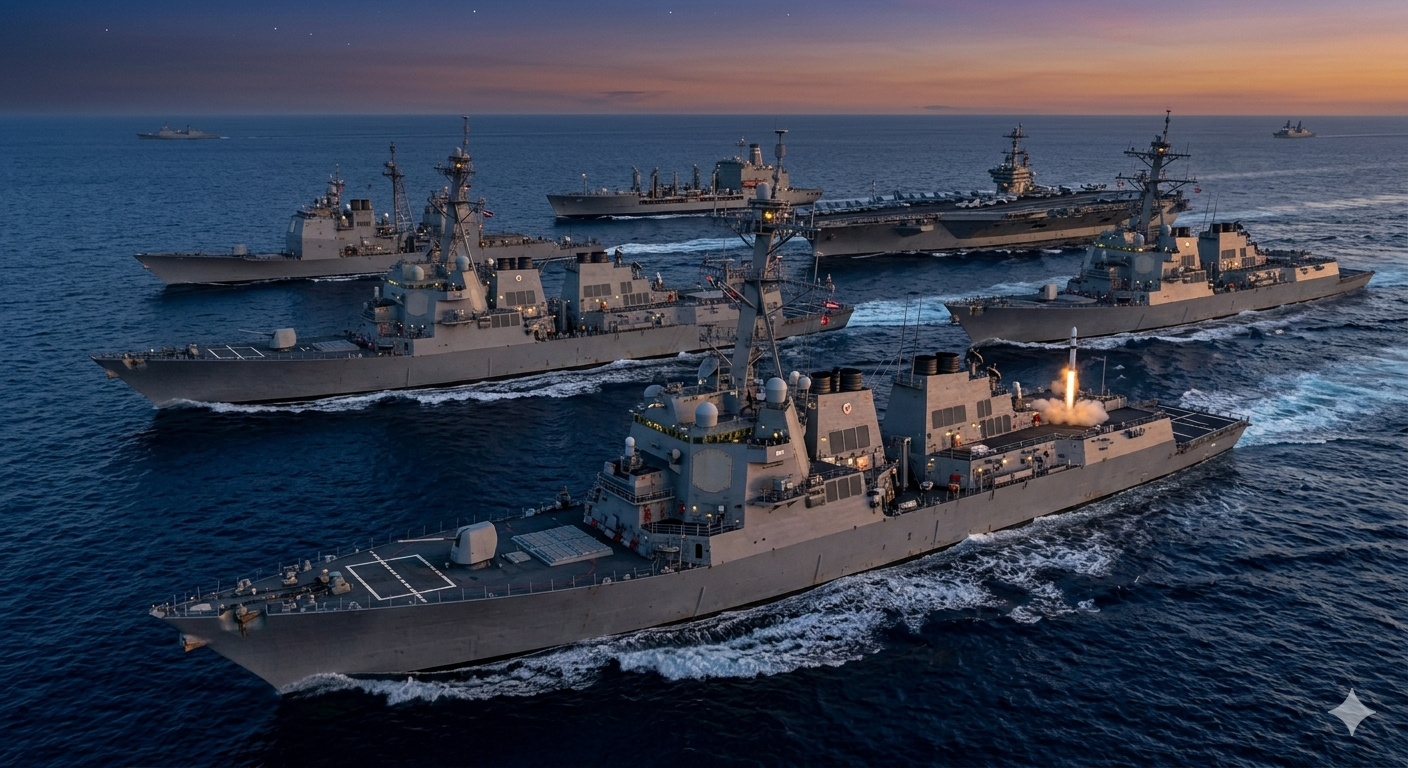
With over 15,000 tons, radars capable of tracking hundreds of targets simultaneously, and more than 120 missiles ready for launch in seconds, modern destroyers cease to be escorts and begin to dominate the naval battlefield.

This system allows the vessel to move without direct contact with the surface, making it possible to operate over water, ice, mud, sand, and marshy terrain. In practice, this drastically increases coastal access capability, allowing access to about 70% of the world’s beaches, many of which are inaccessible to conventional ships.
This feature redefines the concept of amphibious landing, eliminating geographical limitations that have historically restricted military operations of this type.
Dimensions and power of the Zubr: 555 tons, 57 meters, and 5.5-meter propellers
The numbers of the Zubr place the vessel in a category of its own within naval engineering. It measures 57.3 meters in length, 25.6 meters in width, and 21.9 meters in height, with a maximum displacement of 555 tons. This combination guarantees the model a record in the Guinness as the largest military hovercraft ever built.

Propulsion is provided by five gas turbines derived from the Kuznetsov NK-12MV engine. Three are responsible for direct propulsion, while two power the air cushion system.
The three rear propellers each have four blades, are reversible, have variable pitch, and measure 5.5 meters in diameter, installed in vertical fairings at the stern. This mechanical setup generates a unique visual signature and performance that combines brute force with high speed.
Speed of the military hovercraft Zubr exceeds patrol boats
In ideal conditions, the Zubr reaches 60 knots, equivalent to approximately 111 km/h. More recent versions operated by China reach 63 knots, consolidating the vessel as one of the fastest heavy military transport platforms in the world.
The operational range is 300 nautical miles at 55 knots, which corresponds to about 550 kilometers covered in just over five hours.
For comparative purposes, the American LCAC transports up to 75 tons at about 50 knots. The Zubr practically doubles this payload capacity and still exceeds the speed, highlighting a significant difference in operational philosophy between the two platforms.
Cargo capacity of the Zubr: transport of tanks, armored vehicles, and up to 500 soldiers
The cargo compartment has about 400 square meters and can be configured according to the mission profile.
In the heaviest configuration, the Zubr transports three main battle tanks, totaling up to 150 tons. In scenarios with light armored vehicles, the capacity increases to ten units with a total mass of 131 tons, plus 140 marines.
When troop transport is the priority, the vessel accommodates up to 500 soldiers. This versatility transforms the Zubr into a multifunctional amphibious platform, capable of quickly adapting to different combat scenarios.
The front ramp allows direct landing on the beach, functioning as a mobile logistical extension that delivers vehicles and troops directly into hostile terrain.
Armament of the Zubr: cannons, rockets, and integrated anti-air defense
Unlike Western hovercraft, the Zubr has its own armament, reducing dependence on escort. Each unit is equipped with two AK-630M 30 mm systems, with six rotating barrels and a capacity of 3,000 rounds. For coastal attack, it uses A-22 Ogon launchers with 140 mm rockets.

The anti-air defense is provided by portable Igla systems, capable of engaging low-altitude aircraft. This configuration transforms the Zubr into a platform for attack and support simultaneously, expanding its autonomy in combat scenarios.
Designed during the Cold War, the Zubr incorporates systems for protection against nuclear, biological, and chemical threats. Compartments are hermetically sealed, and the crew is equipped with individual protective gear.
There is also an active magnetic field compensation system that reduces vulnerability to magnetic influence naval mines.
Furthermore, operating over an air cushion means that the Zubr does not trigger contact or pressure mines. This feature offers a significant tactical advantage in amphibious operations in mined areas.
History of the Zubr: from the Soviet Union to China’s military expansion
The program began in 1985, with 15 hulls initiated by 2004. After the collapse of the Soviet Union, production was fragmented between Russia, Ukraine, and exports to other countries.
Greece became the first NATO member to operate the Zubr. Ukraine produced additional units before deactivating its fleet.
The turning point occurred in 2009 when China signed a contract to acquire and produce the model locally. The Chinese units, designated Type 728, entered service between 2014 and 2018.
In 2022, new hulls were identified, raising the Chinese fleet to at least six units. This indicates an active resumption of the program and technological adaptation to the Asian context.
China’s strategy with the Zubr in the Taiwan Strait and South China Sea
The distance between mainland China and Taiwan is about 170 kilometers. With a range exceeding 480 kilometers, the Zubr can conduct multiple transport operations in sequence. This allows for troop landings, returning, and fetching reinforcements in a single operational window. This capability is central to rapid force projection scenarios, especially in territorial disputes in the South China Sea.
Dedicated bases have been built in Zhanjiang, with specific infrastructure for the operation and maintenance of the fleet.
Despite its capabilities, the Zubr has significant limitations. Navigability is restricted to sea conditions up to Sea State 4, with waves between 1.25 and 2.5 meters.
Adverse conditions compromise stability, speed, and control. Additionally, fuel consumption is high. With a capacity of 56 tons, the range is limited to a few hours of operation at high speed.
This reinforces the role of the Zubr as a rapid attack tool, rather than a long-term platform.
Comparison Zubr vs American LCAC reveals differences in military doctrine
The American LCAC is smaller, lighter, and designed to operate from ships. It transports up to 75 tons and relies on escort for protection.
The Zubr, on the other hand, operates directly from the shore, carries more cargo, is faster, and has its own armament. While the LCAC prioritizes integration, the Zubr bets on autonomy and direct impact.
The resumption of construction by China demonstrates that the Zubr still holds strategic relevance. Even with advances in drones and autonomous systems, the hovercraft remains an effective tool for large-scale amphibious landings.
Nearly four decades after its creation, the Zubr remains the largest military hovercraft on the planet, combining strength, speed, and versatility in a single system. And so far, no other nation seems willing to build something larger.








Seja o primeiro a reagir!