





 Portuguese
  English
  Spanish
  5 min of reading
  0 comments


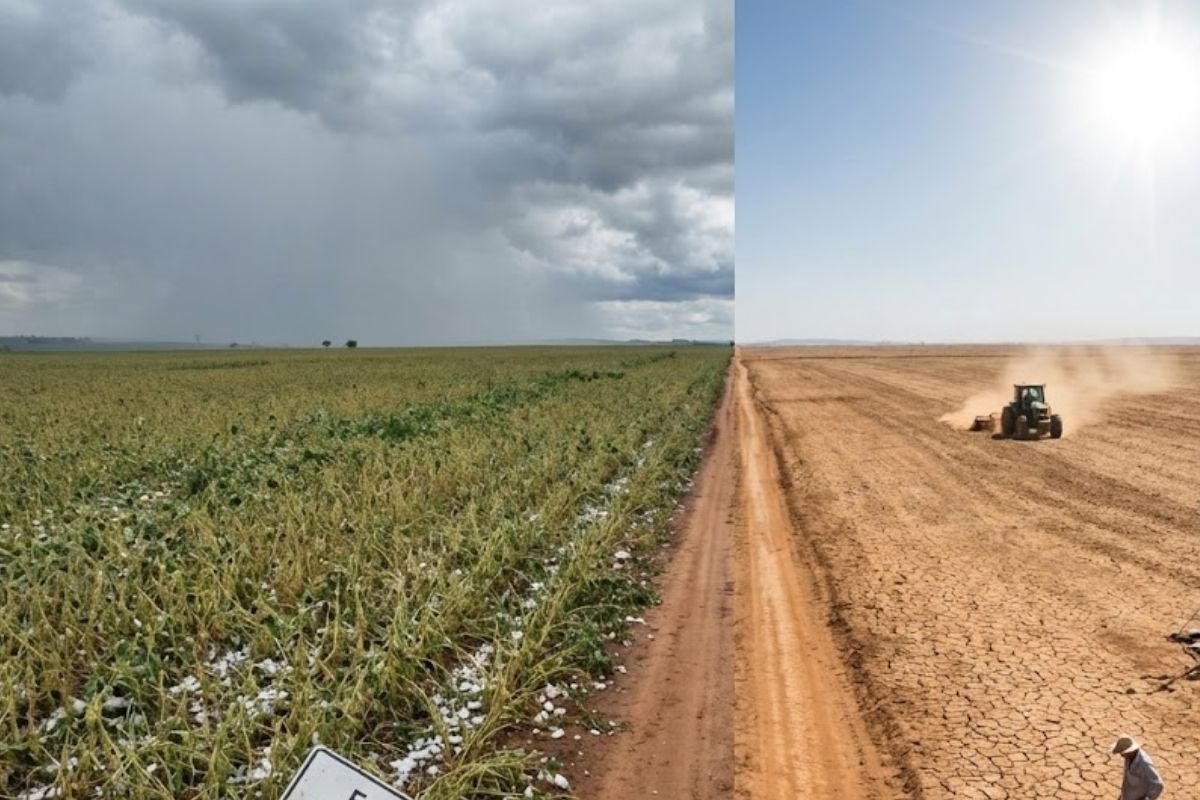
Hail That Destroyed 230 Hectares of Soy in Goiás, Drought in Iporá and Seeding Delays in States Like Goiás, Rio Grande do Sul and Maranhão Show How Climate Pressures Agriculture in 2025, While Conab Forecasts 354 Million Tons and Smaller Corn in 2026 in Brazil.
In 2025, Brazilian agriculture felt the weight of irregular weather. Between September and October, the ideal period for sowing soy, rain failed in important producing regions, and in December, producers were still racing to finish planting in key states.
While a hailstorm forced the replanting of 230 hectares in Leopoldo de Bulhões, Goiás, the drought led Iporá to declare a state of emergency. Even with this risky scenario for agriculture, Conab projects a production of 354 million tons of grains in the 25/26 harvest and already admits that corn may fall below Brazil’s record in 2025.
Hail Destroys 230 Hectares of Soy and Delays Harvest in Goiás

On Paulo Roberto Schwengber’s farm, in Leopoldo de Bulhões, in the interior of Goiás, the soy had already begun to sprout when a hailstorm hit the area.
-
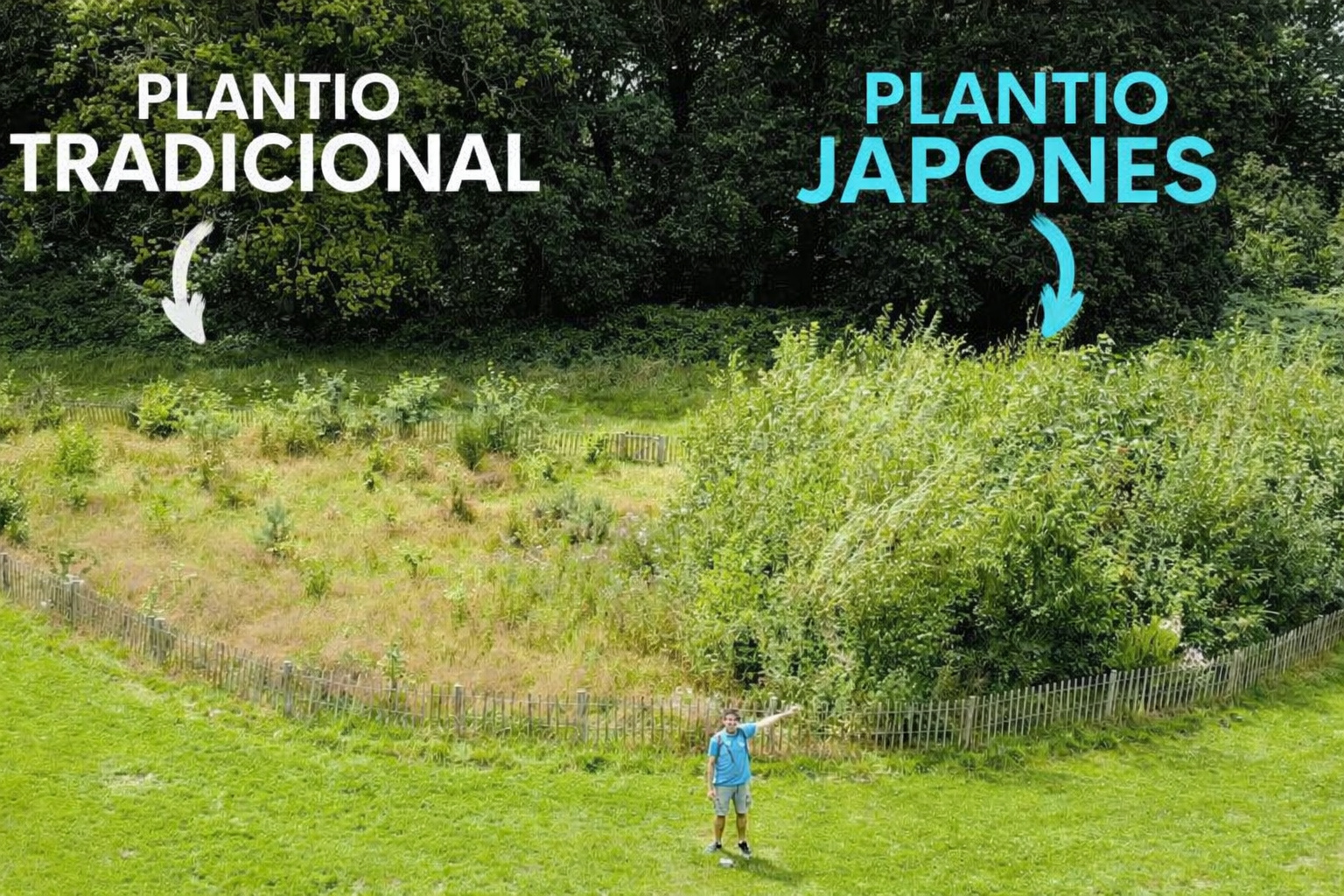
Engineer creates reforestation method that transforms small plots into dense forests in a few years using local biomass and can reduce environmental recovery costs.
-
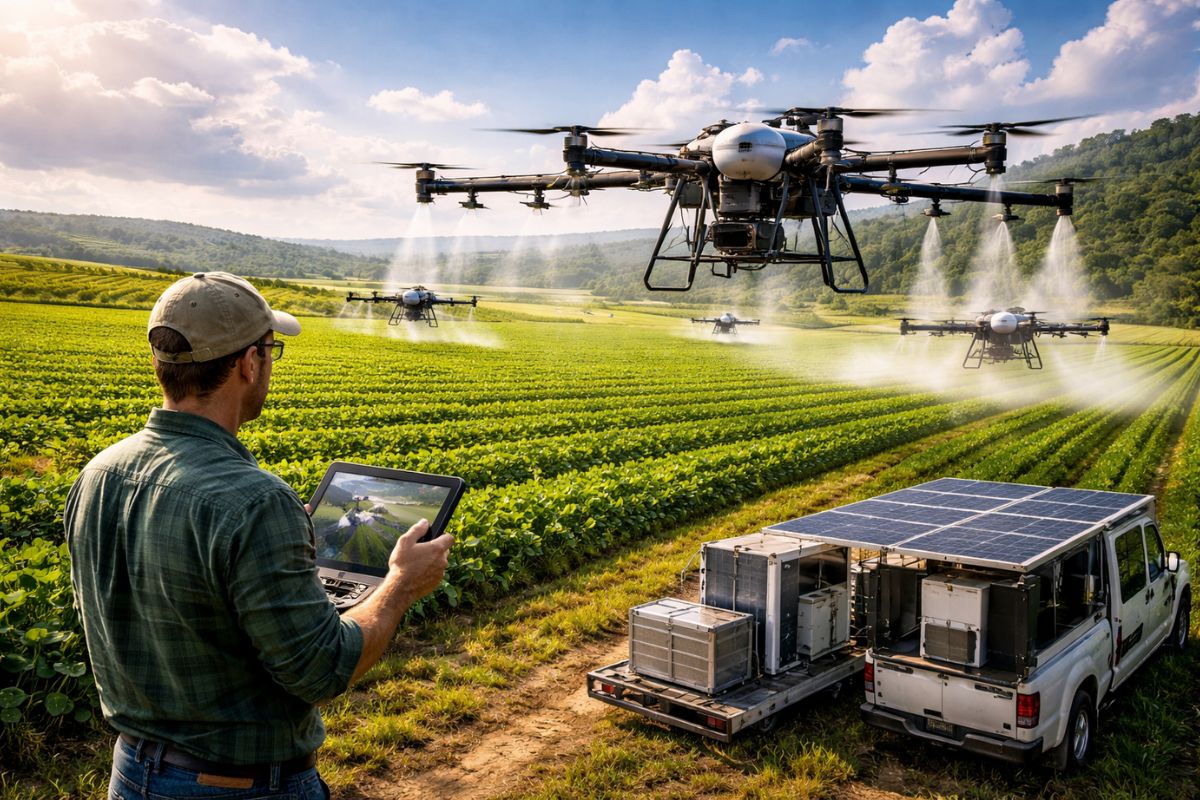
Alone, the producer applies 7,400 hectares with the T100 drone in an optimized structure, replaces the generator with a silent battery, and demonstrates how technology reduces costs, increases productivity, and even challenges the uniport in the field.
-
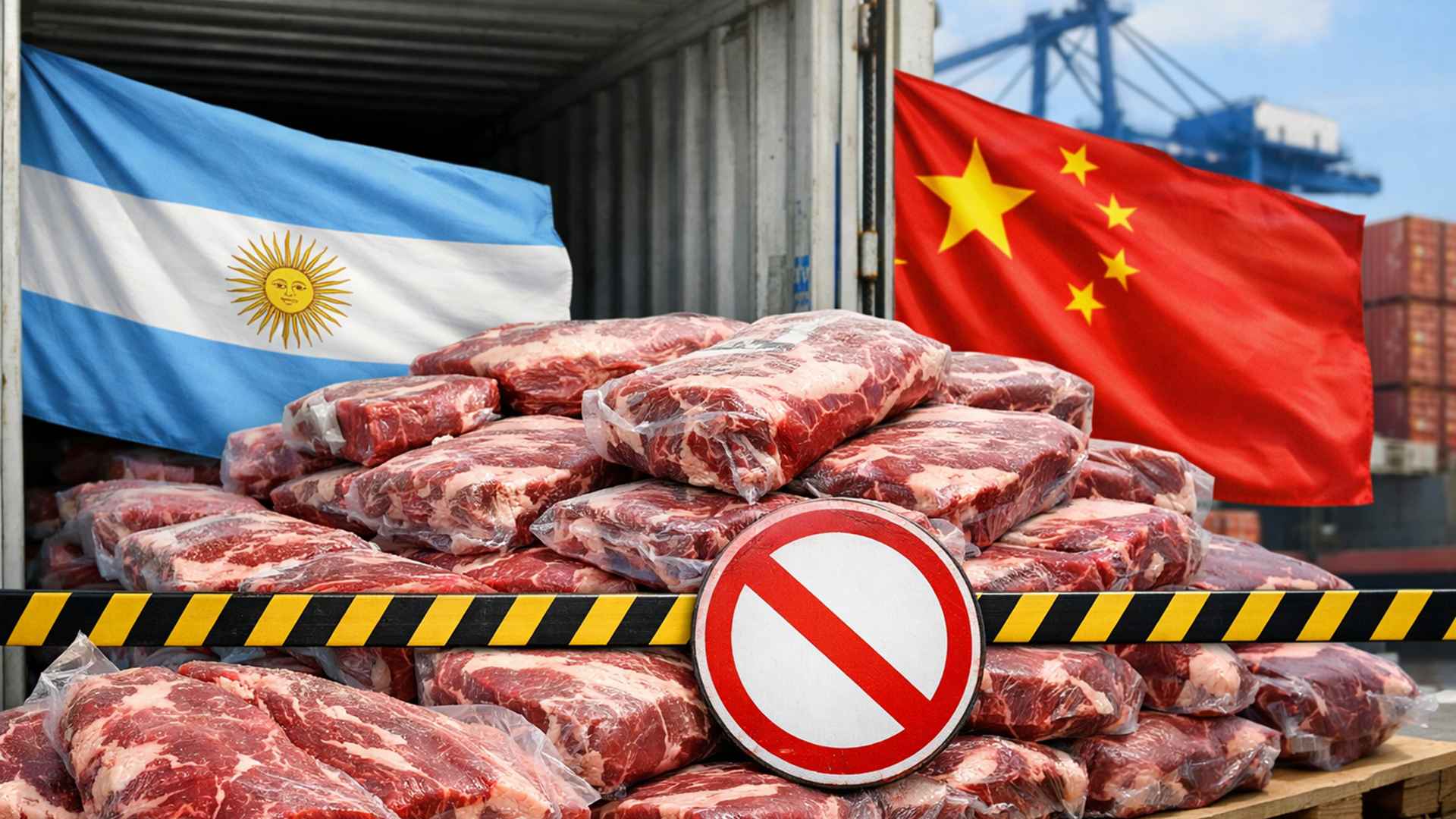
China banned the export of 22 tons of meat from Argentina.
-
JBS, founded by the Batista brothers, continues to conquer the world: entrepreneurs built a ‘factory in the desert’ creating 3,000 jobs.

The phenomenon destroyed 230 hectares of the plantation and pushed the harvest to April 2026, two months later than planned, a clear picture of how climate has inflicted damage on agriculture in 2025.
The area needed to be entirely replanted, which increased costs and extended the harvest schedule.
Schwengber summarizes the dilemma faced by many producers: “We stop and think: what is worse, to bear this loss or to try to mitigate it? And, obviously, everyone opts for replanting to try to lessen this loss,” says the rural producer.
Between absorbing the loss or starting over, agriculture has chosen to insist on the crop.
Drought in Iporá Leads Municipality to State of Emergency
If in Leopoldo de Bulhões hail was the villain, in Iporá, also in Goiás, the problem was exactly the opposite.
The lack of rain hindered farmers’ plans and led the municipality to declare a state of emergency.
The drought dried up the soil, delayed planting, and raised uncertainty about crop yields.
This contrast within the same state reveals how Brazilian agriculture coexists simultaneously with excess and lack of water.
While some areas suffer from localized storms, others do not receive the minimum rain needed to ensure uniform plant emergence and proper cropping.
Key States Enter December with Incomplete Seeding
In important soybean producing regions, the weather has been a constant challenge for farmers. In September and October, the ideal time for sowing the crop, rain simply did not come at various times, and the work had to be postponed several times.
By December, planting had still not been completed in strategic states for agriculture.
According to data from the National Supply Company, Conab, Goiás entered December with 92% of the areas planted, Rio Grande do Sul with 69%, and Maranhão with only 38%.
These percentages show that a significant part of the crop was planted later than recommended, which increases the plants’ exposure to climatic risks throughout the cycle.
Rural producer Anderson Sandri describes the behavior of the rains in 2025: “This year has been quite atypical. It is raining, but not much either.
It is sporadic, patchy: in one place it rains, in another it doesn’t. So it’s a matter of seizing: where it rains, plant.”
In agriculture, the calendar has begun to depend on short windows of rain, utilized almost to the limit by producers.
Conab Forecasts 354 Million Tons Despite Adversities
Even with all the climatic adversities, Brazil is expected to produce 354 million tons of grains this harvest, a volume only 400 thousand tons lower than estimated in November.
In other words, the climate tightened, but agriculture continues to deliver robust production, mainly sustained by the increase in cultivated area in various regions.
The president of Conab, Edegar Pretto, reminds that the previous harvest was historic: the 24/25 harvest was a record in production, with records for soy, corn, and also cotton.
For him, the 25/26 harvest will be a good harvest, even with localized problems in some states and regions. According to Pretto, the country is still on track to make 2026 a large agricultural harvest, reinforcing the weight of agriculture in the Brazilian economy.
Conab’s assessment is that, although some producers have suffered localized damage, the increase in area and performance in less affected regions end up compensating for some of the losses.
The result is an agriculture that lives with climate risk, but still maintains a high national production projection.
Corn in 2026 Is Expected to Be Below the 2025 Record
If the grain forecast is high, corn requires a more cautious look.
For Cristiano Palavro, managing partner of Pátria Agronegócios, the trend is for lower corn production in 2026 compared to 2025, the year in which the country recorded a Brazilian record.
“If the weather has a tendency to be a bit worse, we will most likely have corn production lower than we had in 2025, which was the Brazilian record.
So, today, we are already going out with a lower production estimate for corn in 2026 than in 2025. And with one caveat: demand is growing consistently,” says Palavro.
In practice, this means that agriculture enters 2026 with a challenging scenario: potentially lower corn supply against a demand that keeps growing, both domestically and externally.
In your opinion, is Brazilian agriculture prepared to face a 2026 with harsher weather and corn lower than the 2025 record?








-

-

6 pessoas reagiram a isso.