





 Portuguese
  English
  Spanish
  3 min of reading
  0 comments


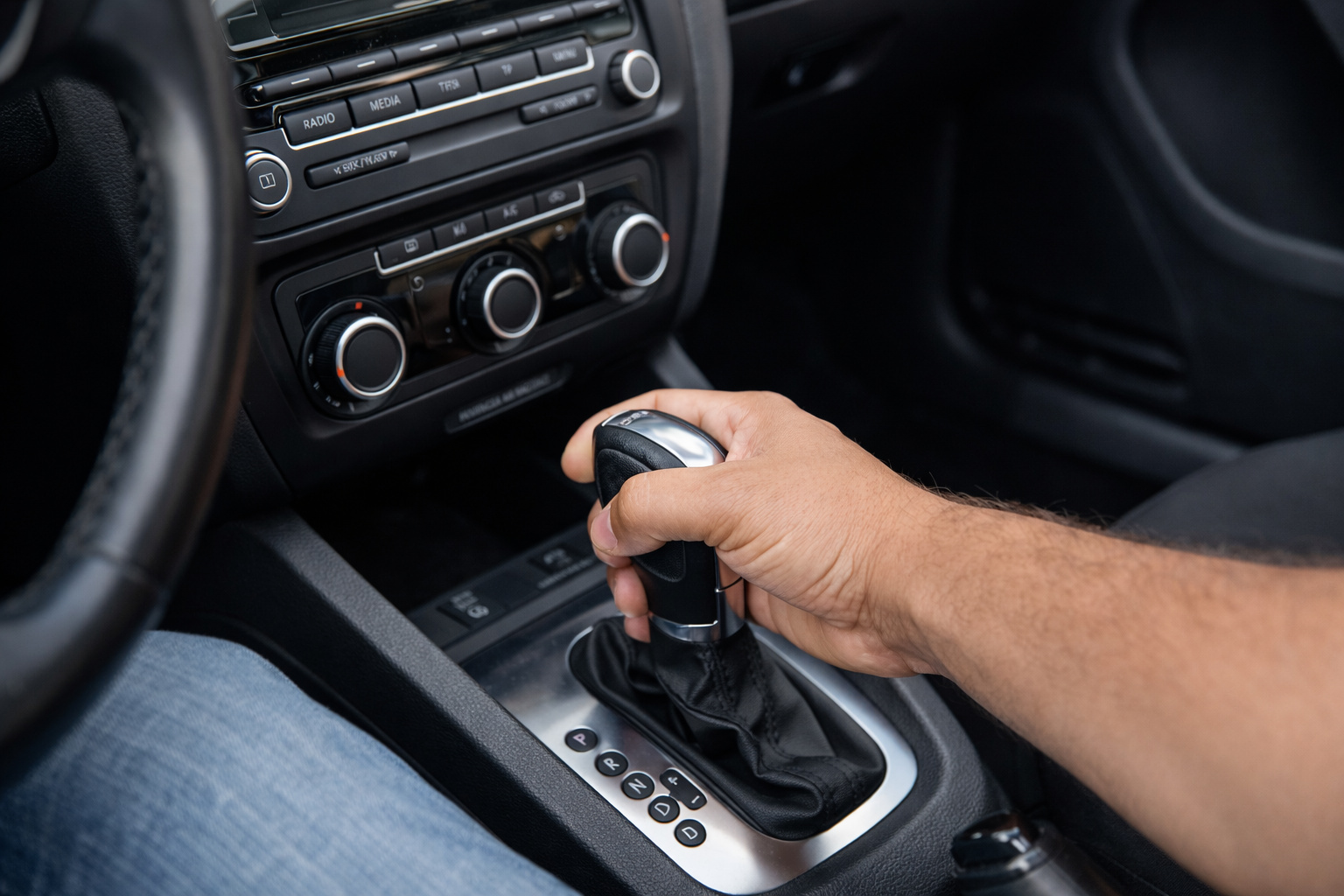
Bill Approved in Chamber Committee Proposes Differentiation on the Driver’s License for Those Who Took the Test in Automatic or Manual Car and Establishes New Rules for Driving
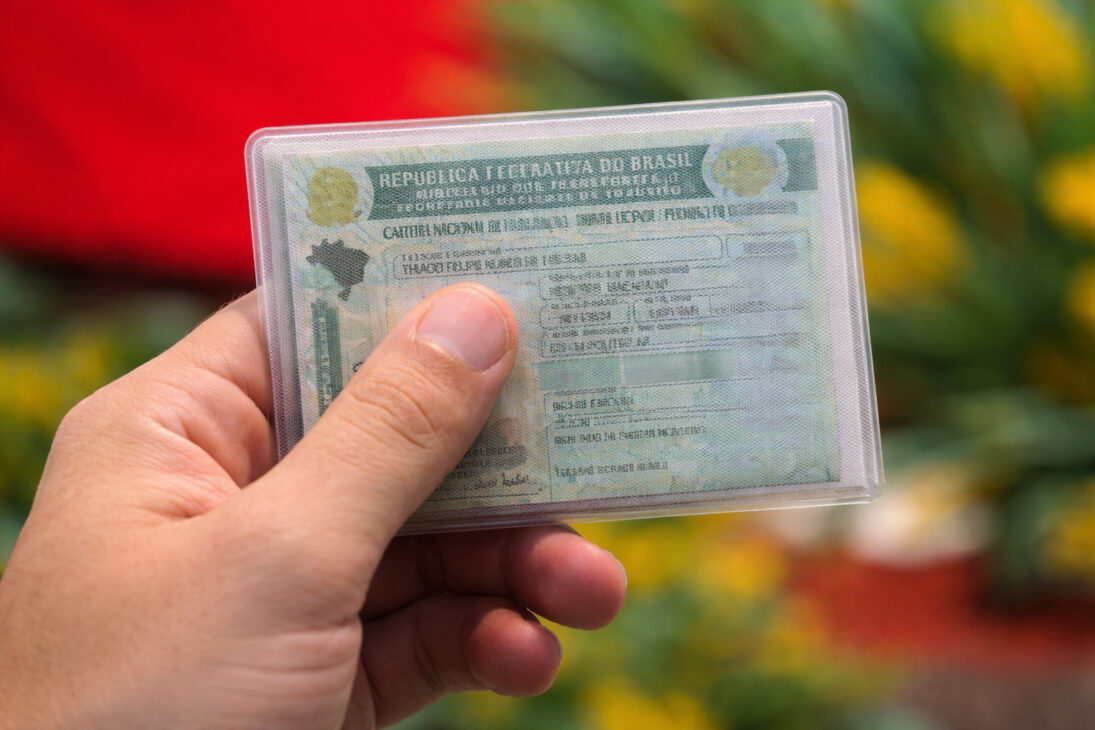
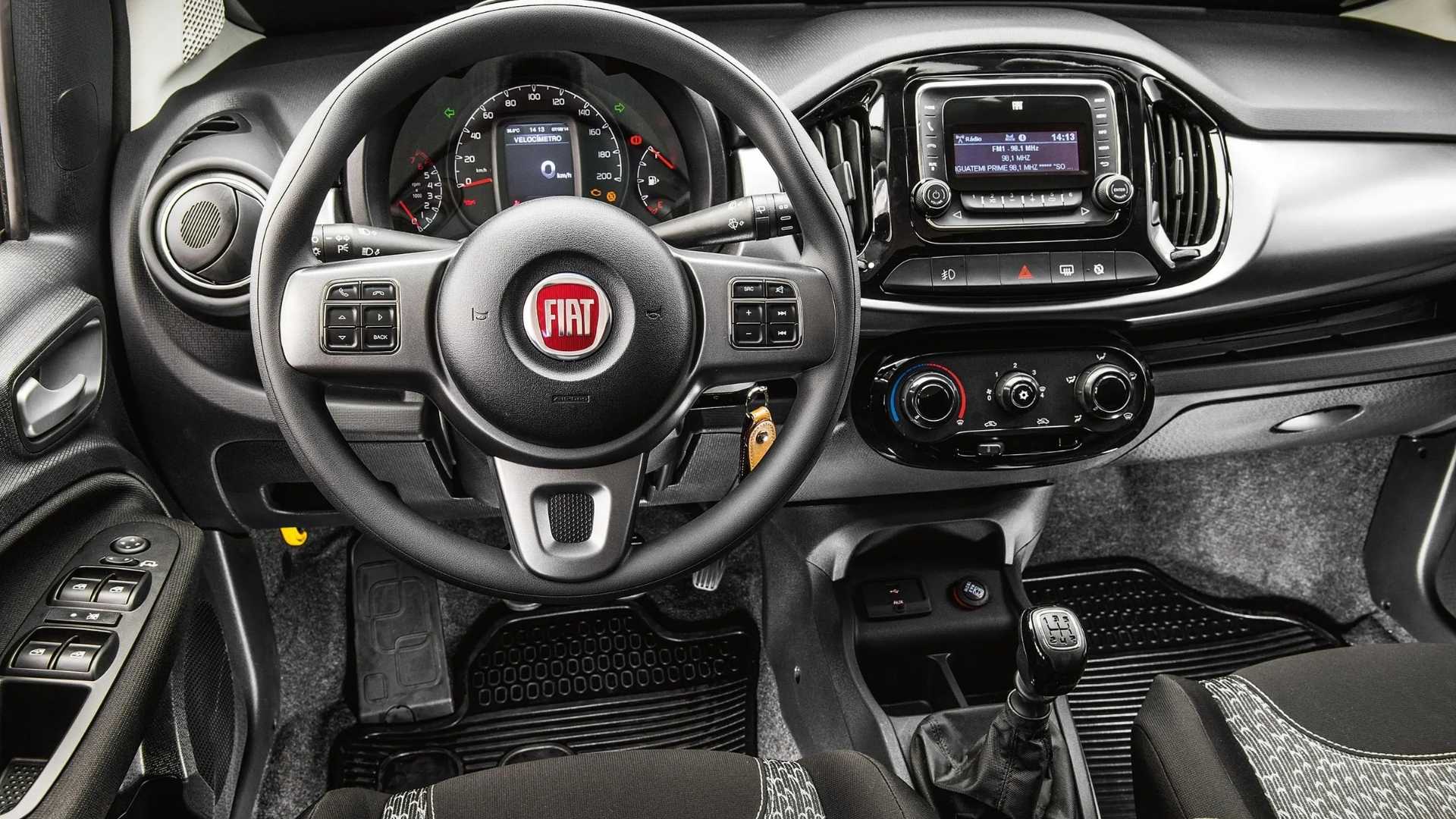
A legislative proposal that could change the way the National Driver’s License (CNH) is obtained has begun to advance in the National Congress. The measure establishes that drivers licensed in automatic cars will be able to drive only vehicles with automatic transmission, creating a potential formal differentiation between drivers based on the type of vehicle used in the practical test.
The proposal was analyzed in 2025 by the Chamber of Deputies’ Transportation and Communications Committee. According to the text under discussion, the license will indicate which type of transmission was used during the practical test. Thus, if the candidate takes the test in an automatic vehicle, a restriction may be recorded in the CNH, limiting driving exclusively to vehicles with automatic transmission.
This change is part of the Bill 1452/25, presented by Deputy Zé Neto (PT-BA) and later adjusted during the legislative process. The current version was approved after a favorable opinion from reporting deputy Neto Carletto (Avante-BA), who recommended modifications to the original text.
-
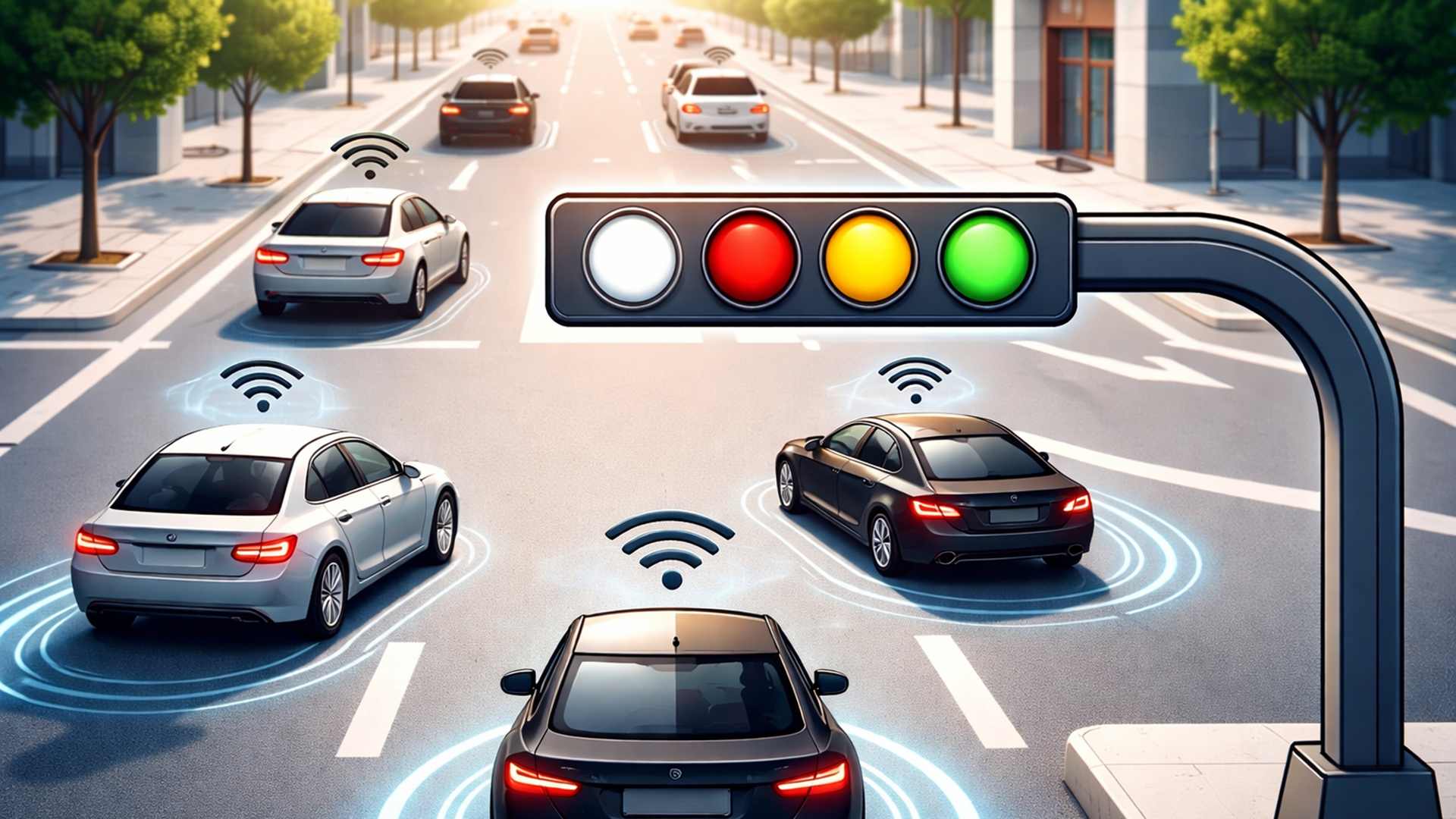
Engineers propose a fourth traffic light for intersections – the change promises to affect crossings, queues, and waiting times.
-
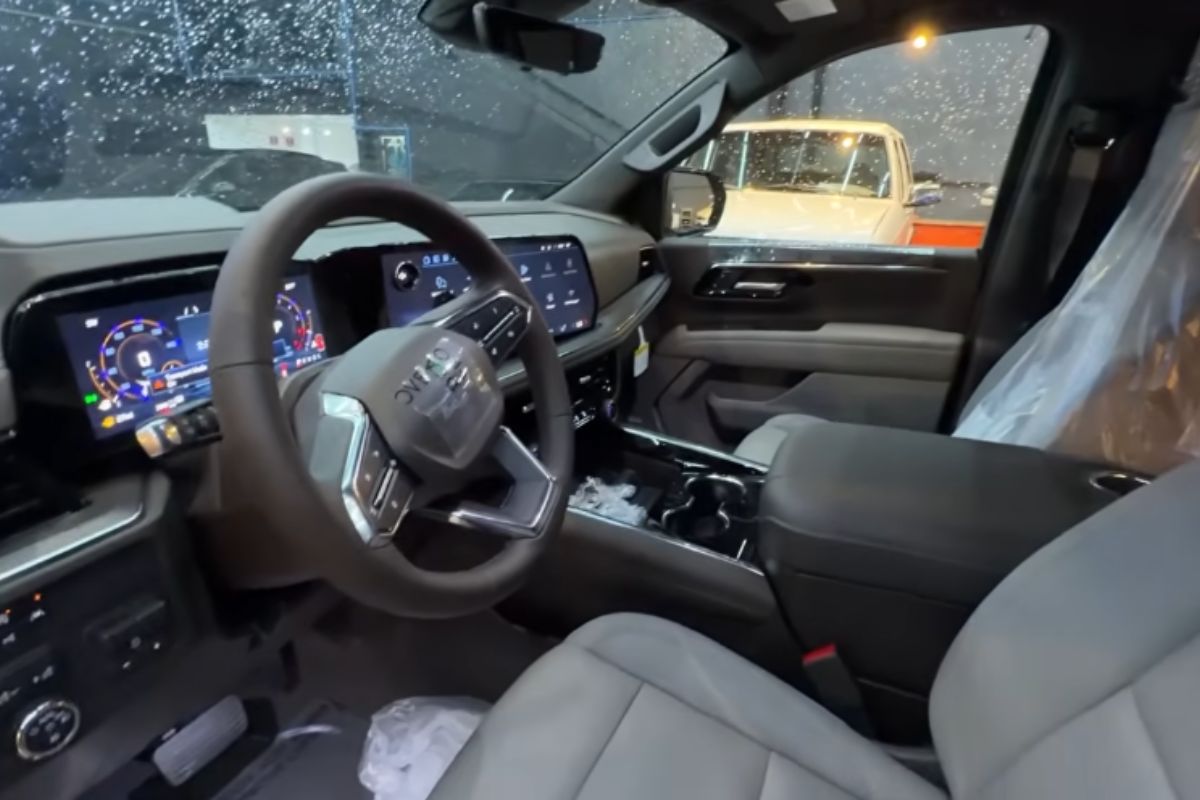
Chevrolet Suburban Z71 lands in Brazil with a V8 engine, off-road design, air suspension, seven seats, and colossal size, a rare version imported for around R$ 1.3 million with luxury and exclusivity.
-
The Chevrolet Onix 1.0 turbo achieves 17.7 km per liter on the highway and ranks among the three most economical cars in Brazil in 2026, alongside two more expensive Toyota hybrids available at dealerships.

-
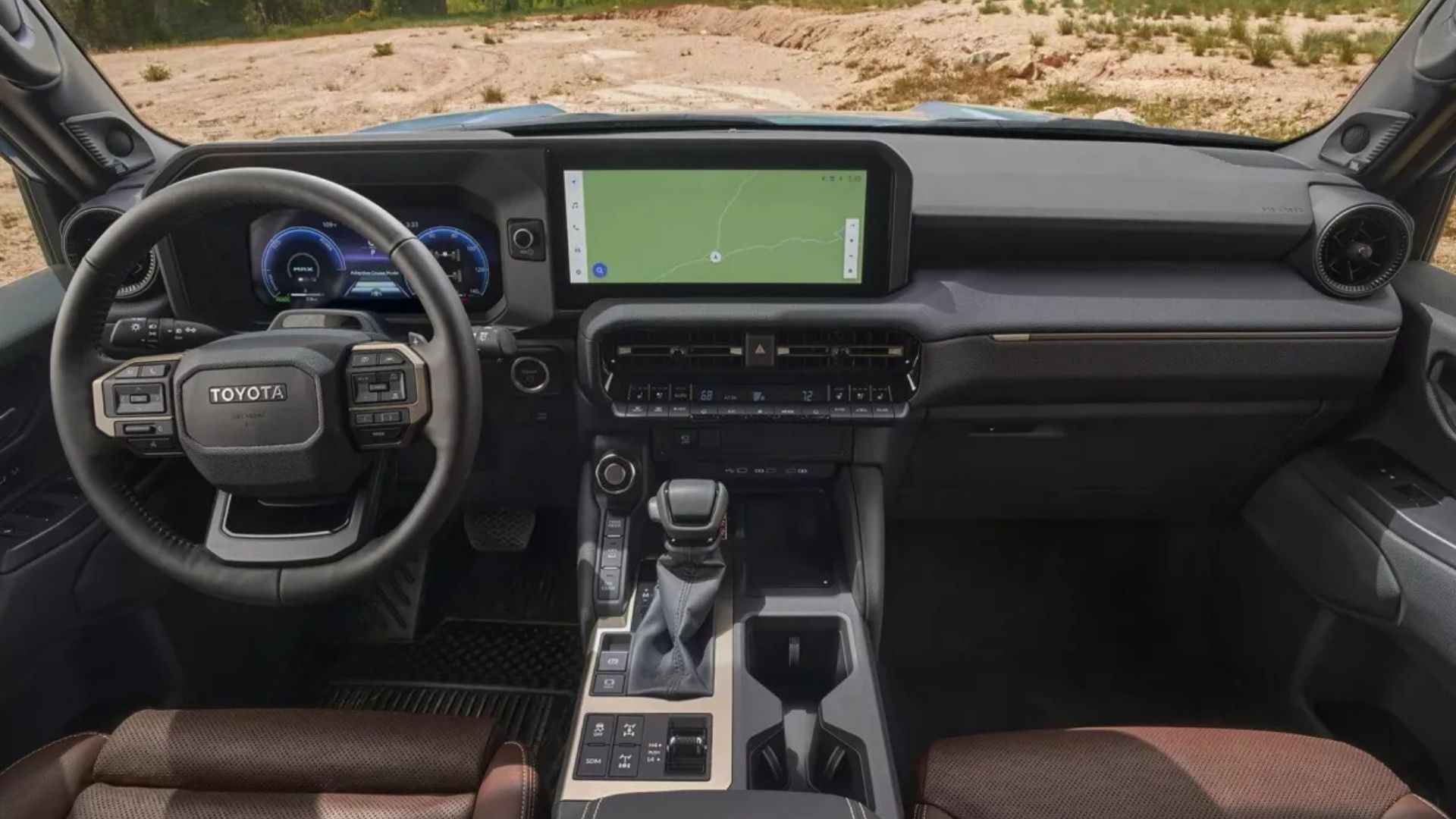
Little sister of the Hilux: Toyota launches Land Cruiser FJ with 4 radical versions, 2.7 engine with 166 hp and 4×4 traction with locking.

Change in Licensing Rules for Automatic Cars
According to the project analyzed in the Chamber, the CNH will identify whether the practical test was conducted in an automatic or manual vehicle. Therefore, drivers who take the test in an automatic car will be authorized only to drive vehicles with that type of transmission.
On the other hand, the text provides a pathway for those wishing to drive vehicles with manual transmission. In this case, the driver will need to complete a complementary course using a vehicle with manual transmission, followed by taking a new practical driving test.
According to the legislative proposal, this requirement aims to align the training of the driver with the type of vehicle used during the licensing process, ensuring that the driver receives specific training to operate each type of transmission.
Changes in the Training of New Drivers
In addition to the differentiation between automatic and manual transmission, the project also presents changes to the structure of driver training in Brazil. The text establishes which institutions may operate in different stages of the licensing and training process.
Among them are driving schools and Driver Training Centers (CFCs), which will continue to be responsible for the licensing, specialization, and retraining of drivers in all categories.
The project also includes the National Service for Transport Learning (Senat). In this case, the institution may participate in the processes of licensing, specialization, and retraining of drivers in categories C, D, and E, as well as training instructors and traffic examiners.
Another change involves the participation of distance education institutions (EaD). According to the text, these entities may offer exclusively theoretical courses for first-time licensing, specialization, and retraining, expanding access to theoretical training.
Progress of the Bill in the National Congress
Despite the progress in the Transportation and Communications Committee, the bill still needs to go through other stages before becoming law. The text remains in conclusive processing in the Chamber of Deputies, but it will still need to be analyzed by the Committee on Constitution, Justice, and Citizenship (CCJ).
If approved at this stage, the bill will still need to be voted on by the Chamber of Deputies and the Federal Senate. Only after the completion of this legislative process can the proposal be signed into law and incorporated into Brazilian traffic legislation.
While the progress continues in the National Congress, the current rules of the CNH remain valid in the country. If the bill advances in the upcoming stages, Brazil may soon have a license that officially differentiates drivers who took tests in manual or automatic cars.









Seja o primeiro a reagir!