





 Portuguese
  English
  Spanish
  4 min of reading
  1 comment





New Federal Platform Changes Candidate Profile, Boosts Driving Schools, and Expands Access to National Driver’s License Nationwide
A structural change in the process of obtaining the National Driver’s License has begun to produce immediate effects in the Brazilian market. With the launch of the CNH of Brazil platform, the Federal Government has recorded an accelerated movement of adherence, which quickly reflected in the increased demand for driving schools in different regions of the country. Right in the first week of operation, driver training centers reported an average increase of up to 200% in requests and quotes, highlighting the direct impact of the measure.
The reduction of costs, combined with the modernization of rules, has reorganized the public’s interest in licensing. As a consequence, driving schools needed to adapt quickly to the new scenario, expanding services and adjusting internal processes. This movement reveals a pent-up demand that has started to find more accessible conditions to enter the training process.
Change in Rules Drives Immediate Demand
The new structure of the CNH of Brazil altered central points of the licensing process. Among the main changes, the elimination of the minimum requirement of 20 hours of practical lessons before the exam stands out, in addition to the free offering of the theoretical course, factors that significantly reduce the total cost for the candidate. Consequently, the final value of the stages now varies only according to state fees.
-
The government puts R$ 8.6 billion on the table to change the highway (BR) with 50 overpasses, 28 bridges, 4 tunnels, and 40 km of bike lanes in 180 km of historic duplication.

-
BRL 20.1 Million Bridge Project Kicks Off: 200-Meter Construction to Improve Access in Three Cities in Minas Gerais

-
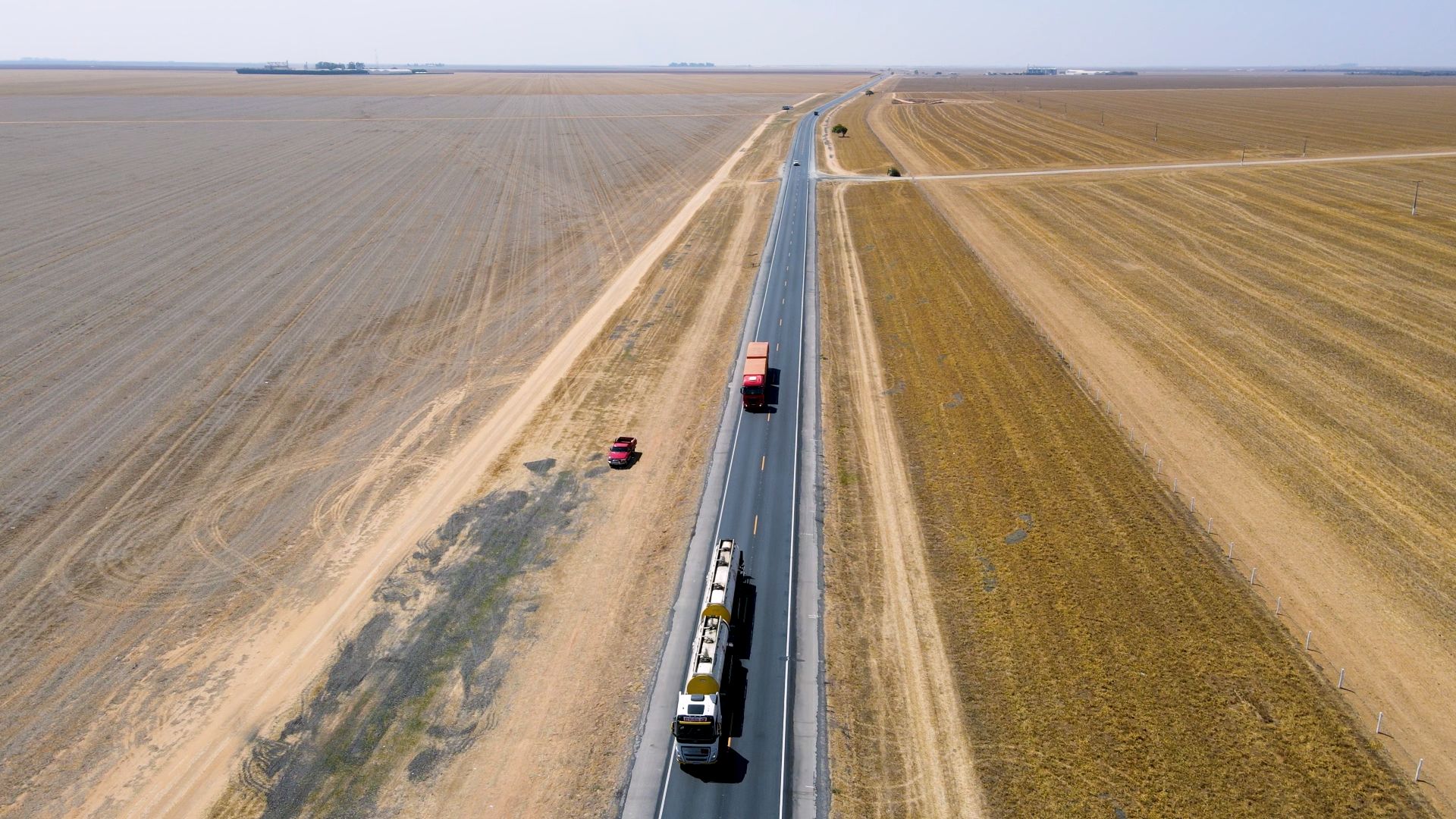
‘Endless Road’ In Brazil Is One of The Largest In The World: 145 Km Stretch On An Important Highway (BR) Crosses The West Of Bahia And Had 135.9 Km Revitalized With R$ 35.3 Million
-
Engineer From ITA Who Worked at Embraer Leads Free Flow Expansion With National Artificial Intelligence and Technology for Toll Without Barriers in Brazil


This new model largely explains the surge in demand observed by driving schools. According to Dhienifer Raiani Pinto, a consultant at a unit in Bahia, the growth was immediate after the launch of the platform. The driving school recorded an average increase of 200% in requests compared to November, the month prior to the implementation of the measure.
Candidate Profile Undergoes Transformation
In addition to the volume, the profile of the interested parties has also changed. According to Dhienifer Raiani Pinto, the audience has become predominantly younger. “Today we serve candidates between 20 and 25 years old. Previously, the average was 25 to 35 years, reaching up to 45,” she reported. This change demonstrates that the reduction of financial barriers attracted new groups, especially young people who previously postponed licensing due to lack of resources.
This phenomenon is not limited to a single region. In different states, training center managers report a diversification of the audience, including newly licensed young people by age, adults who need the CNH to work, and people who see licensing as a practical necessity of daily life.
Official Data Confirms Widespread Adherence
The impact of the platform is also reflected in the official numbers. According to a report released by the National Traffic Department (Senatran), more than 1 million Brazilians have requested the initiation of the process for their first driver’s license since the launch of the CNH of Brazil. The survey was disclosed on Tuesday, the 16th, indicating strong adherence shortly after the launch.
These figures reinforce that the initiative has achieved its initial goal of expanding access to the document while simultaneously stimulating the driving school sector at an accelerated pace.
Social Inclusion and Economic Opportunity
For driving school owners, the change represents a concrete opportunity for inclusion. Luciana Ramos, owner of a driving school in the Federal District, believes that the new model primarily benefits classes C and D. According to her, many people could not afford the previous costs, and now they have the means to start the process.
Likewise, Francisco de Assis Rodrigues, manager of a training center in Ceará, highlights the variety of motivations among candidates. Some seek the CNH for work, some due to daily necessity, and some wish to obtain the document upon turning 18, further expanding the social reach of the measure.
Government Commitment to Access and Legality
The CNH of Brazil project was presented on the 9th, by Transport Minister Renan Filho, alongside President Luiz Inácio Lula da Silva. The proposal aims to tackle a historical reality: more than 20 million Brazilians drive without a license, primarily due to the high cost of the traditional process.
According to the minister, the initiative directly addressed this obstacle. “The price of the CNH was a barrier. With the change, costs have fallen, and local driving schools have started to sell more,” affirmed Renan Filho. The statement was released by the Special Communication Advisory of the Ministry of Transport, reinforcing the structural nature of the measure.
The Impact of the CNH of Brazil on the Future of Licensing
By reducing costs and streamlining processes, the CNH of Brazil reorganizes the driver training market and expands access to legality in traffic. At the same time, the significant increase in demand indicates that the pent-up demand is likely to persist in the coming months, as the new model consolidates throughout the country.
Do you believe that the expansion of access to the CNH can help reduce informality in Brazilian traffic and permanently transform the driving school market?










Já temos motoristas demais fazendo besteira no trânsito, e a tendência é piorar! Agora que o bicho vai pegar nesse país.