





 Portuguese
  English
  Spanish
  3 min of reading
  6 comments


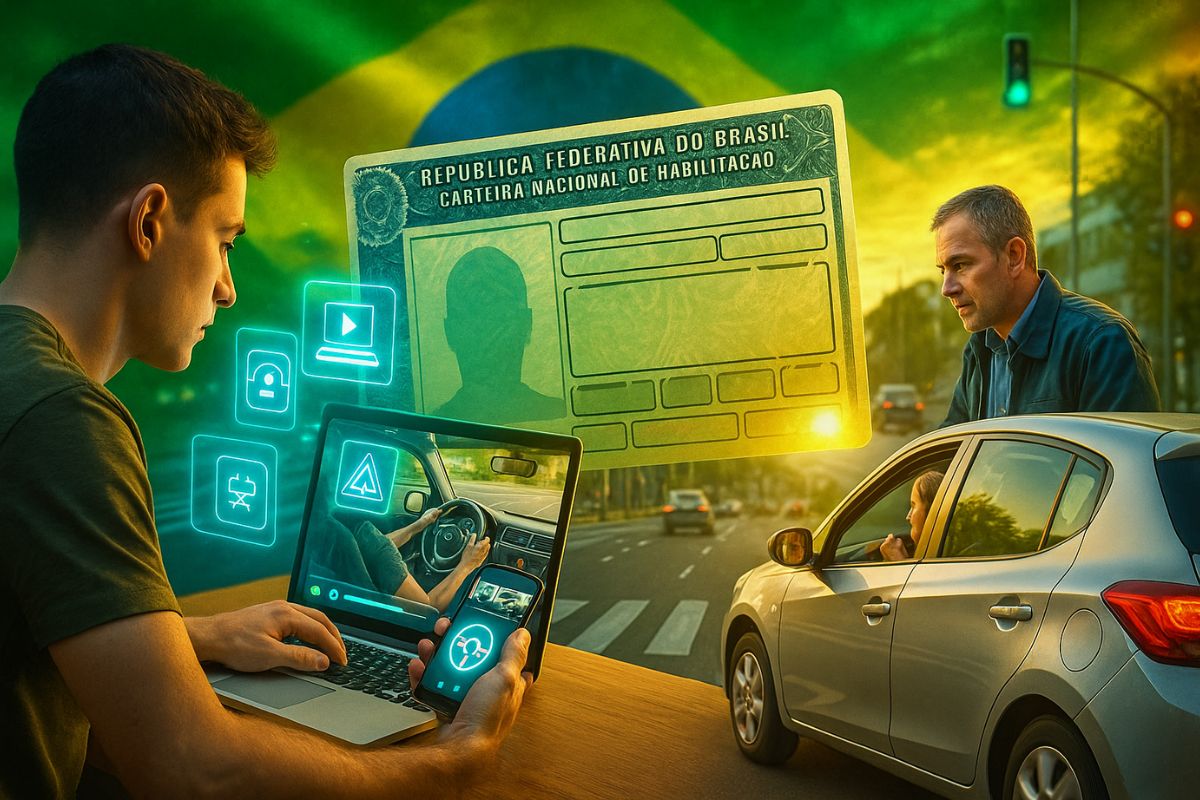


The Government Estimates That 20 Million Brazilians Drive Today Without A License Due To Cost, And The Driver’s License Reform Wants To Legalize This Contingent By The End Of 2025.
The Driver’s License Will Undergo Historic Reform By December 2025, According To The Federal Government, Focusing On Legalizing Around 20 Million Drivers Who Drive Without A License Today Due To High Costs. The Proposal Aims To Drastically Reduce Expenses With The Training Process, Allowing Candidates To Study Theoretical Components Online And For Free.
The Model Also Envisions Significant Changes In The Practical Stage: The Exam Will Be Conducted On Open Streets, And The Candidate Will Be Able To Choose Whether They Want To Be Evaluated In A Manual Or Automatic Car. This Measure Brings Brazil Closer To International Practices And Follows The Modernization Of The National Fleet, Where Automatic Vehicles Are Already The Majority In New Car Sales.
How The New Driver’s License Will Be
The Project Provides That The Theoretical Part Of The Training Will Be 100% Online And Free, Exempting Students From Attending Mandatory In-Person Classes At Driving Schools. In The Practical Exam, The Main Change Will Be The end Of The Closed-Course Application, Shifting To Occur On Regular Urban Roads.
-
50 viaducts, 4 tunnels, 28 bridges, and 40 kilometers of bike paths: BR-262 in Espírito Santo will receive 8.6 billion reais for the largest engineering project in the state’s history, inspired by the Immigrant Highway in São Paulo.

-
Brazil produces too much clean energy and doesn’t know what to do with it: over 20% of solar and wind capacity was wasted in 2025 while investors flee and 509 renewable generation projects were abandoned in the last year.

-
Piauí will produce a new fuel that replaces diesel without needing to change anything in the truck’s engine and reduces pollutant gas emissions by half: truck drivers from all over the Northeast are already celebrating the news that will arrive later this decade.

-
A new Brazilian shopping center worth R$ 400 million will be built in an area equivalent to more than 4 football fields, featuring 90 stores, 5 cinemas, a supermarket, a college, and parking for 1,700 cars, potentially generating 3,000 jobs.


Another Impactful Point Is The Freedom Of Choice: The Candidate Will Be Able To Take The Test In A Manual Or Automatic Car, According To Their Preference. This Flexibility Aims To Better Reflect The Reality Of Traffic And Provide More Autonomy To Future Drivers.
The Role Of Driving Schools In The Reform
With The Change, Driving Schools Will No Longer Have Exclusivity In The Process Of Training Drivers. Credentialed Independent Instructors Will Also Be Able To Offer Practical Lessons, Increasing Competition And Reducing Costs.
However, Driving Schools Will Not Disappear. They Will Have To Adapt By Offering Optional Courses, In-Person Packages, And Extra Services For Those Who Prefer The Traditional Model. For Industry Experts, This Opening Could Lead To A Profound Transformation In The Driver Training Market In Brazil.
Impacts For Drivers And Enforcement
According To The Government, The Driver’s License Reform Will Have A Direct Impact On Social Inclusion, As Millions Of Brazilians Will Be Able To Get Licensed Without Facing Financial Barriers. The Expectation Is To Increase Legality On The Roads, Reducing The Number Of Unlicensed Drivers And Improving Road Safety.
On The Other Hand, Experts Warn Of Challenges. Without The Requirement For Minimum Practical Lessons, There Is A Risk Of A Decrease In The Quality Of Training For New Drivers. Additionally, It Will Be Necessary To Ensure That The Enforcement Of Practical Exams On The Streets Is Strict, Transparent, And Fraud-Free.
When It Enters Into Effect
The Expectation Is That All Changes Will Be Implemented By December 2025, Through Resolutions From The National Traffic Council. The Process Does Not Depend On The National Congress But Will Go Through A Phase Of Public Consultation Before Being Officialized.
If Confirmed, The Measure Will Align Brazil With Countries That Have Already Adopted More Accessible And Practical Models For Driver Training. The Big Question Is Whether The New System Will Be Able To Balance Social Inclusion With Traffic Safety.









O QUEBRA continuará a ser excluvidade das autoescolas ?
EXCELENTE NOTÍCIA. EXPERAMOS ANSIOSOS O MAIS RÁPIDO POSSÍVEL.
Melhor pra todos continuar com as auto escolas , processos sério voltado para aprendizagem