





 Portuguese
  English
  Spanish
  5 min of reading
  0 comments



CNPE Establishes New Rules for the Extension of Oil and Gas Production Sharing Contracts, A Measure That Seeks to Enhance Legal Certainty, Attract Investments, and Strengthen the Brazilian Energy Sector
On Wednesday, October 1, 2025, the National Energy Policy Council (CNPE) approved a strategic resolution that establishes guidelines for the extension of oil and gas production sharing contracts in Brazil.
The measure represents a regulatory advancement that strengthens the energy sector, promoting predictability, legal certainty, and attractiveness for investors. This decision, announced by the Federal Government, signals stability and confidence for the future of the Brazilian energy matrix.
CNPE Defines New Framework for Production Sharing Contracts
The resolution approved by CNPE is based on Law No. 15.075/2024, which granted the council the authority to regulate the extension of production sharing contracts.
-
Brazilian giant expands borders in the Southeast: Petrobras confirms new oil discovery in ultra-deep waters in the pre-salt of the Campos Basin.

-
Alert in the global energy market: Severe tropical cyclone hits the coast and disrupts gas production at major plants in Australia, threatening global supply.

-
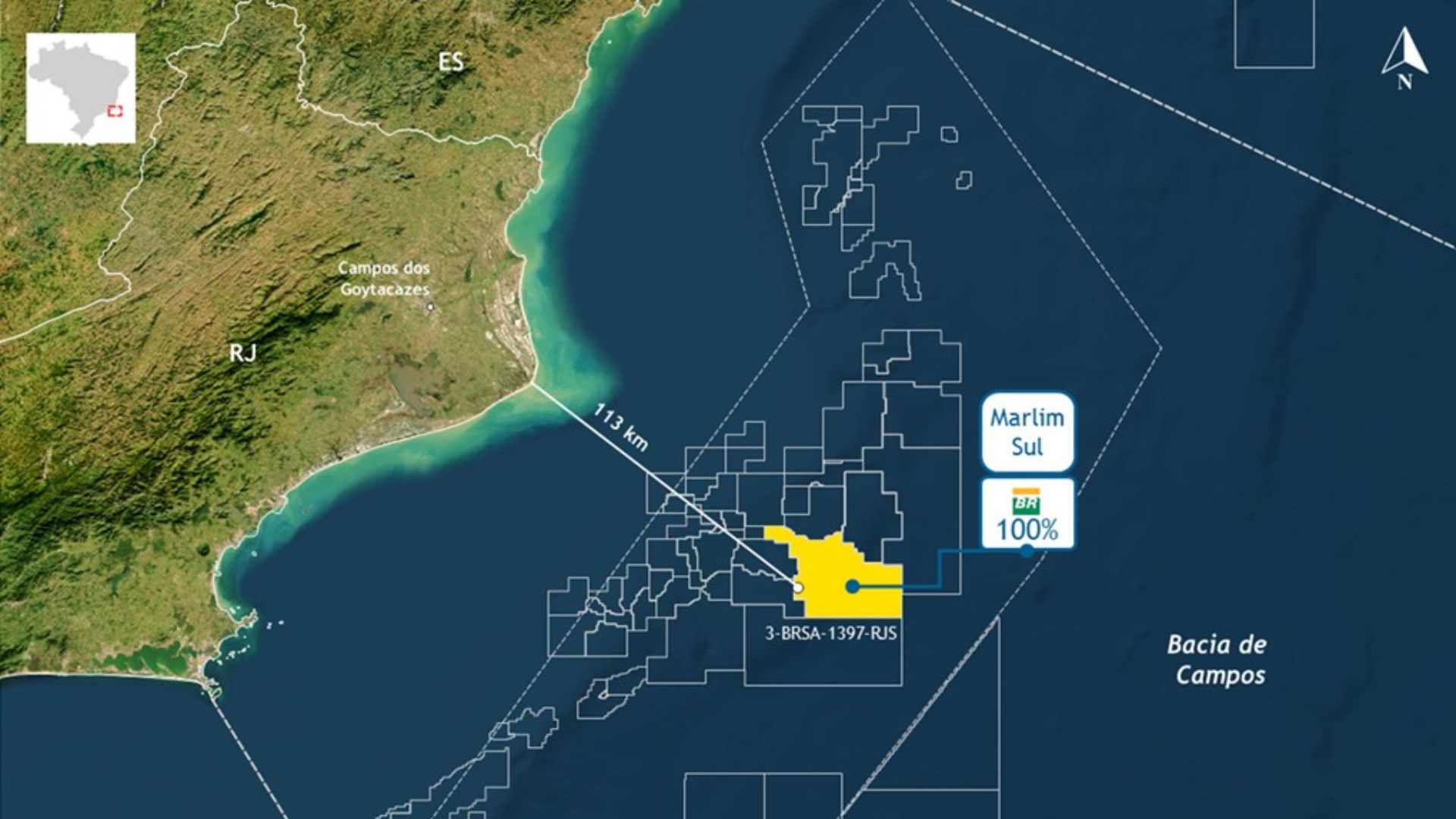
Petrobras finds high-quality oil in the pre-salt at 113 km from RJ and reignites expectations about strategic reserves in the Campos Basin.

-
Ocyan opens registrations for startups focused on innovation in the oil and gas sector and will select projects for Innovation Day with the support of Nexio.


Until now, these contracts did not include specific extension clauses, which created legal uncertainty and limited investment potential in the energy sector.
With the new guideline, production sharing contracts can be extended for up to 27 years, provided that the technical and economic feasibility of continuing production and the advantages of the extension for the Union are demonstrated.
This change represents an important adjustment to the pre-salt exploration model, which requires long-term planning and regulatory stability.
Energy Sector Gains Predictability and Competitiveness
The measure brings positive impacts on several fronts:
- Regulatory Predictability: defining clear criteria for extending production sharing contracts reduces risks and uncertainties for operators.
- Attractiveness for Investors: with more stable rules, Brazil becomes more competitive in the global oil and gas exploration landscape.
- Strategic Utilization of Reserves: extending contracts allows productive fields to continue generating revenue and development for a longer time.
According to the Minister of Mines and Energy, Alexandre Silveira, the measure represents a significant advance for the predictability of the sector, enhancing the attractiveness of investments in Brazil and ensuring that public resources from oil production are directed toward national development.
ANP Will Be Responsible for the Technical Analysis of Requests
The National Agency of Petroleum, Natural Gas and Biofuels (ANP), linked to the Ministry of Mines and Energy, will be responsible for analyzing extension requests. The evaluation will be based on the technical and economic criteria defined by the new CNPE resolution.
The ANP will act as a guardian of efficiency and transparency in the contractual extension processes, ensuring that only viable and advantageous projects for the country are approved.
Additionally, the agency must consider aspects such as production history, development plan, and investments made by operators.
Investment and Job Creation with Production Sharing Contracts
The extension of production sharing contracts has the potential to stimulate new investments in infrastructure, technology, and professional training. With the continuation of operations in mature fields, companies will be able to plan their financial contributions with more certainty, directly contributing to job creation and income.
Studies by the Energy Research Company (EPE) indicate that the oil and gas sector represents about 13% of Brazil’s industrial Gross Domestic Product and accounts for more than 400,000 direct and indirect jobs. Extending the production phase can significantly increase these numbers in the coming years.
Furthermore, the collection of royalties and special participations is expected to grow, benefiting producing states and municipalities.
Sharing Regime Strengthens National Control Over Oil and Gas
The production sharing regime was established in Brazil in 2010, focusing on pre-salt exploration. In this model, the Union owns the oil and gas extracted, and contracts establish a division of production between the State and the contracted companies.
This system ensures a greater economic return for the country, as well as allowing for greater control over natural resources. With the new CNPE resolution, the model gains even more robustness by incorporating extension mechanisms that enhance production continuity.
The measure also promotes equality among contractual models, aligning the sharing regime with the best international practices.
Legal Certainty and Regulatory Stability in the Energy Sector
The absence of extension clauses in previous contracts created legal uncertainty and hindered long-term planning. With the approval of the resolution, CNPE promotes regulatory stability and legal certainty, essential elements to attract foreign capital and foster innovation in the energy sector.
The predictability of rules is one of the pillars for the sustainable development of the oil and gas industry, especially in areas of high technical complexity such as the pre-salt.
The measure also contributes to reducing regulatory risk, a decisive factor in the decision-making process of large international investors.
Opportunities for the Future of Oil and Gas in Brazil
The CNPE decision paves the way for a new phase of development in the energy sector. With the possibility of extending production sharing contracts, Brazil could:
- Maximize the utilization of mature fields, avoiding infrastructure idleness.
- Increase government revenue, through royalties and special participations.
- Strengthen the national production chain, by stimulating the industry of goods and services.
- Promote energy transition, by reinvesting part of the resources in renewable sources.
Furthermore, the measure may encourage the adoption of more efficient and sustainable technologies, aligned with the climate commitments made by Brazil.
International Comparison Reinforces the Importance of CNPE’s Measure
Several oil-producing countries adopt sharing models with extension clauses, such as Norway, Angola, and Indonesia. Including this possibility in Brazil aligns the country with the best global practices, increasing its competitiveness and ability to attract investments.
According to a report by Wood Mackenzie, contracts with flexible and well-defined terms are essential to ensure the sustainability of long-term production, especially in areas of high technical complexity such as the pre-salt.
The measure also contributes to regulatory harmonization between concession and sharing regimes, promoting greater efficiency in the management of energy resources.


Importance of CNPE Approval
The approval of the resolution by CNPE on October 1, 2025, marks a turning point in the management of oil and gas production sharing contracts in Brazil. By allowing extensions of up to 27 years, the country strengthens its position as a strategic destination for investments in the energy sector.
The measure promotes predictability, legal certainty, and efficient use of national reserves, besides stimulating job creation, revenue collection, and technological development.
With the ANP’s involvement and the legal backing of Law No. 15.075/2024, Brazil takes a firm step toward consolidating a modern, transparent, and competitive regulatory environment.








Seja o primeiro a reagir!