





 Portuguese
  English
  Spanish
 5 min of reading
  0 comments


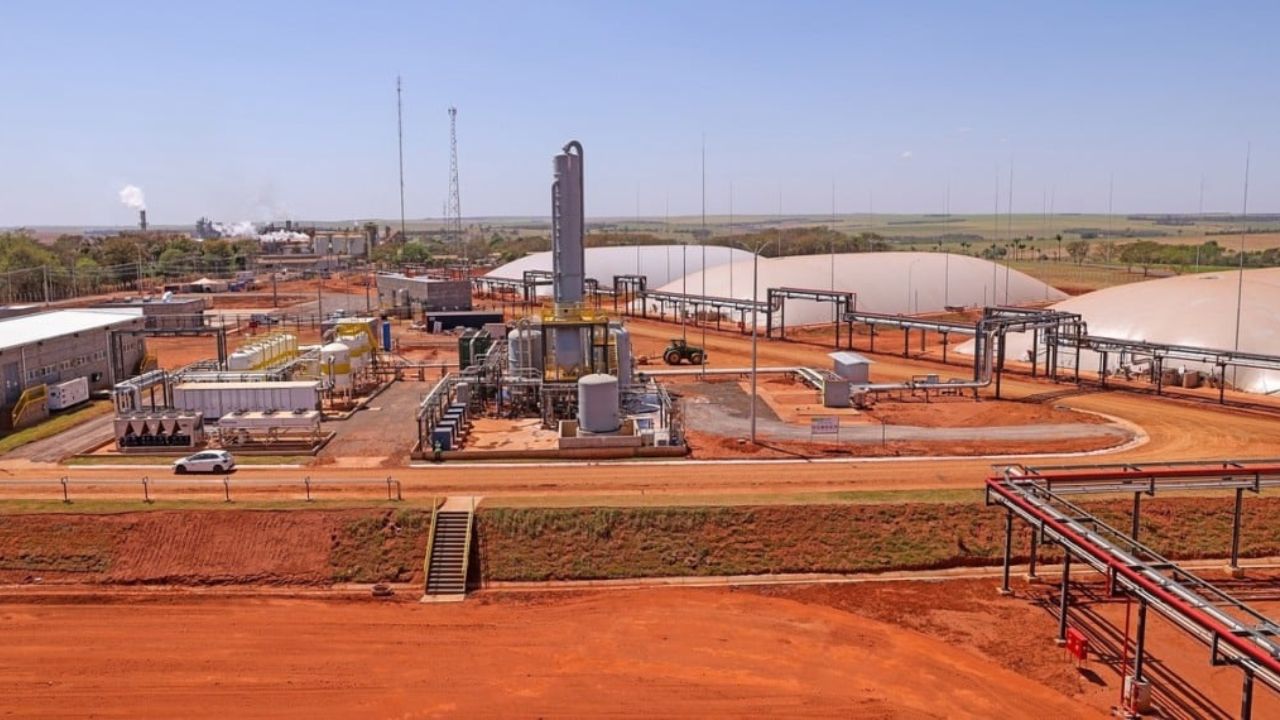
Cocal Takes an Important Step in Renewable Energy by Operating Its Second Biogas Plant in São Paulo, Producing Sustainable Biometane from Sugarcane
Cocal, a reference in the sugar-energy sector, has started operating its second biogas plant in São Paulo’s interior, marking a significant advance in the production of biometane from sugarcane.
Located in Paraguaçu Paulista, the new facility has the capacity to generate up to 60,000 cubic meters of biometane per day, expanding the region’s share in the sector.
Strategic Expansion of Cocal in the Biogas Sector
The inauguration of Cocal’s second biogas plant represents a milestone in Brazil’s energy transition. The unit was officially launched last weekend, with the presence of Governor Tarcísio de Freitas and other state and federal authorities.
-
The Economist states that Brazil has a “secret weapon” against expensive oil and highlights how the country can reduce economic impacts even in international scenarios of high volatility.
-
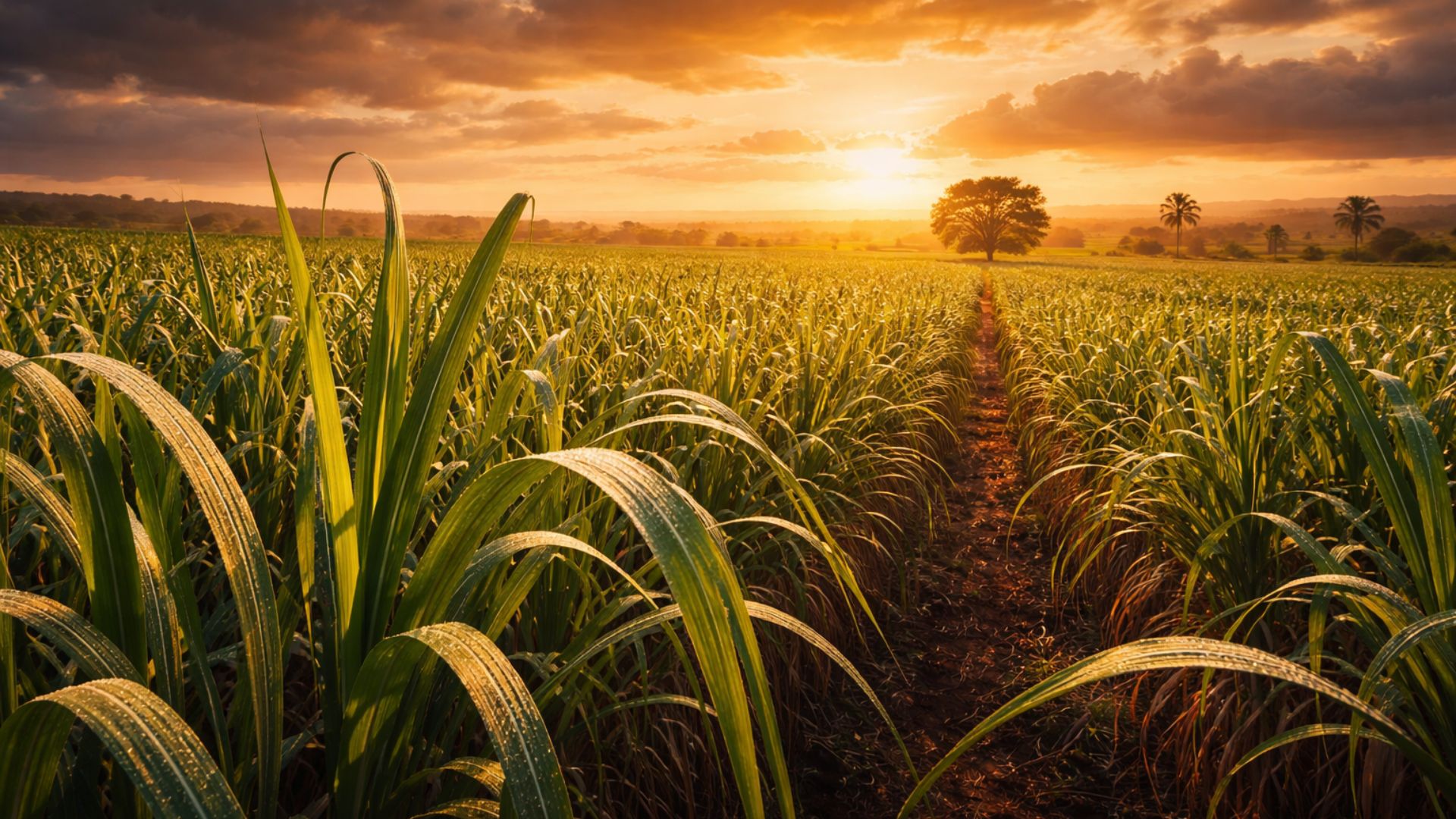
Brazil accelerates decarbonization in the South: International forum in Foz do Iguaçu gathers leaders to discuss the advancement of biomethane in the energy matrix and the potential of “caipira pre-salt.”
-
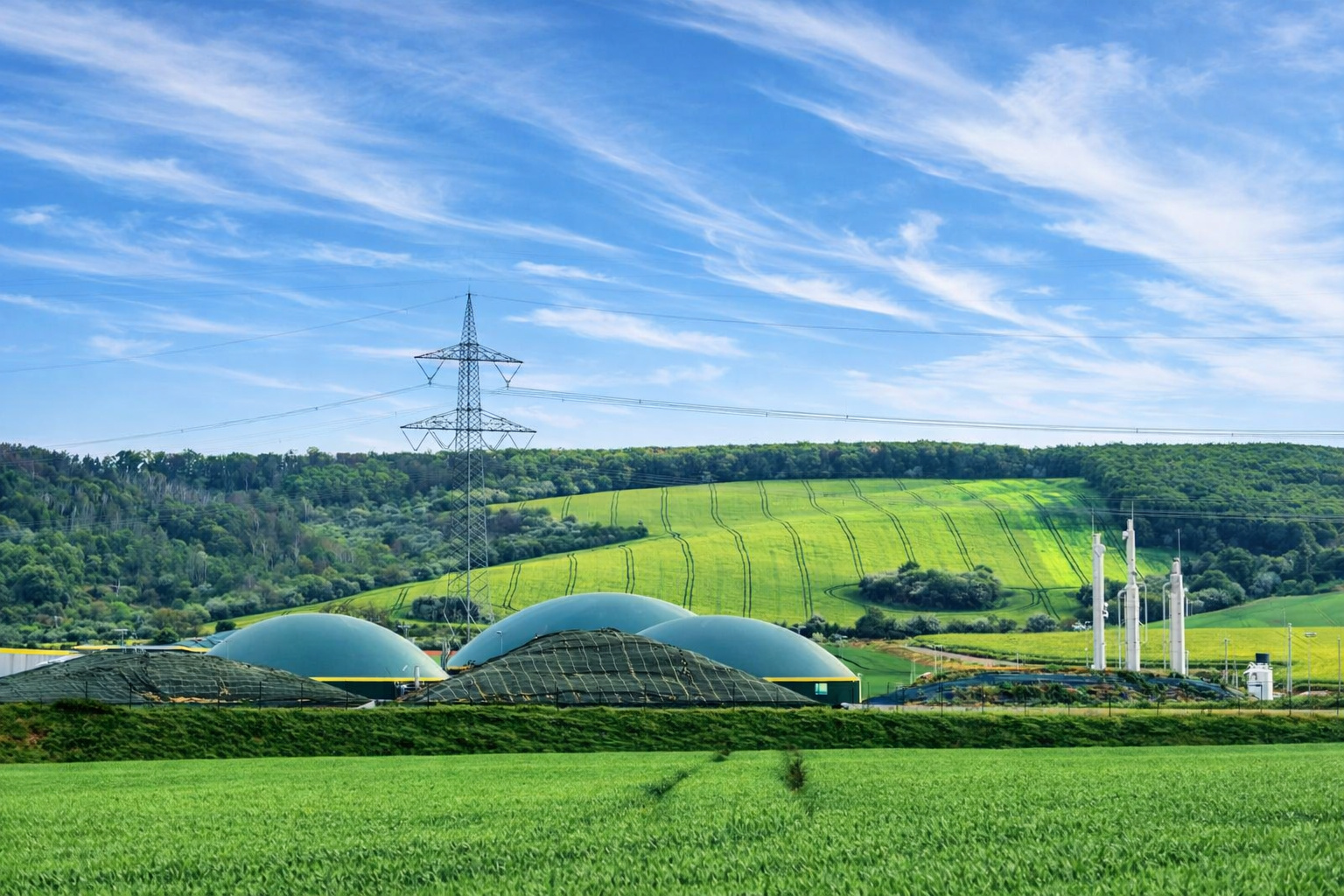
As diesel prices soar due to conflicts in the Middle East, a Brazilian city decides to test a little-known biofuel that promises to completely replace fossil fuel without adaptation and could change the future of energy in the country.
-
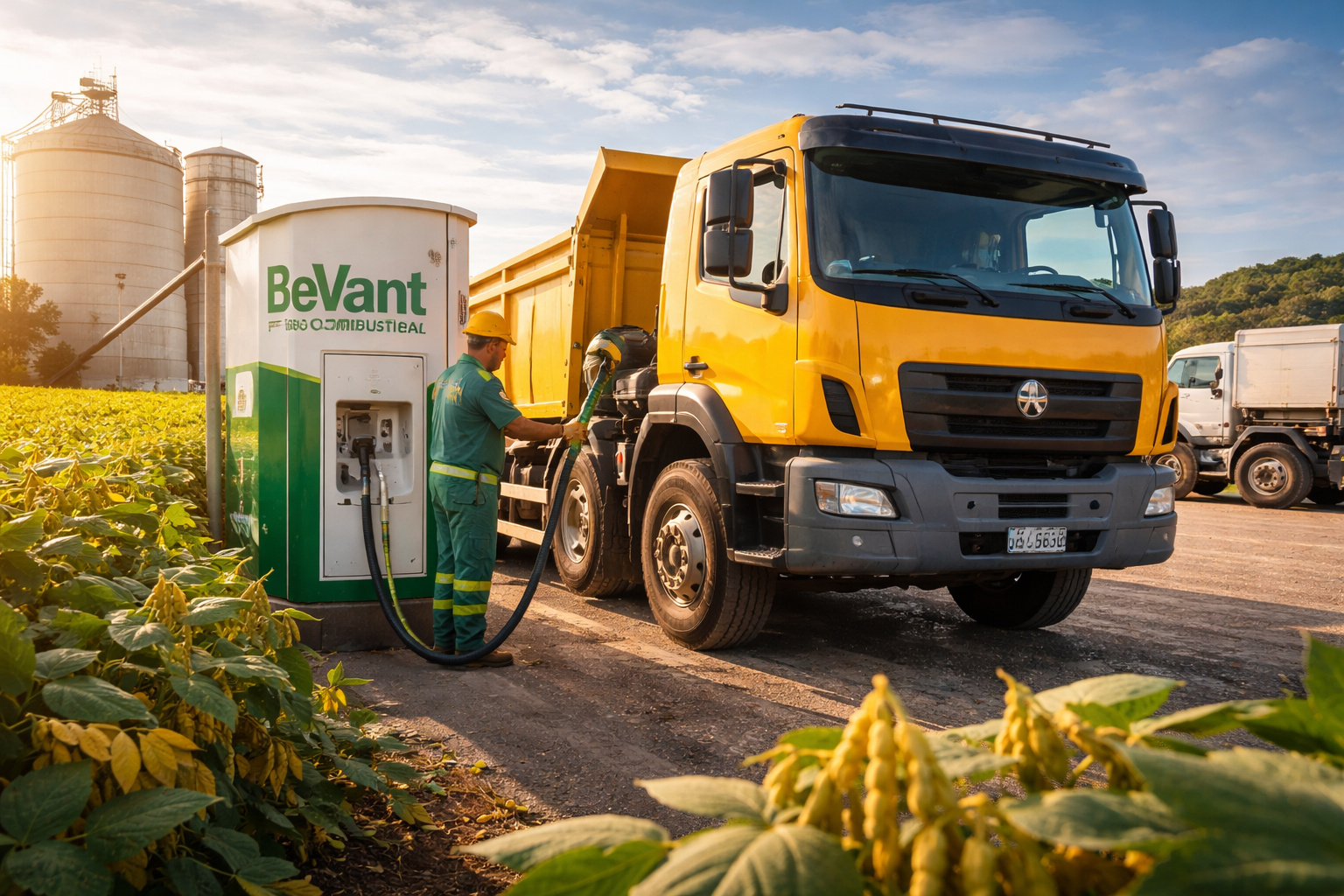
Innovation with biofuel engines transforms agribusiness by replacing diesel without the need for major adaptations, ensuring energy efficiency and helping to reduce dependence on oil.
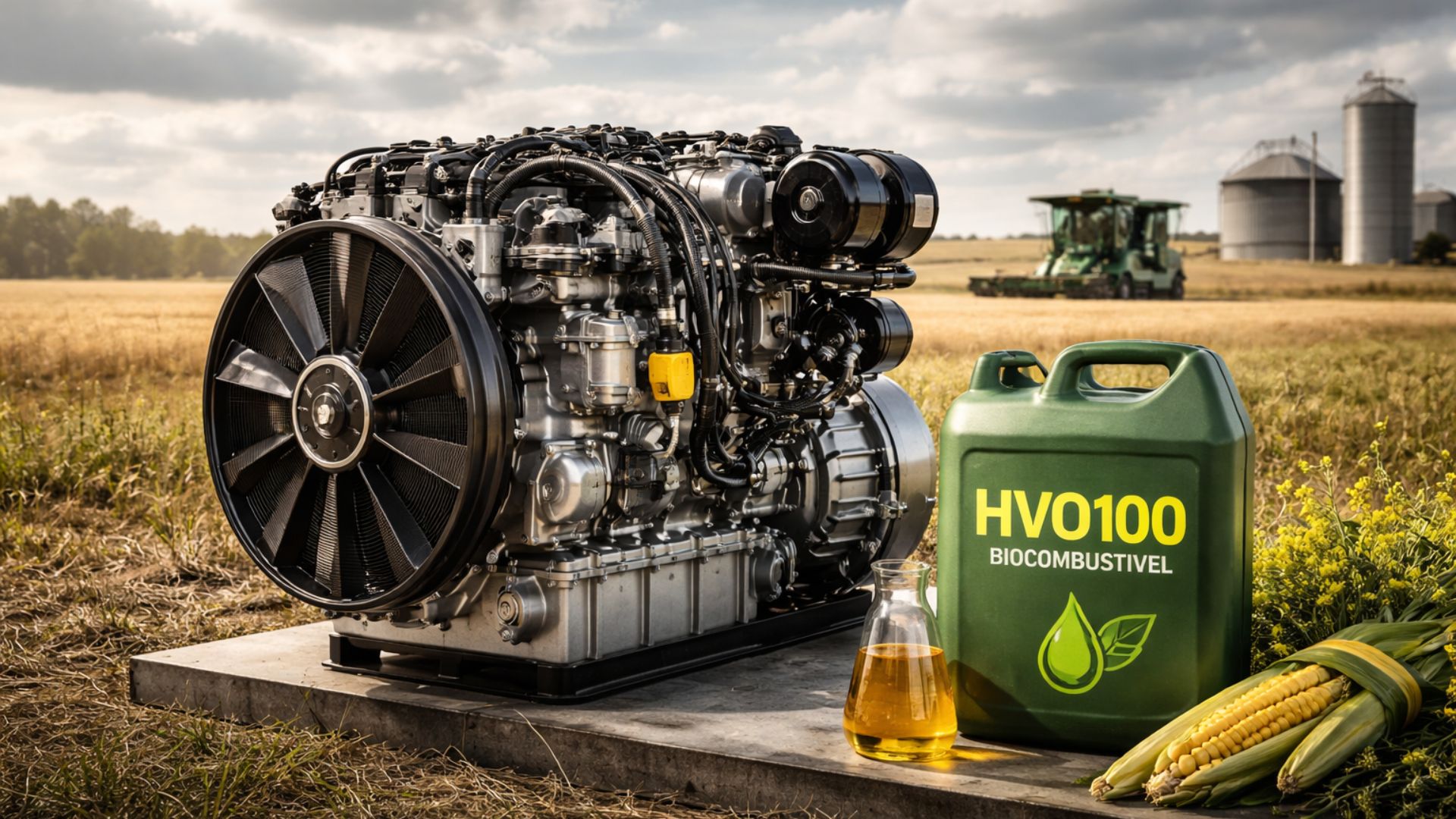

The plant operates 100% on biometane, using vinasse and filter cake as raw materials — byproducts of sugarcane industrialization — in addition to livestock manure from local farms.
According to Carlos Ubiratan Garms, a member of Cocal’s shareholders’ council, with the operation of both plants, the region becomes one of the world’s largest biometane production hubs.
This initiative reinforces the company’s role as a leader in clean and renewable energy generation, aligning with global decarbonization targets and the growing demand for sustainable alternatives in the transport and industrial sectors.
Sustainable Production of Biometane from Sugarcane
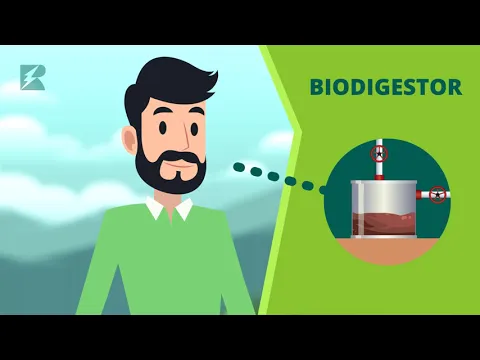
Cocal’s new biogas plant underscores the company’s commitment to sustainability and the circular economy. The biometane production process from sugarcane involves the purification of biogas generated by agro-industrial waste, transforming it into a clean and efficient fuel.
This biometane is then distributed via compressed natural gas (CNG), transported in cylinders by trucks, enabling supply to areas not connected to the gas pipeline network.
Furthermore, the biometane will be used in Cocal’s own fleet, replacing diesel during the harvest season. In the 2022/2023 harvest, the company eliminated the consumption of 300,000 liters of diesel, and the expectation for the current harvest is to quadruple this number, exceeding 1 million liters saved.
Replacing diesel with biometane represents significant savings and a substantial reduction in greenhouse gas emissions.
Robust Investment by Cocal in the Biogas Plant
The construction of the biogas plant in Paraguaçu Paulista required an investment of R$ 216 million and was developed in partnership with Geo Biogás & Tech, a company specialized in technological solutions for the sector.
The unit uses national equipment and was designed to operate year-round, including during off-harvest periods, thanks to its capacity for storing inputs. André Gustavo Silva, Cocal’s commercial director, emphasized that the company is advancing on the journey to make agribusiness more sustainable and carbon-free.
The adoption of national technology strengthens the Brazilian production chain and stimulates the development of local solutions for global energy challenges. The plant also contributes to the creation of direct and indirect jobs in the region, promoting sustainable economic development.
São Paulo as a Reference in Biometane Production
With the operation of the two biogas plants — one in Narandiba and another in Paraguaçu Paulista — the state of São Paulo solidifies its position as a strategic hub for biometane production.
Cocal’s initiative directly contributes to the diversification of Brazil’s energy matrix and to meeting the targets for reducing greenhouse gas emissions.
According to data from the National Agency of Petroleum, Natural Gas and Biofuels (ANP), Brazil currently has six biometane plants authorized to operate, producing about 195,000 m³/day, most of which comes from landfills.
Cocal’s plant stands out for using agricultural waste, promoting a sustainable and economically viable alternative.
Environmental and Economic Benefits of Biometane
The production of biometane from sugarcane offers multiple benefits:
- Reduction of CO₂ emissions: replacement of fossil fuels with renewables.
- Valuation of agro-industrial waste: utilization of vinasse and filter cake.
- Creation of local jobs: strengthening the regional economy.
- Energy independence: supply to remote areas without gas pipeline infrastructure.
- Encouragement of innovation: development of new technologies and industrial processes.
These factors make biometane a key player in the energy transition and in building a more sustainable future. Cocal’s actions demonstrate that it is possible to reconcile profitability with environmental responsibility, creating a replicable model for other regions and companies.

Challenges and Perspectives for the Biogas Sector in Brazil
Despite advancements, the biogas sector still faces structural challenges, such as the lack of pipeline infrastructure and the need for regulatory incentives. The distribution via CNG, adopted by Cocal, is an effective temporary solution, but requires specialized logistics and ongoing investments. The expectation is that, with growing demand and stronger public policies focused on renewable energy, biometane will gain even more space in the Brazilian market.
The Decadal Energy Expansion Plan (PDE) envisions a significant increase in the share of renewable sources in the national energy matrix by 2031, which could boost new projects and investments in the sector. Adequate regulations and government support are crucial to accelerate the adoption of biometane on a large scale.
The Role of Cocal in the Energy Transformation of Agribusiness
The inauguration of Cocal’s second biogas plant in São Paulo is a clear example of how the sugar-energy sector can contribute to the decarbonization of the economy. With national technology, robust investment, and a focus on sustainability, the company amplifies biometane production from sugarcane and strengthens its position as a leader in the energy transition.
The energy of the future is already being produced in the state of São Paulo. Cocal shows that it is possible to transform waste into clean fuel and generate a positive impact on the environment and society.
This initiative not only reinforces Brazil’s role as a powerhouse in bioenergy but also inspires other regions and companies to follow the same path. Cocal’s example shows that agribusiness can be a leader in building a cleaner, more efficient, and inclusive energy model.






Seja o primeiro a reagir!