Portuguese
  Spanish


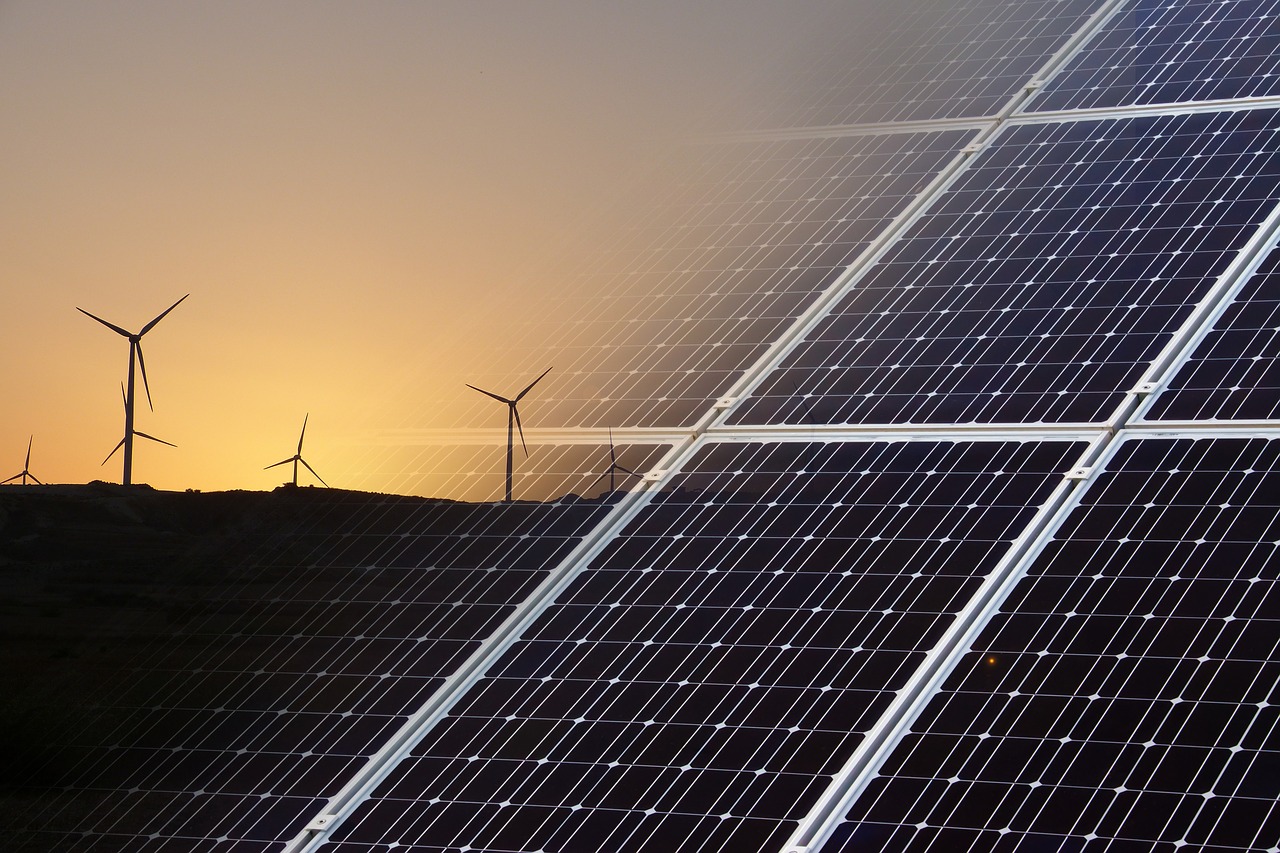

With the Distributed Generation Market Becoming Increasingly Strong in the Country, the Cooperative Cogegom Has Good Projections for 2022 and Intends to Expand Its Presence in Shared Energy Generation in Other States, Reaching 250 MW by the End of the Year.
This Tuesday, (06/28), the cooperative energy distribution company Cogecom commented on the future of the national energy market and projections for 2022. Thus, the company highlighted that the current focus is to expand shared energy generation in the states of Rio de Janeiro, São Paulo, Espírito Santo, Pará, and Tocantins, and it intends to reach the mark of 250 MW of installed capacity this year.
Growth in the Shared Energy Generation Market Brought Cogecom New Business Growth Perspectives and Installed Capacity in the Country
Brazil will complete a total of 10 years since the beginning of regulations aimed at distributed generation (GD) of energy, created by the National Electric Energy Agency (Aneel) in 2012. And, amid the growth in the energy market, the most famous GD model is shared generation, which allows consumers to join a consortium or cooperative, install a micro or mini distributed generation, and use the generated energy to reduce costs.
Among the companies that stand out in this segment is Cogecom, one of the pioneers in the shared generation field, and it sees the current scenario as an excellent time to expand its business in the energy market. The company highlights that the distributed generation and shared generation market is growing, and the country is moving towards 20 GW of installed capacity, a number that exceeds, for example, the capacity of the Itaipu Hydroelectric Plant.
-
Brazilian scientists are simultaneously advancing two research projects on clean hydrogen and driving solutions that could transform the energy matrix, enhance industrial competitiveness, and accelerate large-scale emission reduction targets.

-
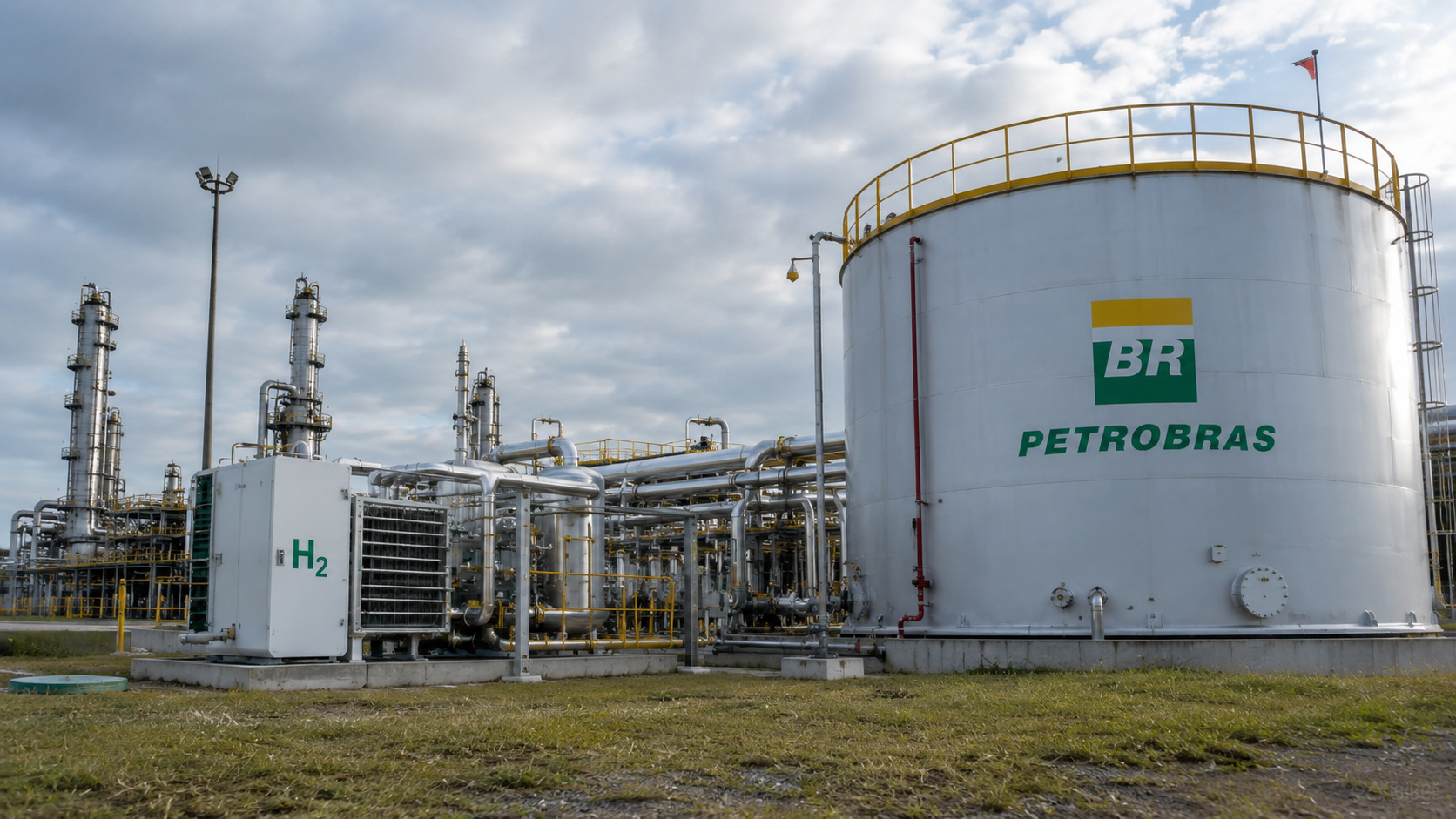
Advancement in renewable energy: A R$ 150 million project launched by Petrobras and Finep aims to create state-of-the-art electrolyzers for green hydrogen, strengthening national research and preparing Brazil to compete in a billion-dollar energy market.
-
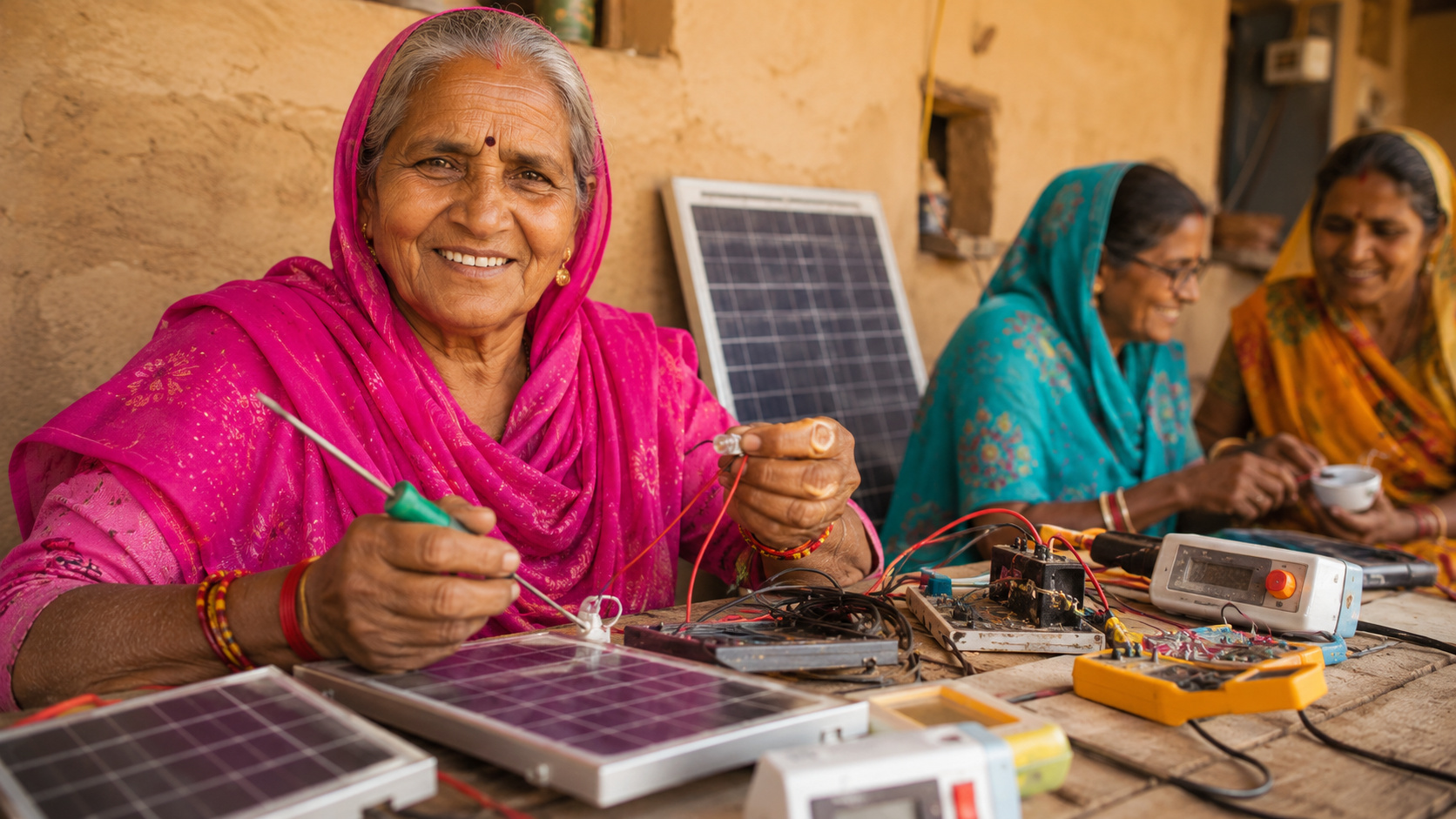
Illiterate or semi-literate grandmothers were trained to repair solar systems, open rural workshops, and light up homes that still depended on kerosene.
-
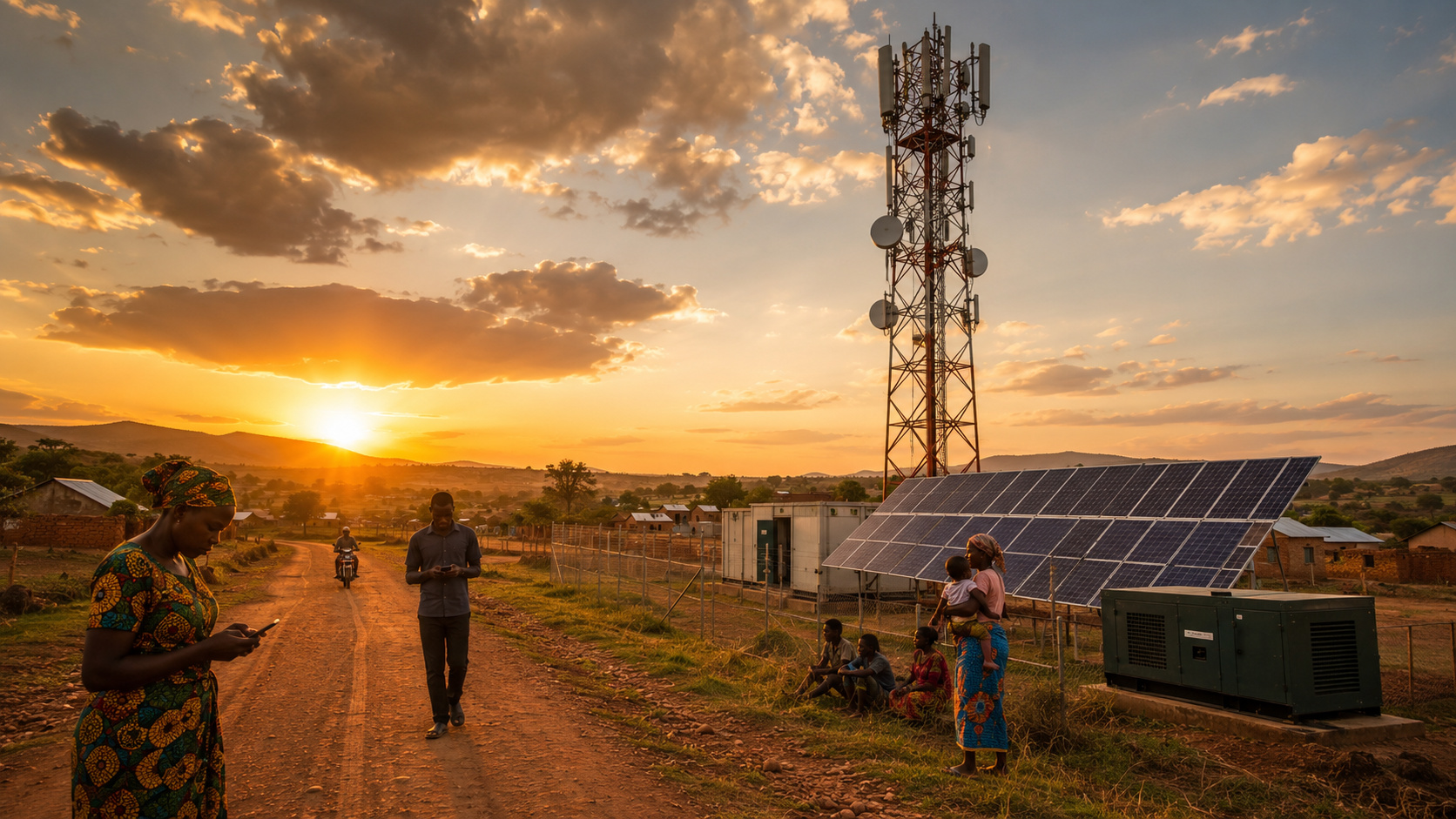
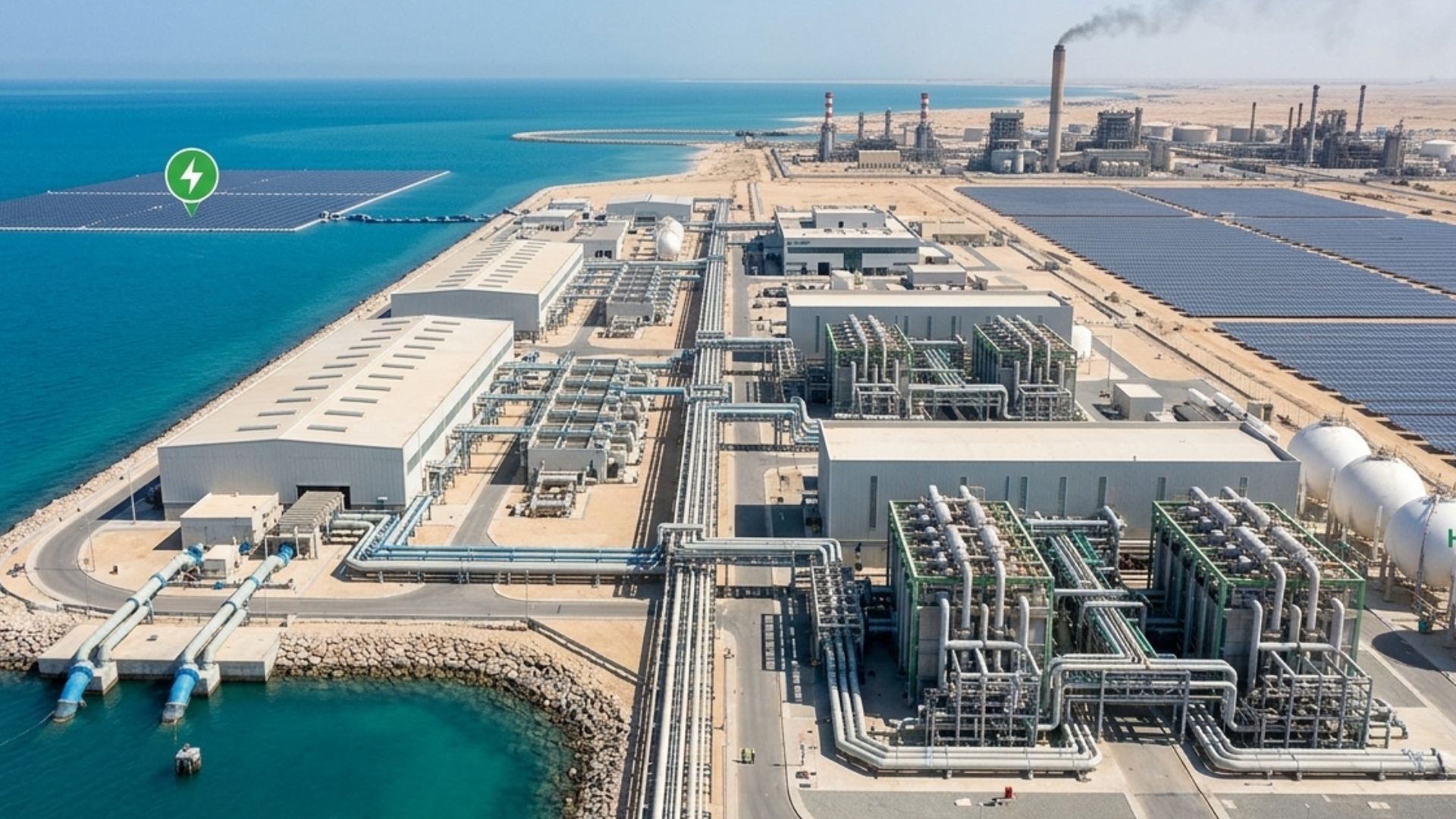
The world has bet on green hydrogen as the fuel of the future, but now faces the side effect: producing 1 kilogram requires about 9 liters of ultrapure water, and the largest projects on the planet are precisely in the driest regions of the Earth, where water is already scarce for people.


Thus, the company intends to take advantage of the current scenario to expand its installed capacity in the country by developing new projects in even more states in Brazil. Cogecom is now looking to invest in energy businesses in the states of Rio de Janeiro, São Paulo, Espírito Santo, Pará, and Tocantins, and by the end of the year, it intends to reach 250 MW of installed capacity in the country. This is an increasingly accepted generation model in the country, as it guarantees supply security, and the company is monitoring the growth of this market in Brazil.
Democratization of Access to Shared Energy Generation Caused Essential Growth for the Brazilian Market and Cogecom Highlights Optimistic Projections for the Future
According to the cooperative company Cogecom, the main factor that led to the high installed capacity numbers in shared energy generation in Brazil was the democratization of access to this model. This is because, during the first ten years, the market underwent a phase of adaptation and new alternatives for this production. Now, the future projections are aimed at an exponential growth curve, as the sector is already consolidated in the country.
In addition, the general director of the Cogecom group, Roberto Correa, complemented the factors that led to the market growth and said: “Another important factor was the skyrocketing increase in energy prices in the market, which leads people to seek alternatives to reduce energy tariff costs. Distributed generation presents itself as the first option for consumers to choose not to consume energy only from the utility.”
Thus, the trend is that small and medium consumers will continue to turn their attention to self-producing energy in Brazil and open doors for new shared generation business opportunities, providing a range of business for Cogecom over the next few years.