





 Portuguese
  English
  Spanish
 4 min of reading
  1 comment


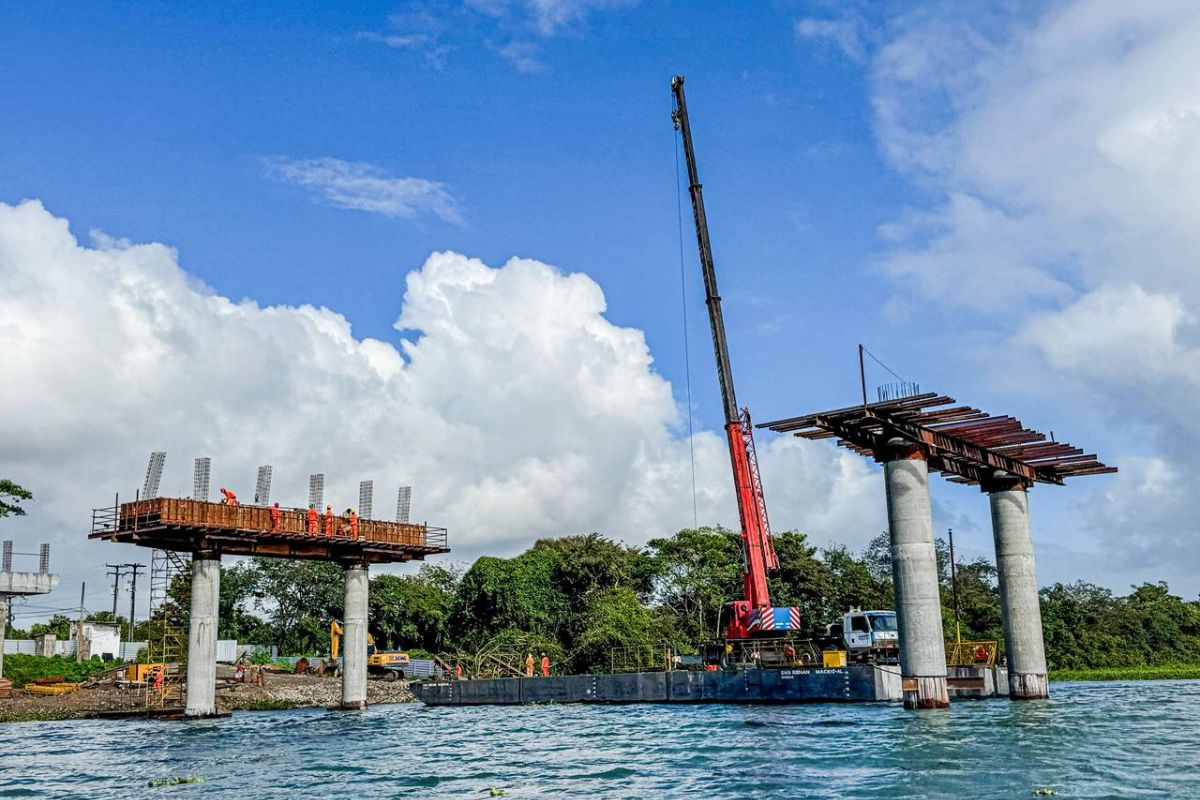


With 30 Meters in Height and 1.18 Km in Length, New Bridge Between Penedo and Neópolis Promises to Revolutionize Cargo Flow, Reduce Travel Time and Strengthen the Connection Between the Two States
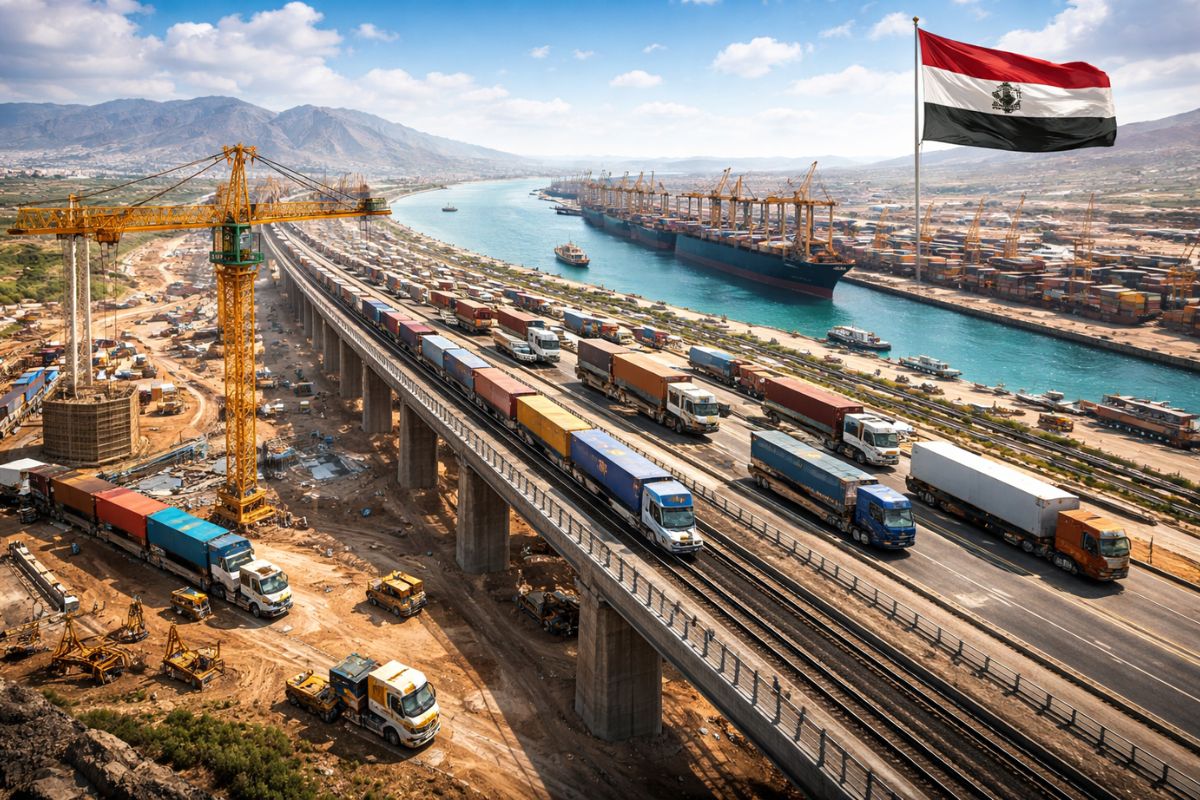
The construction of the new bridge over the river that separates Penedo, in Alagoas, and Neópolis, in Sergipe, marks a structural change in cargo transportation and daily commuting between the two states. Coordinated by DNIT and funded with federal resources amounting to R$ 205 million, the project consolidates a more efficient route for goods and passengers, in a layout that gains logistical and regional relevance. More than an engineering project, the venture reposition the axis of connection between the coast and the interior.
With 1.18 kilometers in length, 30 meters in height at the navigable span, and 18 meters in width, the new bridge was planned to support the expected increase in traffic after its completion. Alongside the federalization and qualification of BR-349, the set of interventions composes an infrastructure package that tends to <strongattract investments, reduce transportation costs, and enhance economic integration between Alagoas and Sergipe, with direct impacts on productivity and regional competitiveness.
Physical Progress of the Work and Technical Characteristics
According to the current schedule, approximately 19% of the work has been completed, including piles, pillars, crossbeams, and precast slabs.
-
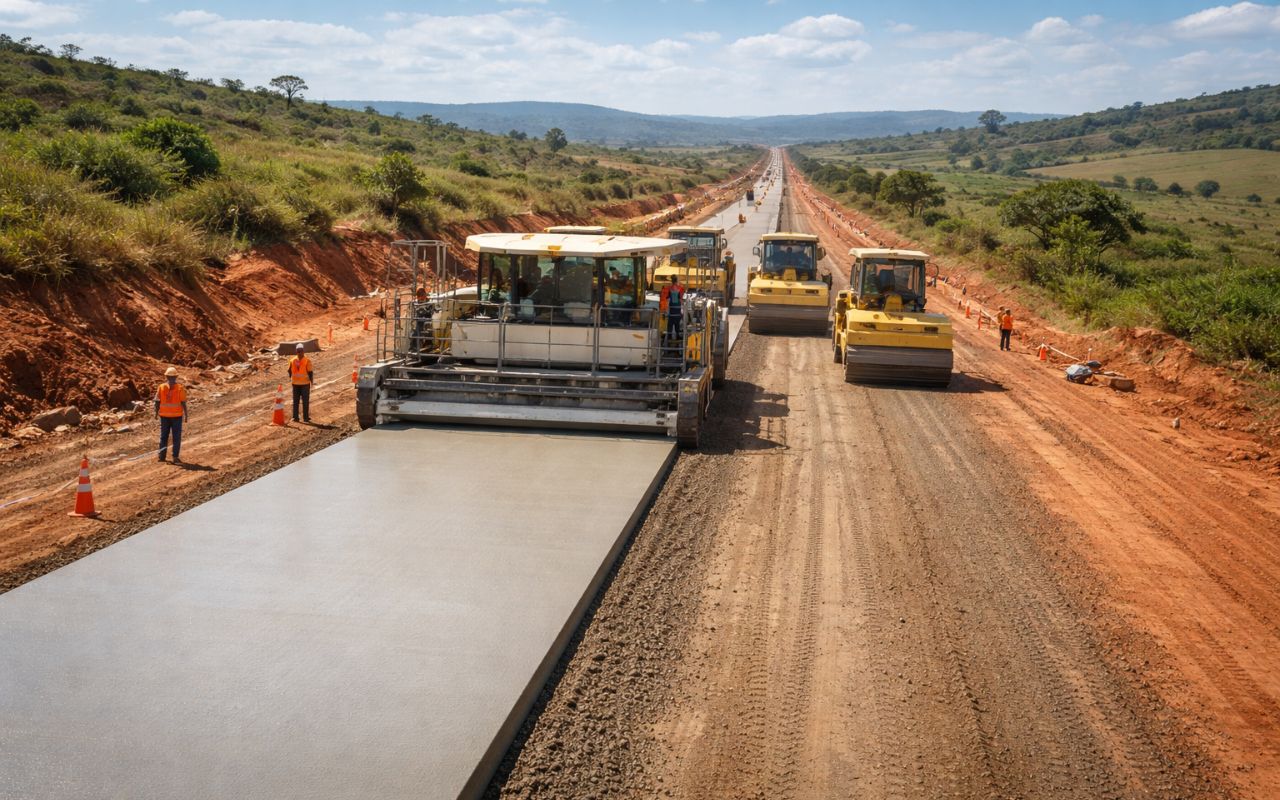
New CCR concrete paving technology promises roads up to 3x more durable, less maintenance, and cost reduction in Brazil.
-
Made from recycled plastic, plastic wood is gaining space in the construction industry because it does not rot, resists moisture, and reduces maintenance costs over the years.

-
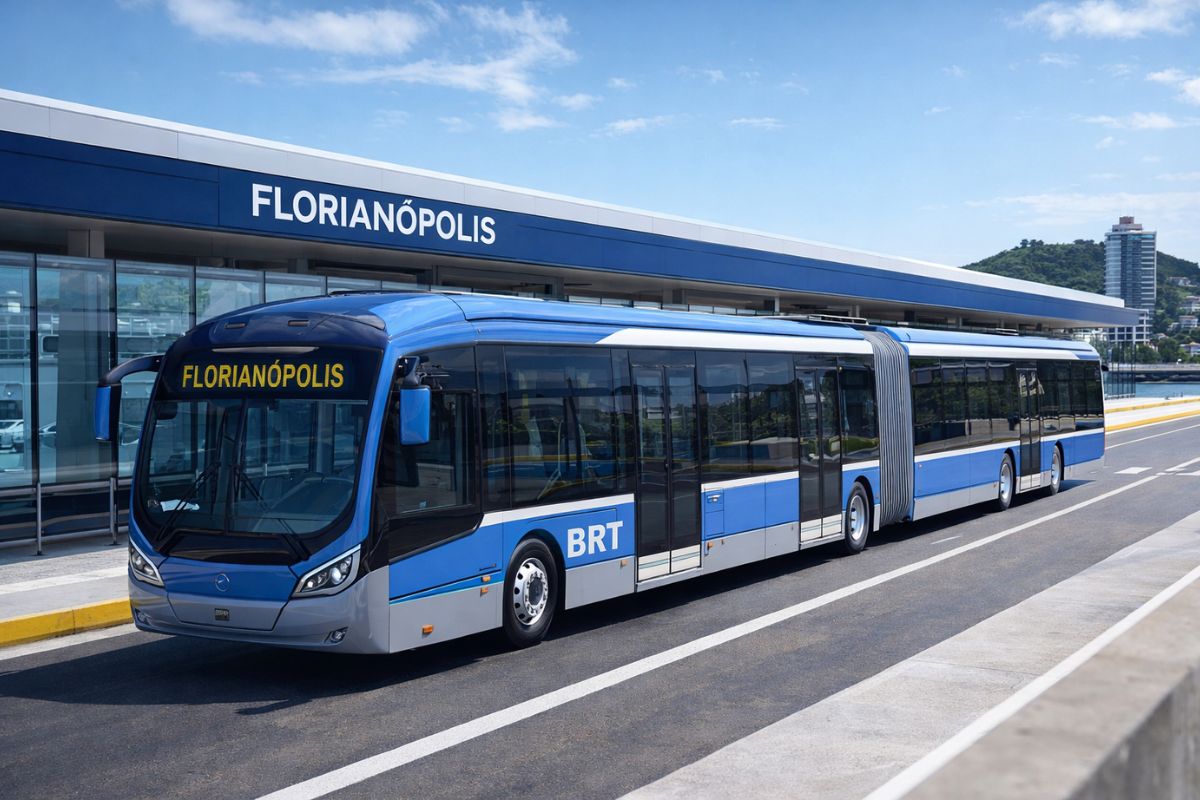
Florianópolis will receive a million-dollar BRT that will begin construction in 2026 with nearly 400 million in funding from the federal government and the Inter-American Development Bank, and the map already shows the routes for the exclusive bus corridors.
-
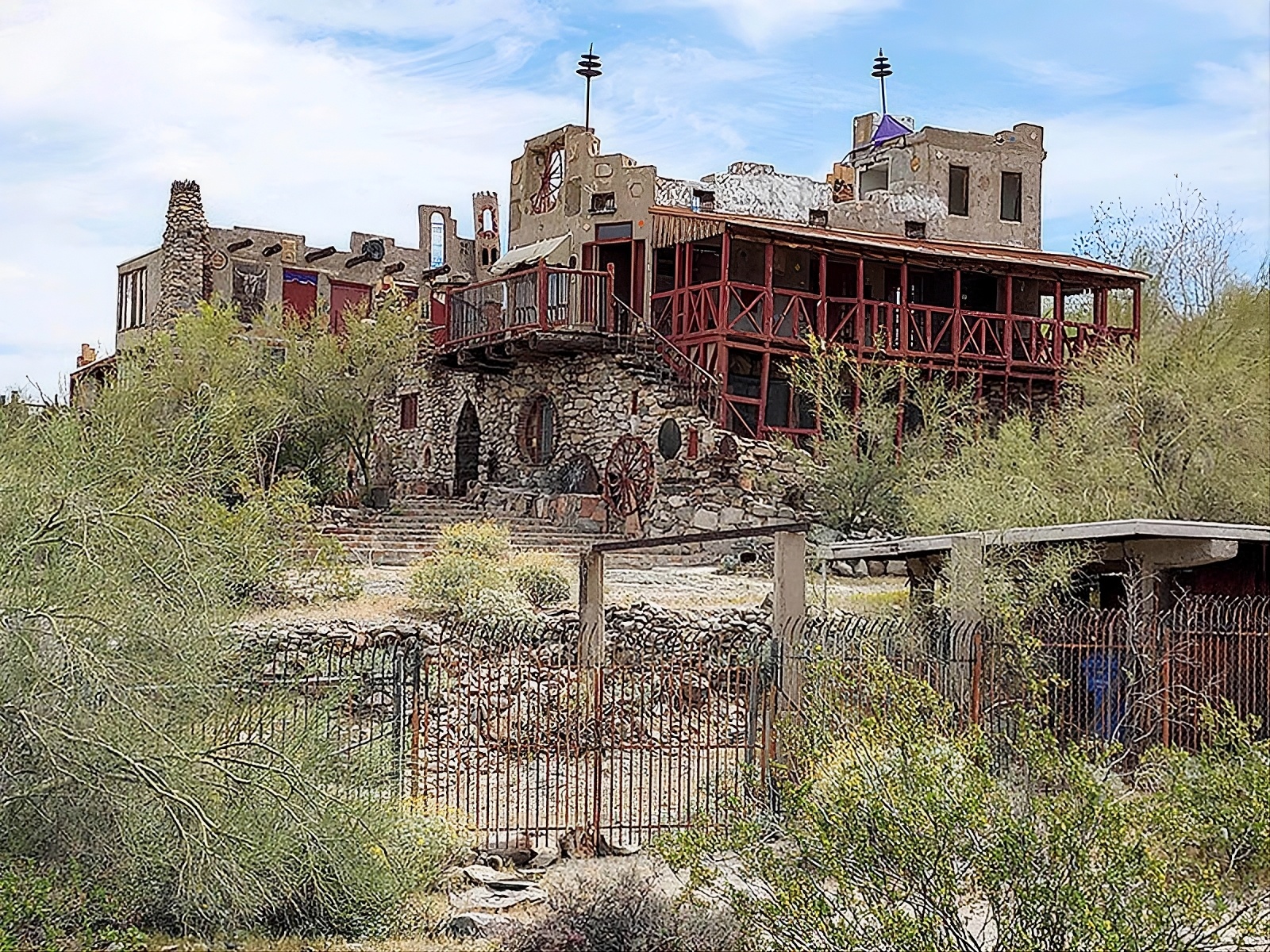
Without a blueprint, without an engineer, and using scrap from the dump, a father spends 15 years building an 18-room castle for his daughter, featuring tram tracks, 13 fireplaces, and over 700 m², which may now be demolished.

This initial stage has consolidated the structural foundation of the new bridge, essential for ensuring safety in the advancement of further work fronts.
The official forecast for completion is December 2026, dependent on the progress of the construction site and weather conditions throughout the period.
The dimensions of the structure help explain its future impact.
The new bridge, with 1.18 km in length and 30 meters in height at the navigable span, was designed to allow the passage of vessels and support heavy and light vehicle traffic.
The width of 18 meters meets the standard for modern highways, allowing for travel lanes and shoulders sized for cargo operations, intercity buses, and regional circulation.
How the New Bridge Alters Logistics and Cargo Transportation
The delivery of the new bridge between Penedo and Neópolis is likely to alter traditional routes and shorten paths that currently depend on longer stretches or less efficient crossings.
In practice, transporters gain a direct link between the two states, with immediate impacts on travel time, fuel consumption, and operational cost per ton transported.
By reducing uncertainties related to delays, detours, and poor crossing conditions, the structure functions as a structuring logistical corridor, favoring small producers, wholesalers, manufacturing industries, and services associated with the supply chain.
For cargo transportation, predictability is as important as distance: a stable road with an adequate technical profile tends to stimulate long-term contracts and attract new operations in the region.
Regional Integration and Economic Potential for Alagoas and Sergipe
The new bridge not only shortens distances but also redefines the integration between Alagoas and Sergipe. Surrounding municipalities now benefit from a continuous crossing, facilitating daily commutes for work, access to health services, education, and commerce.
In parallel, regional tourism gains an additional axis for visitor circulation, strengthening inns, restaurants, small businesses, and local attractions on both sides of the state border.
The trend is that, with the consolidated infrastructure, there will be new investments in areas such as logistics, warehousing, road services, and ventures aimed at transit and overnight tourism.
In historically isolated regions, the opening of a stable route generates a multiplier effect on income, job opportunities, and the formalization of economic activities.
Role of BR-349 and Federalization in Connection Quality
A central point of the works package is the federalization of BR-349, on a stretch of 126.9 km that will now follow the technical standard of federal highways.
The adjustments divided into two lots, with a timeline estimated at up to 36 months, include pavement improvements, signage, drainage, and road safety.
This modernization is crucial for the new bridge to operate at full capacity, connected to a network capable of absorbing the increased flow.
With BR-349 qualified, access to the new bridge gains regularity and safety, reducing critical points, flooding, and low-speed stretches.
In practice, the combination of the highway and bridge forms a continuous axis with a superior reliability standard, essential for logistics contracts, regular bus lines, and interstate freight transport that depend on predictability to finalize costs and deadlines.
Infrastructure as a Long-Term Development Policy
The investments of R$ 205 million in the new bridge, combined with interventions on BR-349, materialize a state strategy focused on infrastructure as a vector for development.
Instead of isolated actions, the package combines large-scale special work, highway qualification, and regional integration, creating conditions for private initiative to respond with productive projects along the corridors.
For the population, the impact goes beyond cargo transportation: better access to public services, shorter distances to urban centers, and an increase in job and income opportunities are set to reshape the local socioeconomic map.
The crossing ceases to be a bottleneck and becomes an asset, with the potential to transform the routine of communities that previously suffered from isolation and limited infrastructure.
In the context of all this, the new bridge between Penedo and Neópolis is merely a visible element of a broader change: the attempt to consolidate a network of connections that sustains sustained growth, regional integration, and greater competitiveness for the interior of the country.
Do you believe that projects like this new bridge should prioritize cargo transportation even more, or should the main focus be the direct impact on the daily lives of residents in the region?









Parabéns ao Governo Federal. Ambas: Transporte e Comunidade