





 Portuguese
  English
  Spanish
  5 min of reading
  0 comments


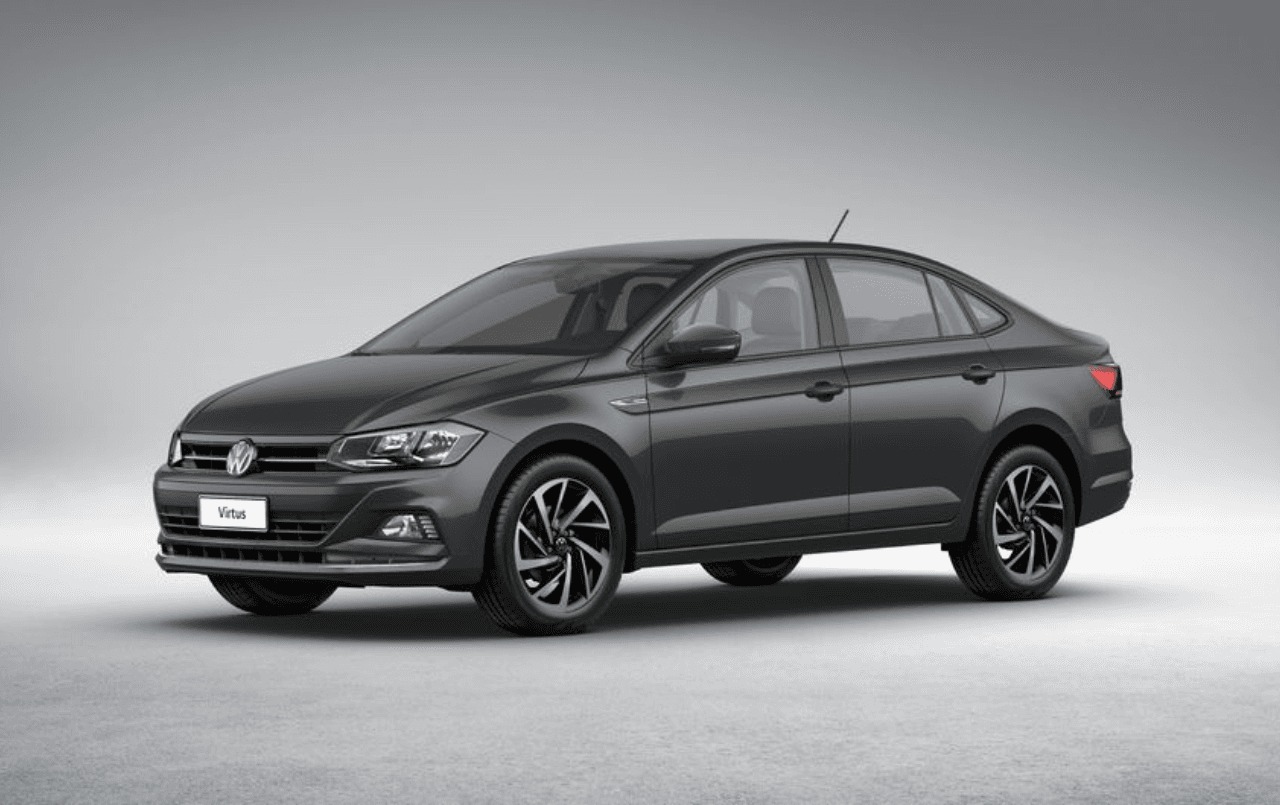
On a 530 km trip to the southern coast of São Paulo, the sedan equipped with a 1.0 TSI engine of 128 hp and 20.4 kgfm faced hills, urban use, and full load, registered 11.3 km/l of consumption, and revealed consistent performance, but exposed delay in the throttle and autonomy below the 632 km indicated
The Volkswagen Virtus Comfortline with a 1.0 TSI engine of 128 hp and 20.4 kgfm was used for 19 days on a 530 km trip to Itanhaém (SP) and showed stability, quietness, and comfort, but the delay in throttle response was pointed out as the main negative point during use.
The account is from Demetrios Cardozo, from AutoEsporte, who was responsible for using the flex fuel Virtus in a year-end special.
He states that it is not an in-depth text on technicalities and reports the practical experience of traveling and urban use with the compact sedan.
-
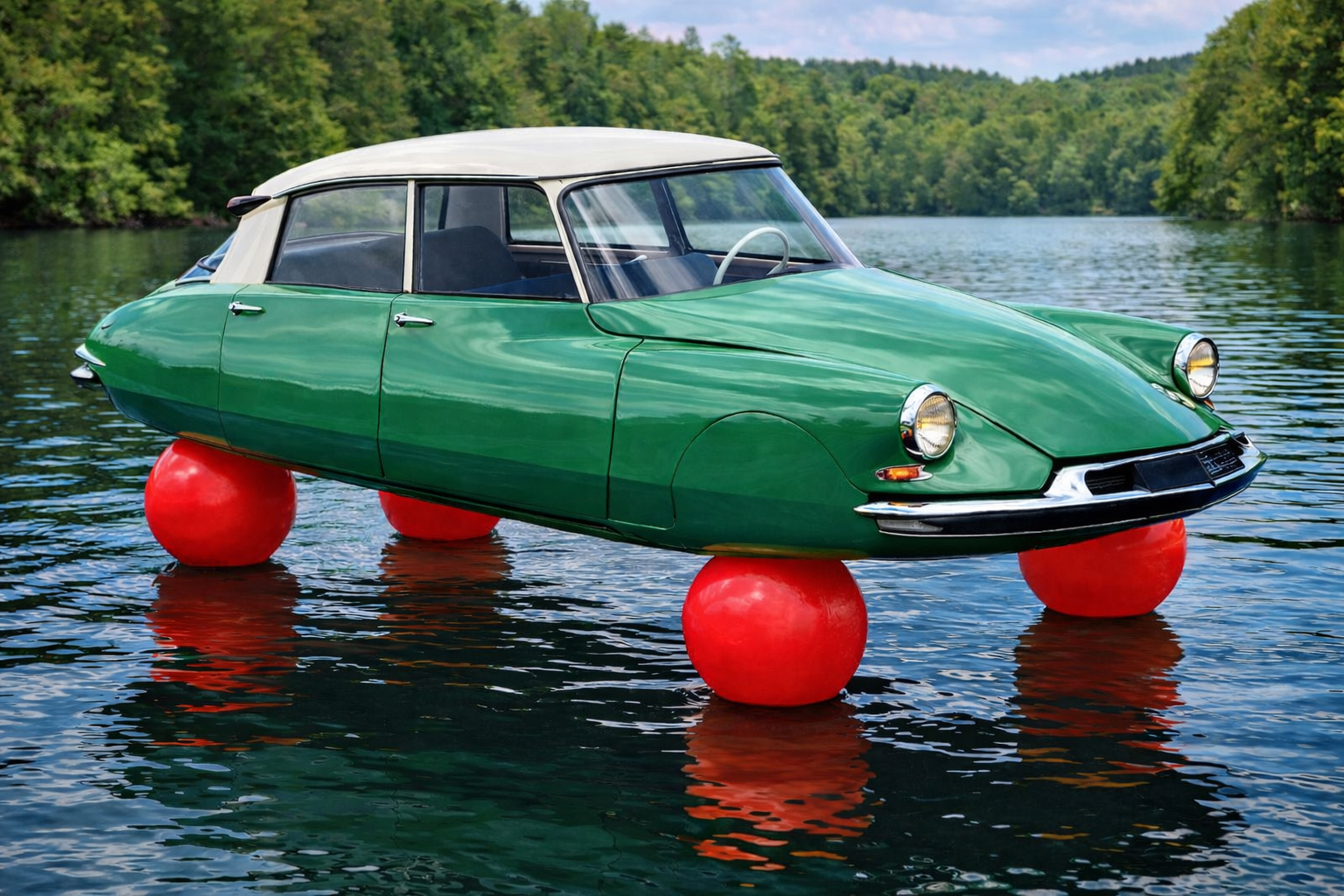
A French brand placed a car on four huge red balloons to prove that its suspension made the vehicle “float,” and the surreal scene became one of the most iconic and unusual images in automotive history.
-
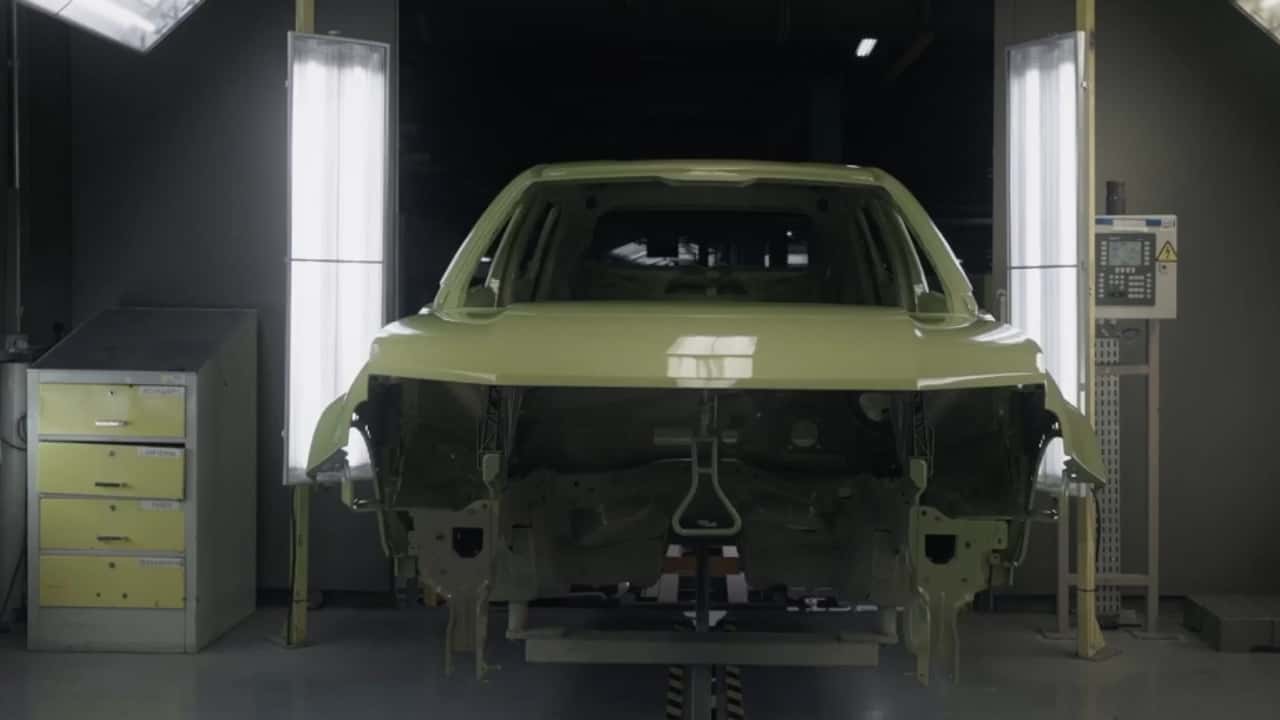
Jeep Avenger begins production in Brazil, debuting as the brand’s new entry-level SUV and inaugurating an unprecedented phase by becoming the first national Jeep manufactured outside of Goiana, as part of a R$ 3 billion plan.
-
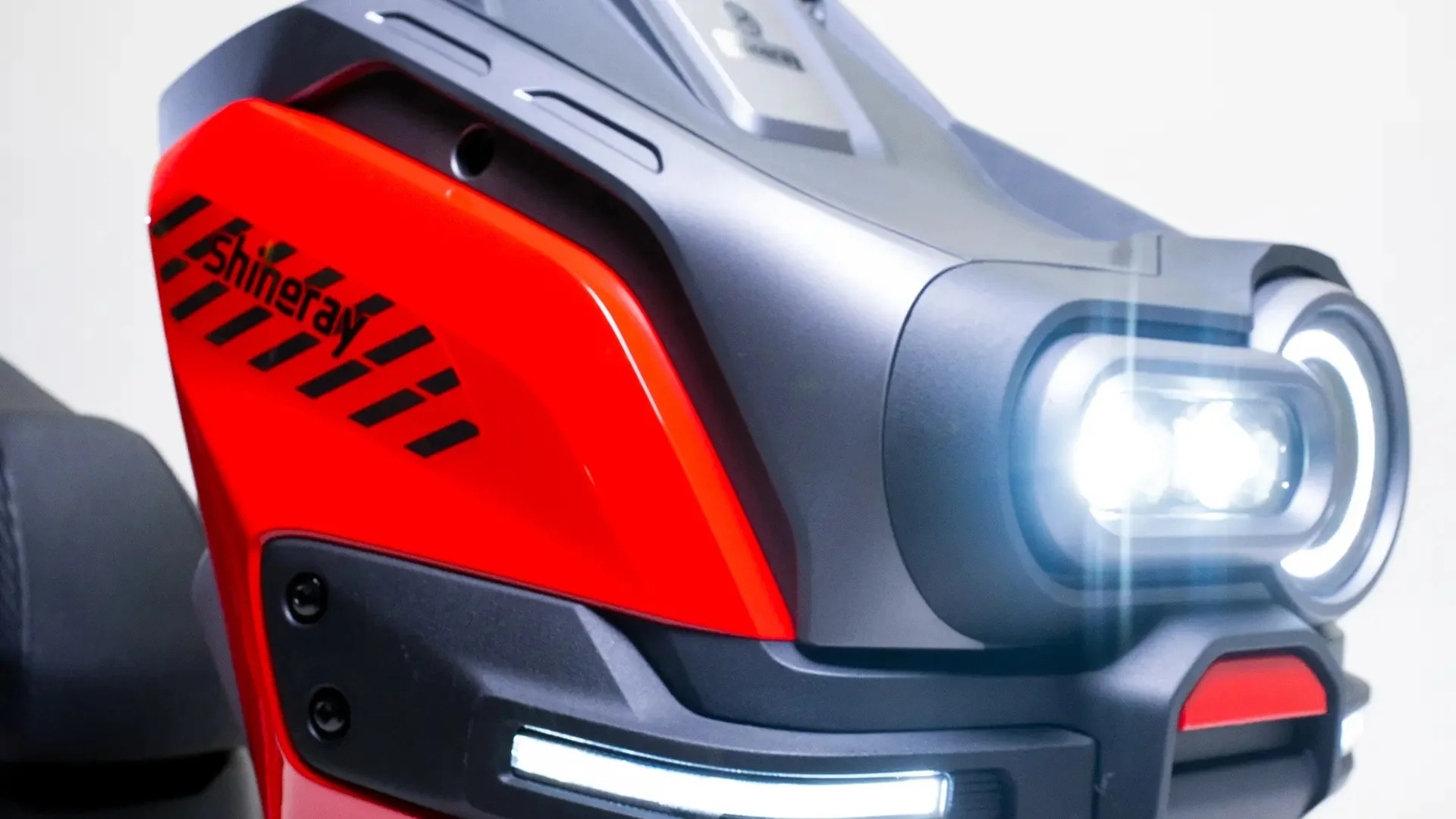
Costing R$ 12,490, the new Shineray Urban Lite 150 “cheap one” arrives in Brazil with a CVT transmission, digital dashboard, and LED lights, making it more affordable than the Biz and targeting those who want to abandon the bus.
-
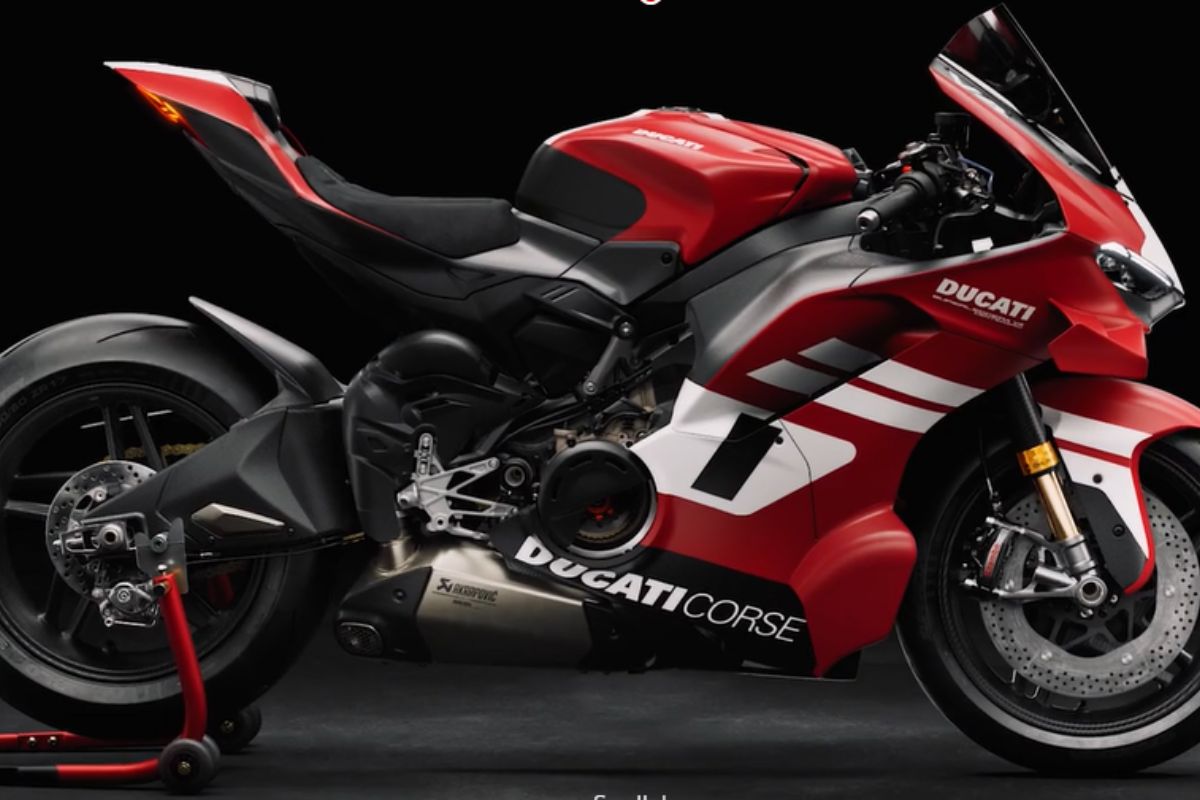
Ducati brings to Brazil the Superleggera V4 Centenario: 228 hp that become 247 with a track kit, carbon fiber and carbon-ceramic brakes, estimated price between R$ 1.5 and 2 million, deliveries only in 2027.

Behavior on the Road Highlights Stability and Accelerations After Adjustment to the Pedal
On the chosen day to descend the hills towards the southern coast of São Paulo, the Virtus was used to pick up the author’s girlfriend, Marina, and her dog, Malu, before loading the car with suitcases, beach chairs, coolers, and groceries. The 521 liters trunk was used as support for the logistics of the trip, with accommodation described as hassle-free.
On the road, the Virtus was described as “stable, quiet, and comfortable,” especially while climbing the hills. According to the account, after the driver got acquainted with the “famous delay of the throttle pedal,” overtakes and accelerations became more natural.
The mechanical set mentioned is the 1.0 TSI engine of 128 hp and 20.4 kgfm of torque, described as sufficient to carry the 1,213 kg of the car, in addition to passengers and luggage. The technical specifications presented in the base material report a power of 128 hp at 5,500 rpm and torque of 20.4 kgfm at 2,000 rpm, with a six-speed automatic transmission and front-wheel drive.
The Throttle Delay Becomes a Recurring Reservation During Use
The delay in throttle response appears as a point that required adjustment. The author notes that the topic was already mentioned by colleagues in the newsroom and reports that, after adjusting to the characteristic, the behavior in overtaking maneuvers became more predictable.
At the end of the usage period, the throttle delay is cited among the negative points of the model, alongside the interior “with too much plastic.” The positive points listed in the base material include the connectivity of the multimedia system, interior space, and trunk.
Actual Consumption Closes at 11.3 km/l and Projected Range is 605 km
The trip and the period of use also provided numbers on consumption and range. In total, 530 km were traveled with almost a tank of gasoline. Upon refueling, 46.9 liters were taken, with a remaining range of about 75 km. From this data, the average consumption recorded was 11.3 km/l.
Based on the recorded consumption, the total projected range was 605 km. The value was below the declared autonomy of 632 km indicated on the car’s panel, cited in the base material as a reference “according to Inmetro brands,” under the same driving conditions described by the author.
The text also notes the approximate proportion of usage during the period: nearly two-thirds in the city and one-third on highways. In the technical specifications, the consumption (Inmetro) reported is 12.1 km/l in urban and 14.7 km/l on highways (G).
Itanhaém and Urban Use Emphasize Space and Comfort for Passengers
In Itanhaém, the Virtus remained parked almost the entire time and only left on one occasion, when it was taken for a photo shoot. On the way back to the capital, the author reports driving more in the city and with passengers in the back seat, noting praises about space and comfort.
One of the comments cited in the base material came from the driver’s mother, who jokingly said she felt like she was in “a executive car.” The account presents passengers’ perceptions about the back seat and the feeling of comfort during use.
Multimedia and Ergonomics as Supplements to the Experience, With a Contrast in Finishing
During use, connectivity stands out in the experience, although it is not the main focus of the performance report. The author mentions that, due to attending recordings and photo sessions, he frequently drives cars that pass through the newsroom, and a recurring issue is the difficulty of pairing the phone via Apple CarPlay. In the Virtus, according to him, the process was simple, with quick pairing when leaving and returning to the car.
The 10.1-inch VW Play multimedia system is described as “excellent,” with operation without lags and simple usage. The base material also mentions the ergonomics of the car, citing controls for the air conditioning and settings for the 8″ digital panel. The fitting of parts and the material of the seats are described as good in the account.
As a counterpoint, the text notes the presence of a lot of plastic in the interior, pointing out that criticisms of the finishing exist, especially after comparisons with Chinese manufacturers, cited as offering better materials in “even cheaper” cars. The price of the Virtus Comfortline is reiterated in the base material: R$ 150.890.
Technical Set and Numbers of the Model Cited in the Base Material
The base material lists the configuration of the Volkswagen Virtus Flex used during the period: front engine, transverse, three inline cylinders, 1.0 12V, direct injection, turbocharged, flex. The technical specifications also report electric steering, independent McPherson suspension in the front, and a torsion beam in the rear, ventilated disc brakes in the front and solid ones in the rear, 205/55 R16 tires, and a 49-liter tank.
The performance reported in the specifications includes 0 to 100 km/h in 9.9 seconds. The reported dimensions are 4.56 meters in length, 1.75 m in width, 1.48 m in height, and a wheelbase of 2.65 m. The trunk is listed at 521 liters (manufacturer) and the weight is 1,213 kg.
The Balance of Use: Utility on the Trip, Comfort, and Safety, With Consumption Below Expected
After the 19-day period, the author states that the Virtus was useful and met the proposed usage needs, highlighting the feeling of safety and comfort. At the same time, he notes that the consumption was below expectations in the reported usage.
When asked if he would own the Virtus, he points out that, for his profile, “perhaps the Polo makes more sense,” but indicates the sedan as an option for those who need space and travel with family and pets, “amid the multitude of SUVs out there,” according to the base text.
In closing, the base material summarizes the positive points as the connectivity of the multimedia system, internal space, and trunk, while the negative points are the delay in the throttle pedal and the finishing with too much plastic.









Seja o primeiro a reagir!