





 Português
  Inglês
  Espanhol
  4 min de leitura
  3 comentários


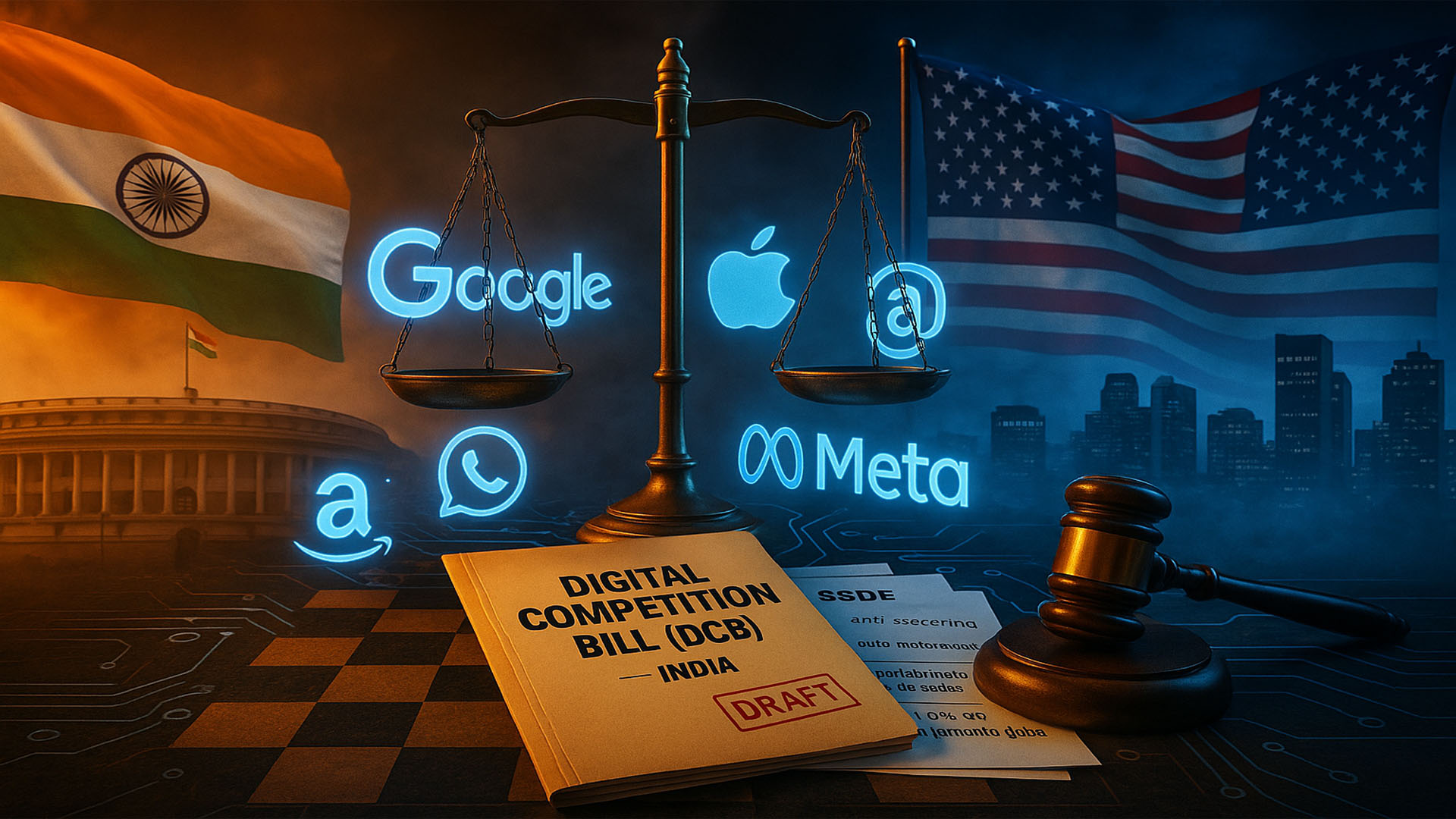


Bill Creates Ex-Ante Rules For Platforms With “Systemic Power,” But Timeline Remains Uncertain; Parliament Wants Implementation In Phases And Mechanism For Companies To Contest The Designation.
India is finalizing the Digital Competition Bill (DCB), a law for preventive rules regarding very large digital platforms, called SSDEs. The idea came from a government committee and has been in public consultation since March 12, 2024. The government is collecting suggestions to finalize the text and send it to Parliament.
In August 2025, the Finance Permanent Committee suggested implementing in stages, adjusting the criteria that define which companies fall under the law, and creating a right to contest for companies classified as SSDE. The Ministry and the antitrust authority (CCI) agree that it is necessary to calibrate the scope to avoid stifling innovation.
The Big Techs in the U.S. reacted. Entities representing Google, Amazon, and Apple requested the government to review the plan “in the style of the DMA European,” citing costs and impact on investments. The draft prohibits self-preference and the use of non-public data from partners to compete.
-
Brazilian city gains industrial hub for 85 companies that is equivalent to 55 football fields.

-
Peugeot and Citroën factory in Argentina cuts production by half and opens a layoff program for more than 2,000 employees after Brazil drastically reduced purchases of Argentine vehicles.

-
A Brazilian city gains a factory worth R$ 300 million with the capacity to process 200 thousand tons of wheat per year, a mill of 660 tons/day, silos for 42 thousand tons, and an industrial area of 276 thousand m².

-
Havan will leave the shopping mall in Blumenau to inaugurate something that the chain has never done before: a megastore in half-timbered style in the Historic Center of the city, which is expected to be completed in May and change the landscape of local retail.


According to Moneycontrol, the government is studying to soften parts ex-ante or postpone the sending of the new text while conducting market studies. Another report indicates that the proposal may be deferred until after the next fiscal year. It is a dispute between acting quickly and being cautious.
Who Can Become a “Gatekeeper” In India
The DCB defines SSDE for companies providing core digital services with significant reach and influence. The list includes search, social networks, video, messaging, operating systems, browsers, cloud, advertising, and online intermediation. It is similar to the EU DMA, with local adaptations.
The proposed criteria combine size and user base: revenue in India starting at ~US$ 480 million or global revenue of at least US$ 30 billion; GMV in India of ~US$ 1.9 billion or global market value of US$ 75 billion; and minimum of 10 million end-users or 10 thousand user companies in the country. If any of these points are met, the company must self-declare to the CCI for analysis.
The committee recommends periodically reviewing these figures and allows the CCI to consider related companies within the same group to ensure compliance. The law outlines general principles and leaves details for regulations.
To avoid overreach, Parliament wants to refine the limits to not affect growing Indian companies, implement the law in phases, and maintain a channel for contesting the SSDE label.
Core Obligations: Data, Self-Preference, and “Anti-Steering”
Designated as SSDE, platforms will need to operate in a fair, non-discriminatory, and transparent manner. Among the duties: not favoring their own services, not using confidential data from partners to compete, allowing data portability, not blocking third-party apps, and avoiding unnecessary “bundling”. The anti-steering rule ensures sellers can communicate with their customers and direct them to their own channels.
The rules will be detailed by service type in CCI regulations, which can differentiate obligations according to business model and scale. There is an anti-circumvention clause and a requirement for periodic compliance reports.
Sanctions would be civil and could reach 10% of global revenue, to provide a dissuasive effect. Previous cases indicate the trend: in 2024, the CCI limited the sharing of WhatsApp data with other Meta companies and imposed a fine, reinforcing the focus on data and interoperability.
Timeline, Final Version, and Political Dispute
The technical report from March 2024 outlined the ex-ante model. The government signals that a revised version may come after new sector studies. There are discussions about defense mechanisms against the SSDE label, and the processing may remain until after the next fiscal year.
Another front evaluates softening ex-ante points to avoid regulatory excess and protect innovation. Without a final text, the debate reflects pressures from platforms and parts of the legal sector.
The Parliament seeks balance: phased implementation, criteria adjustments, and right to contest, in the mold of the EU, to provide legal certainty and not mistakenly target startups.
What do you think? Should India adopt preventive rules like the DMA, or only strengthen penalties after the fact? Do the proposed limits target only global giants or also newly rising companies? Leave your comment and join the debate.










Desejo que a Índia proteja seus habitantes do poder exagerado que estas empresas exercem sobre os países onde atuam. Pode servir de exemplo para outros países como o nosso.
Os BRICS em bloco deveriam adotar estas medidas
BRICs levando o mundo para o domínio de ditadores chineses e russos.