





 Portuguese
  English
  Spanish
  4 min of reading
  0 comments


At 192 Years Old, Jonathan the Tortoise Is the Oldest Land Animal in the World and a Symbol of Resilience, History, and Care on the Island of Saint Helena
Jonathan, a giant tortoise of the Aldabra species, made history in 2019 when he was recognized by the Guinness World Records as the oldest land animal on the planet. At 192 years old, he lives on the island of Saint Helena in the South Atlantic, where he catches the attention of residents, visitors, and specialists.
His home is a Georgian mansion, where he spends his days safely, under the care of veterinarians and in the company of tourists who come to see him.
Jonathan was brought to the island in 1882, already around 50 years old, as a gift to the then-governor Sir William Gray-Wilson. Since then, he has become one of the most well-known figures in the British territory.
-
More than 13,000 fragments of pottery used as tickets, accounts, school exercises, and everyday messages resurface from the sands of Egypt, revealing a colossal archive of ordinary life hidden for centuries in Athribis.

-
A retired engineer in Canada built a water wheel by the river next to his house that generates 36 kWh per day without needing a dam, and now it produces so much energy that he exports the surplus to the power grid.

-
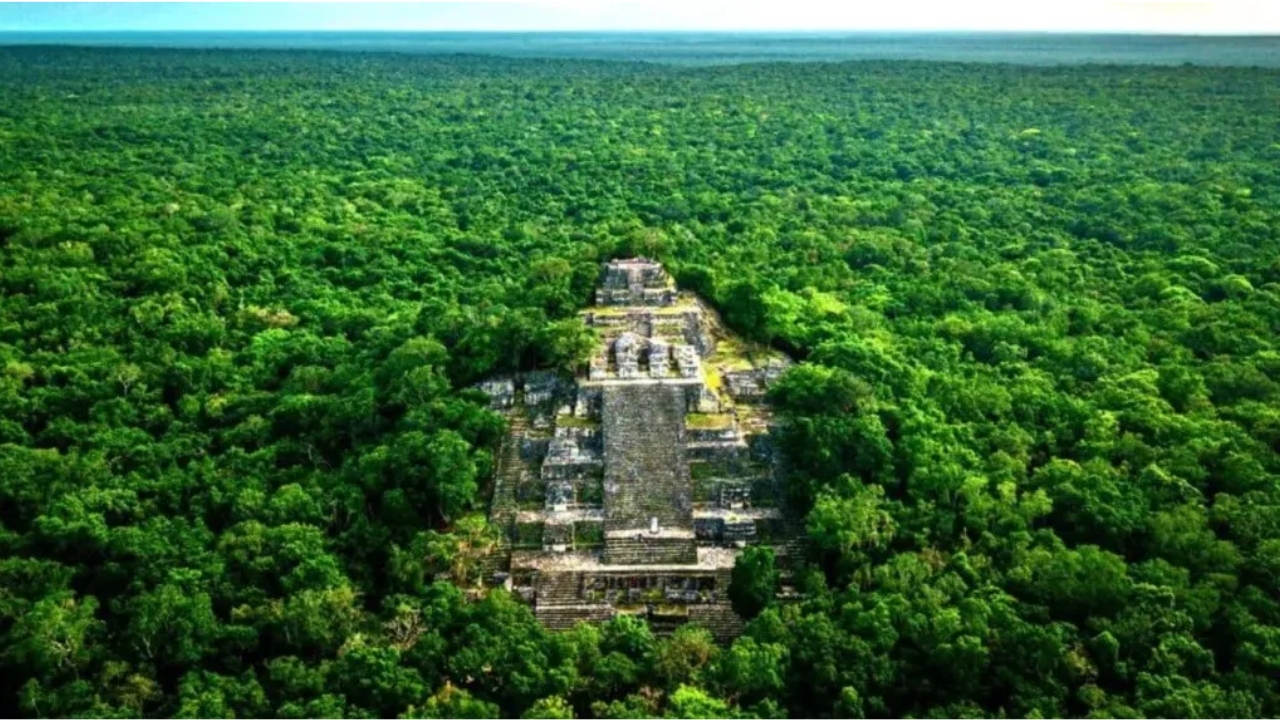
A huge Maya city has been detected beneath the Mexican jungle with the help of LiDAR, a system that shoots laser pulses from above to map the ground beneath the vegetation, revealing 6,764 structures.
-
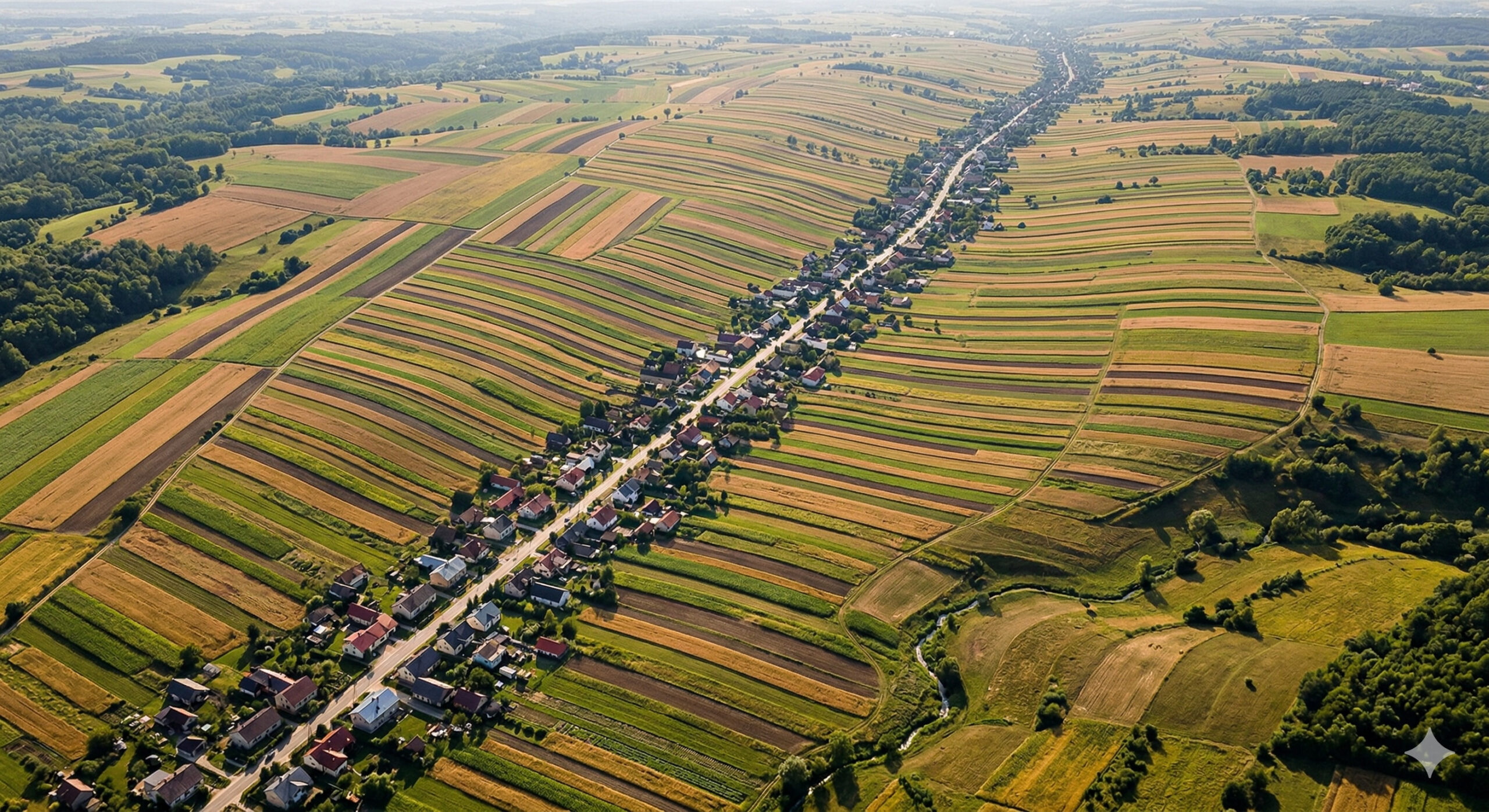
About 6,000 residents live concentrated along a single street nearly 9 km long in the interior of Poland, with houses forming a continuous row and narrow agricultural strips emerging behind them, creating one of the most unusual rural patterns in Europe.

A Life Marked by History
Throughout his long journey, Jonathan has lived through historical events that changed the world. He survived both World Wars, the Cold War, witnessed the fall of the Soviet Union, and observed the technological advancements of the 21st century.
Even with physical limitations caused by age, Jonathan remains a symbol of resilience and longevity.
His species, native to the Seychelles, was once considered extinct. Today, it is estimated that only about 80 turtles of this lineage exist in the world. The rarity of the species and Jonathan’s advanced age have made him an international icon.
Delicate Health and Special Care
Despite his impressive age, Jonathan faces health challenges. He has lost his vision and sense of smell, which affects his feeding. To ensure his nutrition, veterinarian Joe Hollins developed a special diet with vitamin and calorie-rich fruits and vegetables.
Jonathan consumes foods like apple, banana, guava, carrot, and cucumber. Since 2009, Hollins has closely monitored the tortoise and even hand-fed him when his physical condition was compromised. Since adopting the personalized diet, the animal has shown signs of improvement.
Even with limitations, Jonathan remains active and responds well to sounds. His hearing is in good condition, and he can move around the island with ease. It is common to see him interacting with visitors who travel from afar to meet him.
Global Popularity and Local Symbol
Jonathan is considered a celebrity in Saint Helena. He has appeared on stamps, commemorative coins, and even been the subject of international reports. His story inspires people around the world. A curious case involved an American couple who met due to their admiration for the tortoise. The man even proposed to his partner on the island, in front of Jonathan.
The average lifespan of Seychelles tortoises is around 150 years. However, Jonathan has already surpassed that mark by over four decades. For comparison, he has lived longer than Jeanne Calment, the oldest person ever recorded, who reached 122 years.
The Longest-Lived Animals on the Planet
Jonathan is an example of longevity in the animal world, but he is not alone. Other living beings also impress with their ability to live for centuries.
Sea sponges, for instance, lead the list. The species monorhaphis chuni can live up to 11,000 years. This feat is possible due to their extremely slow metabolism and the cold, deep environments they inhabit.
The ocean quahog, a bivalve mollusk found in the North Atlantic, can reach up to 507 years old. In 2006, a specimen was discovered at this age.
Another example is the Greenland shark. With an extremely slow metabolism, these animals can live up to 500 years. They grow about one centimeter per year and only reach sexual maturity at 150 years old.
Among marine worms, Lamellibrachia also draw attention. They can live up to 250 years, thanks to their symbiosis with bacteria that help them survive in hostile environments.
The Greenland whale is also impressive. Studies have found harpoons from the 19th century in whales hunted in the 2000s, proving they can live over 200 years. This longevity is attributed to genetic mechanisms for cellular repair and the cold environment.
Resilience and Evolution
Other notable species include the rougheye rockfish (205 years), the red sea urchin (200 years), the Galápagos giant tortoise (175 years), the geoduck (165 years), the Seychellois giant tortoise (150 years), the lake sturgeon (150 years), and the New Zealand tuatara (up to 140 years).
These animals share some common characteristics. Generally, they have slow metabolisms, live in cold or deep environments, and are protected from predators. These conditions reduce metabolic stress and prolong life.
Additionally, many of them reach sexual maturity later. This slower life pace contributes to a longer existence, especially in stable and isolated habitats.
A Symbol of Nature
Jonathan represents more than just longevity. This animal serves as a reminder of the history and resilience of nature against time. His life transcends the human cycle and connects generations.
As he continues to be cared for and admired in Saint Helena, Jonathan remains a living landmark. A symbol of the patience of time and the strength of life in its most enduring form.
With information from Exame.






Seja o primeiro a reagir!