





 Portuguese
  English
  Spanish
  6 min of reading
  0 comments


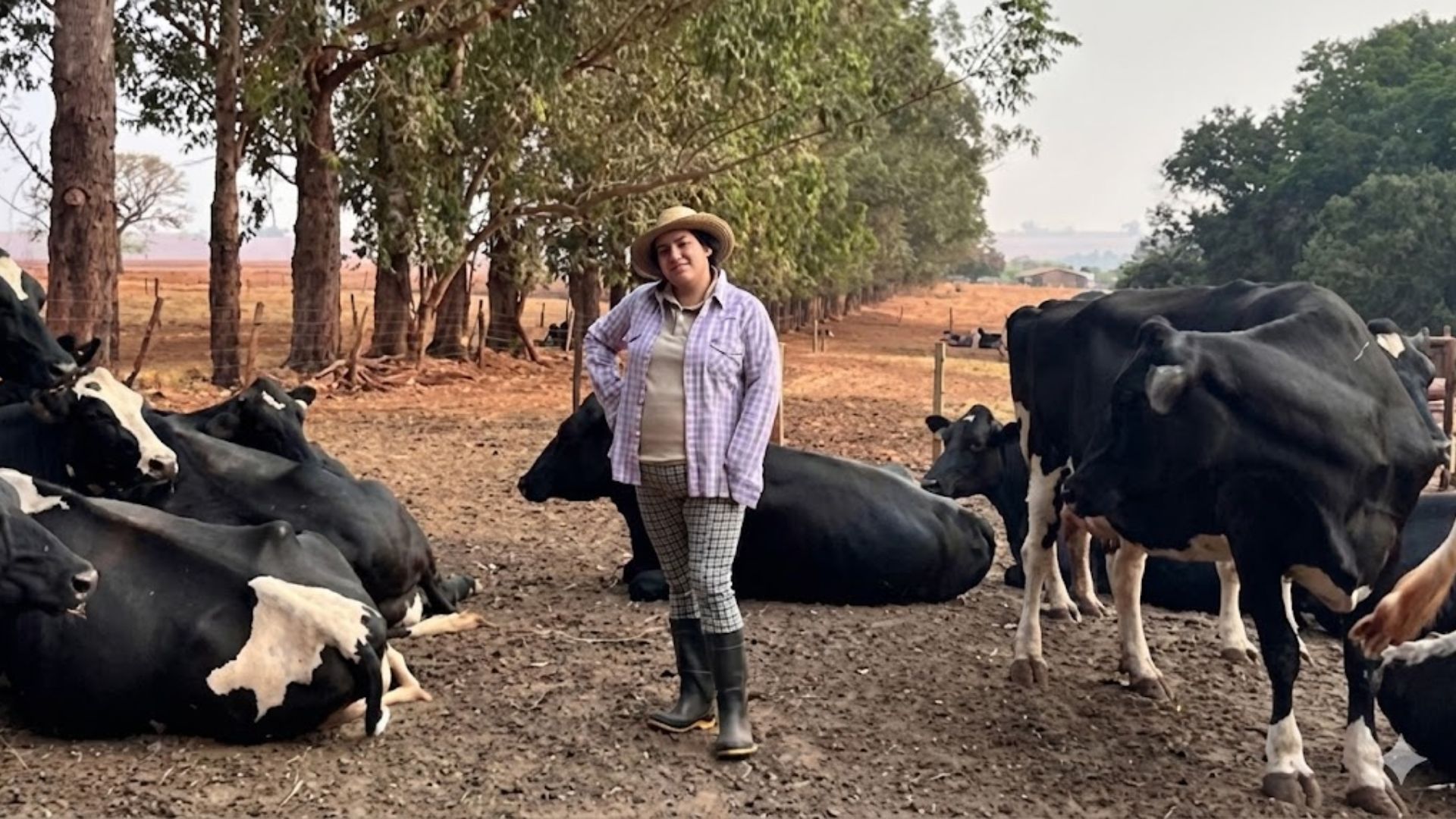
Young Producer Transforms Family Farm After Taking Over Management in Crisis and Adopting ILPF System.
The sudden death of her father in 2020 put young Maria Lúcia Bessa in front of an unusual decision among heirs of rural properties.
Sell the São Tomaz Farm in Rio Verde (GO), or take over the management of 500 hectares dedicated to dairy cattle and grain cultivation.
Instead of seeking an urban job in Goiânia, about 230 kilometers away, she stayed in the countryside.
-
With only 1% of Brazilian territory, Santa Catarina has built one of the most competitive industrial parks in the country with 64,000 companies, nearly 1 million jobs, and a growth of 5.3% while the national industry is practically stagnant.

-
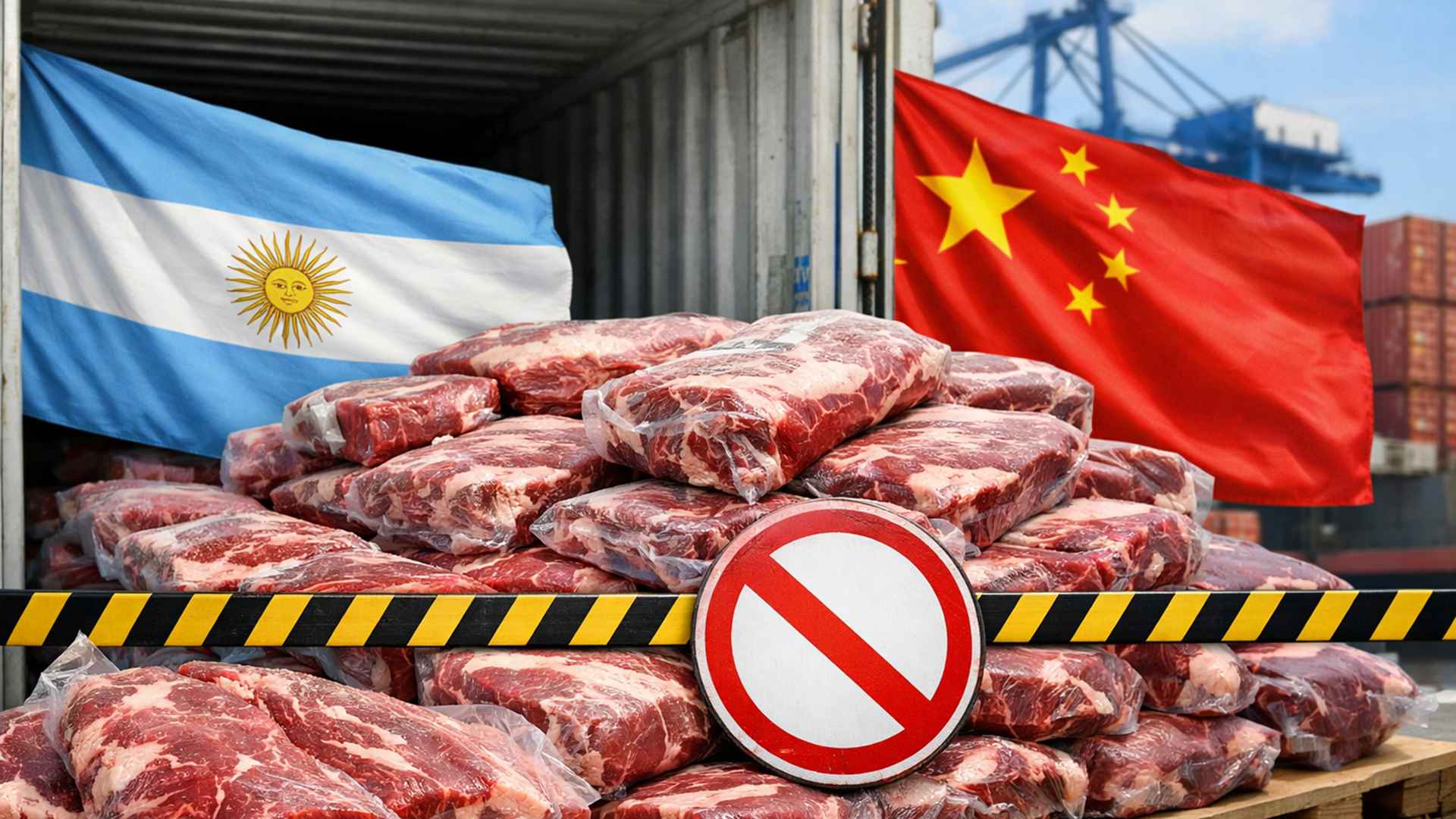
China banned the export of 22 tons of meat from Argentina.
-
While Russia dominates the global wheat market, Brazil emerges as an unexpected competitor in the Cerrado, offering grain available in July and August when stocks in the Northern Hemisphere are at their lowest point of the year.

-
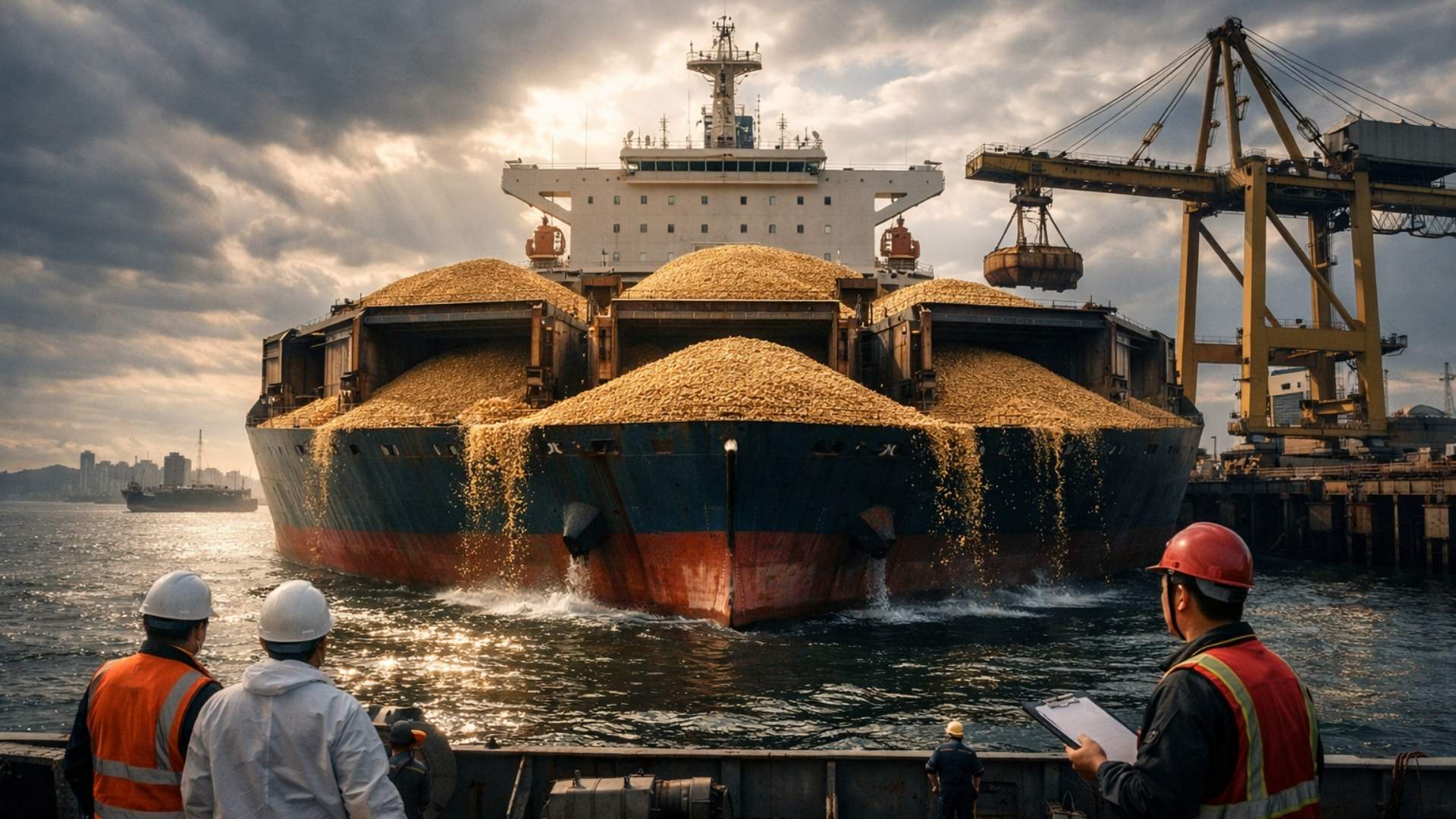
China returned almost 20 Brazilian ships with soybeans, but now everything could change: the country that buys 80% of the grain is considering relaxing regulations after impurities held up shipments of thousands of tons and caused million-dollar losses.

She redesigned the production system with integrated crop-livestock-forest (ILPF), regenerative practices, and renewable energy.
Four years later, she became the runner-up in the medium property category of the 2024 Women in Agribusiness Award, an initiative by Bayer in partnership with the Brazilian Agribusiness Association (Abag).
Production Structure and Succession Challenges
Under her father’s leadership, the model adopted on the farm combined soybean monoculture with already degraded pasture areas.
This resulted in exhausted soils and a dairy herd with reduced efficiency.
The average of 15 liters of milk per cow/day was below regional indicators.
Narrow margins were compounded by debts exacerbated by the pandemic and commodity volatility.
At the time of succession, old management weaknesses became evident.
According to the Agricultural Census from IBGE, women still represent a minority of the management of medium properties.
Without a completed degree in agronomy, which she was studying remotely, Maria Lúcia took on negotiations with banks and cooperatives.

She sought to extend deadlines, renegotiate inputs, and recover the family’s investment capacity.
She also faced cultural resistance in the region, where female presence at the head of dairy farms is still treated as an exception.
The initial priority was to avoid the fragmentation of the area and the eventual auction of the land to settle debts.
Financial and Operational Restructuring
The memory of the farm, acquired by the family in the 1990s, weighed heavily in the decision to stay.
The property represents income and territorial ties in the agricultural hub of Southwest Goiás.
Since adolescence, the producer had participated in milking and planting routines, which aided in the transition.
To restore cash flow between 2020 and 2021, she sold weaned cattle considered less strategic.
She directed the resources towards higher-performing seeds and hired a livestock expert to review sanitary and nutritional protocols.
This adjustment stabilized cash flow through the sale of milk to regional dairies.
The average prices were consistent with reports from the period.
The strategy prioritized maintaining dairy activity as a continuous source of income.
Meanwhile, a structural change in land use was being planned.
Implementation of ILPF and Modernization of the Farm

The turning point came in 2022 with the implementation of ILPF on about 60% of the usable area.
Fatigued pastures were replaced with a mosaic of eucalyptus, rotating soybeans, and managed paddocks for around 250 Girolando cows.
The model, aligned with studies from Embrapa Cerrados, aims to restore soil fertility, maintain permanent cover, and reduce erosion.
It also allows for increasing animal stocking rates per hectare.
In the project presented to the Women in Agribusiness Award, Maria Lúcia reported that the team identified management and cost bottlenecks.
“We identified bottlenecks such as outdated management and invested in cost analysis to triple daily milk production“, she stated.
The planting of eucalyptus in intercropped lines began to provide biomass for feed supplementation.
This helped reduce expenses with industrial feed.
Meanwhile, the farm intensified its focus on genetics and precision nutrition.
With the use of embryos from European breeds, the herd began to record averages close to 35 liters of milk per day.
Some selected animals exceeded this volume.
The diet began to incorporate by-products from corn and soy produced on-site.
The formulas were adjusted based on soil and plant tissue analyses.
In just a few years, the combination of ILPF, genetic improvement, and adjusted feed significantly increased milk volume.
The São Tomaz Farm started producing about 120,000 liters per month.
The volume is directed to industries that require traceability and animal welfare.
Solar Energy, Bioinputs, and Diversification
The sustainability agenda was not limited to the soil.
In 2023, 50 kW solar panels were installed.
They now supply a significant portion of the energy needed for milking, cooling, and lighting.
According to experts, the adoption of photovoltaic energy in dairy properties has advanced due to reduced emissions and costs.
The crop management was also reviewed with the introduction of bioinputs in intercropped soybean areas.
Inoculants and microorganisms replaced part of the chemical fertilizers.
Researchers point out that this practice is strategic for reducing carbon footprint and dependence on expensive inputs.
This change enhanced the farm’s alignment with environmental, social, and governance criteria.
In marketing, the producer diversified channels.
In addition to milk delivered to the industry, she began producing artisan cheeses sold at fairs in Rio Verde.
Part of the silage is traded with neighboring properties in partnership with local cooperatives.
Recognition and Expansion of Practices

National recognition came with the 2024 Women in Agribusiness Award.
The announcement occurred during the National Congress of Women in Agribusiness in São Paulo.
Among about 500 entries in the medium property category, Maria Lúcia secured second place.
The São Tomaz Farm project was described by the award organization as a reference case in integrated practices.
The visibility expanded the producer’s network of contacts.
She started to join mentoring groups and technical events promoted by industry entities.
In meetings with other managers, she shares rotation protocols, financing strategies, and monitoring routines.
Today, at 27 years old, Maria Lúcia coordinates a team of about a dozen employees and consultants.
Agronomists use drones to map pasture vigor and plan renovations.
The diversification includes beekeeping niches and small-scale honey production.
There is also a composting area that transforms manure into organic fertilizer.
The property also invests in center pivot irrigation to enhance water security.
Role of the New Generation and Future of Integrated Systems
The case of São Tomaz Farm fits into a broader movement of adoption of integrated systems and youth retention in the countryside.
Studies on ILPF indicate continuous expansion of integrated areas in the country.
Official data shows a significant outflow of youth from rural areas.
Initiatives for female empowerment, such as the Women in Agribusiness Award, specific credit lines, and technical assistance, aim to change this scenario.
In a context of climate change and growing demand for traceability, systems like ILPF are pointed out by experts and entities as alternatives that combine area recovery, productivity, and lower greenhouse gas emissions.
To what extent can stories like Maria Lúcia’s influence decisions of other rural families regarding succession and property maintenance?






-

-

-

6 pessoas reagiram a isso.