





 English
  Francês
  Alemão
  Italiano
  Japonês
  Norueguês
  Portuguese
  Spanish
  4 min of reading


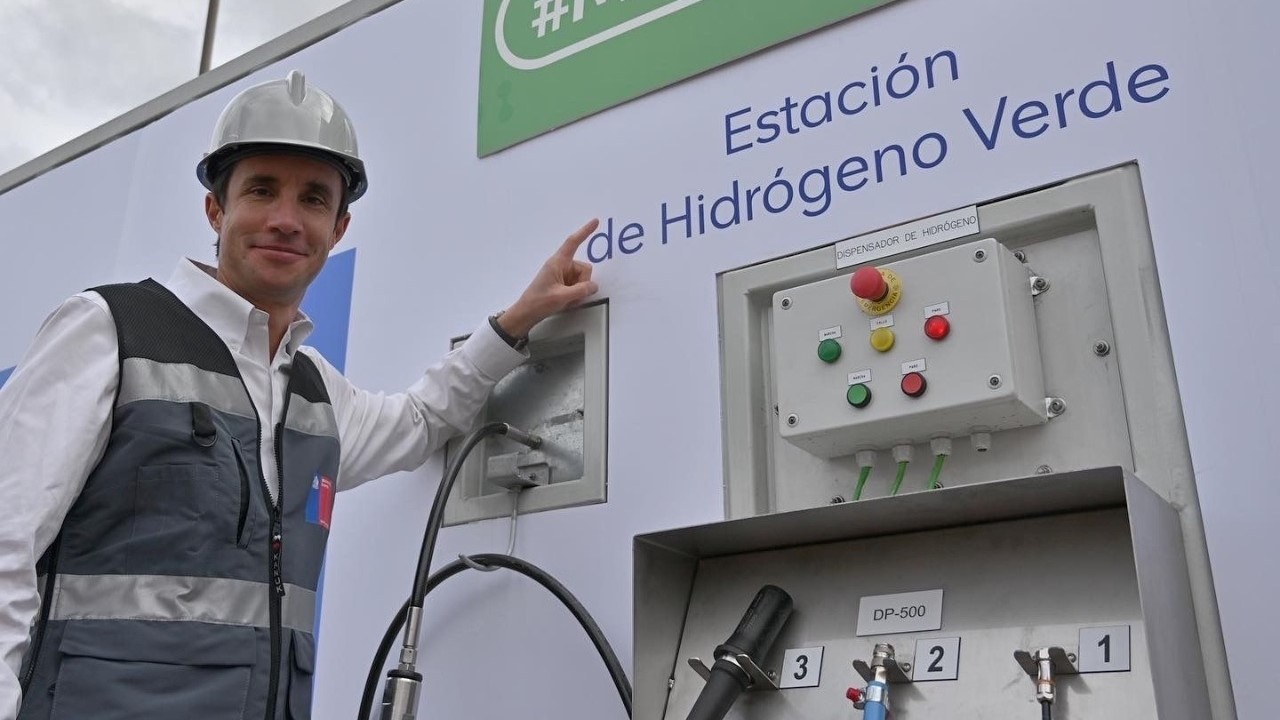
With a Focus on Reducing the Carbon Footprint of National Mining — Eyeing Future Production Competitiveness, Chile Sets Ambitious Goal: To Produce the Cheapest Green Hydrogen in the World in Ten Years
The H2 Chile association ensures that the country is on the right track to meet its first goal of achieving 5 GW of electrolyzer capacity in development by 2025 and, if it continues with these signals, by 2050 the export of this energy would account for more than 10% of GDP. Within the framework of COP26, the importance of green hydrogen as a vector for decarbonizing different productive sectors and services worldwide is highlighted.
Read Also
- Another Record for the Brazilian Oil Giant: With 104 Operations in November, Petrobras’ LNG Regasification Terminals Set the Annual Record for Transfers
- Operation of the National Petroleum and Gas Agency Interdicts Gas Stations in São Paulo; Fines May Reach R$ 5 Million Plus Suspension of Operations
- Operation of the National Petroleum and Gas Agency Interdicts Gas Stations in São Paulo; Fines May Reach R$ 5 Million Plus Suspension of Operations
- Petrobras Needs to Increase Gasoline Prices by 6% to Eliminate the Gap Between Fuel Prices in the Country and Its International Quotation

“Our goal is to have 5 GW of electrolyzer capacity in development by 2025, produce the cheapest green hydrogen on the planet by 2030, and be among the top three exporters by 2040,” says Chile’s Minister of Mining and Energy, Juan Carlos Jobet, in an interview with epbr.
Chilean Government to Invest 330 Billion Dollars by 2050 in Its National Green Hydrogen Strategy
The Government of Chile, aware of this, launched its National Green Hydrogen Strategy in November 2020, which “will require a cumulative investment of 330 billion dollars by 2050” and aims for “Chile’s exports to other economies to exceed copper exports, accounting for more than 10% of GDP.” Highlights include Andrea Moraga Paredes, Executive Director of H2 Chile and Executive Director of Continuous Soluciones SpA.
-
With 160,000 m² of collectors, an area larger than 20 football fields, Silkeborg, in Denmark, hosts a solar thermal plant that heats 19,500 homes and could become the largest solar heating plant in the world.

-
A study reveals the expansion of renewable energy procurement in Brazil and shows how companies are taking advantage of opportunities to reduce expenses, ensure energy efficiency, and strengthen strategic environmental commitments.

-
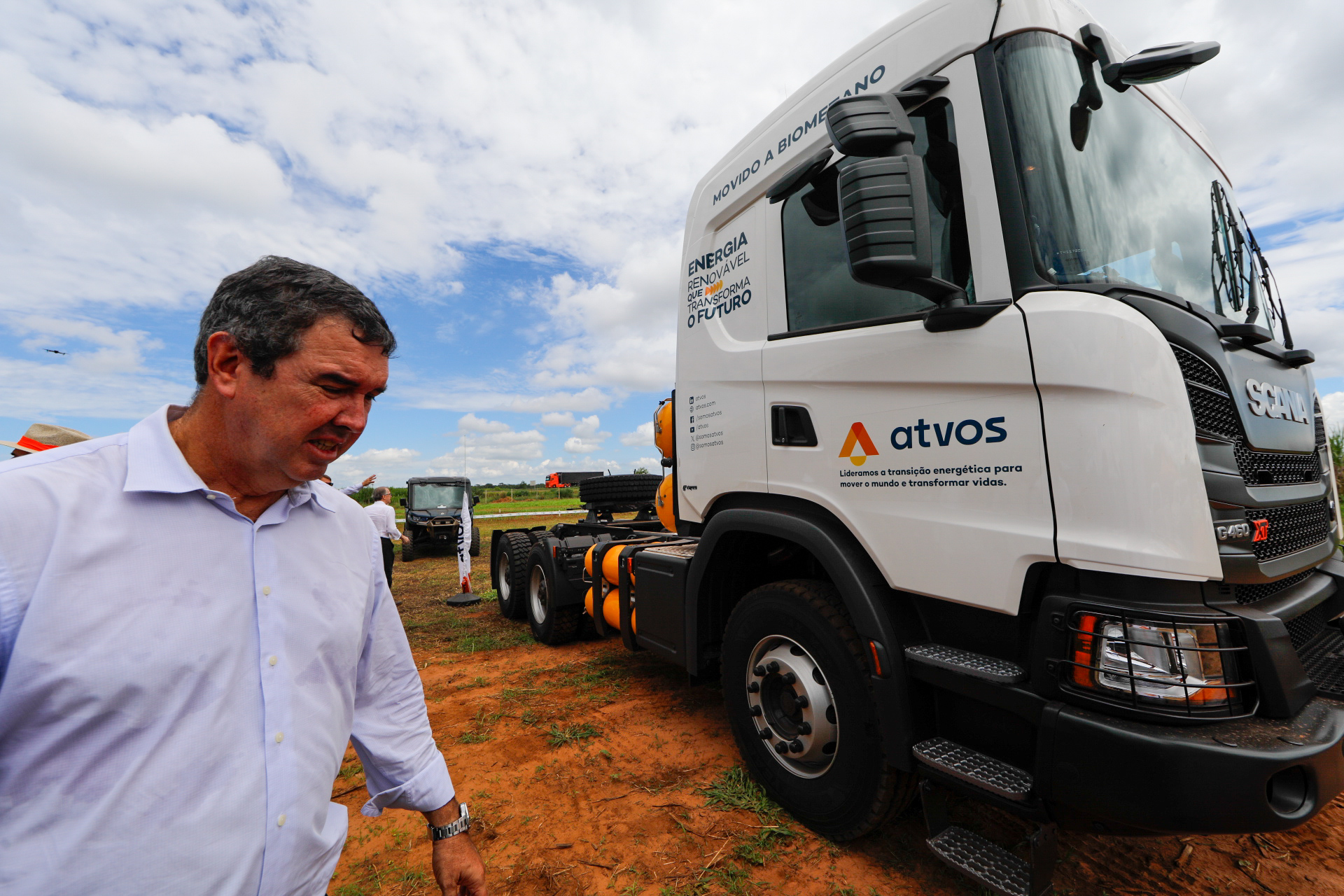
Mato Grosso do Sul excels in the sugar-energy sector: the state reaches a milestone of 22 operating mills and accelerates the production of clean energy in MS with a focus on sustainability.
-
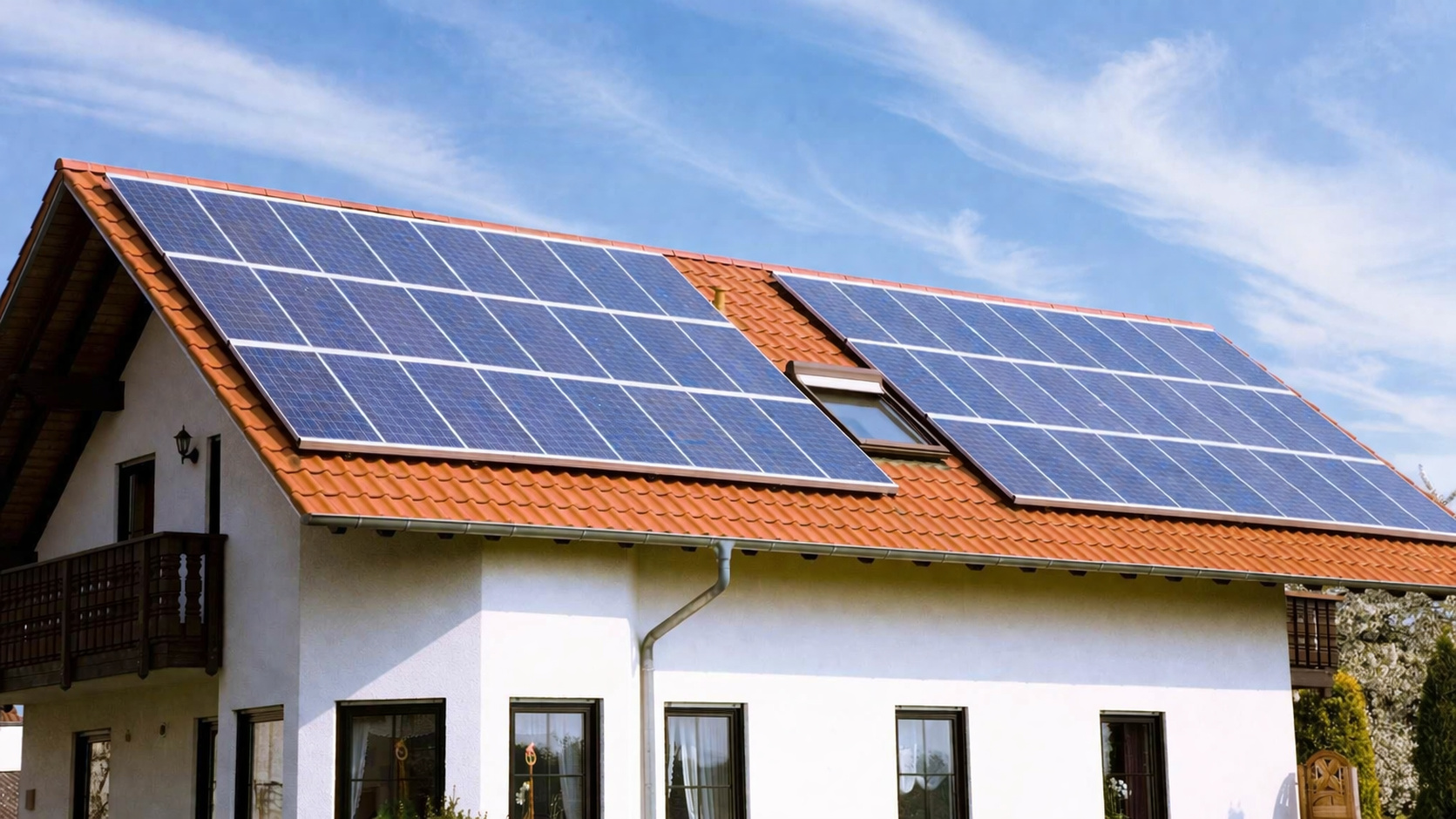
National energy dilemma: Brazilians support clean energy but reject increases in tariff costs to finance the sustainable transition.

Chile provides details on the green hydrogen (H2V) projects being carried out in Chile and the state the country is in to achieve its long-term goals, one of which aims to produce this fuel at cheaper market prices by 2030: $1.30 per kilogram.
As of August this year, the portfolio of green hydrogen projects in Chile tripled compared to November 2020, increasing from 20 to 60 projects.
In September, Construction Began on the Haru Oni Project by HIF – the First Green Electronic Fuels Project
It should be noted that there are currently two plants producing green hydrogen molecules in Chile. The first since 2017: the hybrid photovoltaic solar plant, batteries, and hydrogen plant by Enel Green Power and Enap, located in the Antofagasta region, this Power-to-Power system powers the electrical demand of the Cerro Pabellón field.
The other plant, inaugurated in August this year, is operated by Anglo American and consists of a Mobility Energy system to power H2V forklift cranes at a mining site.
In September this year, construction began on the Haru Oni project by HIF, which is the first green electronic fuels project based on hydrogen in Chile and is located in the Magallanes region. This project brings together public and private sectors, as well as Chilean and foreign entities.
The factory owner is the Chilean HIF, supported by Enap, German Siemens and Porsche, Italian Enel Green Power, and Gasco, among other companies. It is expected that this plant will start operating in 2022.
Other Major Green Hydrogen Projects in Chile Supported by Global Giants Like Engie and Enaex
Another project launched in September this year is the H2GN project, promoted by Gasvalpo with technological partner Busso Group.
This initiative aims to inject green hydrogen into the natural gas distribution networks that the company operates in the Coquimbo Region, replacing up to 20% of natural gas usage, reaching over 1,800 homes in the cities of Coquimbo and La Serena. It is expected to begin operations in the first half of 2022.
Additionally, the HyEx project, led by Engie and Enaex in the Antofagasta region, which aims to generate green ammonia for explosives locally and for export, has already entered the evaluation system through an Environmental Impact Declaration (DIA) in September.
The Hydra project, led by CSIRO, Mining3, Engie, and funded by Corfo, is also progressing in the implementation of the cargo train, on a pilot scale, for a CAEX truck, and is in the preparation phase for field testing of the system under real operating conditions.








Seja o primeiro a reagir!