





 Português
  Inglês
  Espanhol
 3 min de leitura
  0 comentários


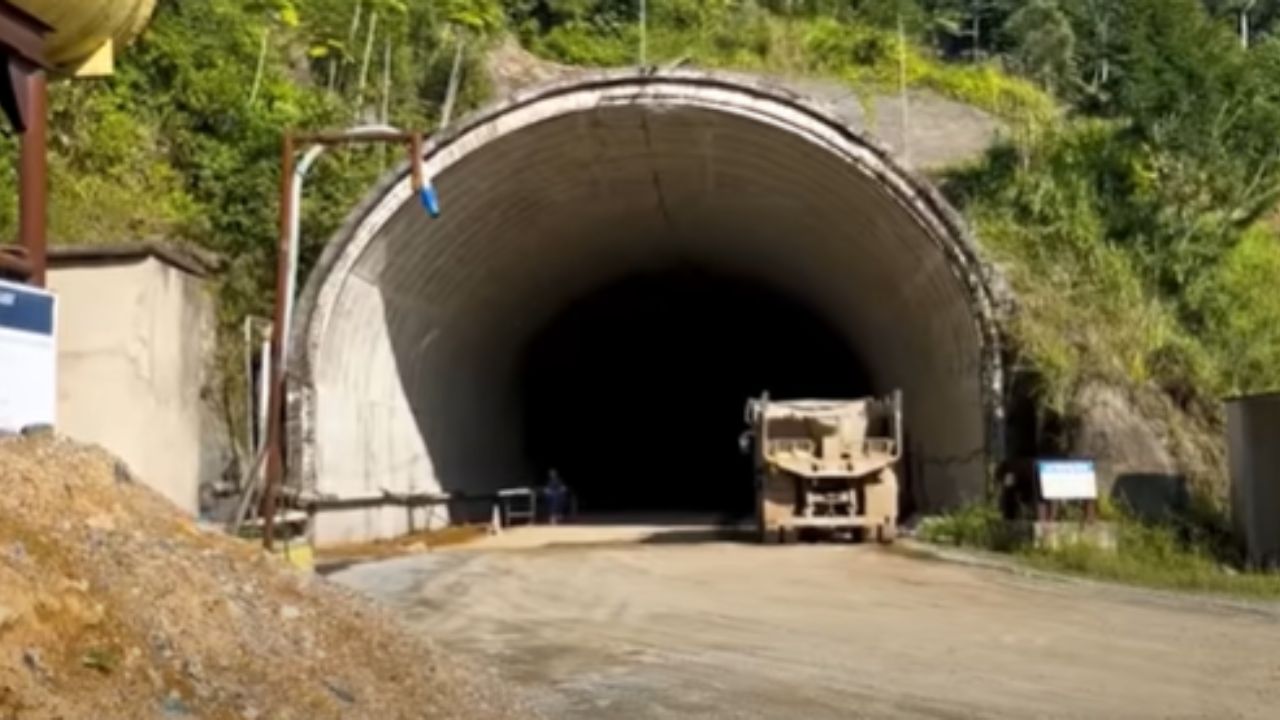
With Robust Investment and Advanced Engineering, the New Route in Santa Catarina Will Transform Mobility and the Regional Economy, Standing Out for the Complex Construction of a Double Tunnel.
Santa Catarina is making progress on one of its boldest road works: the Jaraguá do Sul Bypass. Part of an investment of nearly R$ 1.7 billion for the duplication of BR-280, the project exceeds simple duplication. It involves the construction of a double tunnel under Morro do Vieira, redesigning logistics in northern Santa Catarina. It is expected that 50,000 vehicles will avoid urban congestion daily, gaining in speed and safety. This construction is a promise of transformation for transportation, industry, and local quality of life.
A Strategic Work for Santa Catarina’s and National Logistics
The Jaraguá do Sul Bypass is located in a vital area of Santa Catarina, in the northern part of the state. Jaraguá do Sul is a recognized metallurgical, textile, and technological hub, with significant production aimed at export. The city is a route to the Port of São Francisco do Sul, crucial for the flow of production. Logistical improvements here benefit both the state and the national economy. Integrated with the duplication of BR-280, the bypass solves the bottleneck of urban traffic, which mixes heavy and local traffic on congested roads, offering a modern and efficient detour.
Overcoming Engineering Challenges
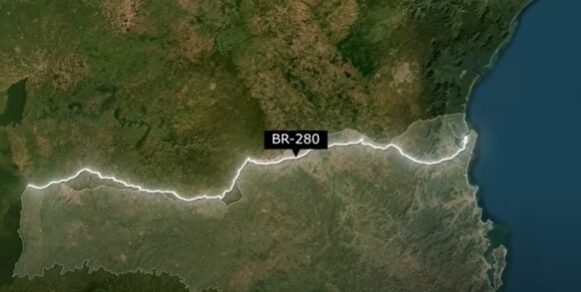
The Jaraguá do Sul Bypass project encompasses 23.8 km of new highway, planned for high traffic volumes. It includes 18 special artworks, such as overpasses and bridges. The highlight of the construction is the double tunnel under Morro do Vieira, with galleries of 1,060 meters (left side) and 1,005 meters (right side). This solution was chosen to overcome the mountainous terrain, preserving the environment and minimizing expropriations. The construction of the tunnel employs the NATM method, using the rock mass itself as support, in addition to shotcrete and other containment structures. Rock removal is controlled, and the foundations of the bridges and overpasses are deep, ensuring stability. The pavement follows high-resistance standards.
-
A megaproject worth R$ 89 billion is advancing in Iraq and promises to change the game in global trade by creating a new corridor between Asia and Europe, reducing traditional routes and repositioning the country as a logistics powerhouse.
-
Goodbye bedside table: floating shelves become a trend in 2026 by freeing up space in the bedroom, improving circulation, bringing visual lightness, and integrating technology without taking up floor space.

-
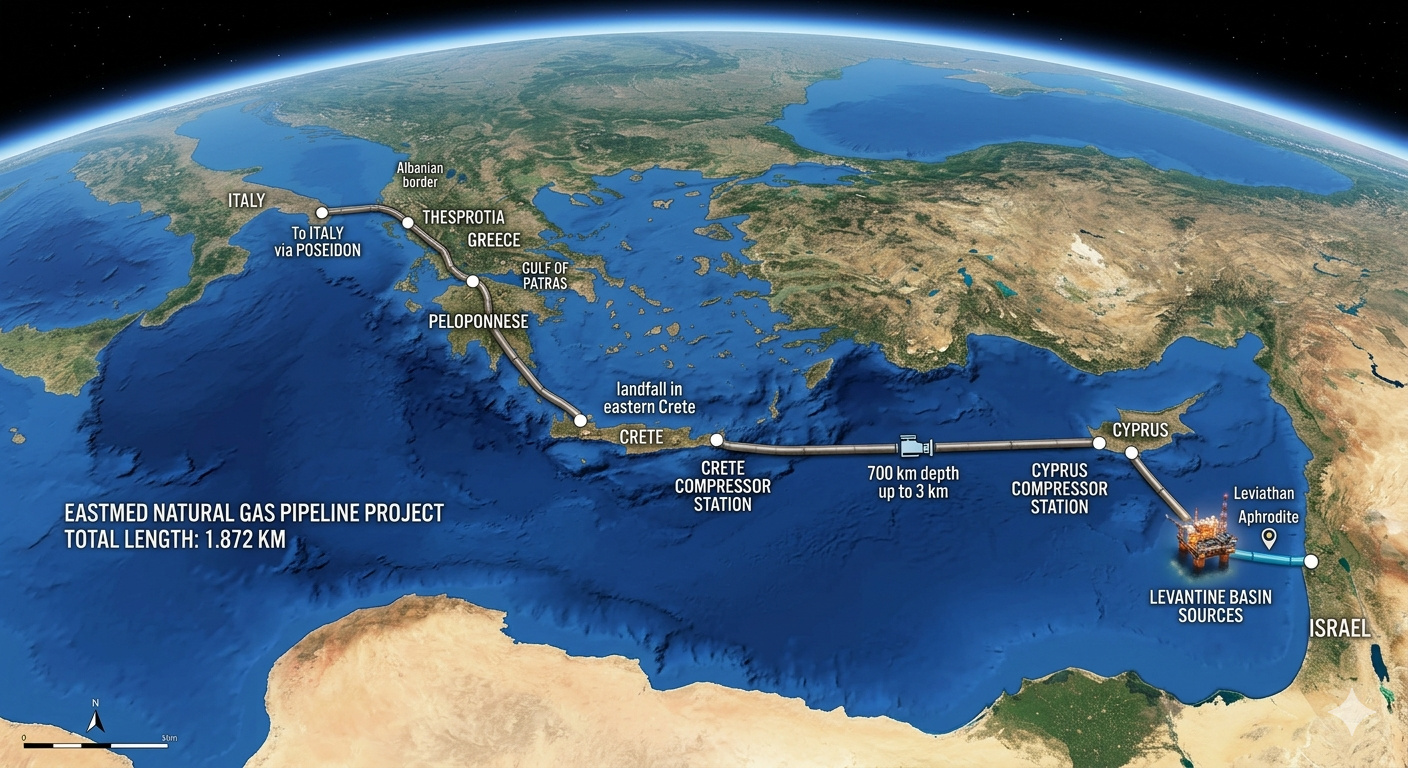
Israel, Greece, and Cyprus signed an agreement in 2020 to transport gas from the Mediterranean to Europe via a 1,872 km pipeline, but Turkey claimed sovereignty over part of the maritime route, and the project never materialized.
-
Israel, Greece, and Cyprus signed an agreement in 2020 to transport gas from the Mediterranean to Europe via a 1,872 km pipeline, but Turkey claimed sovereignty over part of the maritime route, and the project never materialized.

Schedule and Current Progress of Lot Construction
The complex construction has been divided into three lots. The total budget for the duplication of BR-280 (73.9 km) is R$ 1.7 billion (PAC), with Lot 2.2, which includes the bypass and tunnel, having a specific contract of approximately R$ 977 million. According to data from DNIT (February 2025), Lot 1 has reached 26% completion; Lot 2.1, 79%; and Lot 2.2, with the tunnel, 68%. Funding is secured by the Growth Acceleration Program (PAC). The total completion is expected by 2026, with possible early release of sections in December 2025.
Comparison with Other Major Road Works
The construction of the double tunnel highlights the Jaraguá do Sul Bypass. Works such as the Florianópolis Bypass (BR-101/SC), with four double tunnels and investment exceeding R$ 3.7 billion, are similar references. The Petrópolis Bypass (BR-040/RJ), with tunnels in Serra dos Órgãos, faced cost and deadline challenges, exceeding R$ 8 billion. Unlike duplications in simpler terrains, such as BR-470 or BR-116, the Santa Catarina project requires advanced geotechnical engineering and stands out for controlled execution and guaranteed funding.
More than Asphalt, a Promising Future
The Jaraguá do Sul Bypass will be fundamental for mobility in northern Santa Catarina, shortening distances and relieving traffic. It will represent a significant advance in infrastructure in southern Brazil. This construction is an example of how engineering can promote development, positively impacting industrial competitiveness, state logistics, and local quality of life, marking a historic transformation for Jaraguá do Sul.








Seja o primeiro a reagir!