





 Portuguese
  English
  Spanish
  3 min of reading
  0 comments


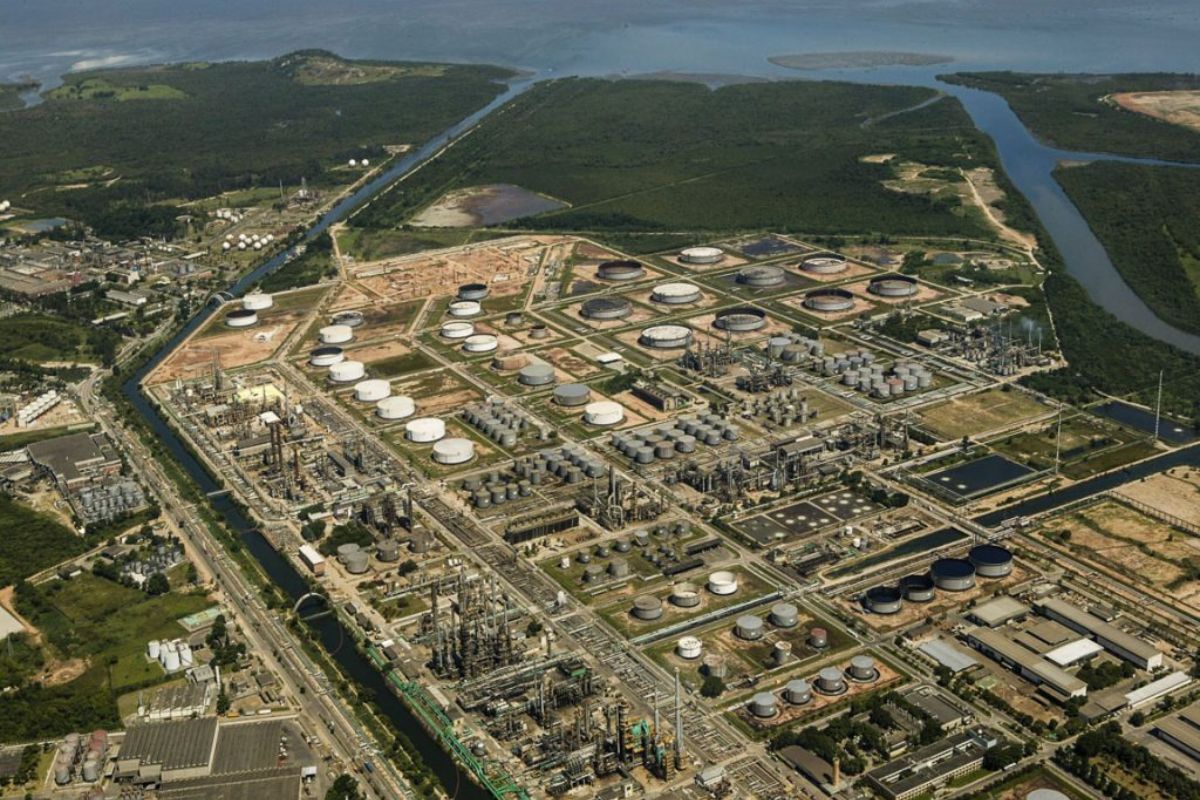
With Capacity To Process 434 Thousand Barrels Of Oil Per Day, The Petrobras Refinery In Paulínia (Replan) Is Not Only The Largest Oil Refinery In Brazil, But A Strategic Pillar For The Economy And National Energy Security.
In the heart of São Paulo state, in Paulínia, operates a true colossus of the national industry. The Paulínia Refinery, or Replan, is the largest oil refinery in Brazil. Its production of fuels such as diesel and gasoline is essential to supply the largest consumer market in the country and ensure Brazilian energy self-sufficiency.
The history of Replan, from its record construction in the 70s to its modernization to process pre-salt oil and produce biofuels, is a portrait of the evolution of Petrobras and Brazil itself. Today, in 2025, the refinery is undergoing a new investment cycle but also faces the challenges of a transforming economic landscape.
The Record-Breaking Construction In The 70s Of The Largest Oil Refinery In Brazil
The history of Replan began in July 1969, during the height of the “Economic Miracle.” Petrobras initiated the construction of its new and most modern refinery in a strategic location: Paulínia, 118 km from the state capital, in the center of the country’s most dynamic market.
-
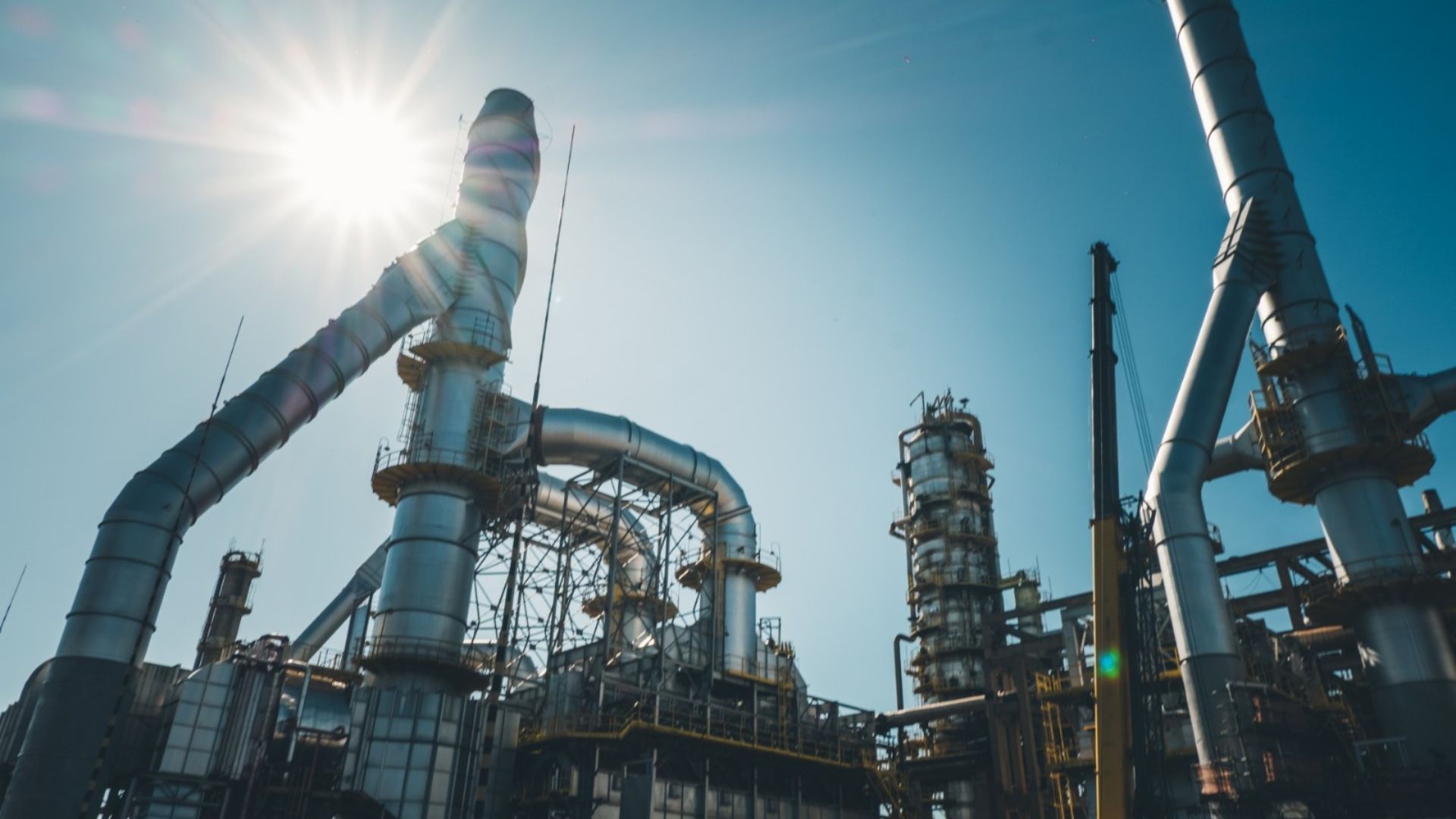
Petrobras Expands Refining in Brazil, Increases Production of Diesel S-10 and Gasoline, Enhances Operational Efficiency, and Reduces Import Dependence Between 2023 and 2025
-
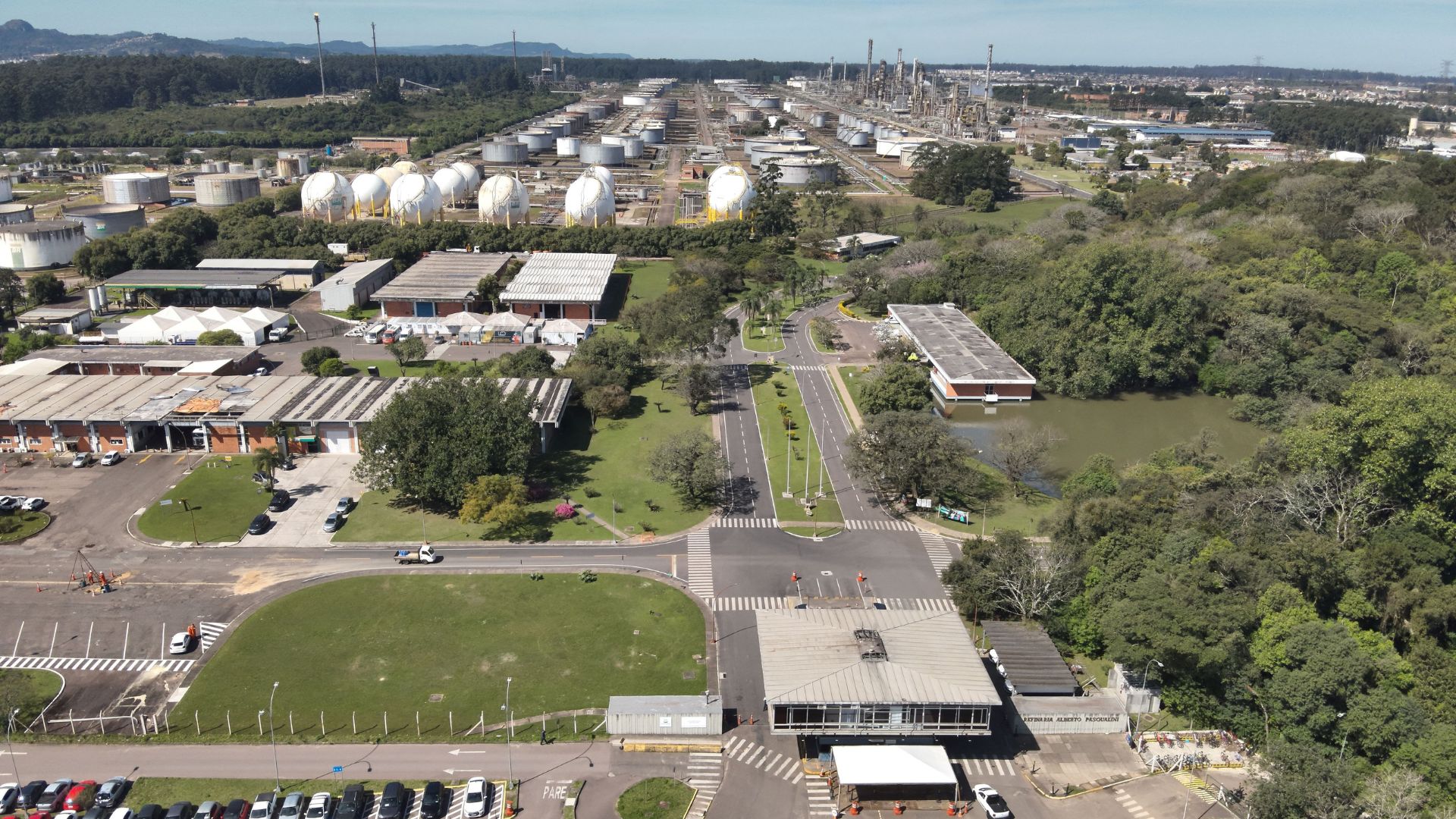
Petrobras’ Refap Sets Historic Records for Gasoline and S-10 Diesel Production in Canoas in Q4 2025, Surpassing Previous Figures
-
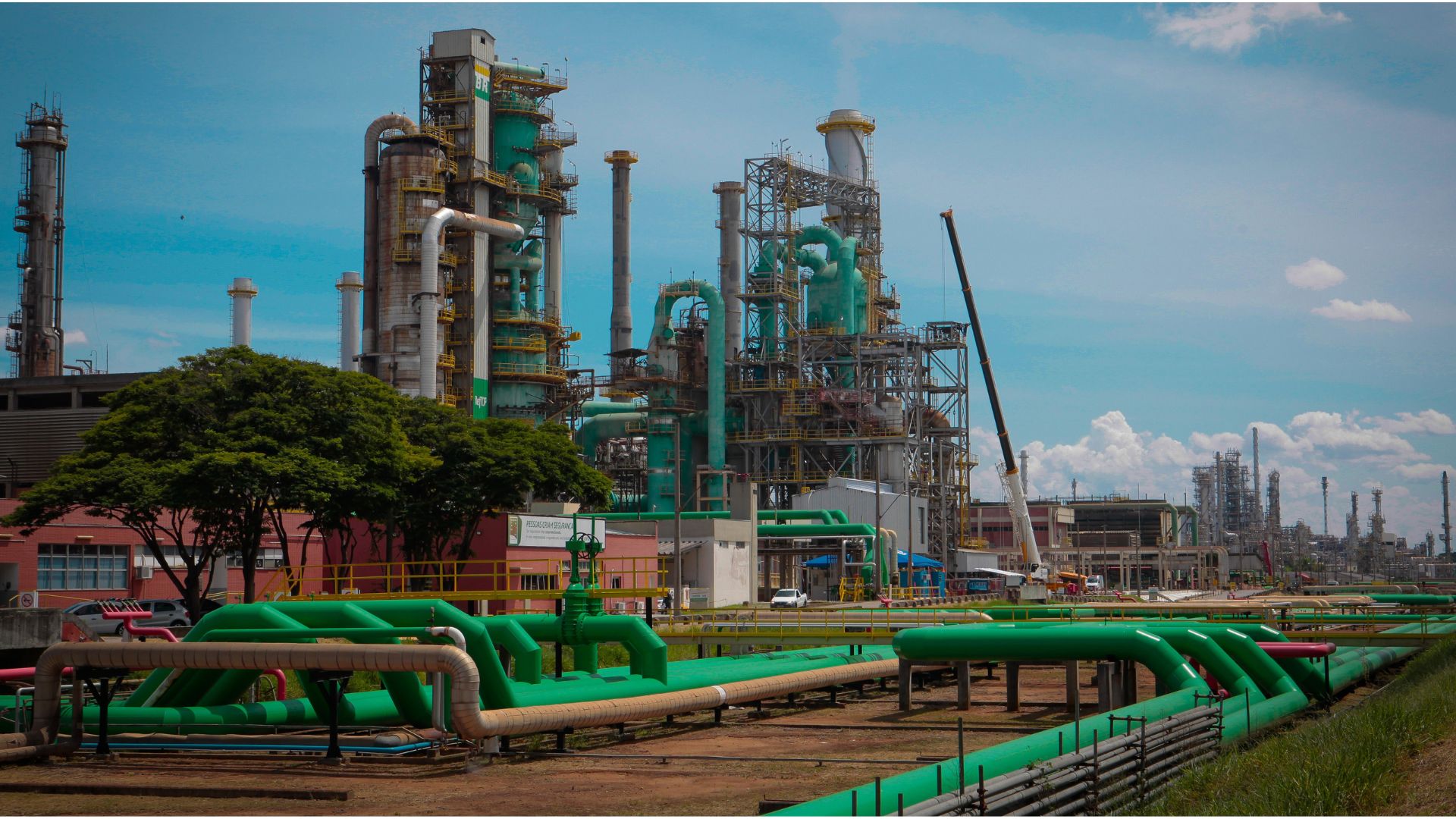
Revap Starts Operation of Modernized HDT and Petrobras Expands S-10 Diesel Production by 80% at the Refinery, Boosting Supply of Less Polluting Fuel in Brazil
-
Thermal Power Plant in Rio Grande do Sul Is Key to Attracting GWM
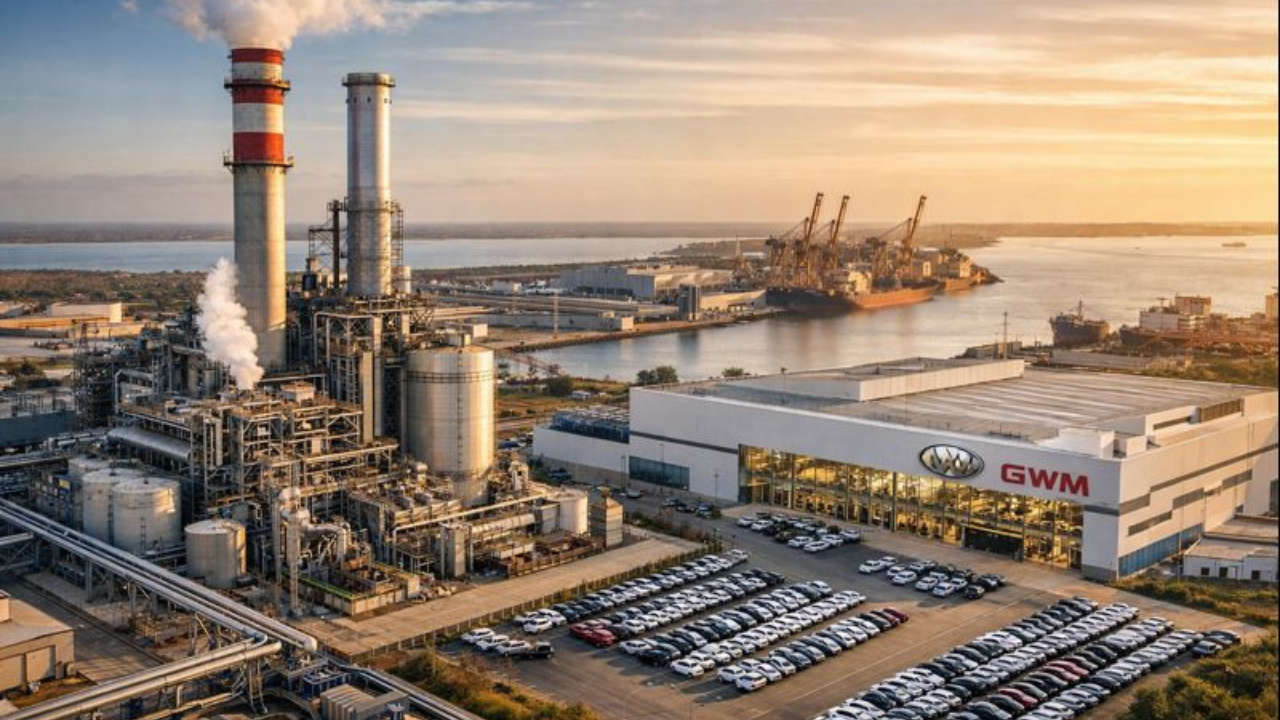

The project was an engineering feat. Completed in just 1,000 days, the refinery was officially inaugurated on May 12, 1972. According to an article published by Petrobras itself, the choice of Paulínia was a deliberate move to support the industrialization of the Southeast and reduce dependence on imported fuels.
The Capacity To Process 434 Thousand Barrels Per Day
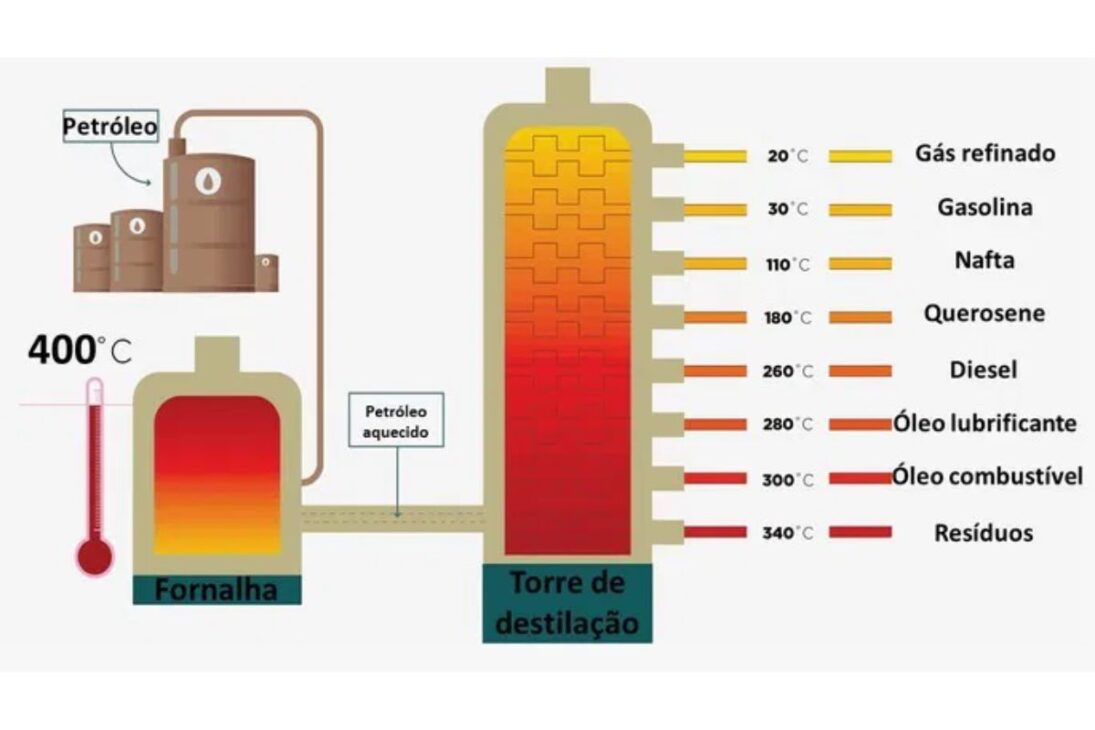
Replan is by far the largest oil refinery in Brazil. Its processing capacity authorized by the National Agency of Petroleum (ANP) is 434,000 barrels per day, which represents about 17% of the country’s total refining capacity.
Its strategic importance was reinforced with the discovery of the pre-salt. The refinery was modernized to process light oil coming from the Santos Basin, which now makes up the majority of its load. In 2023, Replan reached its highest production volume in the last decade, with 24.5 billion liters of derivatives, including record highs in the production of diesel and gasoline.
The Impact In Paulínia And The Threat Of Tax Reform
Since its installation, Replan has transformed the economy of Paulínia. The ICMS revenue generated by the refinery represents about 70% of the municipality’s total income, making it one of the richest in Brazil in terms of GDP per capita.
However, this extreme dependence has become a risk with tax reform. The change in tax collection, which will now take place at the place of consumption rather than production, threatens the financial health of the city. Studies commissioned by the Paulínia City Council and reported by local media project a loss of up to 68.4% of the municipality’s revenue by 2032.
The Modernization In 2025: The Focus On Clean Diesel And Biorrefining
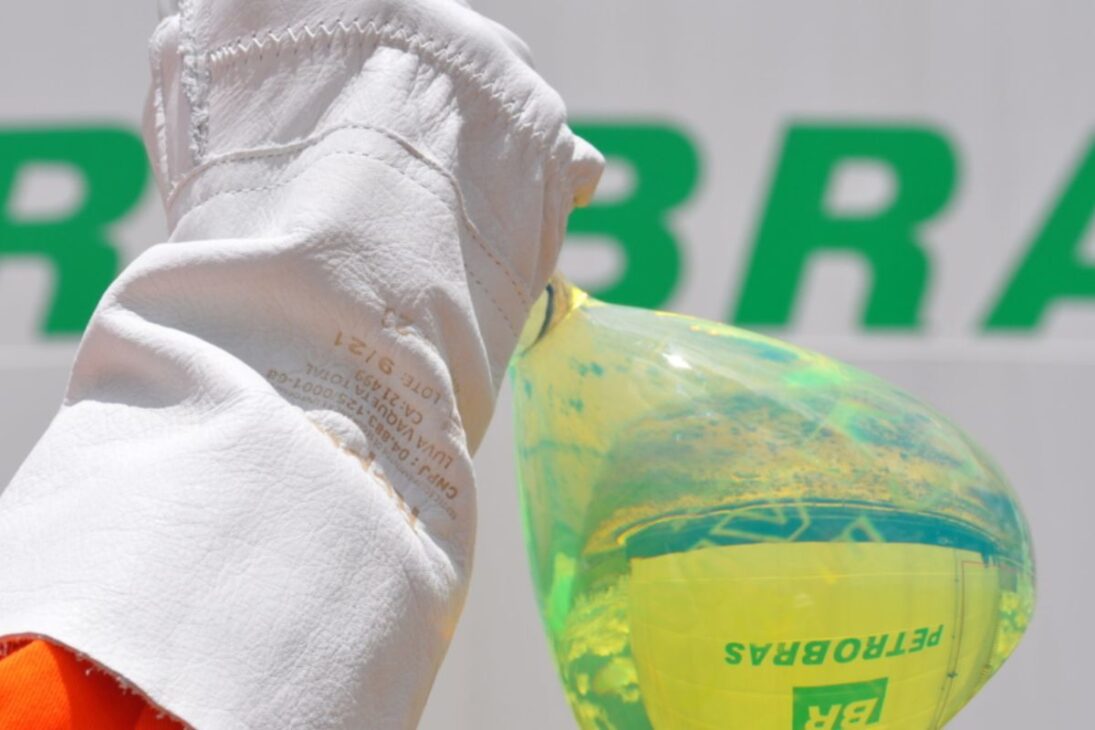
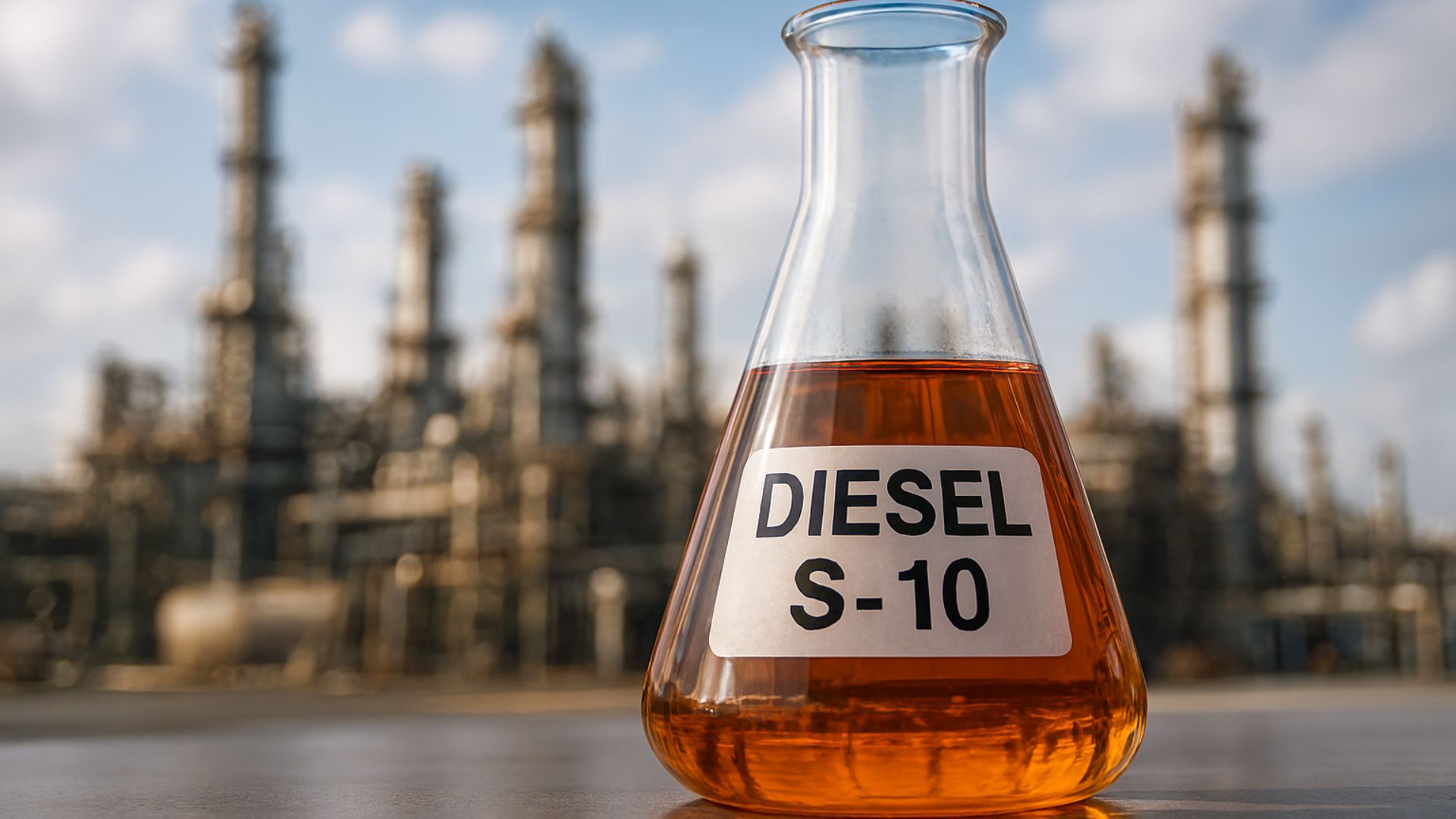
Replan continues to evolve. In May 2025, Petrobras began, three months ahead of schedule, the operation of a new Diesel Hydro Treatment Unit (HDT). The project, part of the New Growth Acceleration Program (PAC) of the federal government, will enable the entire diesel production of the refinery to be S-10 type, with low sulfur content and less polluting.
Furthermore, the refinery is preparing for the future of energy. Petrobras is already conducting tests for the production of Diesel R5, a fuel with 5% renewable content. The expectation is that commercial production will begin by 2027, positioning Replan at the forefront of biorrefining in the country.
The Legacy Of Replan: The Pillar Of Energy Security In Brazil
With over 50 years of history, Replan has established itself as an irreplaceable asset for Brazil. Its production supplies about 30% of the national territory, including the interior of São Paulo, the South of Minas, the Midwest, and even the North Region.
Its capacity to process pre-salt oil and adapt to produce cleaner and renewable fuels ensures its relevance for the coming decades. The history of the largest oil refinery in Brazil is that of a giant that continues to evolve to drive the country forward.









-

Uma pessoa reagiu a isso.