





 Portuguese
  English
  Spanish
  4 min of reading
  4 comments


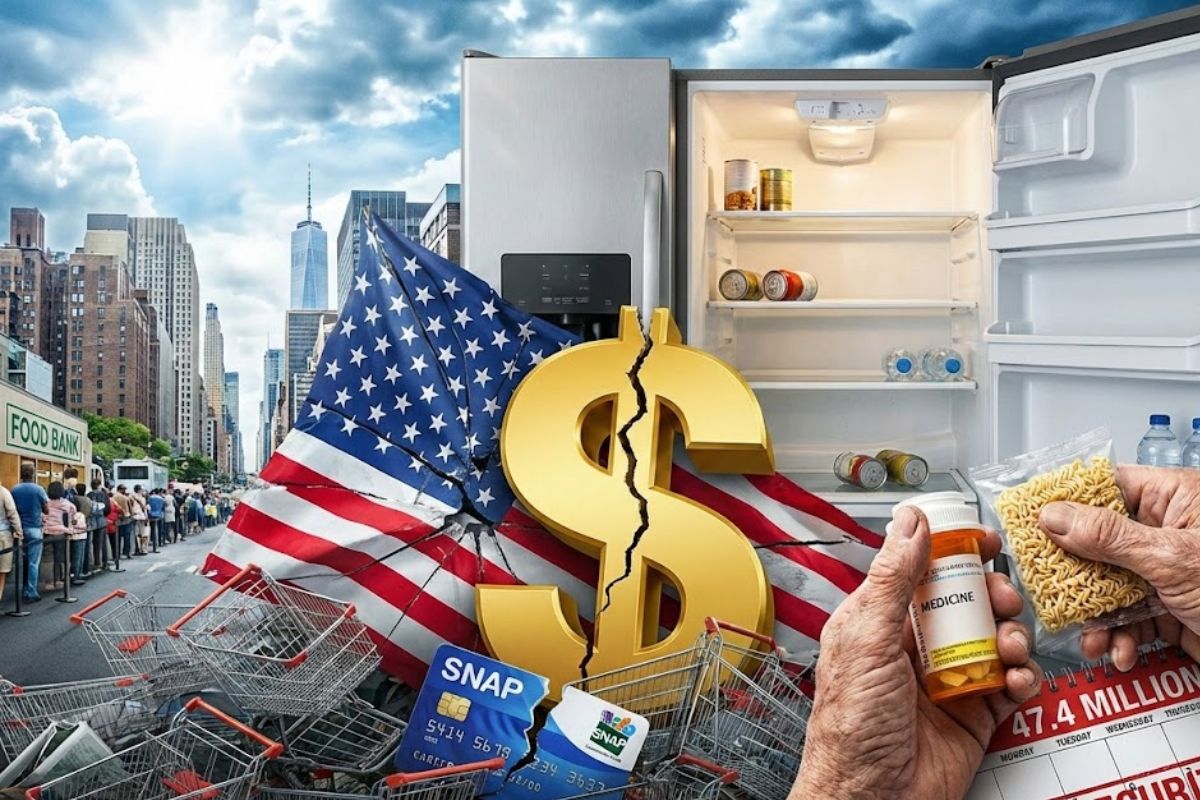


In The United States, The Largest Economy on The Planet Coexists with 47.4 Million People Living in Uncertainty About Their Next Meal, SNAP Cuts, Nearly Empty Refrigerators, and Families Choosing Between Food, Medicine, Rent, and Basic Bills Every Month, While Brazil Faces Similar Contingent of Food Insecurity in Silence.
The contradiction is brutal. In a country whose economy is about 13 times larger than Brazil’s, fathers and mothers report entire days marked by doubt about the next meal, nearly empty shelves, increasingly smaller bags, and radical decisions at home. Meanwhile, public debate remains focused on inflation, interest rates, and GDP, leaving hunger relegated to sporadic news reports and cold statistics.
On the other side of the hemisphere, Brazil counts approximately 54.7 million people in a similar situation, also unsure of what will be on their plate. The difference is that, in the United States, the problem contrasts with the image of abundance and permanent consumption, creating an even more evident shock between the showcase of the superpower and the reality of millions struggling to secure a simple meal.
When The Next Meal Becomes A Risky Choice
Behind the statistics are stories like that of a mother interviewed in Florida, who must choose between paying for an expensive diet to control her daughter’s epilepsy or stocking the pantry for the rest of the family. At one end of the decision is the minimum meal for everyone.
-
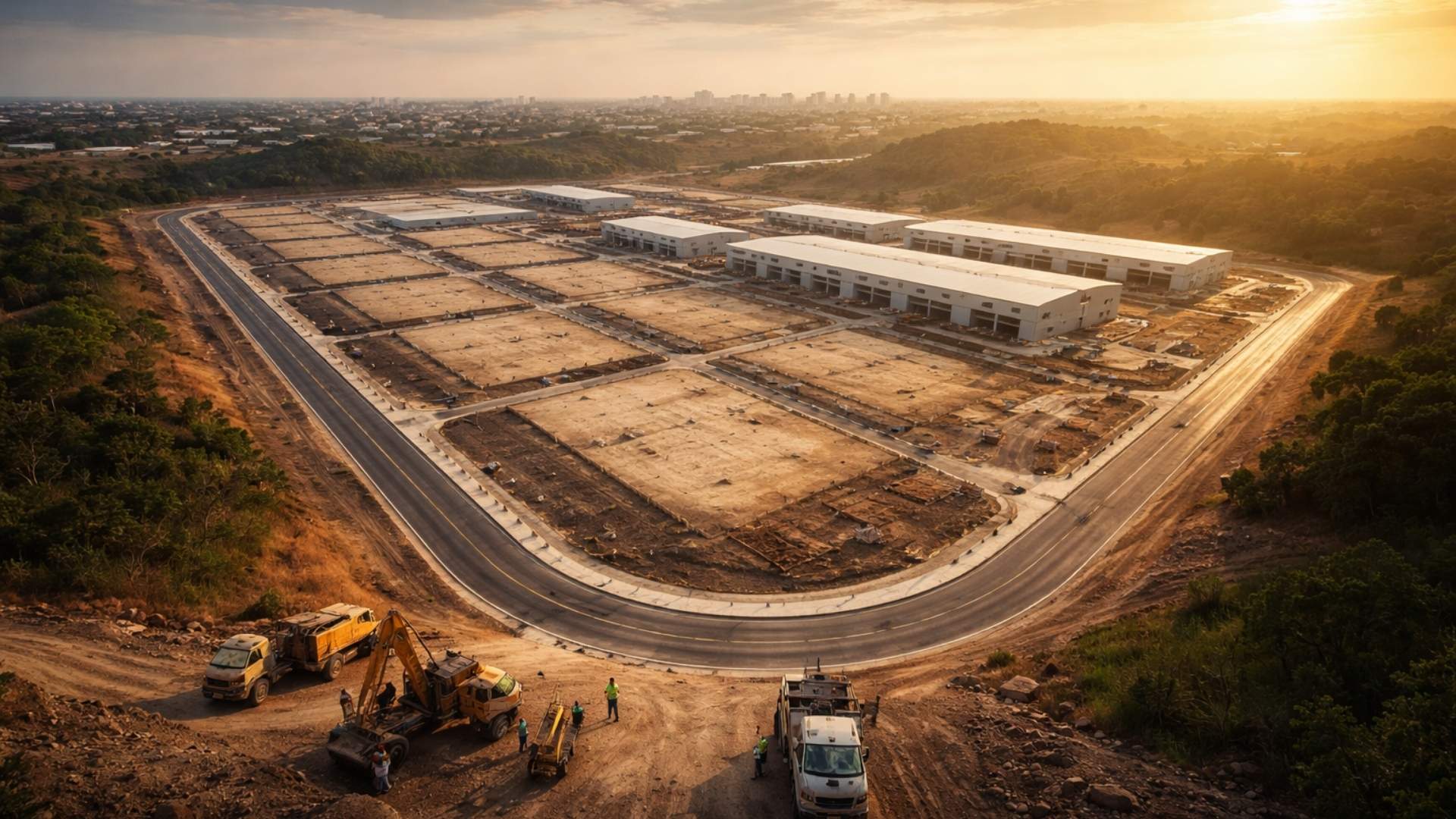
Brazilian city gains industrial hub for 85 companies that is equivalent to 55 football fields.

-
Peugeot and Citroën factory in Argentina cuts production by half and opens a layoff program for more than 2,000 employees after Brazil drastically reduced purchases of Argentine vehicles.

-
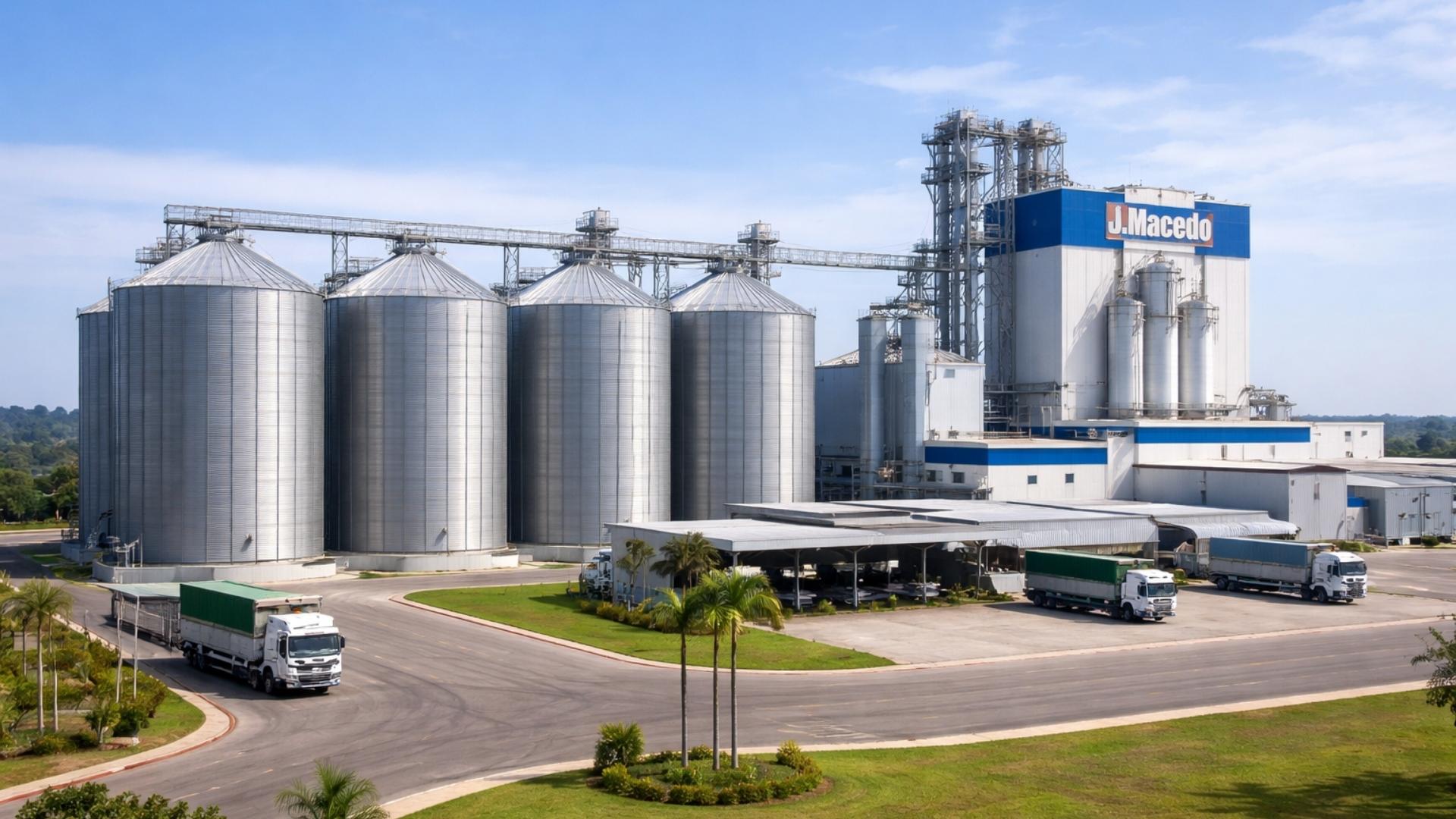
A Brazilian city gains a factory worth R$ 300 million with the capacity to process 200 thousand tons of wheat per year, a mill of 660 tons/day, silos for 42 thousand tons, and an industrial area of 276 thousand m².
-
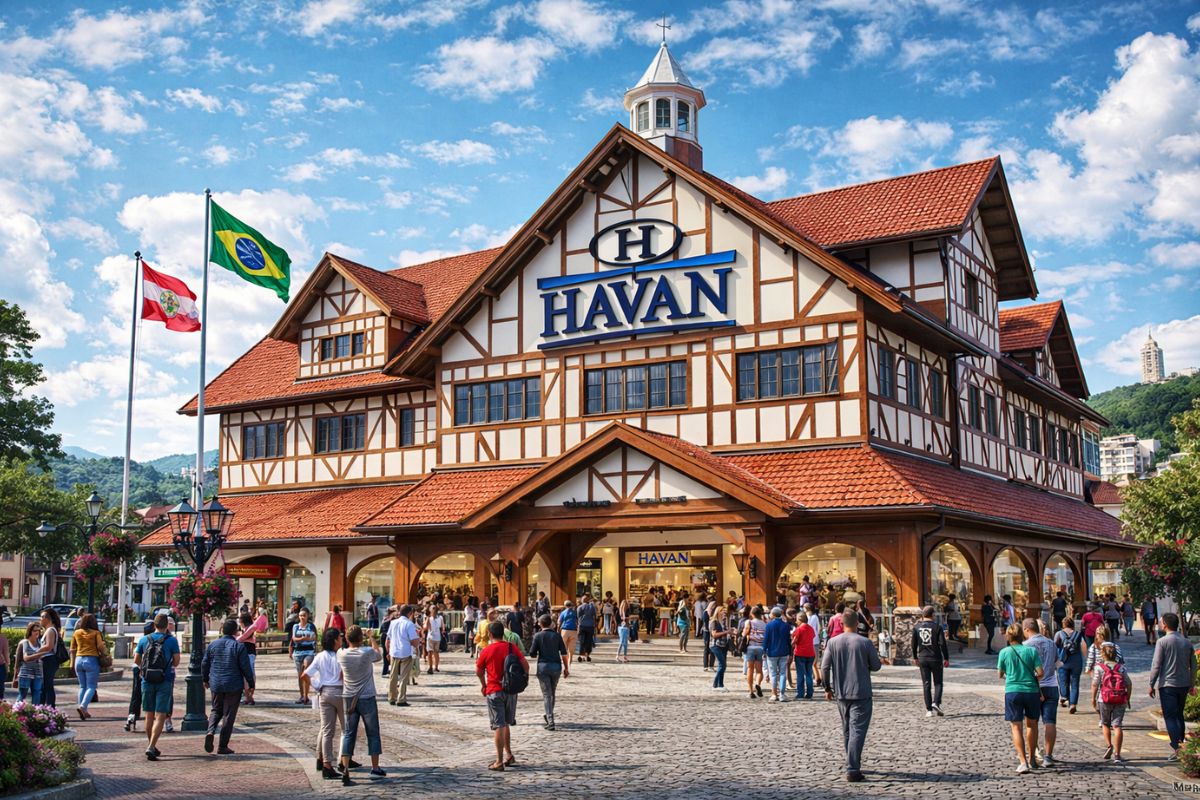
Havan will leave the shopping mall in Blumenau to inaugurate something that the chain has never done before: a megastore in half-timbered style in the Historic Center of the city, which is expected to be completed in May and change the landscape of local retail.
At the other is the possibility of seeing the child convulse because the therapeutic diet has been interrupted.
Another account is from a 62-year-old man with a physical disability who spends days sustained by spoonfuls of peanut butter, the only food remaining.
The scenes repeat themselves in different states, composing a picture that experts describe as a silent phenomenon in the world’s largest economy.
The uncertainty about the next meal has become routine, not an exception.
SNAP, Shutdown, and Nearly Empty Refrigerators
The SNAP program, approximately equivalent to Brazil’s Bolsa Família in scale and function, should be the minimum barrier between poverty and hunger.
But it was directly affected by a budget shutdown that halted payments for 43 days amid political impasses in Washington.
During this period, cases like that of Sara Rodrigues, a Florida resident, multiplied.
With the benefit frozen, she reported having only pickles, a little milk, and a few pots of yogurt in the refrigerator to feed her 14-year-old son.
The next meal began to rely on fractional leftovers, delayed coupons, and daily improvisation.
The temporary interruption of resources is not just an administrative delay.
For those living on the edge, each day without payment means one meal less, one more trip to the food bank, one bill that goes unpaid to free up some money for the supermarket.
Giant GDP, Fragile Food Security
Official data from 2023 and 2024 indicate that 47.4 million people are facing food insecurity in the United States.
In parallel, Brazil, with a GDP 13 times smaller, coexists with a similar number of vulnerable individuals.
The comparison reveals a central contradiction: the size of the economy does not guarantee food on the plate, whether in Washington or Brasília.
The special report mentions that, while the economic debate highlights growth, employment, and consumption, food insecurity remains on the margins.
It is a problem that does not appear in urban showcases but hides in empty-stock refrigerators, increasingly empty shopping carts, and families rationing each meal to try to get through the month.
Work, Low Wages, and The Cost of Each Meal
A public policy professor at the University of Michigan summarizes the machinery that sustains this scenario.
According to him, the American job market offers positions that can make someone very rich, alongside a mass of jobs that pay very little compared to the cost of living.
In other words, millions of people work but do not earn enough to secure three meals a day with stability.
The problem is not just the absence of jobs but the combination of compressed wages, expensive housing, costly healthcare, and increasingly expensive food.
When the budget doesn’t balance, the first variable to adjust is usually food.
Thus, entire families find themselves choosing between medicine and the supermarket, between electricity and groceries, between rent and meals.
The line between “surviving” and “going hungry” is measured in cents, benefit coupons, and occasional emergency aid.
A Structural Problem That Is Little Visible
Hunger in the United States does not usually resemble images of extreme malnutrition, but rather a chronic pattern of insufficiency: nearly empty refrigerators, cheap and unnutritious food, long intervals between one meal and another.
It is a silent form of food insecurity that spreads across big cities and rural areas.
Meanwhile, public debate tends to treat hunger as an exception, not as a structural symptom of inequality, labor precarization, and insufficient social safety nets.
The report shows that, behind a monumental GDP, there is a country where millions are uncertain about what they will eat tomorrow.
The economy is growing, but the next meal remains a question mark for a gigantic portion of the population.
In your daily life, what would shock you the most if you had to choose every month between medicine, rent, and your family’s next meal?








É um problema da falta de DISTRIBUICAO DE RENDA lá e falta de renda aqui. Lá não tem S US e aqui não conseguimos manter o SUS . Comparativamente lá era para ser bem melhor e aqui precisamos aumentar a renda global e reduzir os gastos
É um espanto estrutural nos USA, Trump até classifica o Brasil rico, agora entendi: somos auto-suficientes em alimentos. Infelizmente os americanos só investem mais em armas.
Por que não usou o termos “47,4 milhões com FOME” ou “47,4 milhões com INSEGURANÇA ALIMENTAR”?