





 Portuguese
  English
  Spanish
  4 min of reading


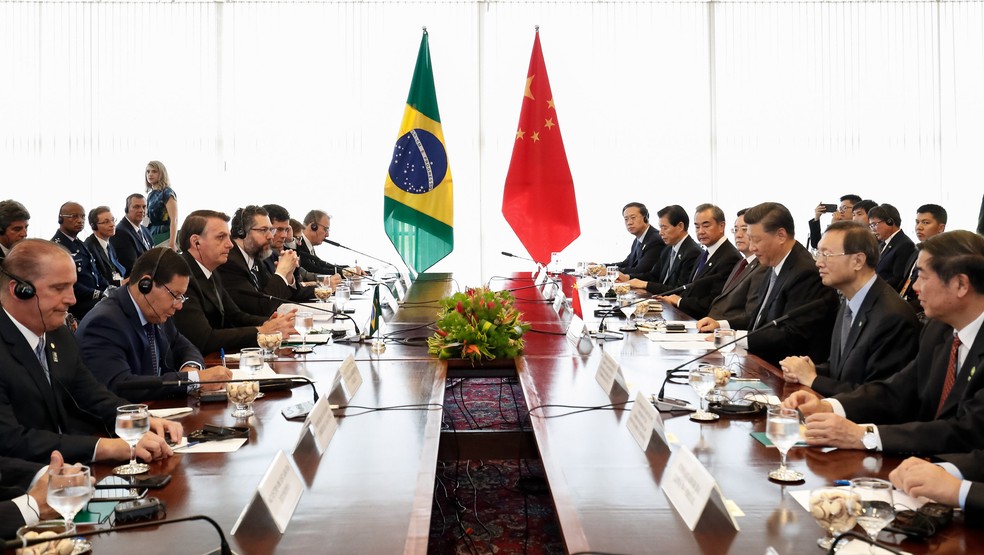
After Signed Memos Between Bolsonaro and Xi, China Plans to Increase Trade and Investment in Agriculture, Electricity, Oil, and Infrastructure
Bolsonaro welcomed Xi Jinping at the foreign ministry with smiles and handshakes, and the two signed several memos. It’s a sign of how Bolsonaro views China as essential for his ambitions to rejuvenate Brazil’s sluggish economy.
“China is an increasingly larger part of Brazil’s future,” Bolsonaro said in a speech after the meeting of the two leaders, adding that his government will dedicate due care, respect, and consideration to China. Nowadays, China is one of Brazil’s largest (if not the largest) trading partners.
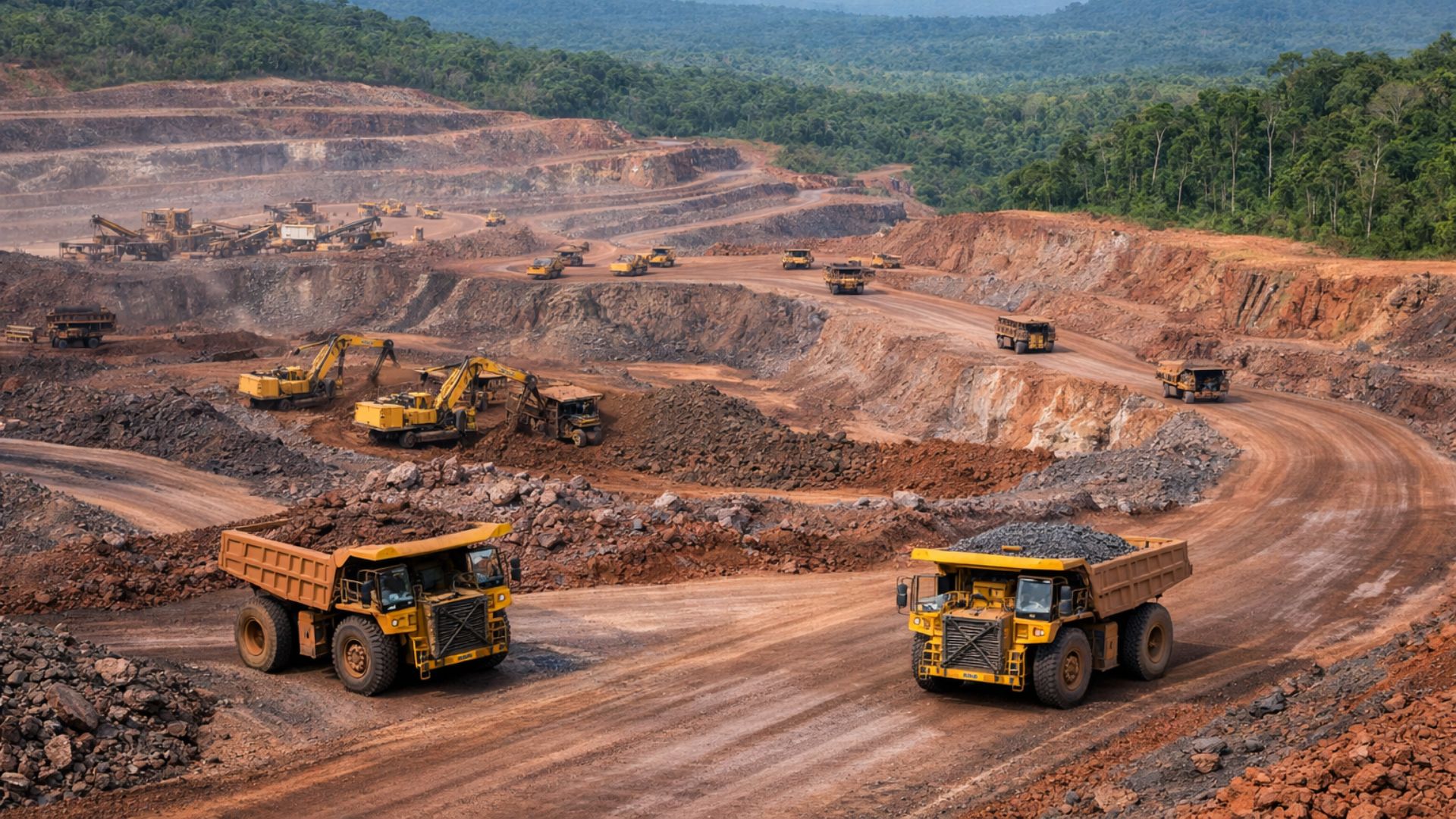
As China rapidly expanded in the 2000s, becoming the second-largest economy in the world, it relied on commodities from producers. Brazil, the largest economy in Latin America, shipped soybeans, iron ore, and crude oil to satisfy China’s growing appetite. These three products account for over 80% of Brazil’s exports to China.
-
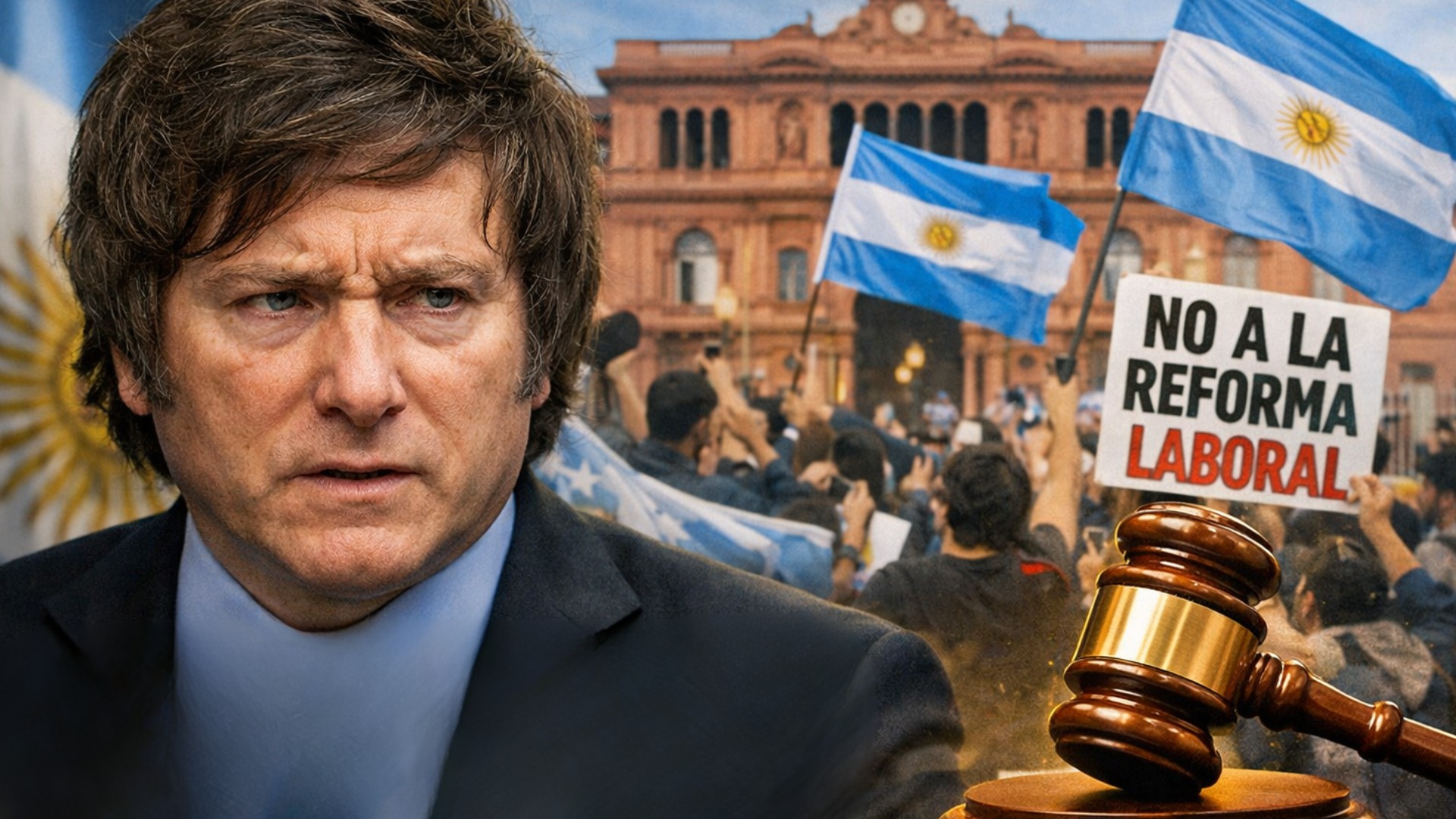
While Brazil wants to end the 6×1 work shift, the president of Argentina wants 12 hours for his workers, increasing political tension in the country.
-
The village where two rivers run side by side without mixing in Santarém and Alter do Chão reveals some of the most beautiful freshwater beaches on the planet.
-
Mars is accelerating, and scientists have discovered that the planet’s day is getting shorter, revealing surprising signs of internal activity.

-
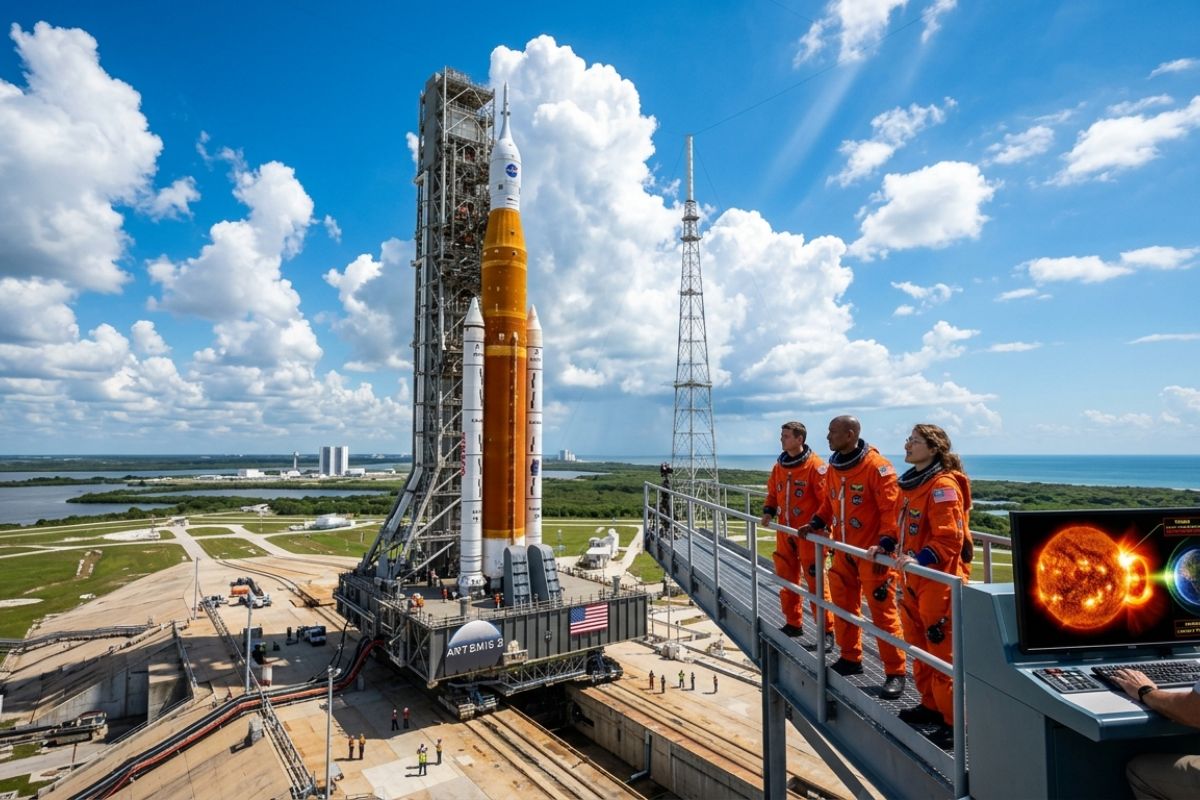
Artemis 2 is set to launch on April 1 at 7:24 PM to orbit the Moon with four astronauts, but a class X solar flare and coronal mass ejection could interfere with communications and threaten the launch.
Bolsonaro stated that his government wants to diversify exports to China and received a signal from the Chinese government that it wants to help Brazil add value to production.
Xi’s visit for a meeting of leaders from the emerging economies of BRICS – Brazil, Russia, India, China, and South Africa – is his first in Brazil since 2014. His relationship with Bolsonaro is already flourishing.
Last month, Bolsonaro traveled to Beijing for economic agreements and others, including visa exemptions for Chinese citizens in Brazil. Xi welcomed him in the car, and they walked side by side down a long red carpet.
“Bolsonaro has realized how important China is to Brazil and that he can do business with China. And he is more or less happy about it,” said Maurício Santoro, a professor of international relations at the state university of Rio de Janeiro.
Before becoming president, Bolsonaro praised the U.S. and often said that China could buy from Brazil but not Brazil itself – rhetoric that continued for some time after he took office on January 1.
Brazil relies on foreign investment, mainly from China. Confirmed Chinese investments in Brazil between 2007 and 2018 totaled nearly US$ 60 billion, more than any other country in Latin America, according to the Brazil-China Business Council, a Brazilian research center. Investments declined in 2018, before Brazil’s election, part of a broader decline due to investor caution.
After Bolsonaro won the presidency, he made his first trip abroad to the U.S., amid a growing trade dispute with China. But Brazil was not caught in the middle.
“Brazil has every reason to work with both countries and not choose sides,” said Pepe Zhang, associate director for China at the Atlantic Council in Washington. “So far, it’s doing a good job.”
In August, amid Western criticisms of Brazil’s handling of fires, China defended Brazil’s sovereignty over the region. Bolsonaro, on Wednesday, described China’s support as “a great gesture that strengthened us greatly.”
Xi stated that China intends to increase trade and investment and will seek cooperation opportunities in areas such as agriculture, electricity, oil, and infrastructure.
“With even greater confidence, we will work together to ensure that the friendship between China and Brazil moves in the right direction, overcome all difficulties and step firmly towards a better future,” Xi said.
As Brazil-China Diplomacy Advances, There Are Delicate Issues to Explore
The United States, for example, is pressuring the Brazilian government to exclude the Chinese telecommunications giant Huawei from its auction next year to provide a 5G network.
The U.S. State Department says Huawei poses cybersecurity risks and will review how it shares information about Venezuela with Brazil if Huawei can provide 5G services.
The U.S. and Brazil consider Venezuelan President Nicolás Maduro illegitimate and want him to resign.
China, which has granted billions in oil-backed loans to the Maduro government, continues to support his regime.
Bolsonaro knows he won’t find common ground with Xi on Venezuela and will likely focus on attracting more Chinese investment and trade, Santoro said, a professor of international relations.
One of Bolsonaro’s main challenges is to boost economic growth, as Brazil heads toward its third year of moderate activity after two years of deep recession. He has handed over the reins of economic policy formulation to an economist from the University of Chicago, Paulo Guedes, who is taking steps to improve business conditions, undertake a vast privatization program, and reduce trade barriers in Brazil’s protected market.
Guedes said in a speech on Wednesday at a BRICS event that his team is discussing with China the possibility of creating a free trade area.
Not Only the United States, Bolsonaro Is Interested in Trading with Everyone
Some Brazilians feared that Bolsonaro, as president, would adopt a “bipolar worldview” and align with the U.S. at the expense of relations with China, said José Pio Borges, president of Cebri, a Brazilian research center that studies China.
“Now, after all these meetings and initiatives, it’s clear that Brazil wants to have a relationship with everyone,” Borges said.









Seja o primeiro a reagir!