





 English
  Francês
  Alemão
  Italiano
  Japonês
  Norueguês
  Portuguese
  Spanish
  3 min of reading


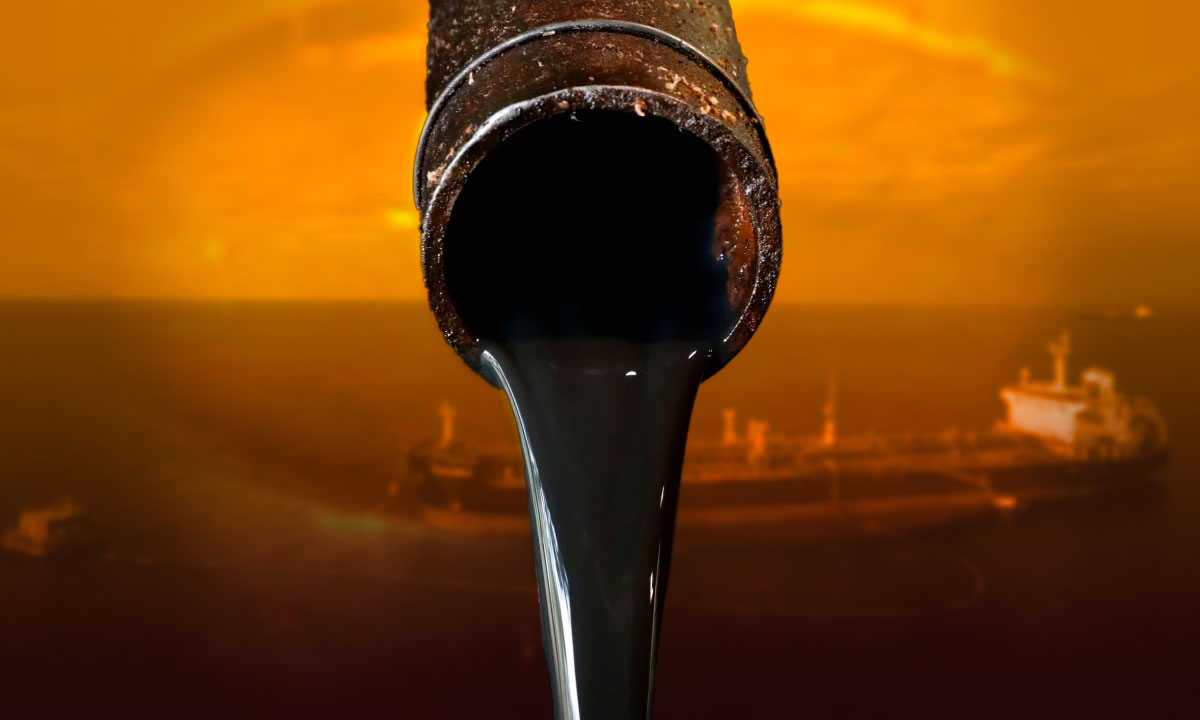
In Meeting on Global Oil Scenario with Brazil’s Minister, U.S. Representative Requests Increase in Production
Due to the war in Ukraine, the global market is very unstable, with the main reflection being the spike in oil barrel prices. In this sense, the United States has requested that Brazil increase its production. Jennifer Granholm, U.S. Secretary of Energy, made the request to Bento Albuquerque, Minister of Mines and Energy, during a videoconference last Thursday, March 10.
Also Read:
- Bolsonaro Criticizes Petrobras, and Government Authorizes the Ministry of Mines and Energy to Warn Stations That Do Not Follow the Fuel Price Reduction Approved by Congress;
- After Agreement, OneSubsea Submarine Will Be Installed in the Atlanta Field, Main Oil Exploration Site of Enauta;
- Due to the War, the World is Watching Pre-Salt Oil: Can Brazil Replace Russia as a Supplier of Oil from Our Reserves to the World Through Petrobras?
According to the portal Valor, the next day, the Brazilian minister stated that the meeting with the U.S. representative was beneficial to discuss the “international context,” which has been fluctuating since the conflict in Europe began. A significant portion of the conversation focused on the urgent need to increase oil production globally.
“Countries with stockpiles, such as the United States, Japan, India, and others, are releasing. But there also needs to be an effort to increase production. She [Jennifer Granholm] asked me if Brazil could be part of this effort, and I said ‘of course it can’. We are already increasing production while most OECD countries have reduced it. We have increased our production over the past three years,” Albuquerque said.
-
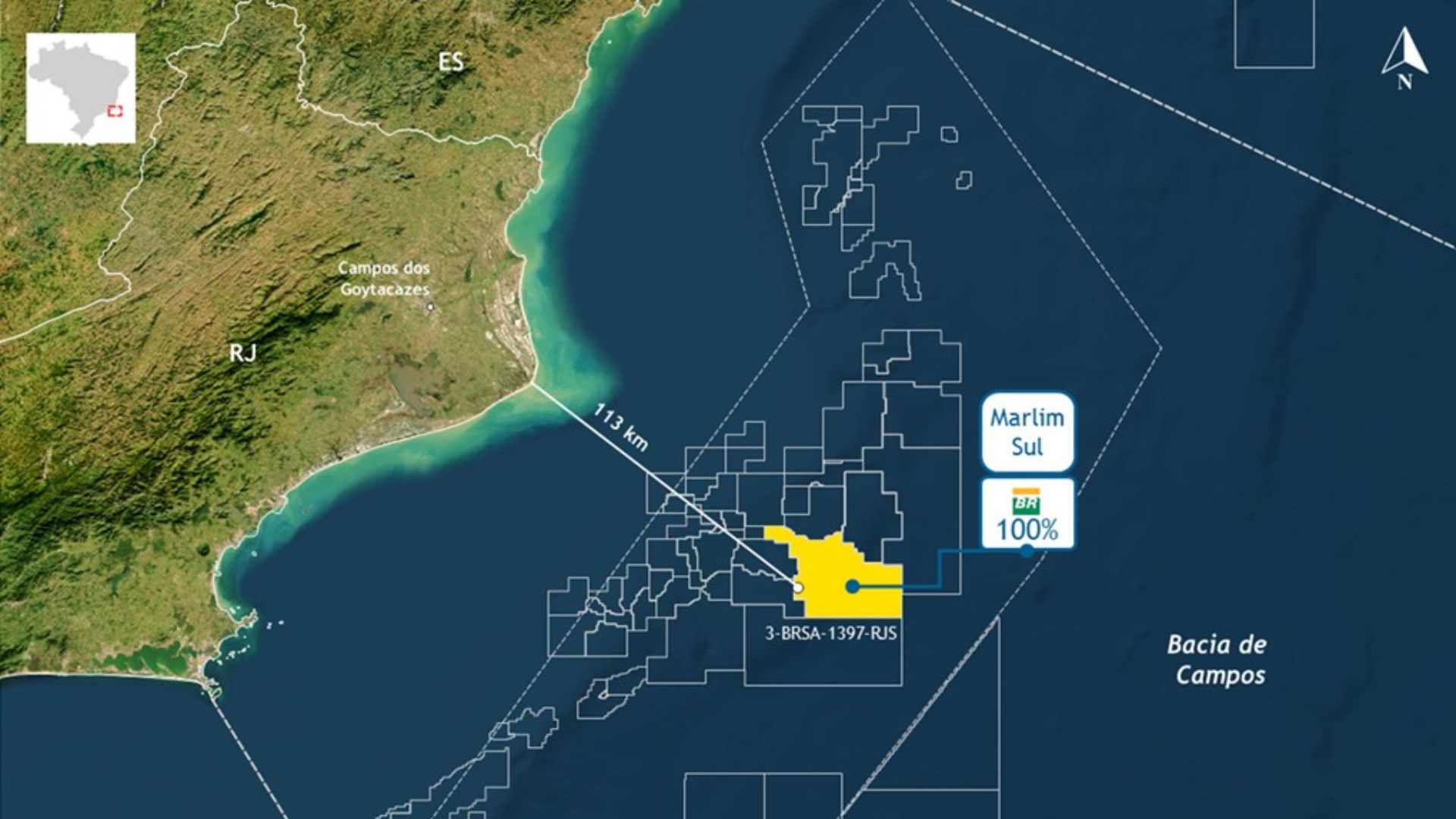
Petrobras finds high-quality oil in the pre-salt at 113 km from RJ and reignites expectations about strategic reserves in the Campos Basin.

-
Ocyan opens registrations for startups focused on innovation in the oil and gas sector and will select projects for Innovation Day with the support of Nexio.

-
Petrobras announces new oil discovery in the pre-salt of the Campos Basin and reinforces Brazil’s prominence with high-quality reserves that can increase production and energy revenues.
-
Alert in the fuel market: Analysts and a former director of ANP warn that oil prices may worsen in the coming months due to global instability.

The Minister of Mines and Energy informed that the members of the Organization for Economic Cooperation and Development (OECD) will make available 60 million cubic meters of oil over the next two months. According to him, the measure aims to prevent instability in global oil prices.
He acknowledged that the significant “imbalance” between supply and demand, exacerbated by the conflict between Russia and Ukraine, may go beyond the issue of increasing prices and lead to a lack of supply to markets. “There may not be enough diesel to meet the demand of all countries,” he concluded. Albuquerque further explained that diesel reserves in the U.S. are 20% lower, as are the stocks of Middle Eastern countries, which have also been affected, experiencing a 40% decline in fuel reserves.
Additionally, the minister stated that, here in Brazil, storage is supervised by the National Agency of Petroleum (ANP). According to him, reserves need to be maintained at higher levels as storage tanks are further away from refineries.
Risk of Oil Shortages and Rising Fuel Prices
The concern about oil shortages led the government to establish a monitoring committee, consisting of government agencies, to monitor the scenario daily.
Regarding the rise in fuel prices, Albuquerque stated that this is not a concern exclusive to the country, as the disparity between supply and demand did not start with the war in Ukraine; it was only intensified.
“In the economic recovery of the world in 2021, demand began to increase. However, supply does not recover immediately. Increasing oil and gas production takes time, and investments in these sectors were reduced,” he explained. The minister also emphasized that Brazil was the only country to add 17% to the price of oil and 22% to that of gas.
Brazil is still not capable of processing the heavy oil extracted from the fields, therefore, it needs to import derivatives to meet the domestic market. According to Albuquerque, the country is heavily dependent on external products, considering that approximately 30% of the diesel and LPG consumed by Brazilians comes from abroad.
As for measures to control the rise in fuel prices, the minister stated that some of them require time to show results, such as the price stabilization fund. “Funds do not emerge overnight. Stocks are also not established that quickly,” he concluded.







Seja o primeiro a reagir!