





 Portuguese
  English
  Spanish
 5 min of reading
  2 comments


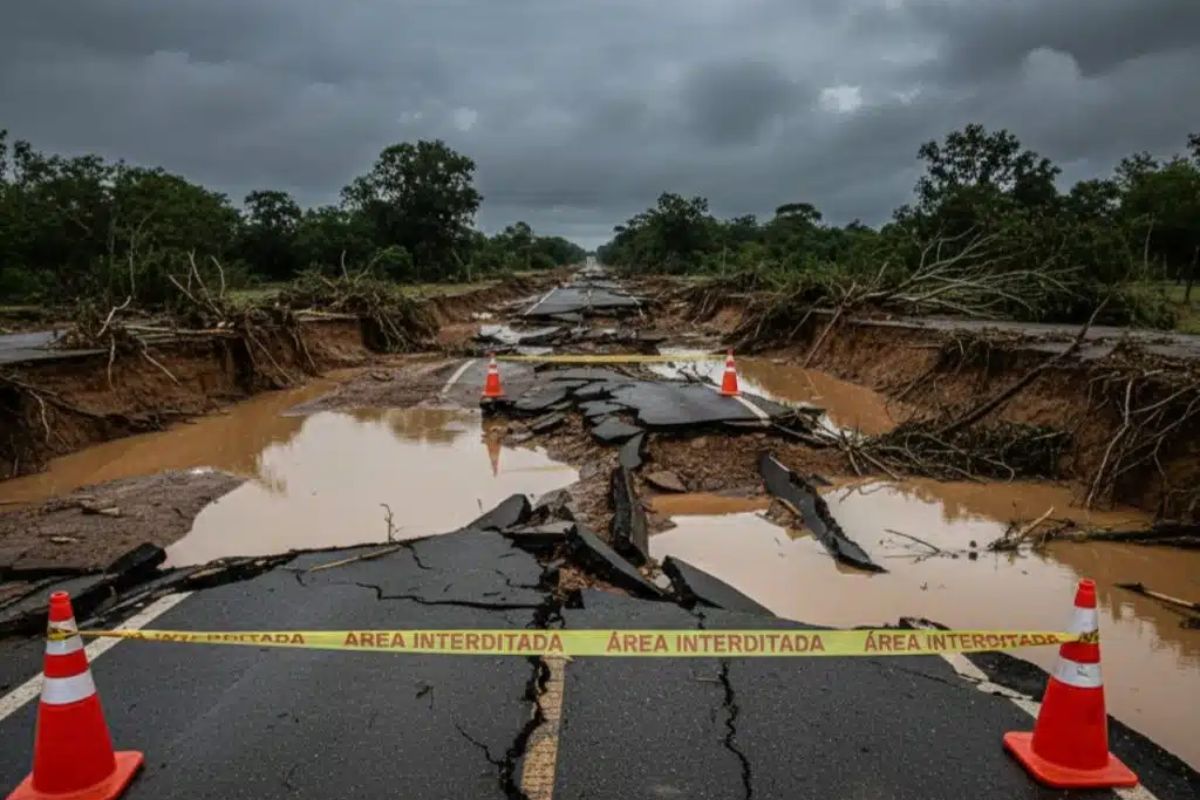


Highway ERS-348 Is Rebuilt After Floods and Becomes Safer, More Modern, and Strategic for Isolated Communities in the Interior of Rio Grande do Sul
The reconstruction of the highway ERS-348, in the interior of Rio Grande do Sul, marks a significant turning point after the historic floods that destroyed sections of the road and left entire communities isolated. With works financed by an investment of over R$ 229 million, the State aims to restore not only trafficability but also a more secure infrastructure prepared for extreme weather events.
More than just recovering what was lost, the project treats the highway as a structural axis of the regional economy, responsible for transporting goods, ensuring access to basic services, and restoring the daily mobility of thousands of residents. By reconstructing bridges, reinforcing critical sections, and modernizing ERS-348, the government signals a long-term strategy for the interior of Rio Grande do Sul, where each paved kilometer directly impacts the lives of the served communities.
Why Highway ERS-348 Is So Important for the Interior of Rio Grande do Sul
The highway ERS-348 plays an essential role in linking municipalities in the central region of Rio Grande do Sul, connecting rural areas, small towns, and services that depend on land transport.
-
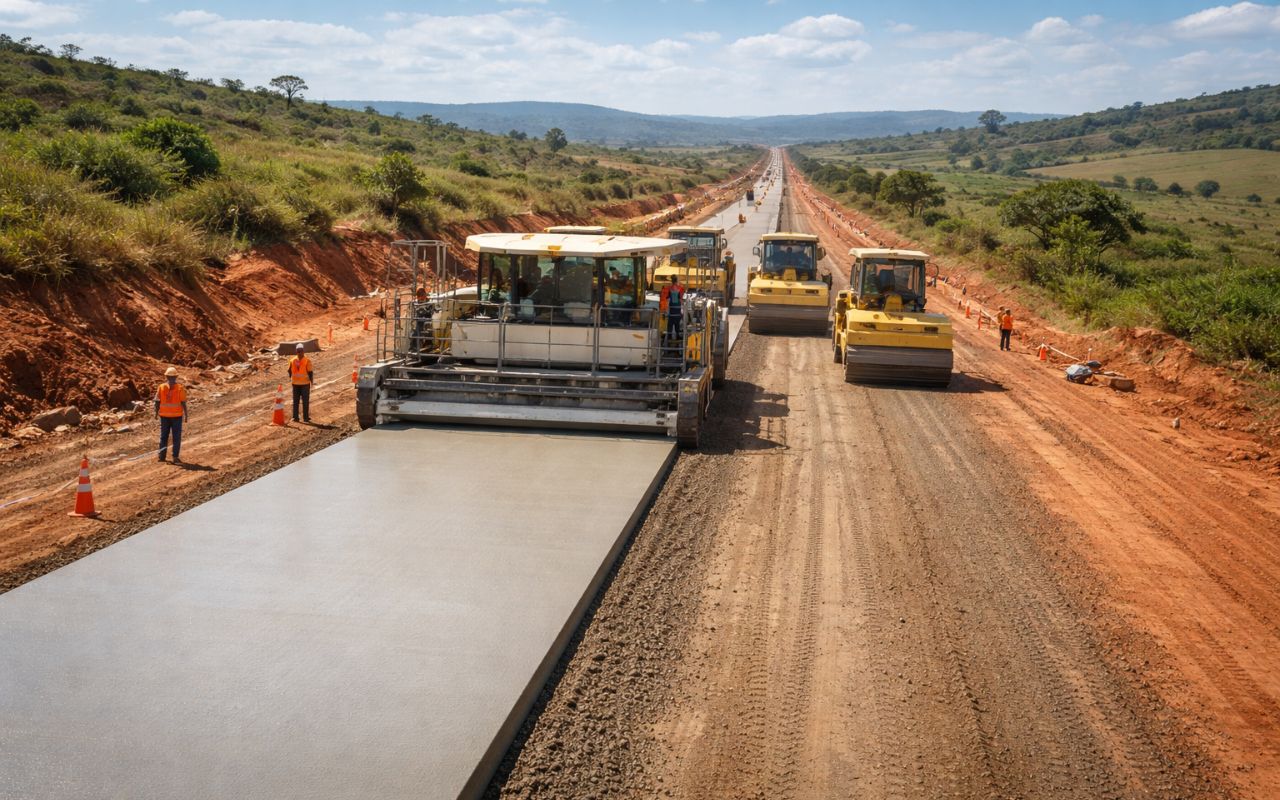
New CCR concrete paving technology promises roads up to 3x more durable, less maintenance, and cost reduction in Brazil.
-
Made from recycled plastic, plastic wood is gaining space in the construction industry because it does not rot, resists moisture, and reduces maintenance costs over the years.

-
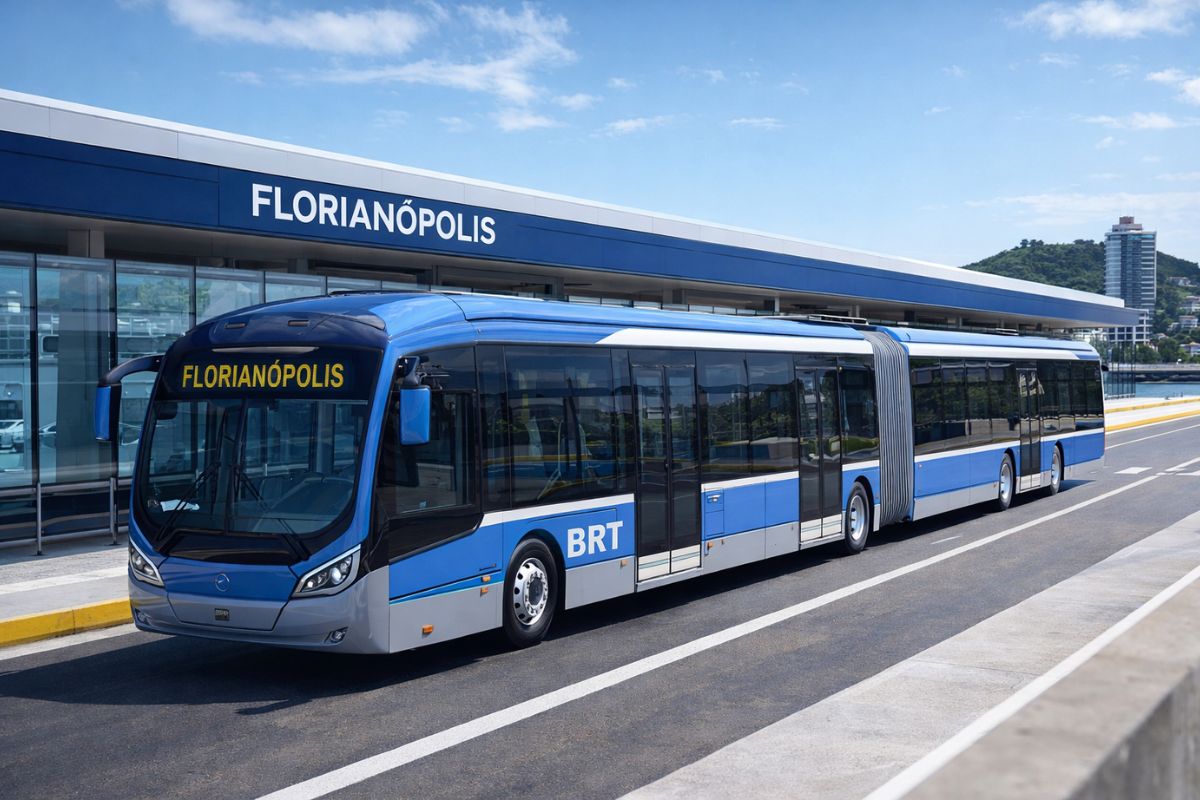
Florianópolis will receive a million-dollar BRT that will begin construction in 2026 with nearly 400 million in funding from the federal government and the Inter-American Development Bank, and the map already shows the routes for the exclusive bus corridors.
-
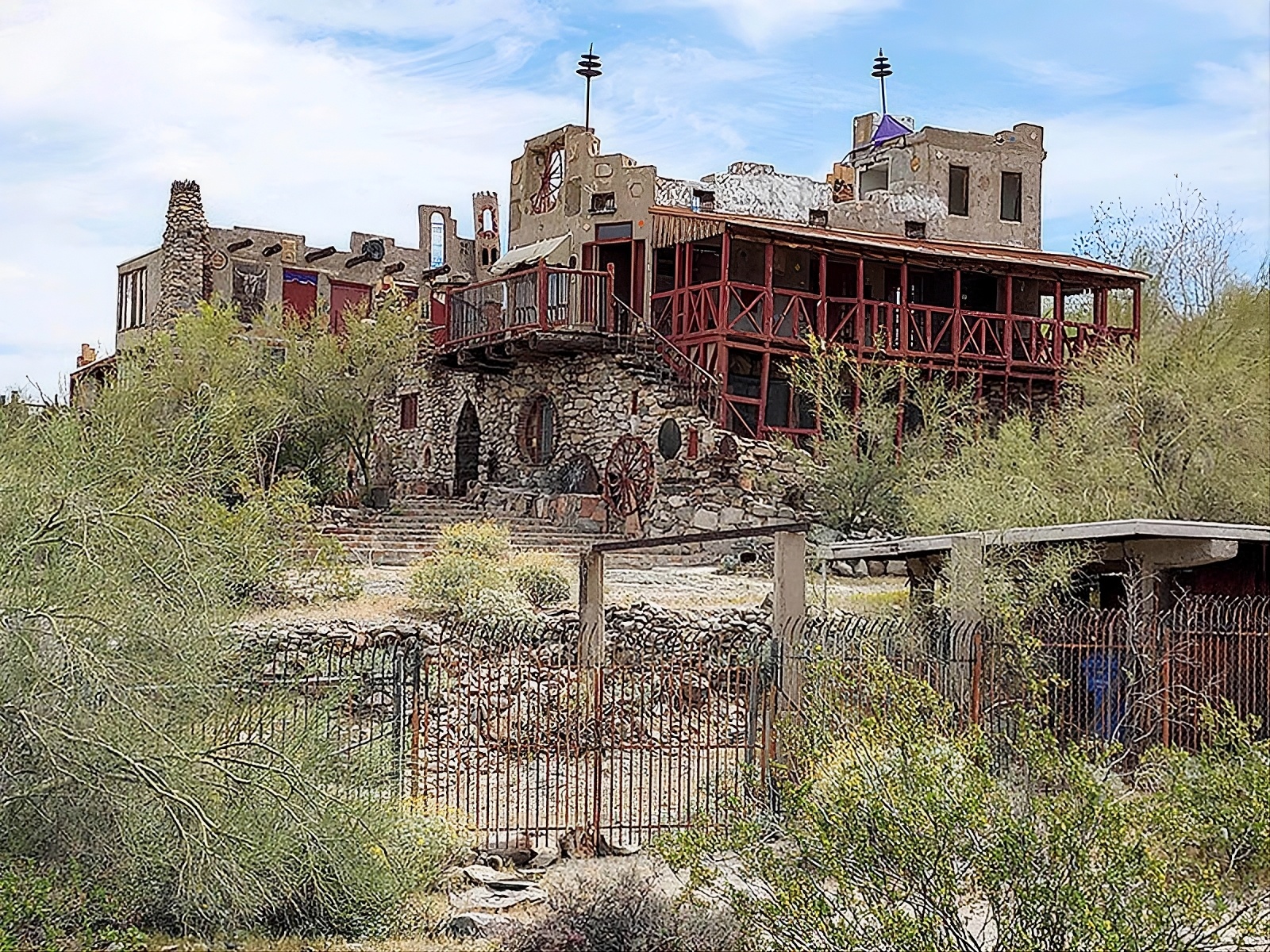
Without a blueprint, without an engineer, and using scrap from the dump, a father spends 15 years building an 18-room castle for his daughter, featuring tram tracks, 13 fireplaces, and over 700 m², which may now be demolished.

When the floods compromised its structure, the impact was immediate: isolated communities, increased travel time, higher transportation costs for goods, and difficulties accessing health, education, and commerce.
The resumption of the highway restores to the region a functional logistics corridor, capable of shortening distances and reactivating production and consumption flows.
The transportation of goods, agricultural inputs, services, and passenger transport again has a structured axis, which is fundamental for post-flood economic recovery.
How the Investment of R$ 229 Million Is Being Applied to the Highway
The construction package on the highway ERS-348 is financed by over R$ 229 million, through the Fund of the Rio Grande Plan (Funrigs).
This volume of resources is not limited to one-time repairs – it supports a reconstruction focused on the safety, durability, and resilience of the infrastructure.
Among the highlights is the construction of a new bridge over the Arroio Guarda Mor, designed to better withstand intense weather events.
In addition to the bridge, the investment includes:
- reconstruction and reinforcement of damaged sections of the highway
- recovery and elevation of structures affected by the floods
- design adjustments to reduce the impact of future floods
The goal is for the highway not only to resume operation but to be in a condition superior to that before the floods, both structurally and in terms of safety for users.
Challenges of Reconstructing a Highway in Flood-Prone Areas
The execution of works on the highway ERS-348 faces a critical point: the weather. Intense and frequent rains require constant replanning, point interruptions, and reinforcement in soil surveys and foundations.
It is not just about repairing what the water destroyed, but about building a solution that can better withstand future floods.
To achieve this, technical teams adopt measures such as:
- reinforcement of soil surveys to evaluate load-bearing capacity
- use of more durable materials and construction techniques
- permanent monitoring of weather conditions during the works
These precautions are essential to ensure that the highway does not return to present vulnerabilities at the same critical points, reducing the risk of new structural collapses during extreme events.
Safety and Modernization: What Changes on Highway ERS-348
The interventions on the highway ERS-348 go beyond simple road and bridge replacement.
The new structures are designed with higher elevation, expanded spans, and solutions that allow for better water drainage during floods.
The focus is to modernize the highway, incorporating climate resilience criteria into the road design.
Among the modernization measures are:
- bridges designed for greater water flow
- structures prepared to withstand more severe weather events
- use of current engineering techniques, including structural monitoring
With this, the highway operates at a new level of safety, reducing risks for drivers, residents, and transporters who depend daily on ERS-348 to move around the region.
Social and Economic Impacts of the Highway Recovery
The full reopening of the highway ERS-348 has a direct effect on the daily lives of those living in the interior of Rio Grande do Sul.
The restored connection allows rural producers to resume crop transport with lower costs and risks, trucks to circulate regularly, and health, education, and assistance services to reach previously isolated communities more efficiently.
Moreover, the reconstruction of the highway generates temporary jobs in the works and supports a chain of local services, from lodging teams to supplying materials and inputs.
In parallel, the state government maintains social assistance teams working with affected populations, ensuring access to essential services while the interventions continue.
The central message is clear: investing in the highway ERS-348 is not just an engineering project, but a public policy for economic and social reconstruction.
The road returns to be a tool for territorial integration and restoring the population’s confidence in the available infrastructure.
About the Works on Highway ERS-348
Do the works on highway ERS-348 have an estimated completion time? The forecast is for the main phases to be completed by the end of 2024, always conditioned to the progress of the schedule and weather conditions.
How will traffic in the region be while the highway is under reconstruction? The Autonomous Department of Highways (DAER) has structured alternative routes and specific signage to reduce the impact on local traffic, redirecting vehicles at points of the highway blockage.
Do nearby communities receive support during the works? Yes. Social assistance teams from the state government work to ensure access to essential services, especially in areas still facing some degree of temporary isolation.
What new technologies are being used in the reconstruction of the highway? More durable materials, modern engineering techniques, and solutions such as raised bases and structural monitoring systems are employed to increase the highway‘s resilience to floods and extreme events.
What should users do in case of an emergency near the highway work sites? In risk situations, drivers should follow the signage on site, respect the blockades, and contact competent authorities, such as the highway police and Civil Defense, whenever identifying occurrences that threaten the safety of users of the highway.
Lastly, thinking about your reality: has anyone in your area been affected by problems on the highway after floods – how do you view the impact of works like those on ERS-348 in the daily lives of communities in the interior?


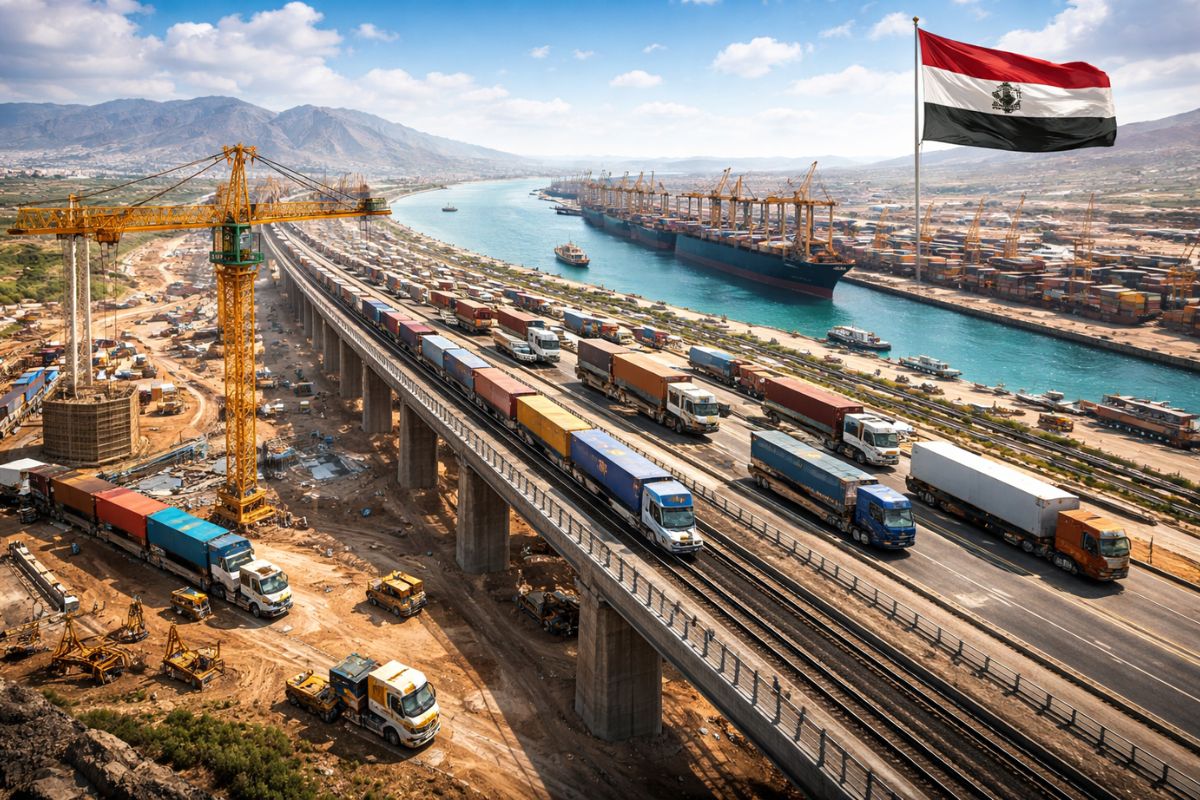







Mentira, essa estrada não foi reconstruída. Fica na Quarta Colônia. Perto de Santa Maria.
Onde fica essa rodovia?