





 Portuguese
  English
  Spanish
  4 min of reading
  7 comments




In a country where most heavy loads still pass through potholed and crowded highways, the railways under construction in Brazil show themselves to be true “heroes” awaiting their moment to shine. With billions of reais in investments and ambitious projects like the West-East Integration Railway (FIOL) and the Transnordestina Railway, the scenario is ready for a logistical revolution that promises to relieve highways, reduce costs, and decrease the carbon footprint of transport operations.
Currently, about 65% of all Brazilian cargo is moved by trucks, while only 15% uses railways. This highway model, although essential for the economy, brings high costs and environmental impacts. This is where the railways under construction in Brazil enter as a sustainable and strategic alternative, with the potential to transform the flow of goods and reduce logistical bottlenecks.
West-East Integration Railway (FIOL)
The FIOL, one of the largest railway projects in Brazil, is designed to cross the states of Bahia and Tocantins, connecting Porto Sul, in Ilhéus, to the North-South Railway, in Figueirópolis. With a length of 1,527 km, the FIOL aims to open a strategic corridor for the flow of commodities, especially grains and ores. This project has an impressive milestone: the largest railway bridge in Latin America, at 2.9 km over the São Francisco River, between Serra do Ramalho and Bom Jesus da Lapa.
Started in 2011, section FIOL 1 already shows 75% progress, with completion expected by 2027, while FIOL 2, started shortly after, is advancing slowly, with about 67% completed. Under a 35-year concession, the company BAMIN allocates R$ 13.13 billion to finish the work, which has an average cost of R$ 6.4 million per kilometer.
-
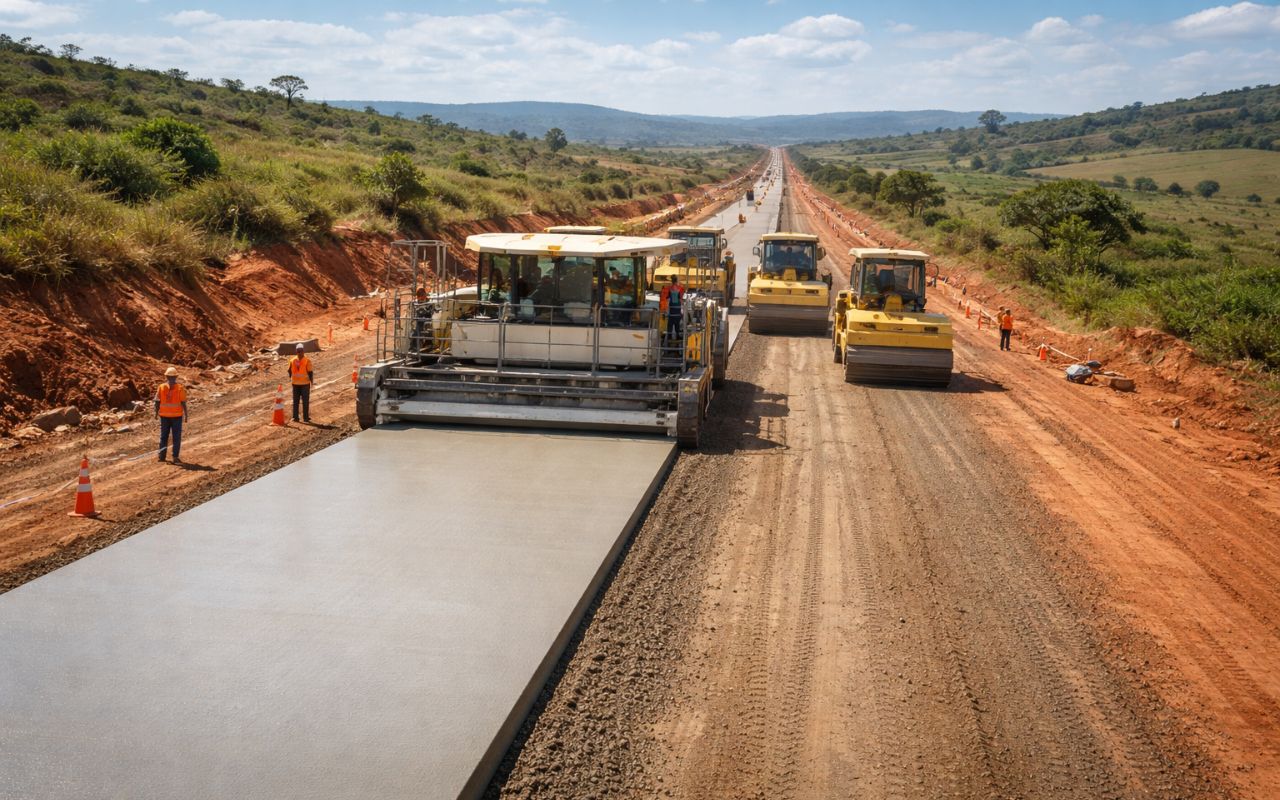
New CCR concrete paving technology promises roads up to 3x more durable, less maintenance, and cost reduction in Brazil.
-
Made from recycled plastic, plastic wood is gaining space in the construction industry because it does not rot, resists moisture, and reduces maintenance costs over the years.

-
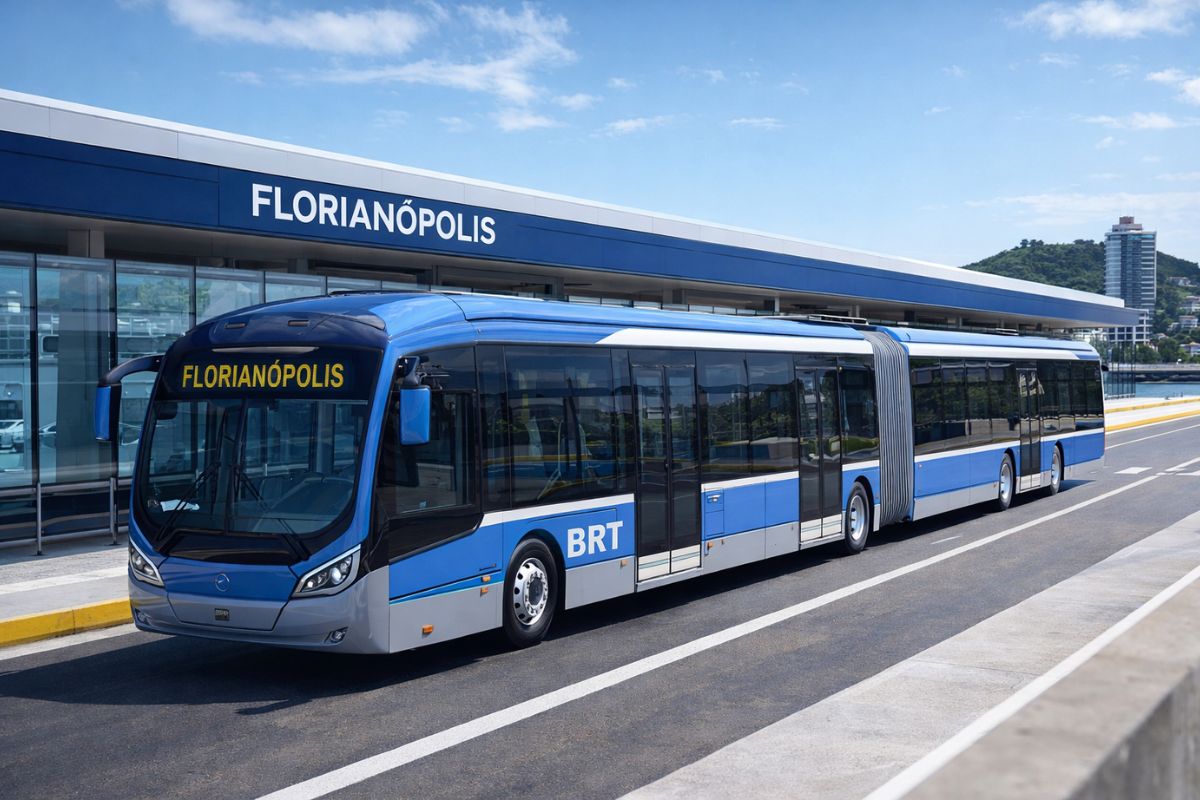
Florianópolis will receive a million-dollar BRT that will begin construction in 2026 with nearly 400 million in funding from the federal government and the Inter-American Development Bank, and the map already shows the routes for the exclusive bus corridors.
-
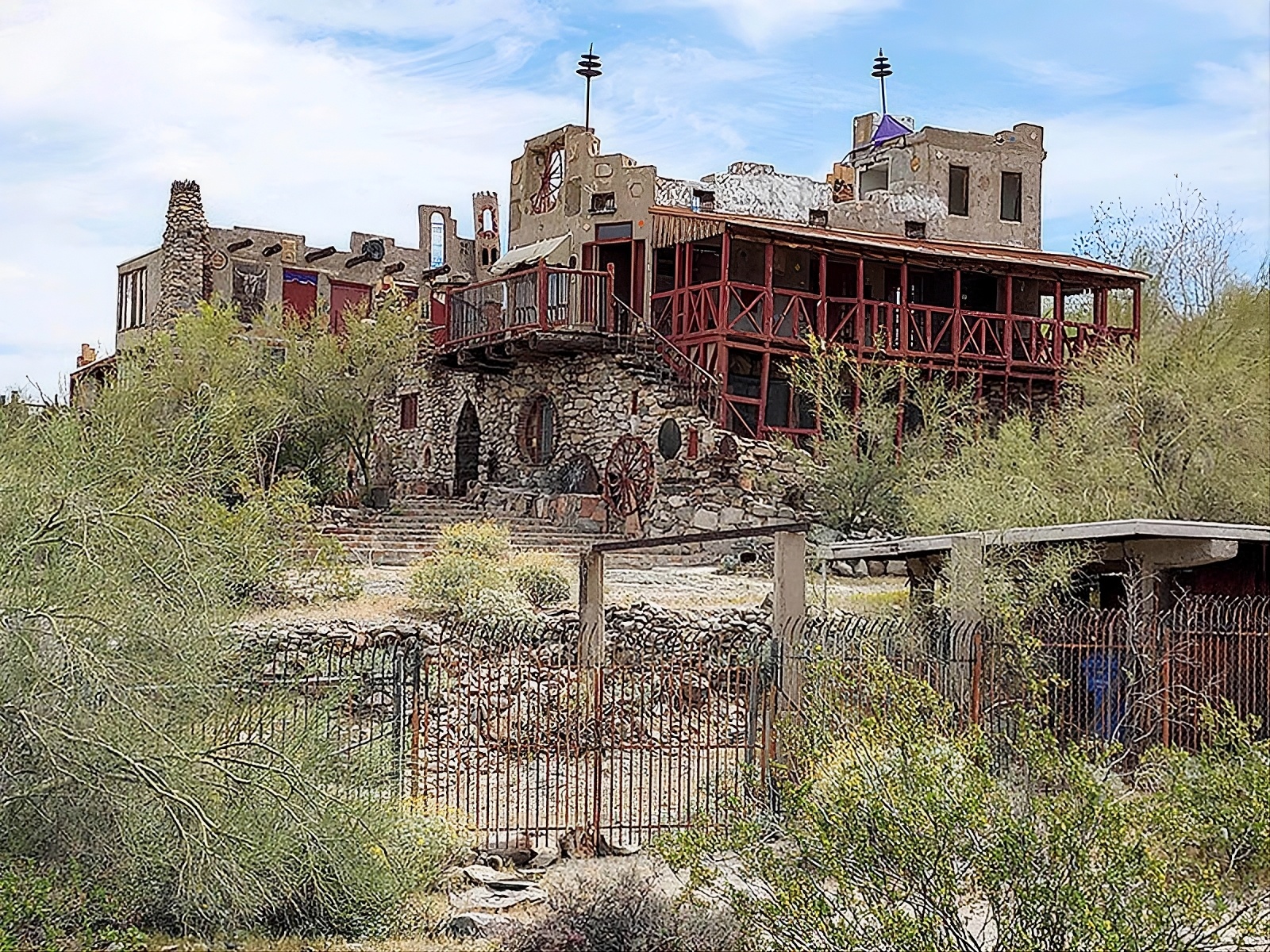
Without a blueprint, without an engineer, and using scrap from the dump, a father spends 15 years building an 18-room castle for his daughter, featuring tram tracks, 13 fireplaces, and over 700 m², which may now be demolished.

Central-West Integration (FICO)
The FICO is essential for the agricultural flow of the central-west region. With a length of 888 km, the railway is designed to connect grain-producing areas in Mato Grosso to the national railway system. The first section, from Mara Rosa (GO) to Água Boa (MT), received an investment of R$ 2.5 billion, and completion is expected by 2028.
This project was initiated in 2010 and, despite slow progress, represents an important connection between the central states and Brazilian ports, especially benefiting soybean and corn exports.
Transnordestina Railway
With a planned extension of 1,753 km, the Transnordestina aims to connect the northeastern hinterland to the ports of Pecém in Ceará and Suape in Pernambuco. Although promising for the economy of the northeast, the project has faced numerous challenges over the years, such as stoppages and financing issues. Currently, the project is undergoing a strategic reevaluation, initially focusing on the section between Eliseu Martins (PI) and Pecém, with completion expected in 2027.
The project, estimated at R$ 6.7 billion, is crucial for integrating the hinterland into the national transportation infrastructure, facilitating the export of grains and ores from the northeast.
North-South Railway
Considered the “backbone” of Brazil’s rail network, the North-South Railway currently covers over 4,000 km, from Açailândia (MA) to Estrela D’Oeste (SP). Designed to facilitate cargo transport across the country, the North-South Railway is operated by VLI and Rumo Logística, which have invested in improvements and new technologies to increase efficiency.
The project, which began in 1985, has a history of delays and revisions. Currently, new sections are in the planning phase, with expansion expected to the north, up to Pará, and to the south, up to Rio Grande do Sul, consolidating one of the most important transport corridors in Brazil.
The Future of Rail Transport in Brazil
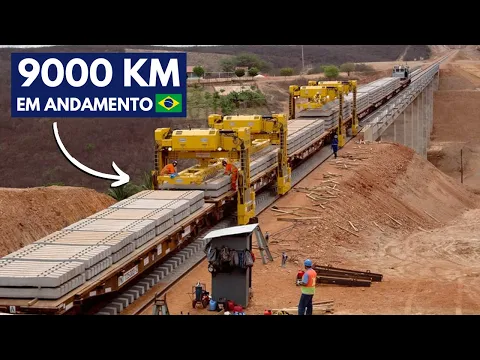

The railways under construction in Brazil bring robust promises of cost reduction, relief for highways, and environmental benefits, such as decreased carbon emissions. With over R$ 241 billion in investments, the national railway sector is beginning to chart a new route for the flow of cargo, especially agricultural and mineral products, meeting a growing demand for sustainable alternatives.
For Brazil, these projects are more than just simple tracks, they represent a bet on efficient infrastructure and long-term connectivity. The completion of these railways is still a significant challenge, but if deadlines are met, the positive impact on the Brazilian economy and export competitiveness will be immense. After all, with each kilometer of railway completed, the country moves closer to a more integrated, efficient, and sustainable logistical future.









Finalmente o governo acordou p o trasporte ferroviário,o q sempre foi ignorado por muitos governo.Transporte rodoviário,além de caro, caminhões cada fez maiores ,q não acompanham o traçado das rodovias e o pior de tudo, pessoas q perdem as vidas diariamente de maneira totalmente irresponsável…
DEMOROU MAS ESTAMOS ACORDANDO PARÁ O FUTURO
Que não sejam, só para cargas.