





 Portuguese
  English
  Spanish
  4 min of reading
  0 comments


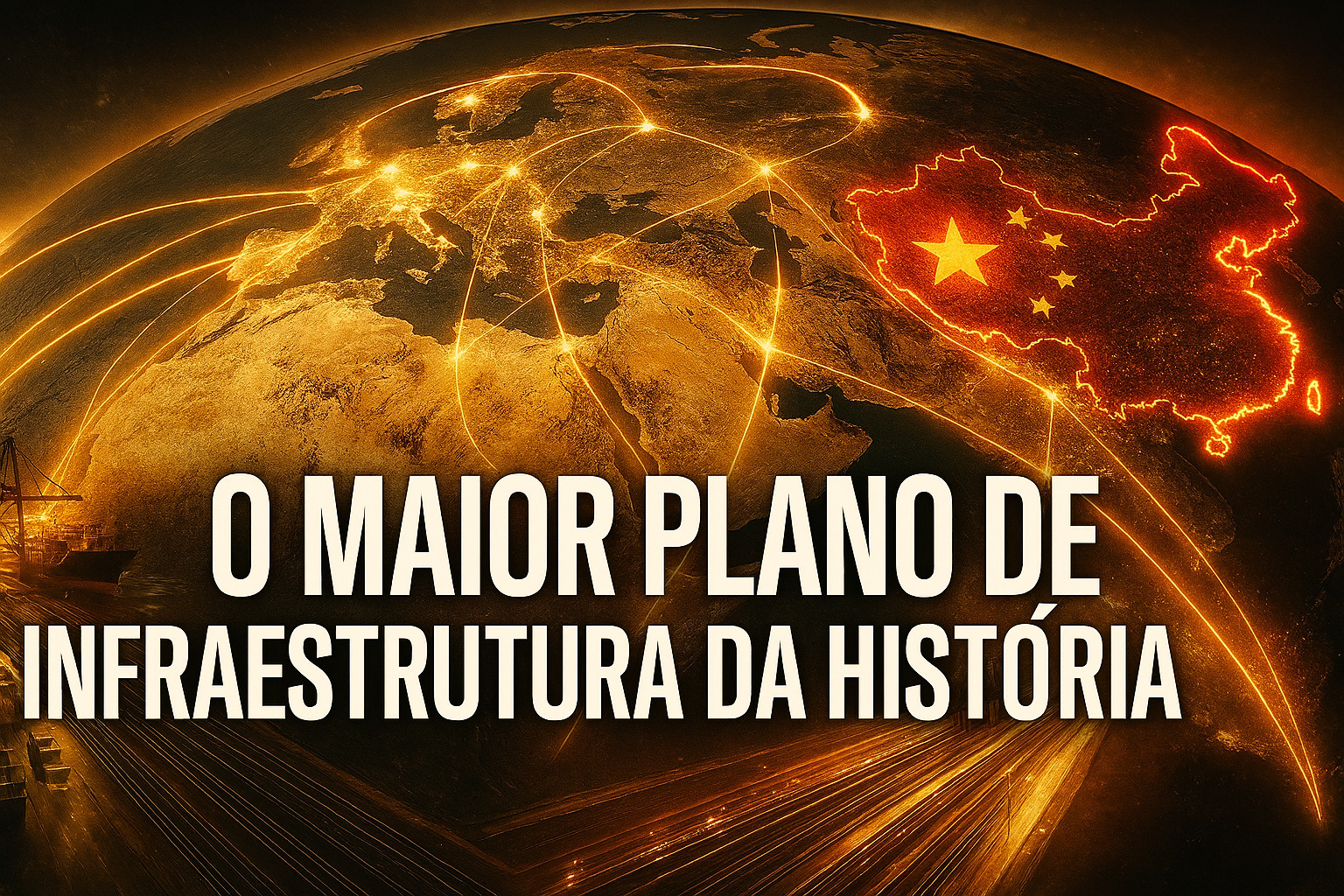
With over US$ 8 trillion in investments and a presence in 140 countries, the Chinese megaproject Belt and Road Initiative is the largest infrastructure plan in history, reshaping global trade and the geopolitics of the 21st century.
Few projects in modern history come close, in scale and ambition, to the Belt and Road Initiative — also known as Belt and Road Initiative (BRI). Launched in 2013 by President Xi Jinping, the initiative has become one of the largest global infrastructure programs of all time, mobilizing investments estimated at up to US$ 8 trillion and involving more than 140 countries across five continents. Its goal is clear: to rebuild the ancient trade routes of the Silk Road, now with high-speed trains, gas pipelines, megaports, and digital corridors that place China at the center of the global economy.
The Largest Infrastructure Initiative on the Planet: Belt and Road Initiative
When China announced the BRI just over a decade ago, the world saw only an ambitious plan for commercial connections. Today, the project is considered a game changer in global geopolitics.
Estimates from the Center for Strategic and International Studies (CSIS) and the Green Finance & Development Center (Fudan University) indicate that, among direct investments and financing from Chinese state banks, the accumulated value has already surpassed US$ 1.3 trillion, with projections to reach US$ 8 trillion over the coming decades.
-
Historic bankruptcy of Centauro shocks the market, and the century-old company puts more than 500,000 products, machines, and complete infrastructure up for online auction.

-
New shoe factory in Ceará is expected to create 400 jobs and strengthen the local economy.

-
No one imagined it, but a mixture of sawdust with a mineral that fights fires surprises scientists with a result that changes the course of fire-resistant construction.

-
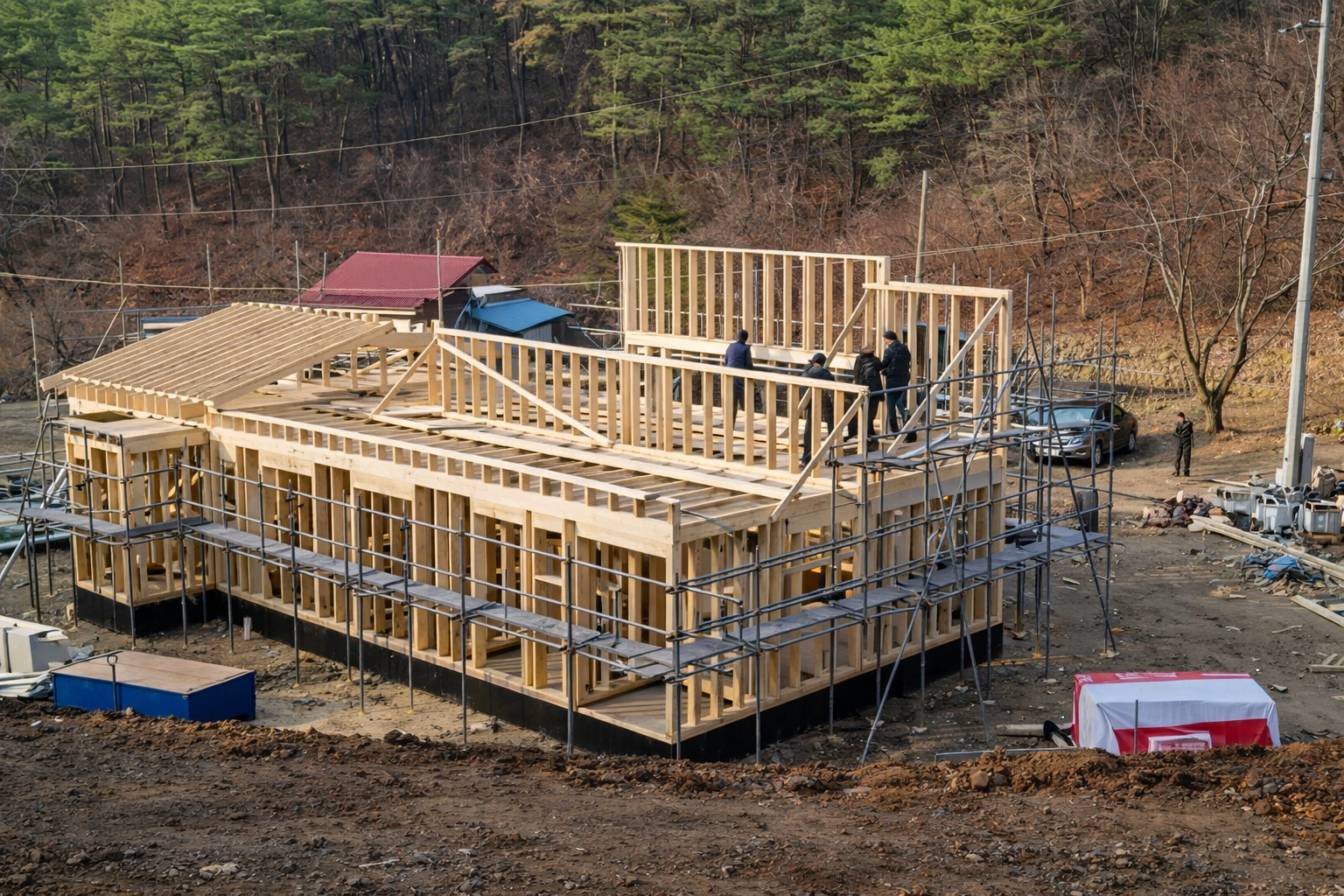
From empty land to a high-end house, wooden construction uses a lightweight system, metal structure for the foundation, ventilated ceramic cladding, and special windows to create an efficient and comfortable living space throughout the year.

The BRI connects Asia, Europe, Africa, and Latin America, encompassing more than 4.4 billion people, equivalent to 63% of the world’s population.
Economically, the participating nations account for more than 40% of global GDP. This makes the project not just an infrastructure undertaking, but a new architecture of economic and diplomatic power.
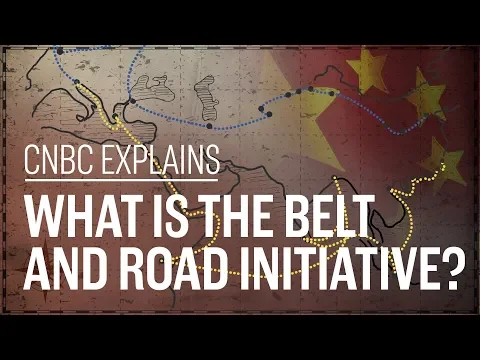

Ports, Railways, and Pipelines That Change the World Map
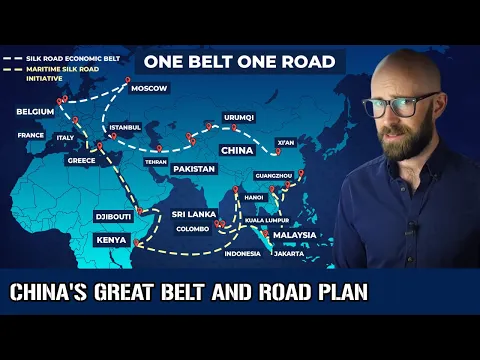
The BRI consists of two major fronts: the Economic Belt of the Silk Road, which crosses Eurasia by land, and the Maritime Silk Road, which connects Asian ports to Africa, Europe, and Latin America. Together, these routes create an unprecedented logistical web.
Among the main projects are:
- China-Pakistan Economic Corridor, with roads and pipelines linking western China to the port of Gwadar in the Arabian Sea.
- China-Europe Railway Line, which transports goods from Chongqing to Duisburg in Germany in just 12 days — half the time required by sea.
- High-speed railways in Southeast Asia, such as the China-Laos line, inaugurated in 2021, which shortens transport between Kunming and Vientiane to less than 10 hours.
- Strategic ports in African countries, such as Djibouti, and in the Mediterranean, such as Piraeus (Greece), now under Chinese control.
In addition, China has been expanding the so-called Digital Silk Road, investing in 5G networks, submarine internet cables, and data centers in partner countries — a move that enhances Beijing’s technological reach.
The Economic and Geopolitical Impact
According to a report from the World Bank, the projects linked to the Belt and Road can increase global trade by up to 6.2% and reduce logistical costs by up to 10% for participating countries.
The impact is also profound in developing nations, where Chinese investments provide critical infrastructure that local governments lacked the capacity to finance.
On the other hand, critics point out that the project may create economic dependency and indebtedness. According to AidData Lab, about 60% of BRI loans involve countries with a high risk of default, particularly in Africa and Central Asia. Beijing, however, counters that the goal is to promote integration and shared prosperity and not political dominance.
Even amid controversies, it is undeniable that the project positions China as the protagonist of the 21st century, redefining flows of trade, energy, and communication.
Does Latin America Enter the Chinese Route?
In recent years, the influence of the BRI has also reached Latin America. Countries such as Brazil, Chile, Peru, and Argentina have signed cooperation agreements with the Chinese government.
Brazil, for example, is studying the integration of ports and railways that could facilitate the export of commodities via the Pacific, strengthening the country’s position in exports to Asia.
The Asian Infrastructure Investment Bank (AIIB), the financial arm of the initiative, has already announced lines of credit for logistical and energy projects in the region. In the long run, the expectation is that the South American continent will become one of the natural expansion hubs of the new Silk Road.
The Future of the Belt and Road
In 2023, when the BRI celebrated its tenth anniversary, China announced the second phase of the project, focusing on clean energy, digitalization, and sustainability. The goal is to build green corridors, prioritizing solar, wind, and high-capacity transmission plants.
According to the China Development Bank, the program is expected to continue growing until 2049, when the country will complete a hundred years under the modern communist regime. By then, it is estimated that the number of participating countries will exceed 160, consolidating the BRI as the largest economic undertaking in human history.
The impact of the Belt and Road goes far beyond infrastructure. It is a strategic repositioning of China at the center of global routes.
By connecting regions that were previously isolated by geographical and logistical limitations, the country creates a new axis of economic power, challenging the traditional hegemony of the U.S. and Europe.
More than a trillion-dollar project, the BRI is a symbol of the Chinese ascent and the transition to a multipolar order, in which connections are valued as much as military power.









Seja o primeiro a reagir!