





 Portuguese
  English
  Spanish
  5 min of reading
  0 comments


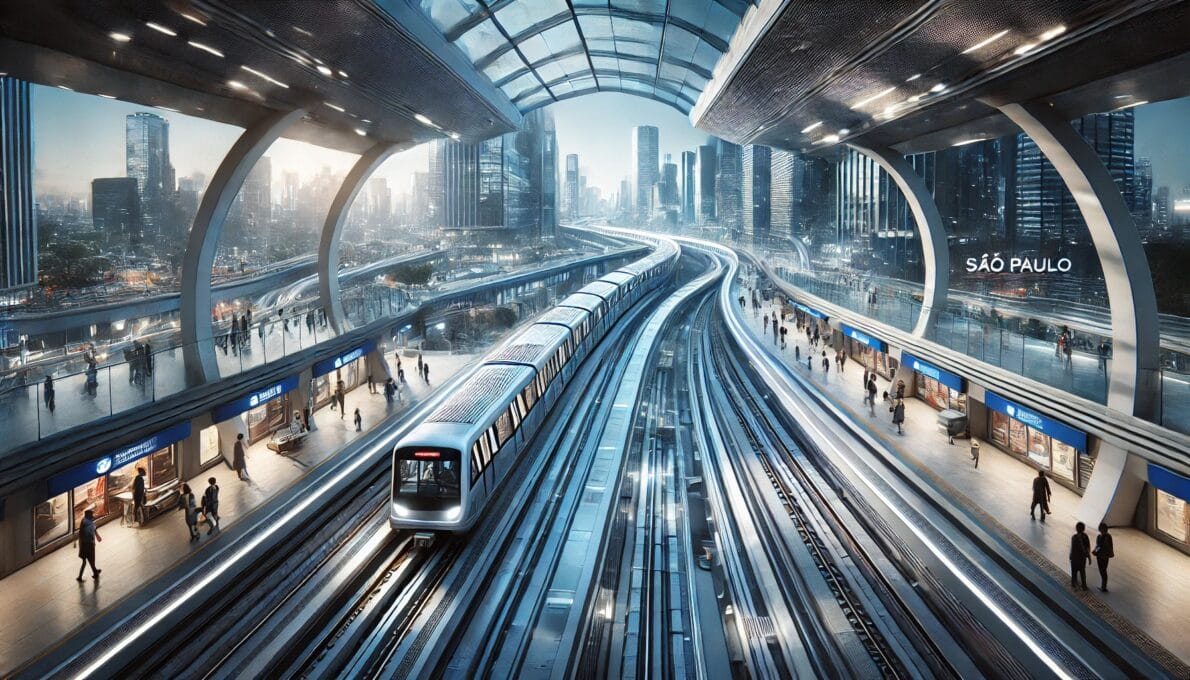
The São Paulo Metro Promises To Become The Seventh Largest In The World Soon, Thanks To A Billion-Dollar Mega Investment. Discover How The Largest Expansion Of The Metro System In Latin America Is Happening, Putting The Capital Of São Paulo In Global Highlight.
Mega Investment: The São Paulo Metro is huge, with 299 km in length and a total of 148 stations, it is the ninth largest metro in the world. Currently, there are several projects underway and in planning for the expansion of more 120 km of line, which will make it the seventh largest metro in the world. The ongoing projects sum up to over R$ 40 billion in investment and the planned lines will cost over R$ 80 billion, making this the largest metro expansion in Latin America in São Paulo.
How Is The Ninth Largest Metro In The World Currently?
Currently, the São Paulo Metro has six lines in operation that serve various regions of the city. They are line 1 (blue) which goes from Jabaquara to Tucuruvi and is the backbone of the entire São Paulo metro system.
Years after its inauguration, it was expanded and now has 20.2 km. Line 2 (green), which goes from Vila Prudente to Vila Madalena, has a length of 14.7 km, line 3 (red), going from Corinthians, Itaquera to Palmeiras, Barra Funda, with a length of 22 km, crossing from east to west, passing through central and heavily populated areas.
-
Historic bankruptcy of Centauro shocks the market, and the century-old company puts more than 500,000 products, machines, and complete infrastructure up for online auction.

-
New shoe factory in Ceará is expected to create 400 jobs and strengthen the local economy.
-
No one imagined it, but a mixture of sawdust with a mineral that fights fires surprises scientists with a result that changes the course of fire-resistant construction.

-
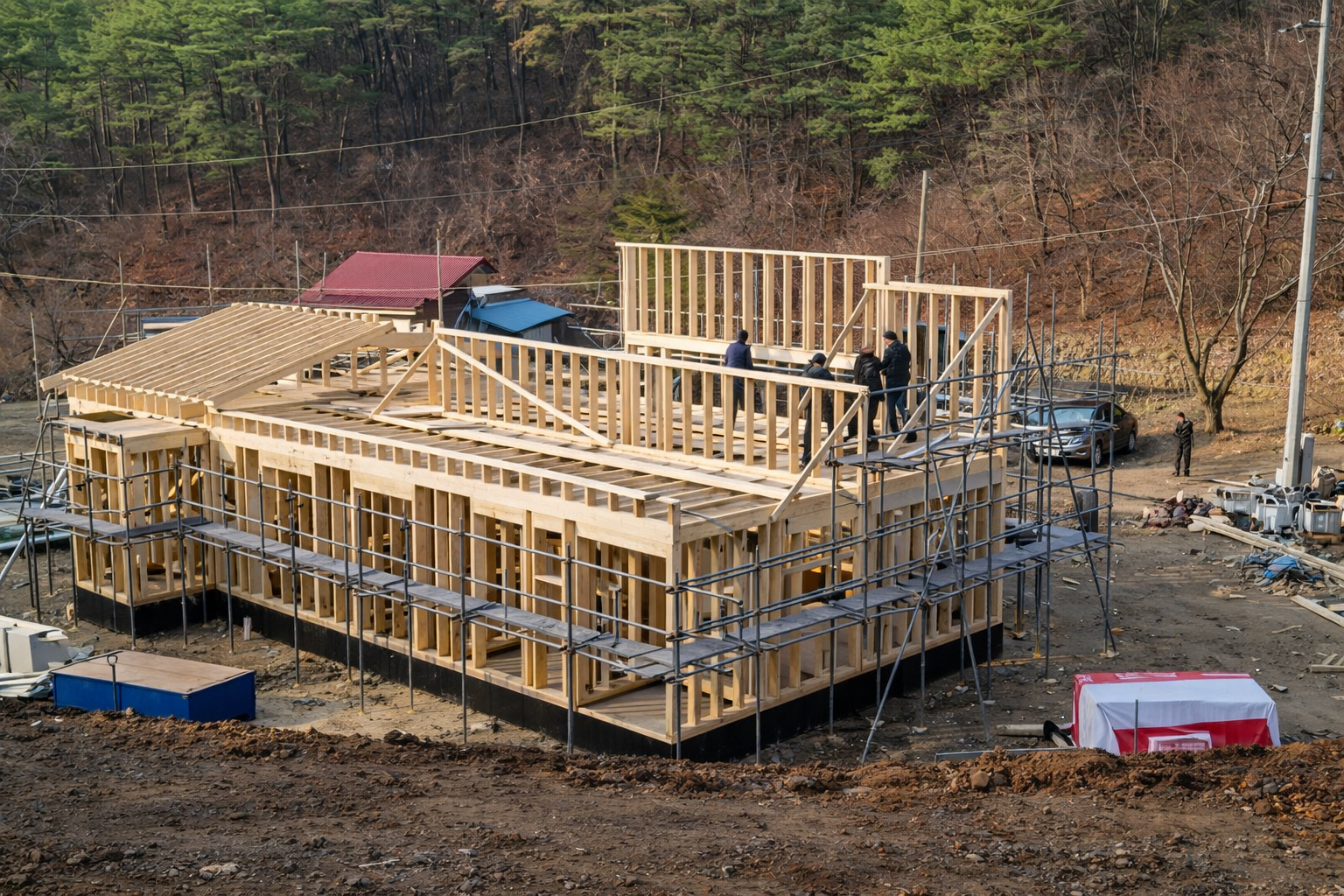
From empty land to a high-end house, wooden construction uses a lightweight system, metal structure for the foundation, ventilated ceramic cladding, and special windows to create an efficient and comfortable living space throughout the year.



The line 4 (yellow) going from Luz to São Paulo, Morumbi, was inaugurated in 2010 with a length of 12.8 km, being the first line of the metro to be automated without the need for operators.
Line C (purple), which goes from Capão Redondo to Chácara Klabin, with a length of 20.8 km serving the southern zone of São Paulo, connecting the more peripheral areas to the city center. Inaugurated in 2002, the line has gone through several phases of investment and is one of the most important in the city.
Lastly, line 15 (silver), going from Vila Prudente to Jardim Colonial, is the first monorail in the metro system of São Paulo. Partially inaugurated in 2014, this line continues in the expansion phase planned for the mega investment.
Currently covering 14.9 km in length, mainly serving the East Zone of the city, but with the largest metro expansion in Latin America in São Paulo, it will have 26.6 km in the future, adding 7 more stations and costing over R$ 4.8 billion.
São Paulo Metro Will Have A New Monorail Line In 2026 And Estimates Billion Mega Investment
Three of these metro stations in São Paulo are already under construction through the mega investment, but with less than 34% progress in the works. Despite frequent failures and interruptions, which totaled 219 days over the past 5 years, the line continues to operate and is essential for the transportation of 140,000 passengers per day. However, the line that has become the subject of the most controversies is line 17 (gold), planned to be a monorail.
This line was designed to connect Congonhas Airport to the São Paulo metro with a connection to line 5 (purple). The project for line 17 was supposed to be delivered in 2014, in time for the World Cup, but suffered successive delays, legal disputes, and budget issues. The monorail, which was supposed to operate on elevated tracks, became only an unfulfilled promise.
The works on the ninth largest metro in the world were stalled for years, with unfinished pillars becoming part of the urban landscape. The challenges in executing the work include the removal of families, constant adjustments to the layout, and misunderstandings between contractors and the government.
Investments
Initially with a mega investment of R$ 1.88 billion, the construction of the monorail, which would be the largest metro expansion in Latin America in São Paulo, saw its budget grow drastically due to delays and currently exceeded R$ 3.5 billion. Moreover, line 17 of the São Paulo metro became the target of corruption investigations during the preparation for the 2014 World Cup.
Even with all these problems, the works of the mega investment, which will be the largest metro expansion in Latin America in São Paulo, were resumed in 2016 and there have been good advances in constructing the pillars and installing the beams that support the monorail. One of the most visible segments of this construction is along Avenida Jornalista Roberto Marinho, where the structures stand out in the urban landscape.
With a large part of the pillars already positioned, the challenge now is to complete the stations that require more detailed and meticulous work, to make the enterprise the seventh largest metro in the world. The line is expected to be fully operational in 2026, more than 10 years after the initially promised date.
Ninth Largest Metro In The World Also Advances In The Construction Of Line 6
In addition to this, line 6 (orange) is also well underway. Also called the Universities Line, it is one of the biggest promises for the largest metro expansion in Latin America in São Paulo. When completed, it will connect Brasilândia, in the North Zone, to São Joaquim station, in the center. Connecting with line 1 (blue), this new line will have 15 stations and approximately 15.9 km in length, costing a mega investment of R$ 19 billion.
Along the route, the São Paulo metro line 6 will pass through important educational institutions such as PUC, Mackenzie, and FAAP, and will directly meet a daily demand projected to exceed 600,000 passengers. Currently, it is 55% complete, and the progress on the ninth largest metro in the world is due to the use of two tunnel boring machines operating simultaneously in opposite directions.
These engineering giants have been responsible for excavating more than 10 km of tunnel so far, connecting 10 of the 15 planned stations. The Santa Marina station, for example, is already 70% complete and is one of the most advanced work fronts.
The progress of the works also includes the installation of the segments, fundamental pieces to shape and secure the excavated tunnels. A striking feature of this line is the depth of its stations, such as the Santa Marina Station, which is about 28 m deep.








Seja o primeiro a reagir!