





 Portuguese
  English
  Spanish
  3 min of reading
  5 comments


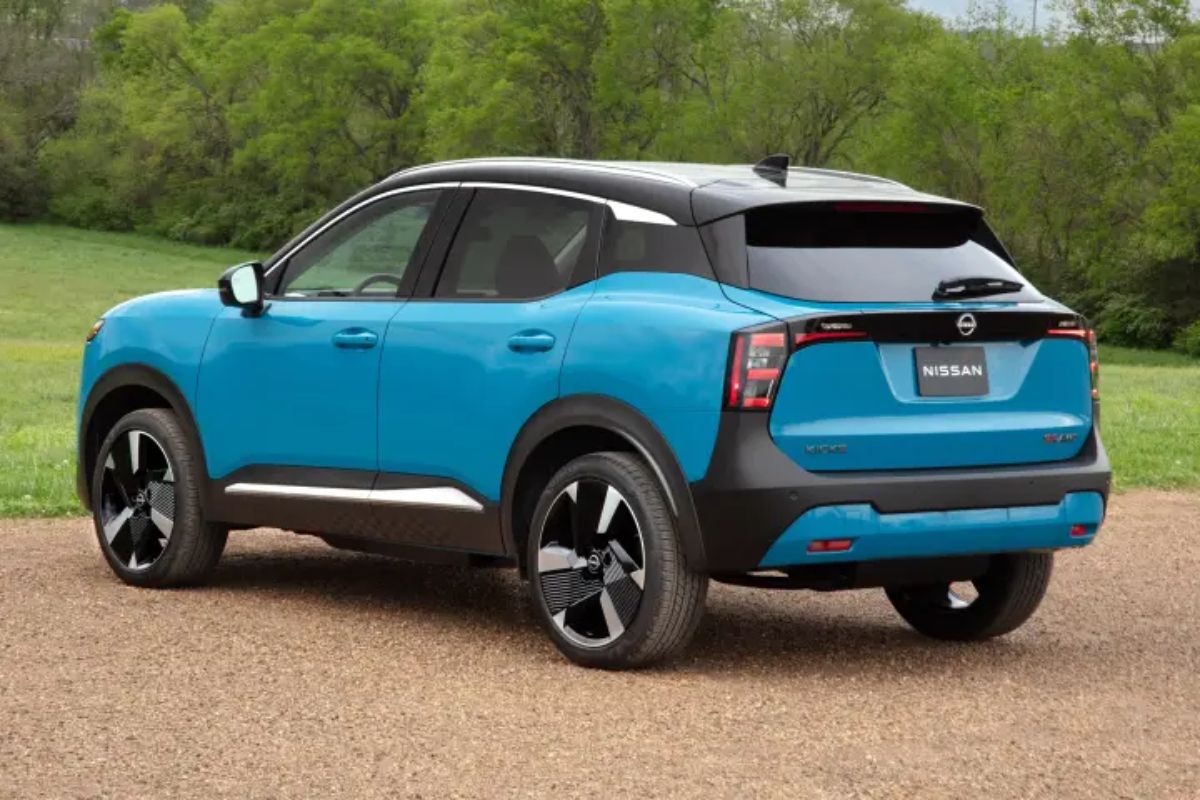


The New Nissan Kicks Turbo Arrives for 2025 Larger, More Technological and Safer, but the Increased Weight Challenges the Performance of Its New 125-Horsepower Engine.
The new Nissan Kicks turbo has arrived and is, in fact, a completely new car. Nissan has abandoned the old 1.6 naturally aspirated engine and the CVT transmission to make way for a 1.0 turbo engine with dual-clutch transmission. This change represents a true revolution for the SUV, which is larger, safer, and much more technological.
However, according to the first assessments from the specialized press, such as those conducted at launch events, this evolution has come with a significant increase in weight. The analysis of the 2025 model reveals a car with a sophisticated interior and a complete safety package, but with performance that may not meet the expectations created by the name “turbo”.
What Changes in the New Kicks? The End of the 1.6 Engine and the Arrival of the Turbo Era
The most anticipated change by consumers has occurred. The new Nissan Kicks turbo has retired the previous mechanical setup. Now, the SUV is equipped with a 1.0 turbo three-cylinder engine, with direct injection and timing chain, coupled to a six-speed oil-bathed dual-clutch transmission.
-
A French brand placed a car on four huge red balloons to prove that its suspension made the vehicle “float,” and the surreal scene became one of the most iconic and unusual images in automotive history.

-
Jeep Avenger begins production in Brazil, debuting as the brand’s new entry-level SUV and inaugurating an unprecedented phase by becoming the first national Jeep manufactured outside of Goiana, as part of a R$ 3 billion plan.
-
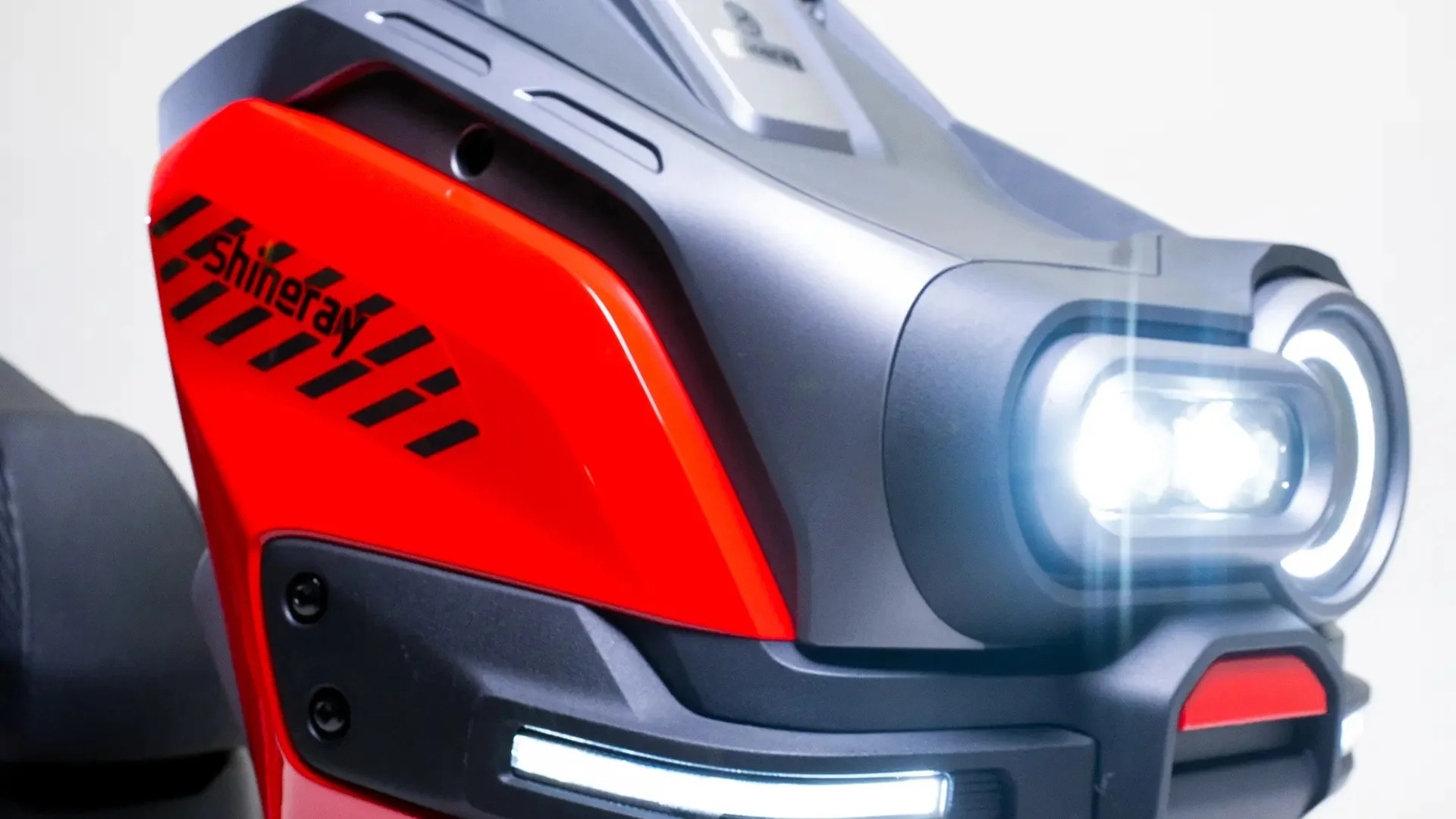
Costing R$ 12,490, the new Shineray Urban Lite 150 “cheap one” arrives in Brazil with a CVT transmission, digital dashboard, and LED lights, making it more affordable than the Biz and targeting those who want to abandon the bus.
-
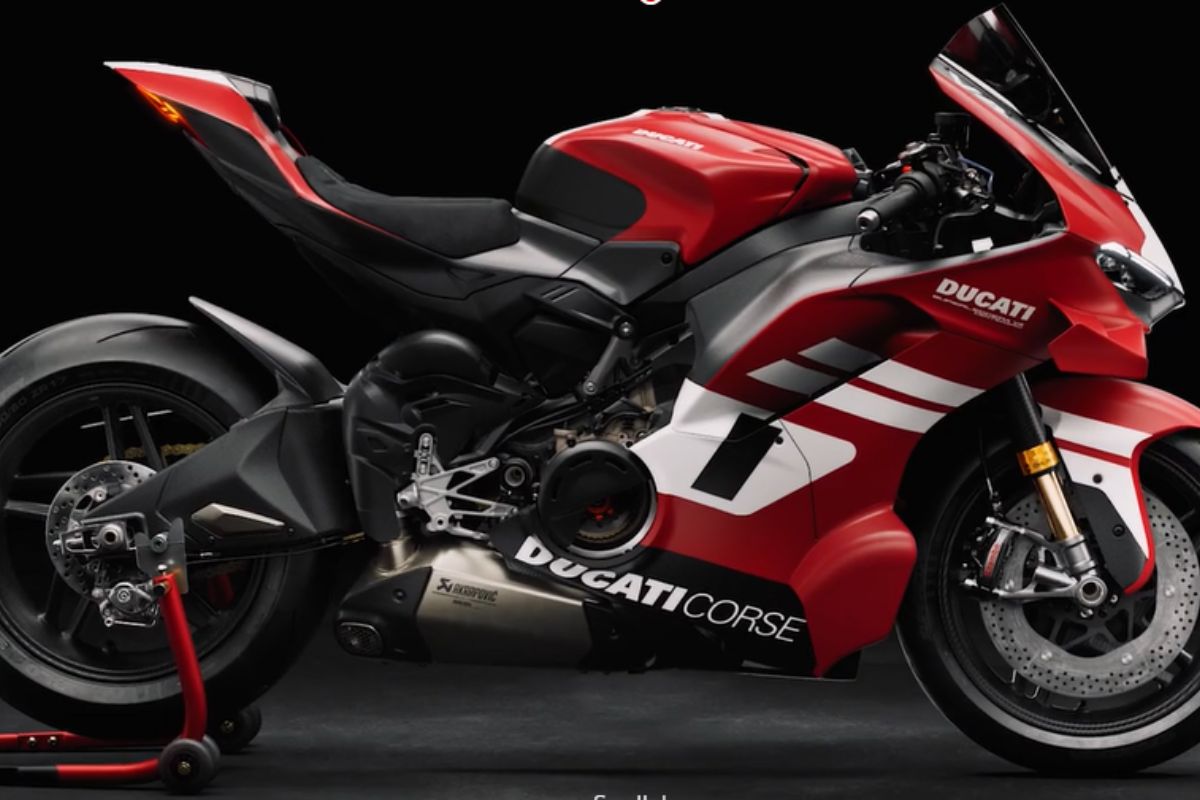
Ducati brings to Brazil the Superleggera V4 Centenario: 228 hp that become 247 with a track kit, carbon fiber and carbon-ceramic brakes, estimated price between R$ 1.5 and 2 million, deliveries only in 2027.

The car is also built on a new platform, the same as the Renault Kardian, which has made it significantly larger than the previous generation.
The 125-Horsepower Engine and the Weight Challenge

The new turbo engine delivers 125 horsepower and 22.4 kgf.m of torque with ethanol. Although it is a modern engine, it has to deal with the new weight of the car, which in the top version reaches 1,366 kg, about 200 kg more than its “cousin” Kardian.
This power-to-weight ratio of 11 kg per horsepower is a crucial factor in understanding the dynamic behavior of the SUV.
Performance in Practice: Slower Than Expected?
Despite the expectation of a sportier performance, the figures for the new Nissan Kicks turbo show that Nissan’s focus was elsewhere. The 0 to 100 km/h time declared by the manufacturer, using gasoline, is 12.4 seconds.
In the practical test conducted, the time was 13.5 seconds. The conclusion is that, although the turbo engine offers more torque, the car’s increased weight makes it a vehicle focused on comfort and safety, rather than speed.
What Comes in the Top Version?
It is in the interior and the list of features that the new Nissan Kicks turbo impresses the most. The evaluated top version features a finish with soft-touch materials and leather, and a sound system from Bose with speakers in the headrests of the driver and passenger.
The technological package includes:
- Digital Instrument Cluster and multimedia center with wireless Android Auto and Apple CarPlay.
- 360º Camera.
- Panoramic Sunroof.
- Electronic Parking Brake.
- 5-Star Safety in crash tests, with all airbags, adaptive cruise control, and lane-keeping assist.
A Complete Car, But with Performance as a Point of Attention
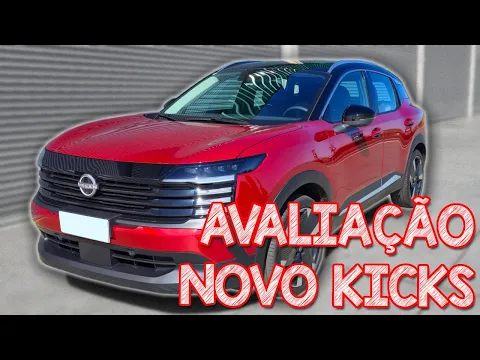

The analysis of the new Nissan Kicks turbo reveals a car that has made a huge leap in quality, safety, and technology. The interior is sophisticated, space has increased, and the features list is worthy of a higher segment.
However, the main point of attention is performance. Those expecting the agility and speed that the name “turbo” suggests may be disappointed. The car has become more complete and safer, but also heavier, and the 1.0 turbo engine, while competent, cannot deliver a sporty performance. The purchase decision will depend on what the consumer prioritizes: a luxurious interior and lots of technology or a bolder performance.









Começaram a fazer ****!
Faltou potência,cagaram no motor,a concorrência chinesa oferece mais potência e desempenho fora a tecnologia que é de longe bem melhor por preço inferior
Quem designer horrível, essas partes pretas nos para-choques, nada com nada, prefiro o meu 2023.