





 English
  Francês
  Alemão
  Italiano
  Japonês
  Norueguês
  Portuguese
  Spanish
 7 min of reading
  0 comments


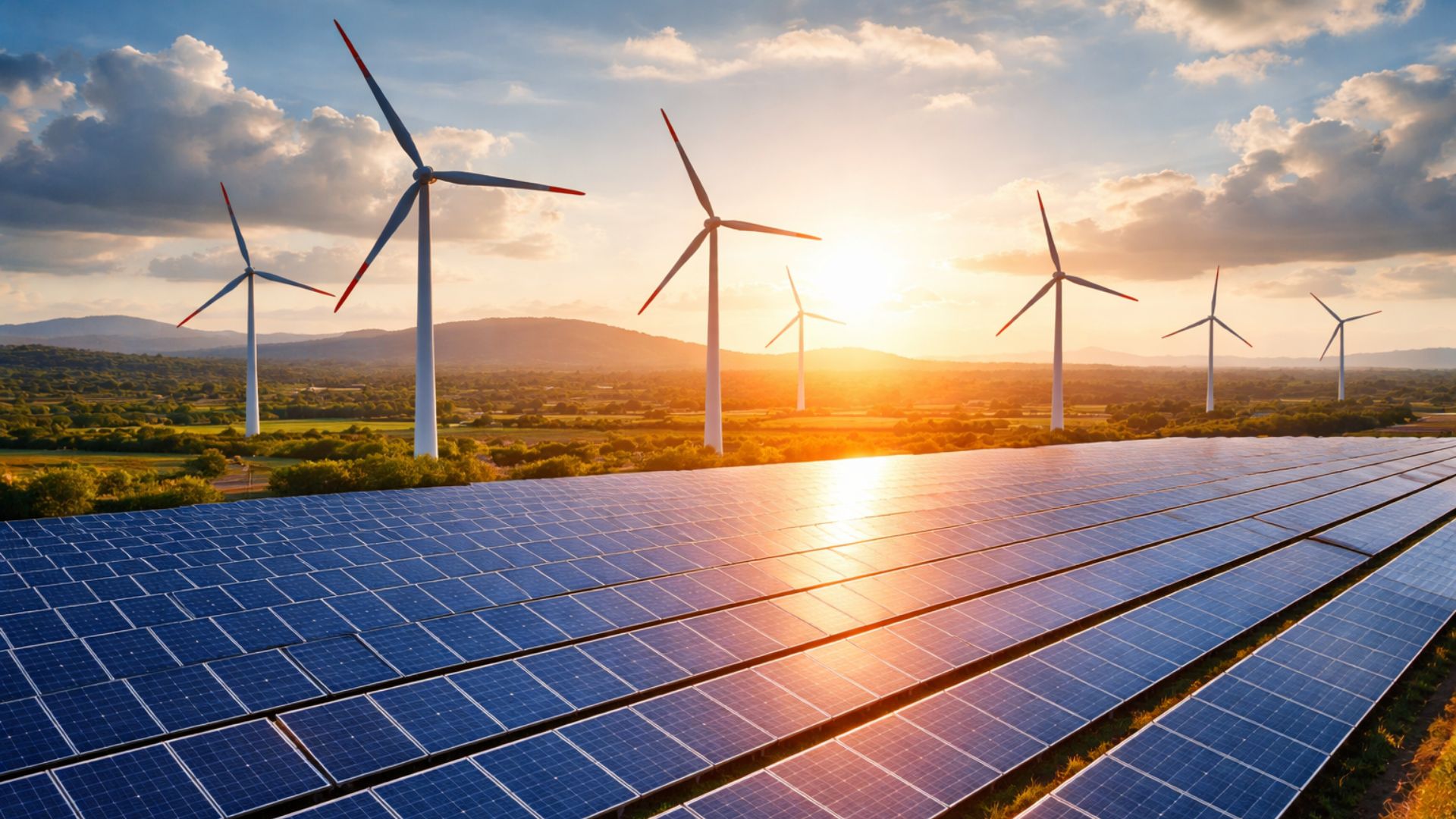
Rio Grande do Norte (RN) Stands Out in the Advancement of Brazil’s Energy Expansion with the Entry of New Plants, Boosting Investments and Increasing the Use of Renewable Sources in the Country.
The Rio Grande do Norte has consolidated its position as a leader in the Brazilian electricity sector by leading the energy expansion nationwide at the beginning of 2026. Data from the National Electric Energy Agency (ANEEL) shows that the state added 640 megawatts (MW) of generation capacity to the Brazilian electric system in just the first two months of the year. This volume represents one of the largest expansions recorded in the period and places RN at the center of discussions about the future of the country’s energy matrix.
According to an article published by the website Tribuna do Norte on March 9, the growth occurred mainly with the entry into operation of new plants, especially photovoltaic solar projects. In February, Brazil registered the inauguration of 16 electric generation enterprises, including 14 solar, one wind power plant, and one small hydropower plant. Out of this total, 13 started operating in the territory of Rio Grande do Norte, consolidating the state as the main hub of energy generation expansion in the country at that time.
This advancement reinforces the strategic role of RN in strengthening renewable sources in Brazil. The expansion of installed capacity not only increases the supply of electricity but also contributes to reducing carbon emissions and to regional economic development.
-
A study reveals the expansion of renewable energy procurement in Brazil and shows how companies are taking advantage of opportunities to reduce expenses, ensure energy efficiency, and strengthen strategic environmental commitments.

-
Mato Grosso do Sul excels in the sugar-energy sector: the state reaches a milestone of 22 operating mills and accelerates the production of clean energy in MS with a focus on sustainability.

-
National energy dilemma: Brazilians support clean energy but reject increases in tariff costs to finance the sustainable transition.
-
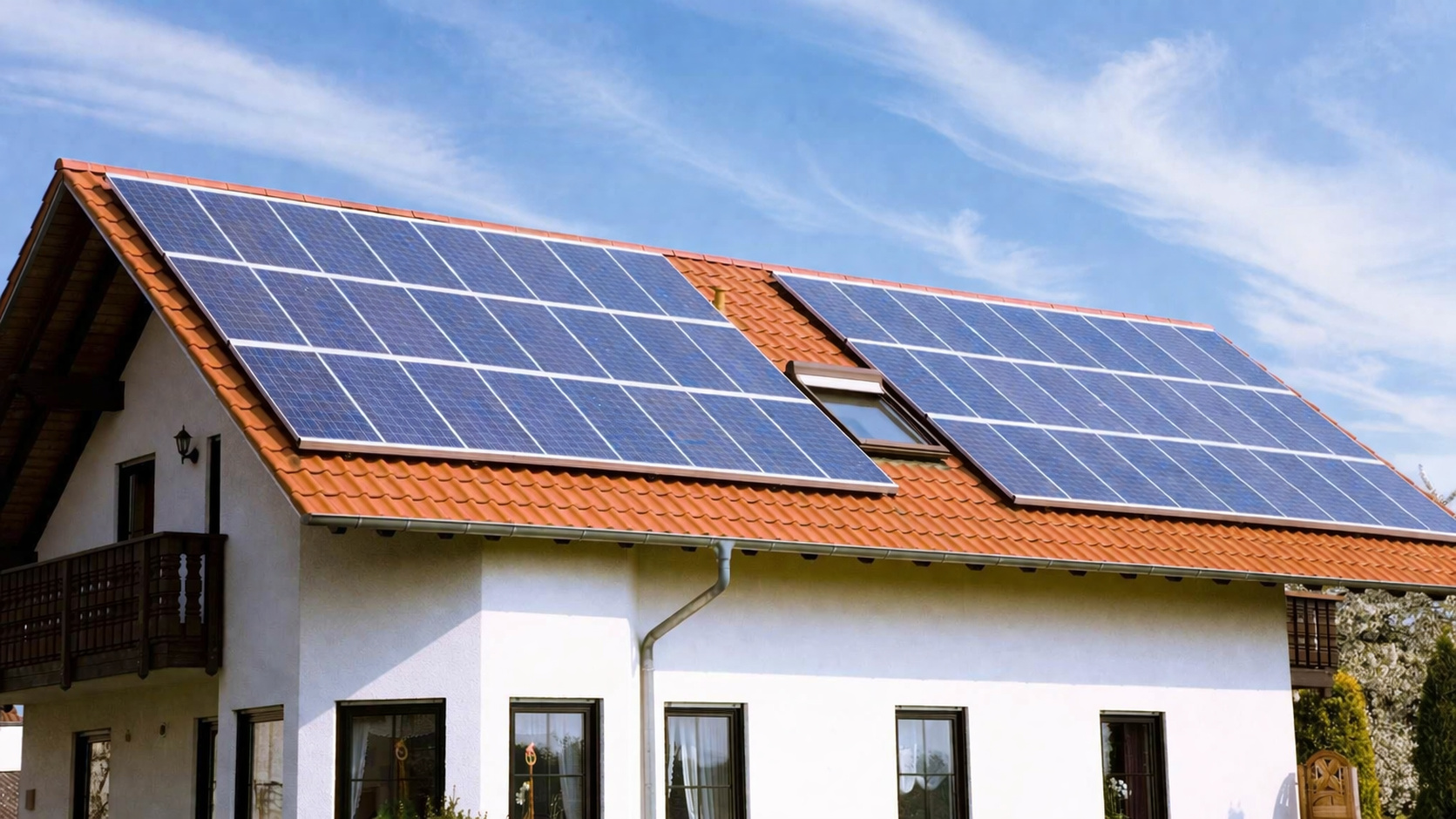
Research indicates that Brazilians support clean energy and wish to advance in the energy transition, but reject paying more on their electricity bill, showing a direct conflict between cost and sustainability.


New Solar Plants Boost Energy Growth in Rio Grande do Norte
Much of the recent energy expansion in Rio Grande do Norte is directly linked to the growth of photovoltaic solar generation. The combination of high solar incidence, land availability, and incentive policies has attracted significant investments to the sector.
One of the most important projects in this context is the Assú Sol Photovoltaic Complex, a venture by the company Engie located in the municipality of Assú, in the interior of RN. The project received around R$ 3.3 billion in investments and has 895 megawatts-peak (MWp) of installed capacity, being considered the largest solar complex of the company in operation worldwide.
The complex consists of 16 new solar plants, of which 12 are already in commercial operation. The remaining units are expected to start operating by June 2026, further increasing energy production based on renewable sources in the state.
In addition to contributing to the energy expansion, the venture strengthens the regional economy. Large projects of this type stimulate local production chains, create jobs during construction, and increase tax revenues for municipalities where they are installed.


Growth of the Brazilian Electric Matrix Reinforces the Prominence of Renewable Sources
The progress observed in Rio Grande do Norte occurs within a national context marked by the growth of sustainable electric generation. According to ANEEL data, Brazil’s generation matrix increased by 1,286 MW between January and February 2026, primarily driven by the entry into operation of new solar plants.
Currently, the country has approximately 217.9 gigawatts (GW) of installed capacity monitored in the electric system. Of this total, about 84.7% of the Brazilian electric matrix is based on renewable sources, including hydropower, wind energy, solar, and biomass.
This percentage places Brazil among the countries with the highest share of clean generation in the world. In this context, Rio Grande do Norte stands out as one of the main drivers of energy expansion, especially due to the rapid installation of solar and wind projects.
The performance of RN demonstrates how the natural potential of the Northeast has been fundamental for the diversification of the national energy matrix and for the consolidation of renewable sources as the basis of Brazilian electric generation.
Northeast Concentrates Investments and Increases Leadership in Clean Energy Generation
The advancement of Rio Grande do Norte is also part of a broader regional context. The Northeast has established itself in recent years as the main Brazilian hub for energy production from renewable sources, particularly solar and wind.
According to ANEEL data, Bahia leads the national ranking for installed capacity, with around 46.4 gigawatts (GW) distributed across 1,176 electric generation enterprises. Rio Grande do Norte follows closely behind among states with the most significant prominence in the sector, occupying the third national position, with approximately 22.1 GW of installed capacity distributed across 652 generation projects.
This significant volume of enterprises reinforces the role of RN in Brazilian energy expansion. The growing presence of new plants in the region demonstrates how the Northeast has become a strategic territory for investments in the electric sector.
In addition to favorable climatic conditions, factors such as the availability of areas for the installation of parks and incentive policies also contribute to attracting companies interested in investing in renewable sources.
Transmission Infrastructure Emerges as the Main Challenge for New Projects
Despite the strong growth of electric generation in Rio Grande do Norte, experts point out that the state faces significant challenges to maintain the expansion pace in the coming years.
One of the main barriers is related to energy transmission infrastructure. Limitations in the capacity of transmission lines make it difficult to transport the electricity produced by the new plants, which may reduce the attractiveness of new projects in RN.
According to Darlan Santos, president of the Center for Strategies in Natural Resources and Energy (Cerne), this limitation is already starting to impact the sector. He stated that some planned investments for Rio Grande do Norte have been redirected to other states that have greater network availability.
“Rio Grande do Norte is experiencing a moment of reduced investments due to restrictions on energy transportation, which has opened up space for the transfer of projects to other states, such as Bahia,” said the expert.
For sector experts, expanding transmission lines is crucial to ensure the continuity of energy expansion and prevent new renewable sources ventures from failing to be installed in the state.
Renewable Energy Can Attract Industries and Transform the Economy of RN
Besides electric generation, experts argue that Rio Grande do Norte can utilize its energy potential as a tool for economic development. Currently, a large part of the energy produced by the new plants installed in the state is exported to other regions of the country.
According to Cerne, an important strategy would be to increase the local use of this electricity. The goal would be to attract industrial sectors that depend on high energy consumption and could benefit from the availability of renewable sources in RN.
Promising segments include mining, fertilizer production, green hydrogen, and data centers. These sectors have high electricity consumption and may find competitive conditions for establishing new ventures in Rio Grande do Norte.
Attracting these industries can generate skilled jobs, increase tax revenue, and diversify the state economy. In this scenario, the energy expansion based on renewable sources would shift from being merely an electricity-exporting sector to also becoming a driver of industrial development.
Projections Indicate New Plants and Continuation of Energy Expansion in Rio Grande do Norte
Projections for the coming years indicate that Rio Grande do Norte will continue to expand its participation in Brazilian electric generation. Data from the Expansion of Generation Supply Monitoring Panel (RALIE), from ANEEL, show that several projects already have operations scheduled.
Among the planned ventures are 17 new wind power plants, with approximately 507 MW of capacity, expected to start operation in 2026. For 2027, 14 solar projects are expected, totaling around 613 MW, as well as one wind plant with 27 MW.
The planning also includes two solar projects that total 98 MW between 2028 and 2029. For 2030, 16 wind ventures with about 704 MW are planned, along with three solar plants expected to add approximately 144 MW.
The numbers become even more significant in projections for 2031, when 16 wind parks with 514 MW are expected, in addition to 145 solar projects, which together should add approximately 6,136 MW to the electric system.
If these projects are confirmed, Rio Grande do Norte could significantly increase its share in the energy expansion nationwide and further consolidate its position as a Brazilian reference in renewable sources.
The Prominence of Rio Grande do Norte in the Brazilian Energy Transition
The recent performance of Rio Grande do Norte demonstrates how the state has become one of the pillars of the transformation of the Brazilian energy matrix. The rapid commissioning of new plants, primarily solar and wind, has placed RN at the center of the national energy expansion.
The 640 MW added to the Brazilian electric system in the first two months of 2026 represent a significant advancement and show the state’s capacity to attract investments in renewable sources.
At the same time, the growth potential remains high. The substantial volume of planned projects for the coming years indicates that Rio Grande do Norte should continue to play a strategic role in producing clean energy in the country.
If it can overcome structural challenges, particularly in transmission infrastructure, RN could transform its leadership in energy expansion into a driving force for regional economic development, establishing itself as one of Brazil’s main centers for generation based on renewable sources.







Seja o primeiro a reagir!