





 English
  Francês
  Alemão
  Italiano
  Japonês
  Norueguês
  Portuguese
  Spanish
  3 min of reading


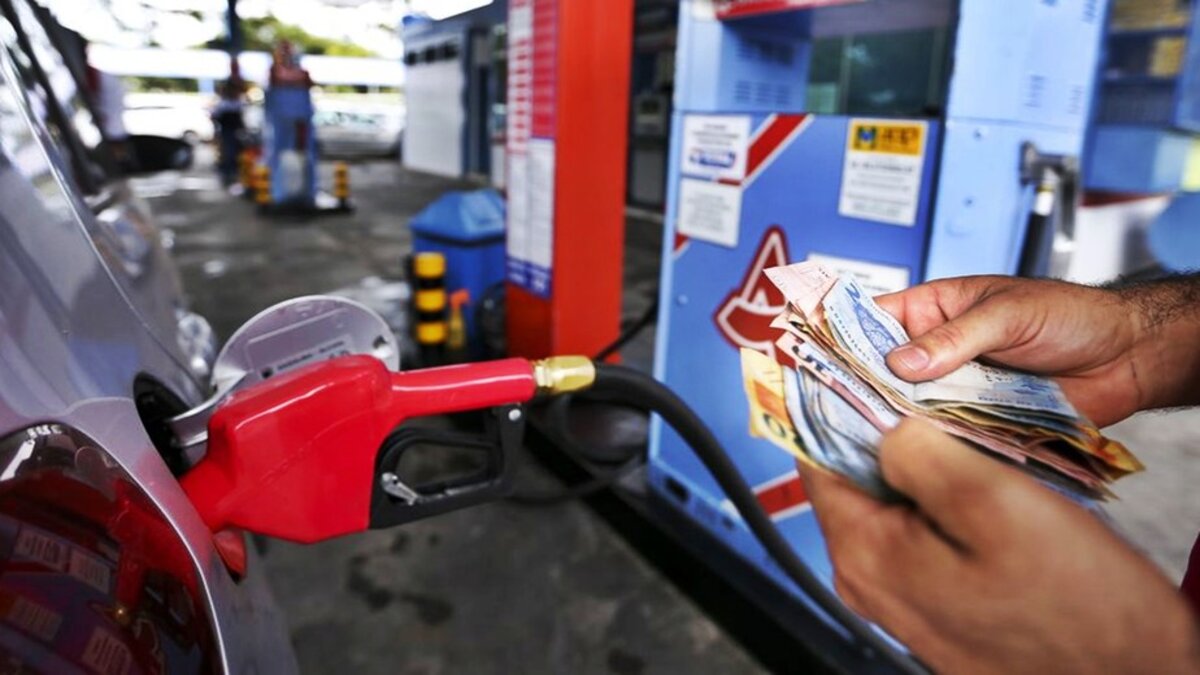
Marteen Westselaar, CEO of Cepsa, Proposes That the Government Keep Increasing Fuel Prices, Thus Promoting Its Reduced Use and Ensuring the Salvation of the Planet.
During the World Economic Forum (WEF) held in Davos, Marteen Westselaar, CEO of Cepsa (Compañia Española de Petróleos), argued that the government should use “supply and demand” to encourage the reduction of fossil fuel usage, eventually leading the population to abandon it. In this way, the more expensive they are, the less people would be willing to spend, prompting companies to seek alternative and sustainable solutions to this problem, thus saving our planet Earth.
Abandoning Fossil Fuels Is an Opportunity for the World’s Energy Transition
According to Marteen, using the invasion of Russia as an example, it led Ukraine to reduce its consumption of fuels such as oil and natural gas.
In theory, according to the CEO of Cepsa, the resources collected could be allocated to the energy transition.
-
Chinese giant worth nearly R$ 4 billion that manufactures cables for electric cars, solar energy, and robotics wants to open a factory in SC.

-
Many employers do not know, but the law guarantees domestic workers a 25% increase in salary during trips, 50% for overtime, 20% for night shifts, and 17 additional benefits that can lead to labor lawsuits if not paid.

-
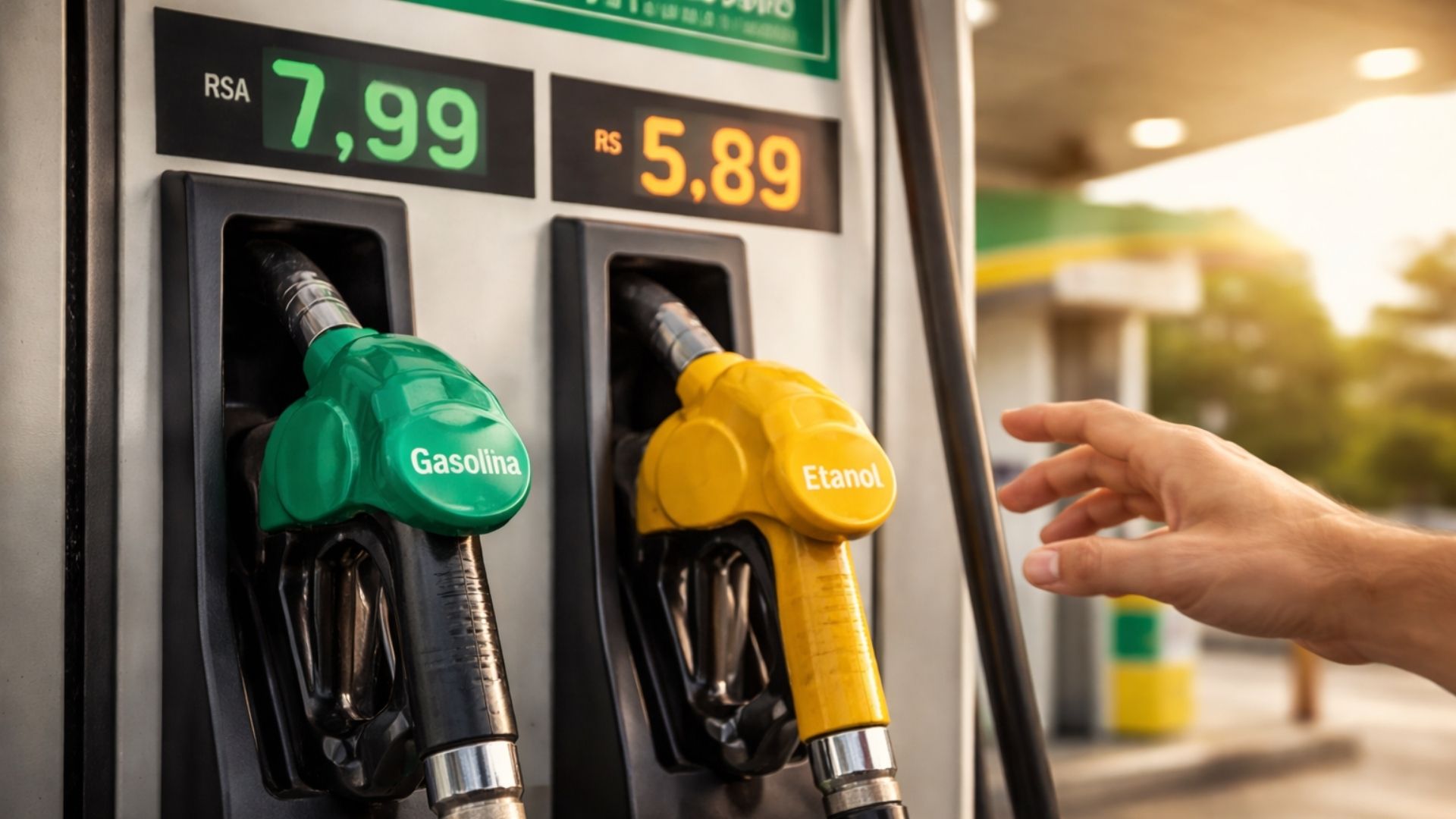
Gasoline prices soar and the question arises: is ethanol more advantageous? The 70% rule reveals the limit with gasoline.
-
The government has made a decision and is starting a test with more ethanol in gasoline, anticipating a mixture of up to 35%, diesel with 25% biodiesel, and a study to assess the impacts on engines.
However, in practice, the plan faces several obstacles, especially from the population, which blames the increase in energy prices as an aggravating factor for their economic situation.
In the United Kingdom, energy bills amounting to up to 3500 euros annually contributed to the economic recession of the second-largest economy in Europe.
This same situation affects Germany, which has an economy entirely based on the industrial scenario and is dependent on Russian natural gas, as well as France, which, although it generates electricity through nuclear power plants, has very low oil production.
The widespread inflation resulting from this experience also led the world to experience higher interest rates. In turn, this led to higher unemployment rates, resulting in a decrease in the purchasing power of the population.
In Brazil, due to high inflation, fuel prices rose by 80%, draining part of Brazilian families’ income, alongside a widespread increase in food sector costs.
It is uncertain whether Marteen’s proposal to save the planet by raising fuel prices will be implemented, but it serves as an example of the discussions that took place in Davos.
What Is the World Economic Forum?
The World Economic Forum is a non-profit organization known for its annual meetings in Davos, Switzerland, where it gathers the world’s leading figures to discuss the most urgent global issues.
The event brings together the political-economic elite of the world and this year’s theme is “Cooperation in a Fragmented World,” aiming to re-establish multilateral collaborations in a world affected by the COVID-19 pandemic and the war between Russia and Ukraine.
This is the first edition of the event held during the traditional period after the pandemic.
The pandemic and the conflict between Russians and Ukrainians, however, remained fundamental topics. Regarding COVID-19, discussions continue about the possibility of a new global wave, due to recent cases in China, which surged after the abandonment of sanitary policies aimed at combating the virus.
Returning to the idea of the CEO of Cepsa and his attempt to help the planet, maintaining high fuel prices could significantly harm the population.








Seja o primeiro a reagir!