





 Portuguese
  English
  Spanish
  4 min of reading
  0 comments


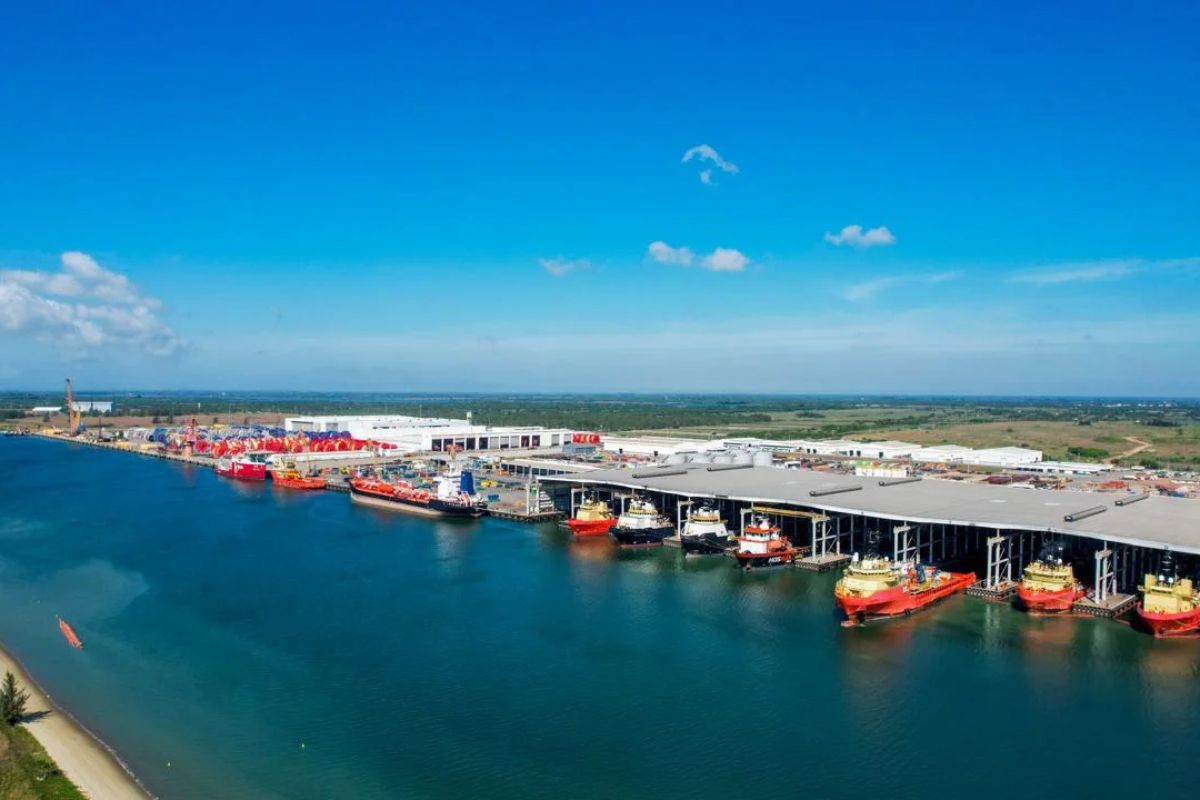
With A Thermoelectric Park of R$ 12 Billion and a Back Area of 90 km², the Açu Port Consolidates Itself as the Largest Private Deep-Water Complex in Latin America and Expands Energy Transition Projects.
The Açu Port, in northern Rio de Janeiro, operates as the largest private deep-water complex in Latin America, combining logistical vocation, industrial park, and a rapidly expanding energy hub. The natural depth and terminal design allow for the accommodation of large-draft vessels (such as VLCCs), while the 90 km² back area enables the establishment of factories, oil and gas bases, and integrated logistical services.
In addition to the maritime axis, the complex has gained energy strength. The natural gas thermoelectric park accounts for R$ 12 billion in investments, and the transition plan includes hydrogen and low-carbon fuels, paving the way for green products for export and higher value-added industrial chains.
Where the Açu Stands Out and Why It Matters
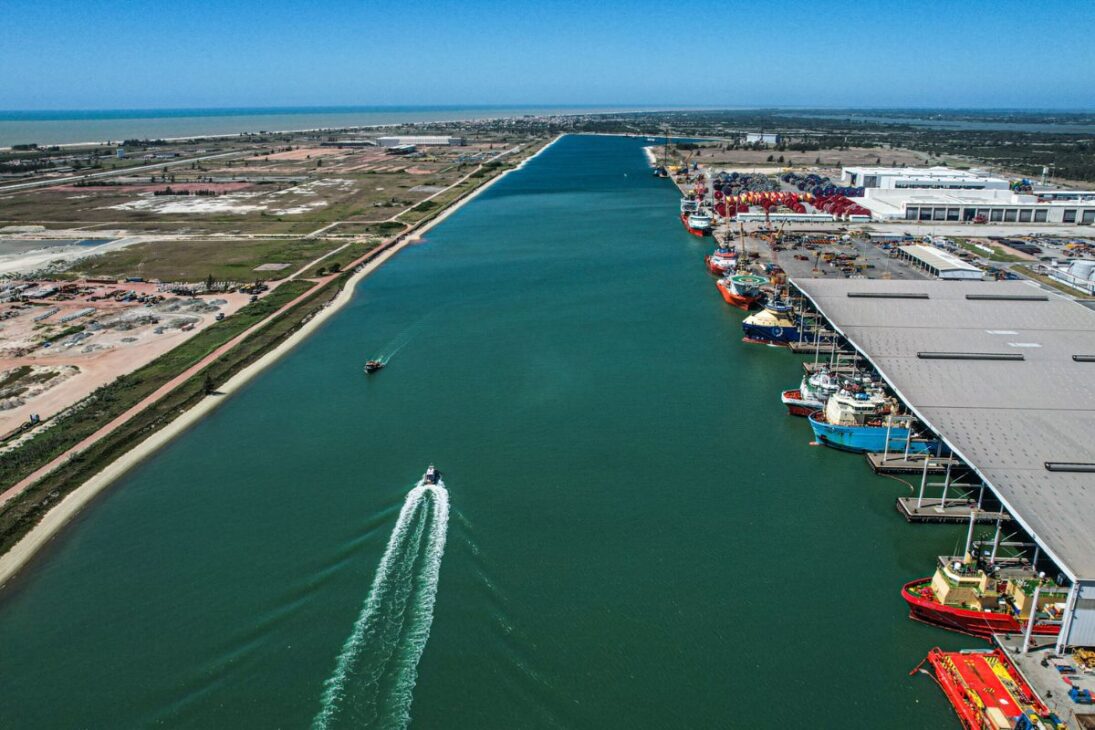
The Açu Port brings together port, industry, and energy on the same territory— a rare differential in the country.
-
A new study suggests that the Strait of Gibraltar may disappear because the rocks beneath it are triggering a subduction process that could reshape the entire Atlantic Ocean in the next 20 million years.
-
There is a little-known function that allows you to earn a salary in dollars working from home without knowing anything about programming, and Brazilians are already making up to R$ 35,000 per month organizing inventories and routes for American companies.

-
China has deployed over 1,400 fishing boats in formation, creating a barrier of 320 kilometers at sea, and the whole world wants to know if this is fishing, military exercise, or a message of war.
-
Where there was only sand and wind at 40 degrees, China built a megacity of 500,000 inhabitants with farms, wineries, and universities in the middle of the desert using melted glacier water from hundreds of kilometers away.


The condition of deep water ensures efficiency in long routes and heavy loads, reducing waiting windows and enhancing operational predictability.
The complex also maintains a heliport with the code SBPW, supporting offshore operations and the transit of technical teams, especially in the oil and gas chain.
Another vector is the back area. With 90 km² adjacent to the piers, Açu offers scale for industrial plants and service centers, which shortens transportation and logistical costs.
This layout allows for the combination of commodity shipping (ore, oil) with manufacturing and specialized services, creating synergies that enhance competitiveness.
Industrial Scale and Energy: From Gas Today to Hydrogen Tomorrow
The Açu thermoelectric park, valued at R$ 12 billion, is currently one of the pillars of demand and industrial anchoring for the complex.
The firm energy supply strengthens attractiveness for new ventures and provides predictability for 24/7 operations.
On the edge of transition, the expansion plan includes green hydrogen, green ammonia, and low-carbon fuels, with announcements adding up to billion-dollar investments in clean energy over the next decade.
Projects like the green fuel plant (R$ 1 billion) and agreements for ammonia aim to position Açu as a national hub for decarbonization, coordinating onshore/offshore renewable generation and chemical export chains.
Logistics and Performance: Deep Draft, Record Load, and Comparison with Hubs
In volume, Açu handled 84 million tons in 2023 and projected to reach 100 million in 2024, driven by ore and oil.
Ferroport set a record of 25.014 million tons of ore in 2024, while T-MULT reached 10 million tons.
In 2025, Anglo American and Ferroport combined for 200 million tons exported historically— milestones that demonstrate operational maturity and scale gains.
In domestic comparison, the Port of Santos maintains the largest total volume (173 million tons in 2023), but Açu stands out for its draft and private structure focused on large ships. Regularly accommodating VLCCs is a strategic asset for oil flows, reducing costs per ton and dwell time.
For exporters, this combination of depth, window, and extensive back area enhances predictability and reduces logistical friction.
Governance, Environment, and Technology: Efficiency with ESG in Practice
The port and industrial operation has been accompanied by ESG programs and meteorological-oceanographic monitoring (SISMO), as well as Vessel Traffic Service (VTS) for navigation safety. Conservation projects (such as the monitoring of sea turtles) and environmental incentive policies for better-performing vessels complement the package.
On the technological side, the adoption of algorithms and artificial intelligence at Ferroport reinforces productivity gains and helps reduce yard, queue, and boarding variability.
This digital framework, combined with private management with shorter decision chains, supports the ambition to increase volumes without compromising operational safety and environmental goals.
What Still Challenges the Complex and Next Steps
Despite the advances, land access remains on the radar: improving road connections and gaining railway capillarity is crucial to capturing new industrial loads and reducing total logistical costs.
Social governance and territorial dialogue also remain central, given the scale of the venture and its effects on neighboring municipalities.
On the future agenda, Açu aims to consolidate itself as the “energy transition port”, linking offshore wind energy, gas, hydrogen, and green fuels to long-term contracts.
The strategy is to transform depth and back area into industrial advantage, connecting natural resources, technology, and green financing and, thereby, sustain the title of the largest private deep-water complex in Latin America with higher value added per ton.
For those operating day-to-day, does Açu deliver the efficiency it promises? Are land accesses still a bottleneck for your cargo? Is energy transition at the dock talk or has it already become a signed contract and real demand? Share your experience from ship owners to truck drivers, from engineers to freight agents. Your account helps measure, in practice, the impact of this giant and the path to making it even more competitive.








-

-

-

-

-

-

39 pessoas reagiram a isso.