





 Portuguese
  English
  Spanish
 4 min of reading


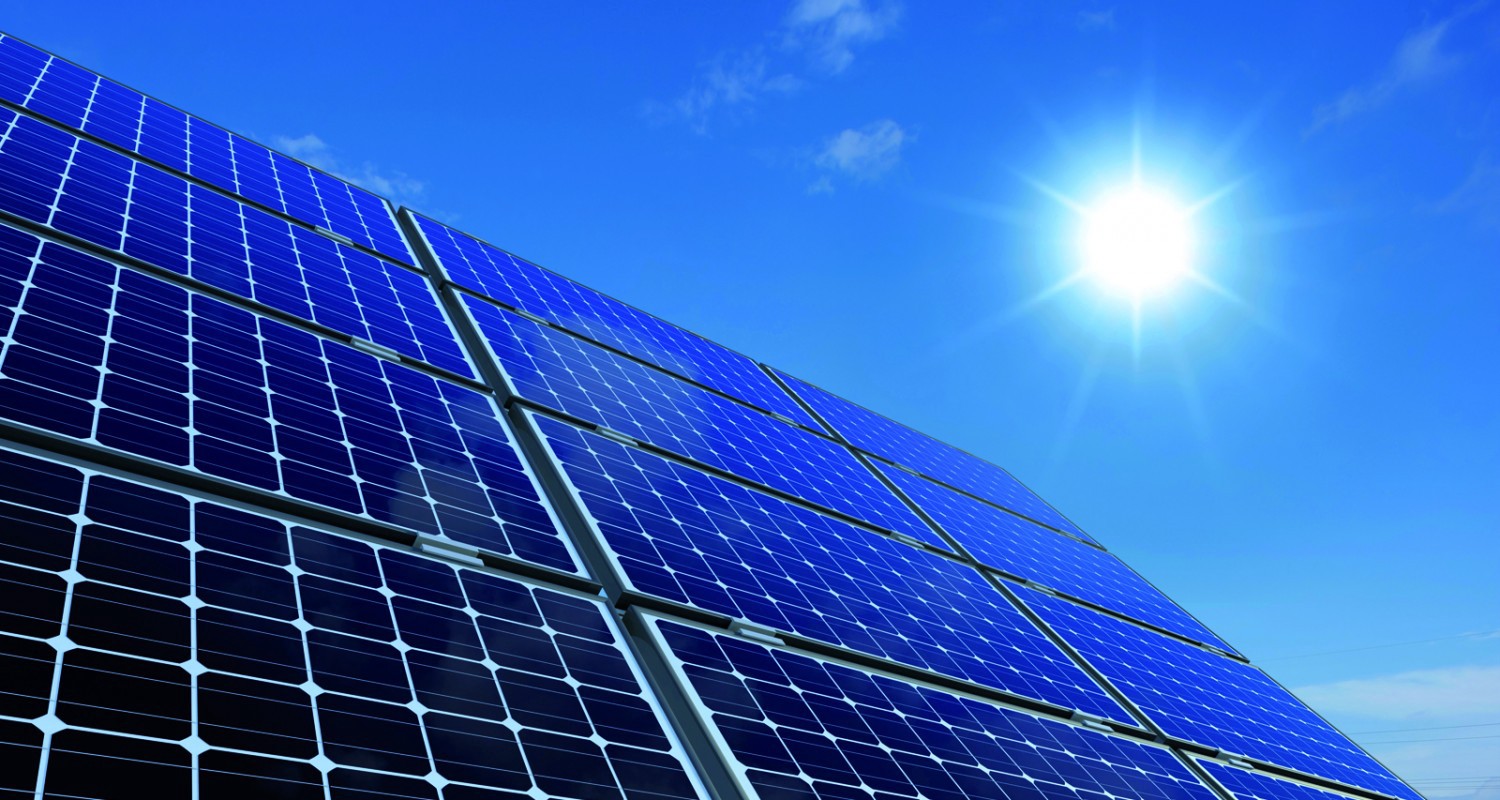
With The Move To Solar Energy, Basic Health Units Will Save More Than R$ 2 Million On The Electricity Bill
About 80 Basic Health Units in São Paulo will be powered by solar energy starting in 2024. This initiative emerged from a public-private partnership between the City of São Paulo and the Sol da Saúde consortium. The partnership was established and signed on December 14, 2021. According to Ricardo Nunes’ administration, this partnership will generate savings of R$ 65 million for São Paulo over 25 years. According to calculations made by the City of São Paulo, savings on electricity bills are expected to reach 56%, resulting in a reduction of about R$ 2.05 million annually. The Sol da Saúde consortium will receive around R$ 171 thousand monthly throughout the contract.
Read Also
Solar Energy at Basic Health Units
Supplying basic health units with solar energy is the initial phase of the Municipal Clean Energy Program. The next phase, as soon as the bidding is approved, will involve the implementation of solar energy in 775 schools in São Paulo.
The third phase will be the construction of a “solar farm” at the Bandeirantes landfill, in the Perus neighborhood, northern São Paulo, where solar energy generation panels will be installed. However, concerning the first phase, it is believed that solar energy will be implemented in basic health units within two years as an emergency method to reduce the electricity bills of health units.
-
Renewable energy advances over protected areas in Brazil, and a survey by the Energy Transition Observatory reveals silent impacts that challenge environmental conservation and pressure sensitive traditional territories.

-
Rio Grande do Sul accelerates energy transition: State invests in renewable technologies and consolidates decarbonization strategies and pathways to attract billions in new industrial investments.

-
With 160,000 m² of collectors, an area larger than 20 football fields, Silkeborg, in Denmark, hosts a solar thermal plant that heats 19,500 homes and could become the largest solar heating plant in the world.

-
A study reveals the expansion of renewable energy procurement in Brazil and shows how companies are taking advantage of opportunities to reduce expenses, ensure energy efficiency, and strengthen strategic environmental commitments.


The first four months of the first phase will be dedicated solely to preparing the sites. In the following 20 months, the installation will take place. In 12 months, generation plants will be installed in 27 basic health units, totaling 10,644 photovoltaic solar panels.
Partnership Between Health Consortium and The City of São Paulo
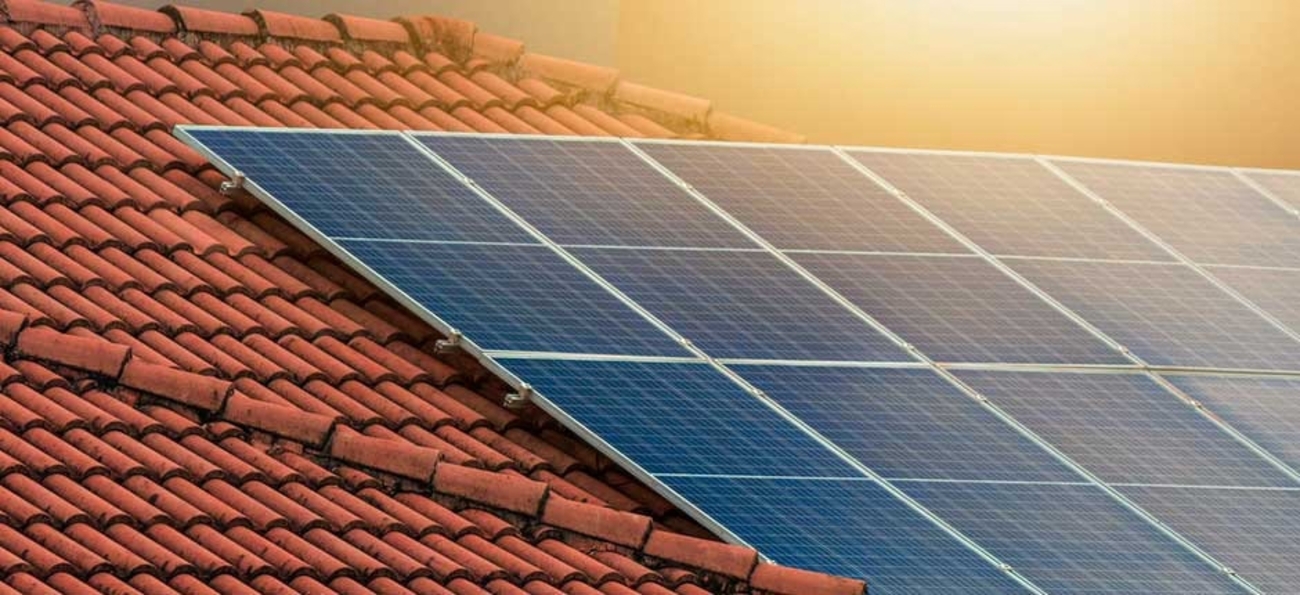
The Sol da Saúde consortium, formed by the Santa Catarina-based Quantum and the financial consultancy Houer, will install solar panels on the rooftops of the basic health units. All the energy captured by the panels is immediately converted into electrical energy to supply the unit. The consortium is also responsible for the other arrangements with the energy distributor, which will assist in the supply part.
The City of São Paulo has allocated investment fund quotas as a form of guarantee in the contract with the consortium. According to Alex Novais, Quantum’s new business manager, this is an innovative project carried out in Brazil, as it is the first to be structured as a public-private partnership, with a certain public guarantee, where the private sector has an interest in investing.
According to calculations by the City of São Paulo, the project’s initial phase alone will prevent 72,594 tons of CO₂ from being released into the atmosphere over 25 years, which is equivalent to cutting down 1,862,795 trees or 483,504,983 km traveled by a vehicle. The percentage of public agencies using solar energy is still small, according to Bárbara Rubim, vice president of the Brazilian Solar Photovoltaic Energy Association – Absolar, who reported that the public sector represents only 1% of Brazil’s installed capacity for energy generation.
Savings on The Electricity Bill of Basic Health Units
The partnership between the City of São Paulo and the Sol da Saúde consortium was formed concurrently with the approval of a bill in the Chamber of Deputies, establishing that consumers responsible for producing and using renewable energy sources, such as solar energy, pay a fee corresponding to the use of electricity distribution wires.
According to Novais, even by generating energy remotely, it doesn’t mean that one will not have to pay for the use of wires. He added that this fee will be slightly higher but not unfeasible. Regardless, basic health units will experience a significant reduction in electricity costs.









Seja o primeiro a reagir!