





 Portuguese
  English
  Spanish
  5 min of reading
  1 comment


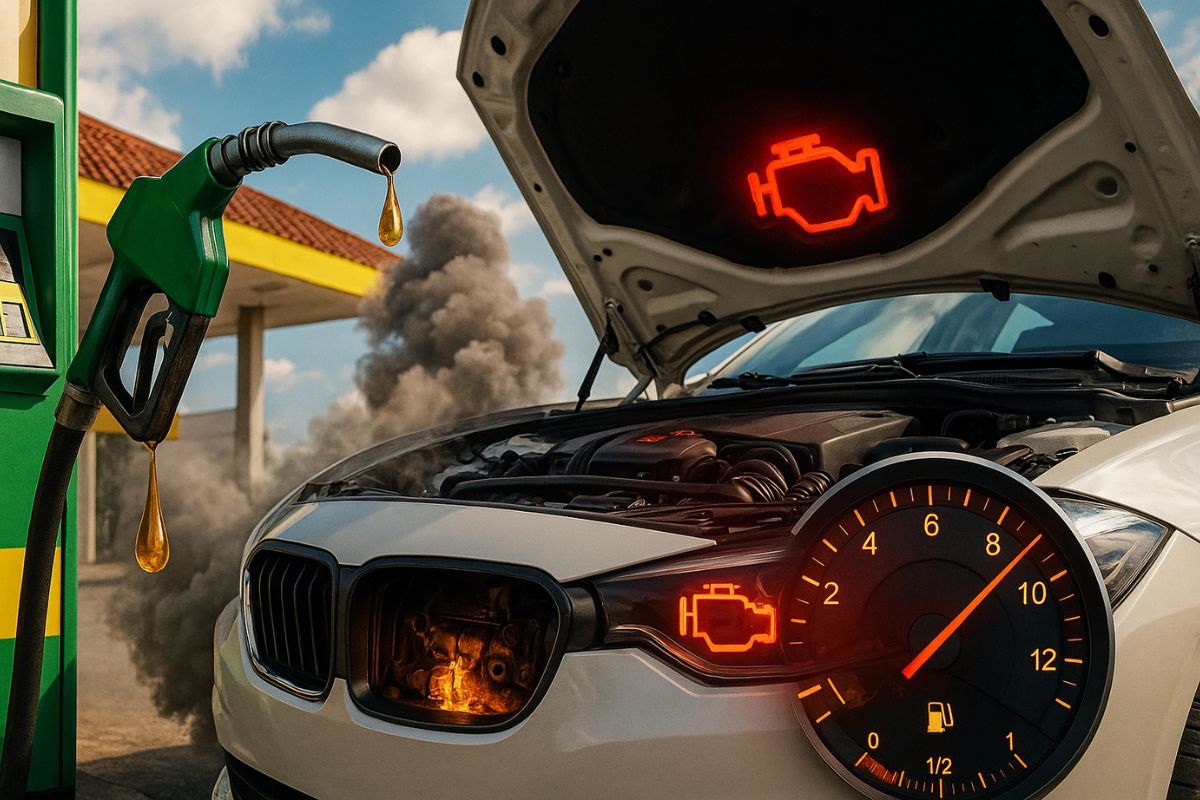


Low-Quality Gasoline Threatens the Engine, Increases Consumption, and Can Cause Immediate Losses for the Driver, Especially When the Vehicle is Fueled at Stations with Questionable Origins and Prices Well Below the Regional Average.
In a scenario of rising fraud at gas stations, ignoring the typical signs of low-quality gasoline can mean everything from performance loss to unexpected maintenance costs. Monitoring the car’s behavior after fueling, the station’s pricing policy, and the way the establishment operates is no longer detail but a practical form of consumer protection.
Refueling seems like a simple act, but it involves concrete risks when the fuel does not meet expected standards. Below-average performance, dashboard alerts, and high consumption are clues that, combined, help the driver suspect low-quality gasoline and reconsider where they are refueling.
What is Behind Low-Quality Gasoline
One point of concern is the so-called white pump, when the station sells fuel without displaying the distributor’s brand or with an origin that may not match the advertised image.
-
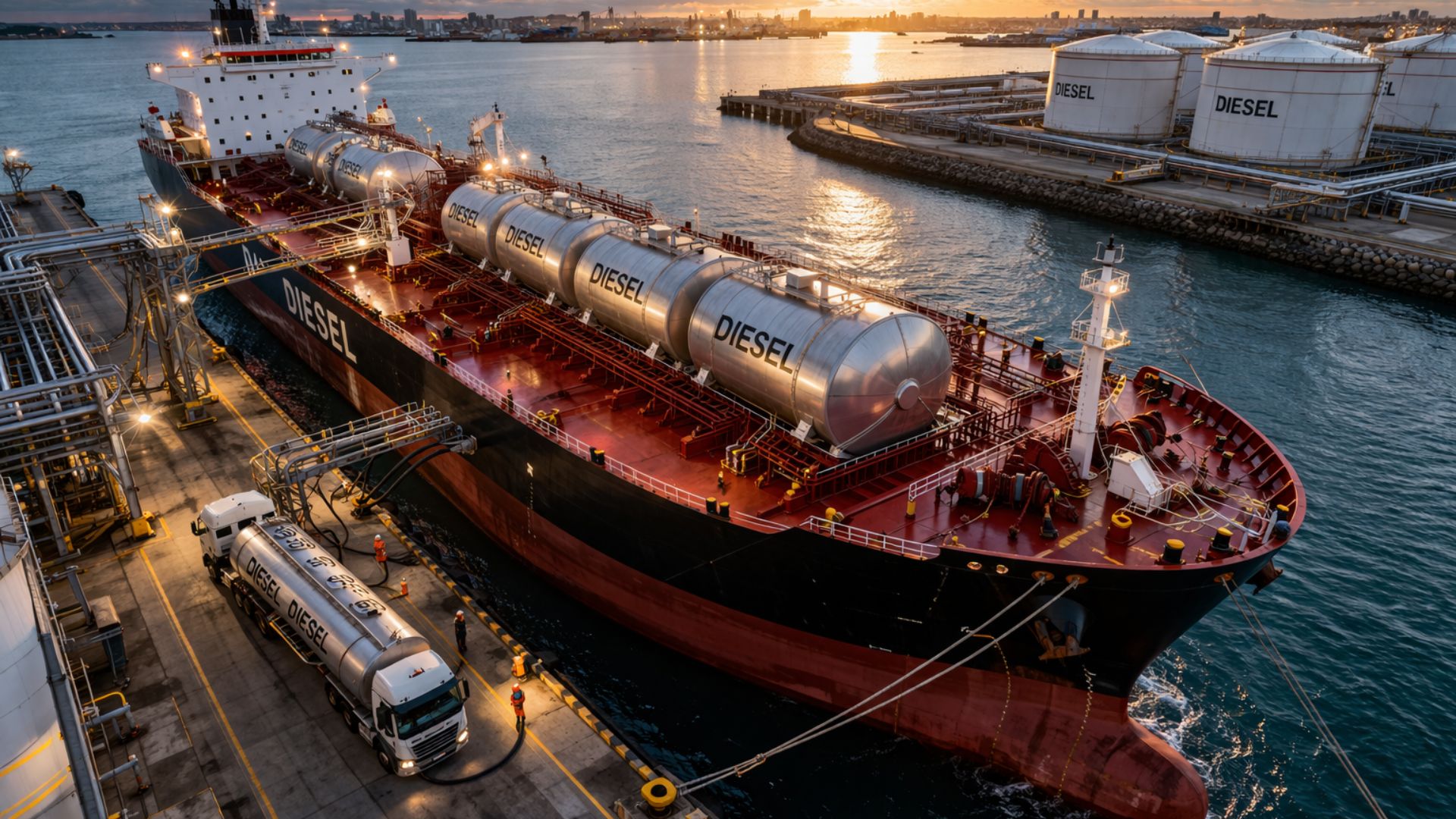
Former president of IBP highlights that dependence on diesel imports pressures prices in Brazil, increases vulnerability to global crises, and underscores the need for more robust and sustainable energy policies.
-
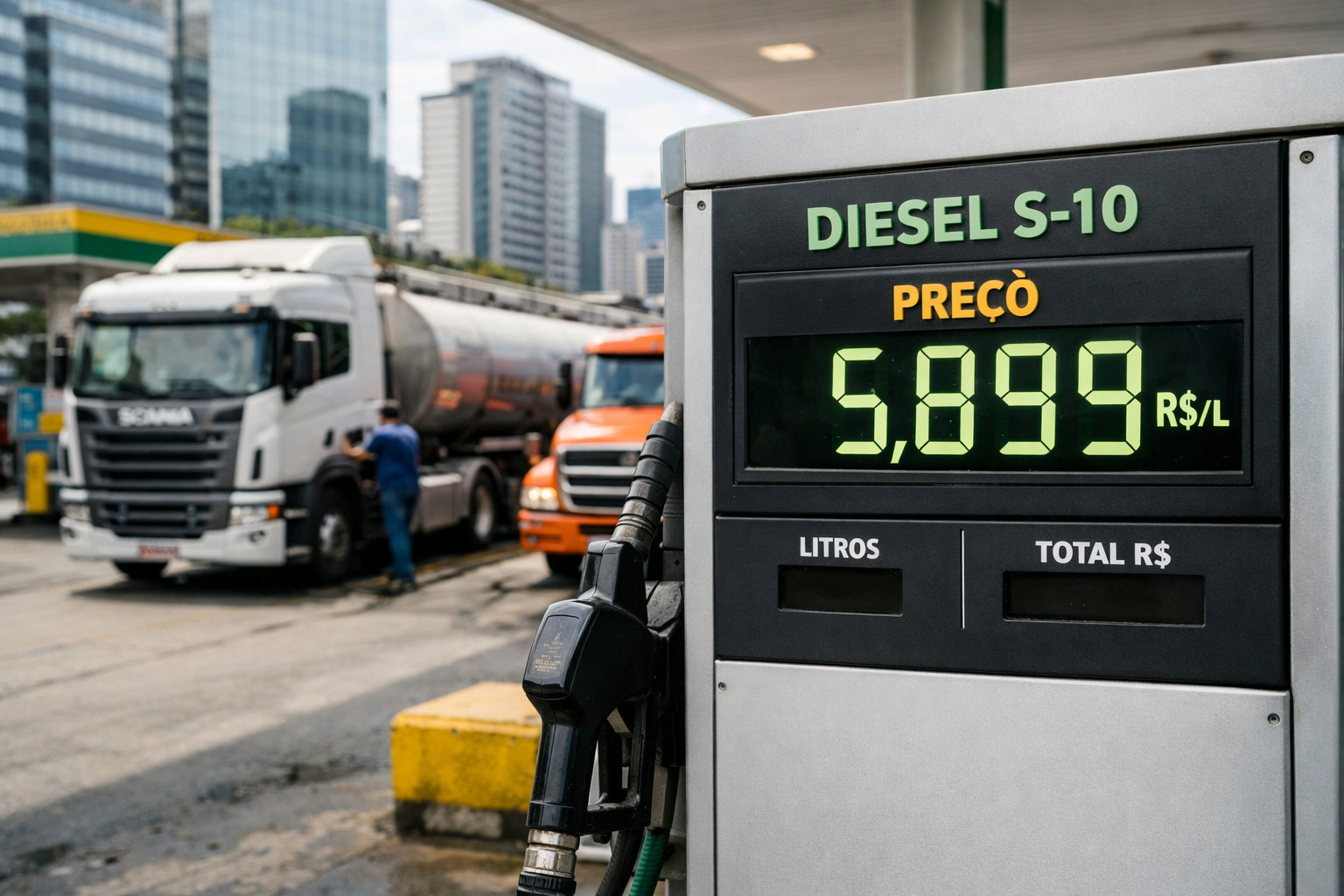
Middle East War Drives Up Oil Prices, And Petrobras Increases Diesel: Fuel Reaches R$ 3.65 Per Liter At Distributors
-
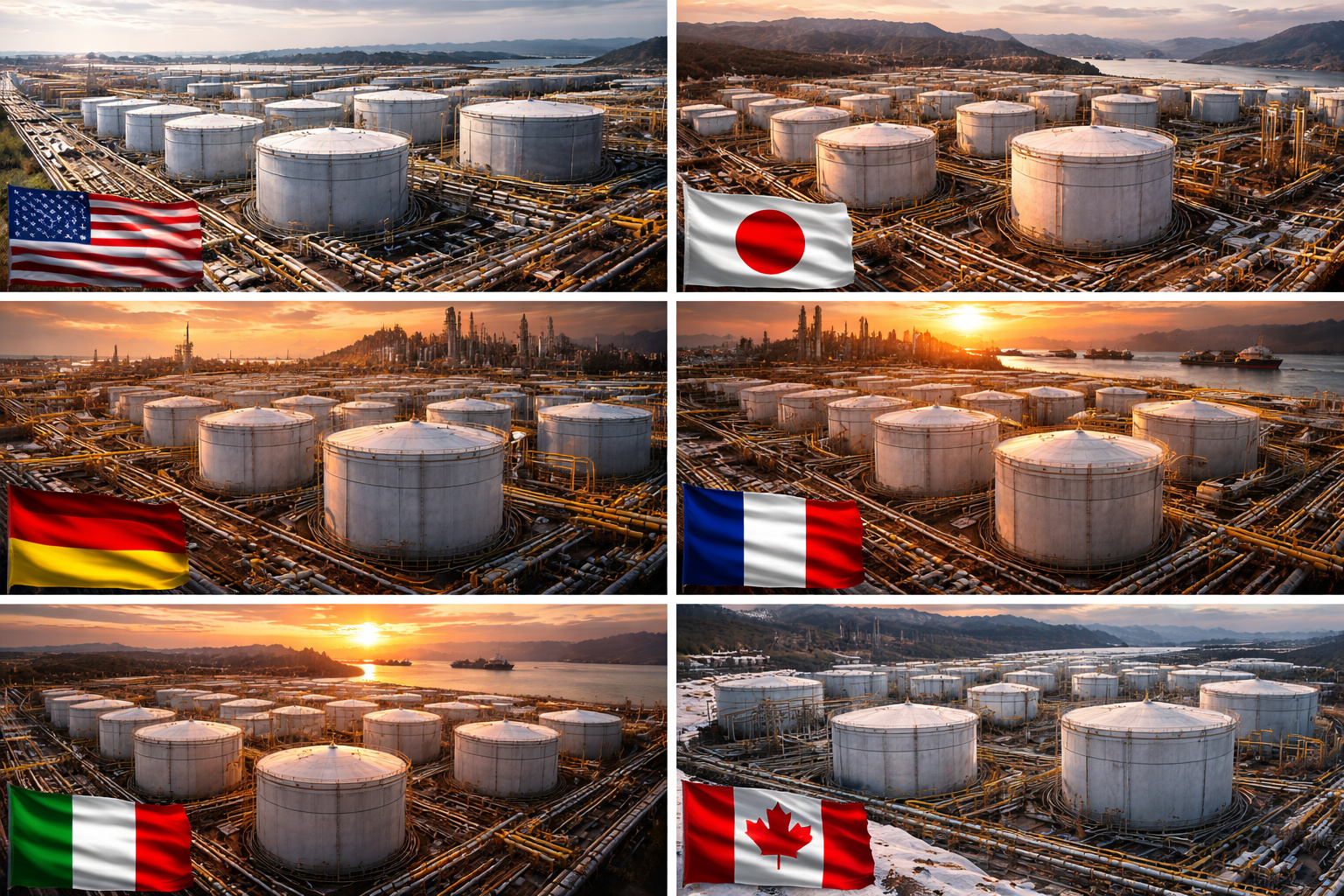
Oil Soars to Nearly $120, Middle East Tensions Shake Global Market, and a Little-Known Detail Returns to Energy Debate: The Gigantic Strategic Reserves Hidden by G7 Countries — See How Many Millions of Barrels Each Nation Holds in Reserve to Face a Global Crisis
-
Gasoline And Diesel May Change Course In Brazil: International Oil Pressure Renews Debate On Prices And Direct Impact On Drivers’ Wallets
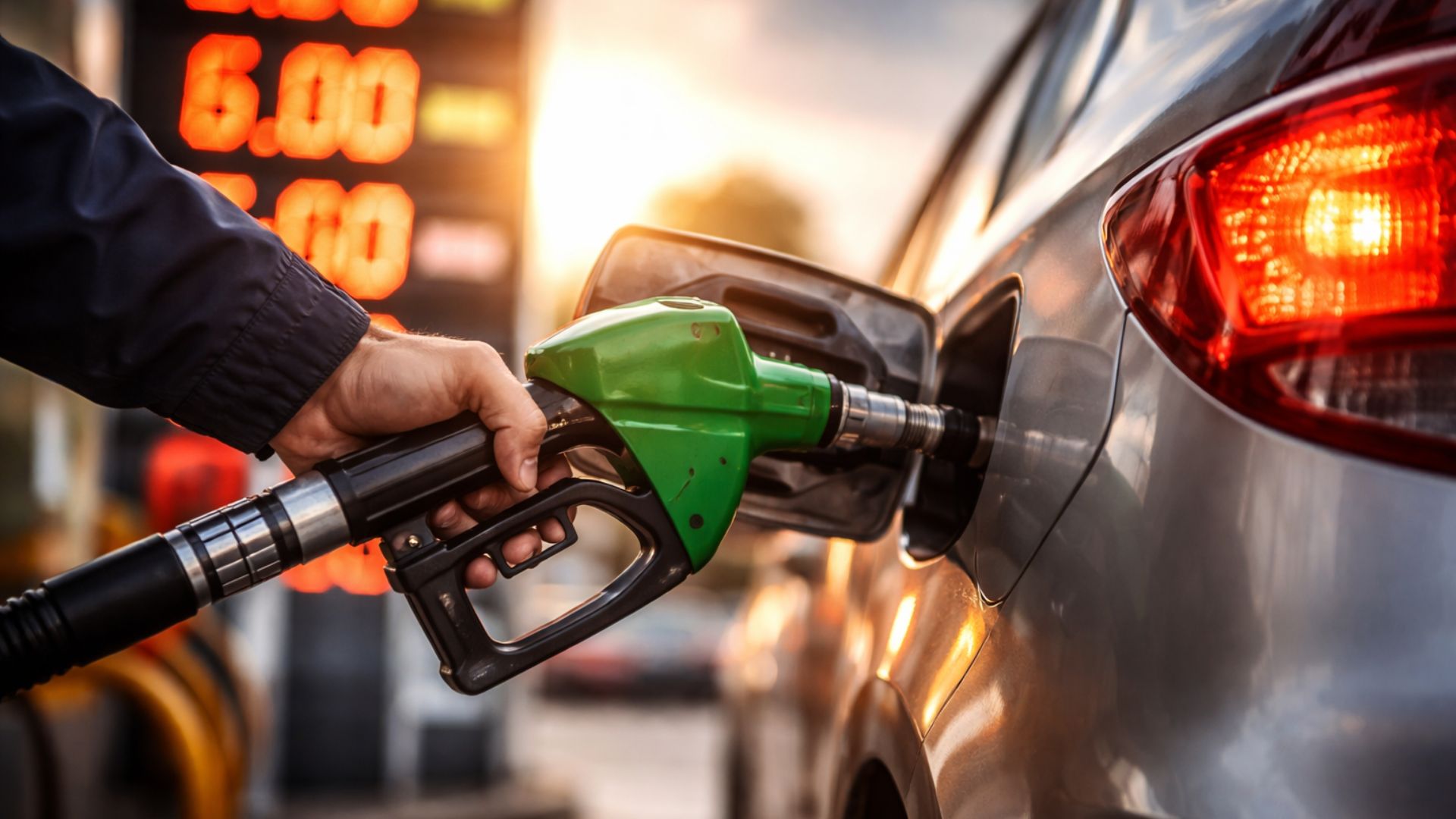

Although this model is permitted by the National Agency of Petroleum, Natural Gas and Biofuels (ANP), there is no guarantee about the origin and regular quality of the fuel offered, which increases the risk of the driver receiving low-quality gasoline.
In this context, the recommendation is clear: choose reputable stations, track fueling history, and always request the invoice.
These measures help create a trail of information that can be useful in case of mechanical problems associated with suspicious fuel.
1. Price Well Below Average is the First Alert
The most immediate sign of low-quality gasoline usually appears on the price board.
When the charged price is significantly below the regional average, the risk of adulteration increases.
Aggressive discounts and promotions outside the market reality are an important alert for the attentive driver.
Additionally, promotions conditioned to the use of apps or specific cards may hide irregular practices.
This type of offer is considered illegal and, combined with the very low price, reinforces the need for suspicion.
Before refueling at an unknown station, it’s worth comparing prices, checking if the price aligns with the local average, and inquiring about the fuel’s origin.
By avoiding establishments with unrealistic prices, the driver significantly reduces exposure to low-quality gasoline and its direct consequences on vehicle performance.
2. Car Consumption Increases Without Explanation
Another typical sign of low-quality gasoline is the increase in consumption without changes in routes or driving style.
When the car starts to cover fewer kilometers with the same amount of fuel, the loss of efficiency may indicate irregular mixture or off-specification product.
This effect appears progressively, especially for those who frequently refuel at the same station.
The driver notices that they need to fill up the tank in shorter intervals, even while maintaining a similar routine.
Adulteration may include solvents or other components that reduce the fuel’s energy power.
In this scenario, the practical recommendation is simple: upon noticing increased consumption without apparent reason, stop refueling at that station, record the vehicle’s behavior during subsequent refills, and if the problem persists, seek mechanical review.
This way, it is possible to identify damage caused by low-quality gasoline and prevent greater losses.
3. Loss of Power and Failures After Refueling
The loss of engine power right after refueling is another relevant indicator of low-quality gasoline.
The car may take longer to respond to the accelerator, show stuttering, struggle to regain speed, or feel like it has “less power” on inclines and overtaking.
Adulterated fuel tends to compromise combustion within the engine, which directly affects performance.
In some cases, the vehicle starts to oscillate at idle or require more effort in situations where it previously responded normally.
These symptoms usually become clearer when the adulteration is more intense or when the driver combines successive refuels at the same station.
Upon noticing that the car’s behavior changed immediately after filling the tank, it’s worth taking note of the date, location, and amount fueled to, if necessary, relate the problem to potential low-quality gasoline.
4. Warning Lights on the Dashboard Illuminating Frequently
Alerts or lights illuminated on the dashboard, especially related to the injection system or engine operation, may also be associated with low-quality gasoline.
These signs indicate that sensors and electronic systems have detected some anomaly in the fuel combustion process or in the functioning of internal components.
When the dashboard starts to register faults right after refueling, the fuel becomes one of the main suspects.
Instead of ignoring the warnings, the driver should observe if the problem arises consistently after filling the tank at a particular station and, from there, suspend the use of that establishment.
If the warning lights repeat, the guidance is to seek a trusted workshop for a detailed assessment.
The sooner the diagnosis is made, the less damage is likely to occur in parts and systems sensitive to prolonged use of low-quality gasoline.
Is Additive Gasoline an Automatic Solution to the Problem?
Additive gasoline is often presented as a “cleaner” and more beneficial alternative for the engine.
However, the real effectiveness depends on the quality of the additives used and how they are mixed with the fuel, aspects that do not have strict monitoring by the ANP.
This means that, even opting for additive gasoline, the consumer does not have absolute protection if the source station is not reliable.
In many cases, specialists recommend using regular gasoline combined with additives purchased at specialty stores, allowing greater control over the product used.
More important than labeling is the origin.
Refueling with additive gasoline at a station without a history, very low prices, and signs of irregularity does not eliminate the risk of low-quality gasoline and can even hinder problem identification.
Practical Care When Refueling and Whom to Turn To
Some simple measures help reduce the driver’s exposure to low-quality gasoline.
Check if the employees wear standardized uniforms, if the station visibly displays the operation authorization issued by the ANP, and if the issuance of invoices is offered without resistance are basic points of verification.
Requesting the invoice is one of the main tools for the consumer, as it allows linking any damage to the vehicle to a specific refuel, facilitating future complaints and actions.
Whenever the car shows a sudden increase in consumption, loss of power, or dashboard alerts after refueling, the guidance is to switch stations immediately and schedule a mechanical assessment.
On the official side, the ANP, Inmetro, and Procon oversee and can receive reports of suspicious practices, such as unrealistic prices, pumps with strange behavior, or signs of adulteration.
The more detailed the report, the higher the chance of effective investigation and protection for other consumers against low-quality gasoline.
By observing these four signs and adopting an active stance in choosing where to refuel, the driver minimizes risks and increases the chance of preserving the engine and the budget.
Have you ever suspected that you fueled with low-quality gasoline and noticed any of these signs in your car? With four clear signs that many ignore, low-quality gasoline threatens the engine, increases consumption, and can cause immediate losses for the driver.









Inacreditável o desgoverno do nosso país , o consumidor tem que virar fiscal de posto , a obrigação é do fornecedor de combustível e a fiscalização do órgão competente , nem a isso temos direito ? Bandeira Branca, absurdo não haver identificação visível do posto , dono do posto , procedência do combustível , meu fusca com carburador entrega a gasolina ruim na hora , tem gasolina boa com bomba baixa, vc paga por 20 litros e entra 19 , vergonha NACIONAL