





 Portuguese
  English
  Spanish
 4 min of reading
  0 comments



In Northern Minas Gerais, asphalt replaces about 20 km of dirt road on the LMG-626, with 75% completion and an investment of R$ 60 million. The project includes drainage, signage, and safety items, under the coordination of the DER-MG, to reduce mudslides and dust in both rainy and dry conditions.
The asphalt on the LMG-626 has reached approximately 75% completion on the stretch between Curral de Dentro and Mirandópolis, in Northern Minas Gerais, replacing around 20 kilometers of dirt road with pavement and altering the travel patterns in rural communities that depend on the highway.
With R$ 60 million budgeted, the asphalt comes with drainage, signage, and safety items to ensure durability and traffic predictability throughout the year, coordinated by the Department of Highways of Minas Gerais (DER-MG) with a schedule described as accelerated, dependent on weather conditions.
Section, Percentage, and What Changes When Asphalt Is Installed

The paving focuses on the segment that connects Curral de Dentro to Mirandópolis, an axis considered strategic for connecting cities and various rural communities. Before the asphalt, travel was marked by two seasonal issues that weigh on daily life: mud and mudslides during rainy periods, and dust during the dry season, with direct impacts on comfort, travel time, and the routine of properties near the road.
-
Made from recycled plastic, plastic wood is gaining space in the construction industry because it does not rot, resists moisture, and reduces maintenance costs over the years.

-
Florianópolis will receive a million-dollar BRT that will begin construction in 2026 with nearly 400 million in funding from the federal government and the Inter-American Development Bank, and the map already shows the routes for the exclusive bus corridors.

-
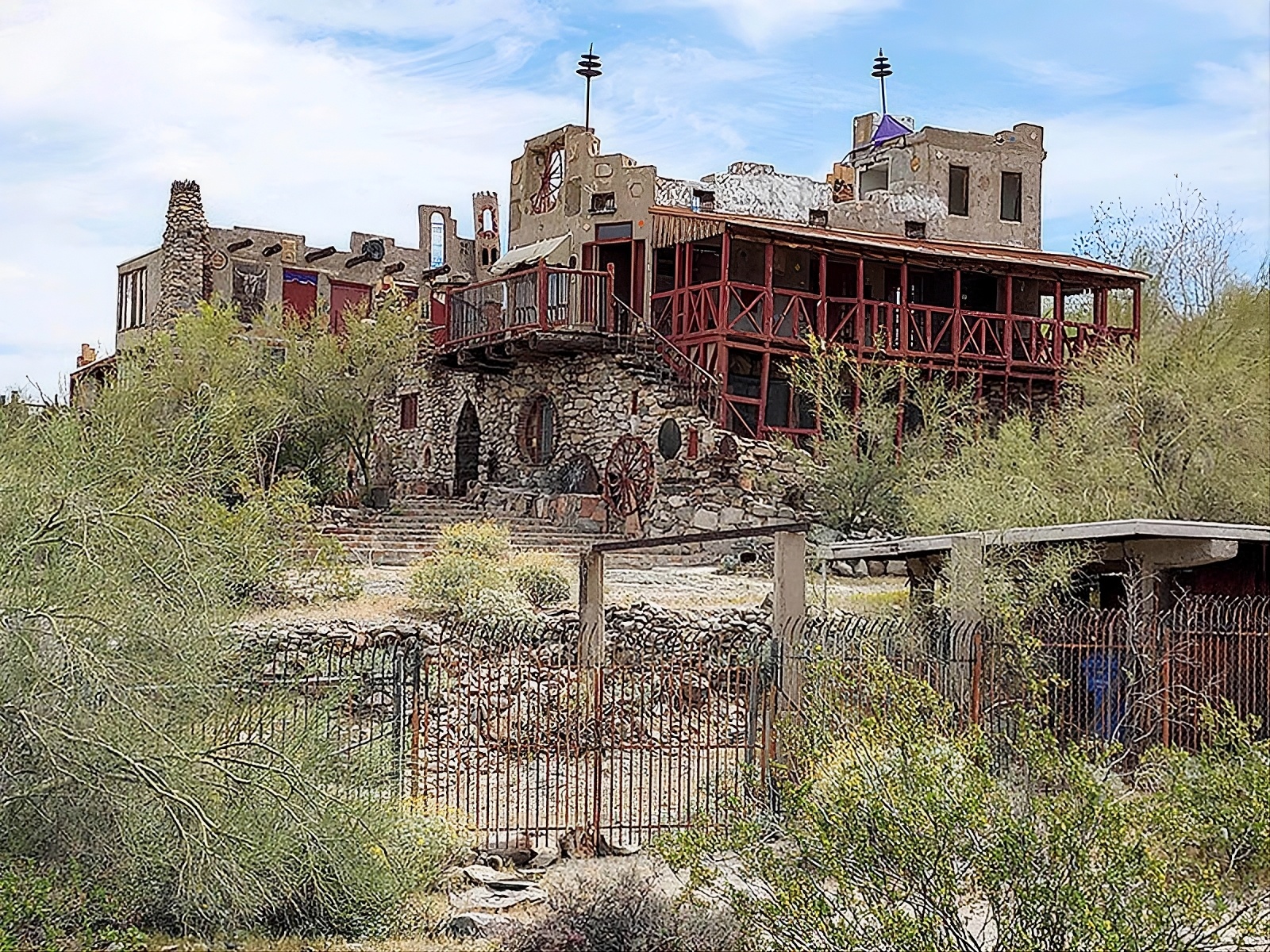
Without a blueprint, without an engineer, and using scrap from the dump, a father spends 15 years building an 18-room castle for his daughter, featuring tram tracks, 13 fireplaces, and over 700 m², which may now be demolished.
-
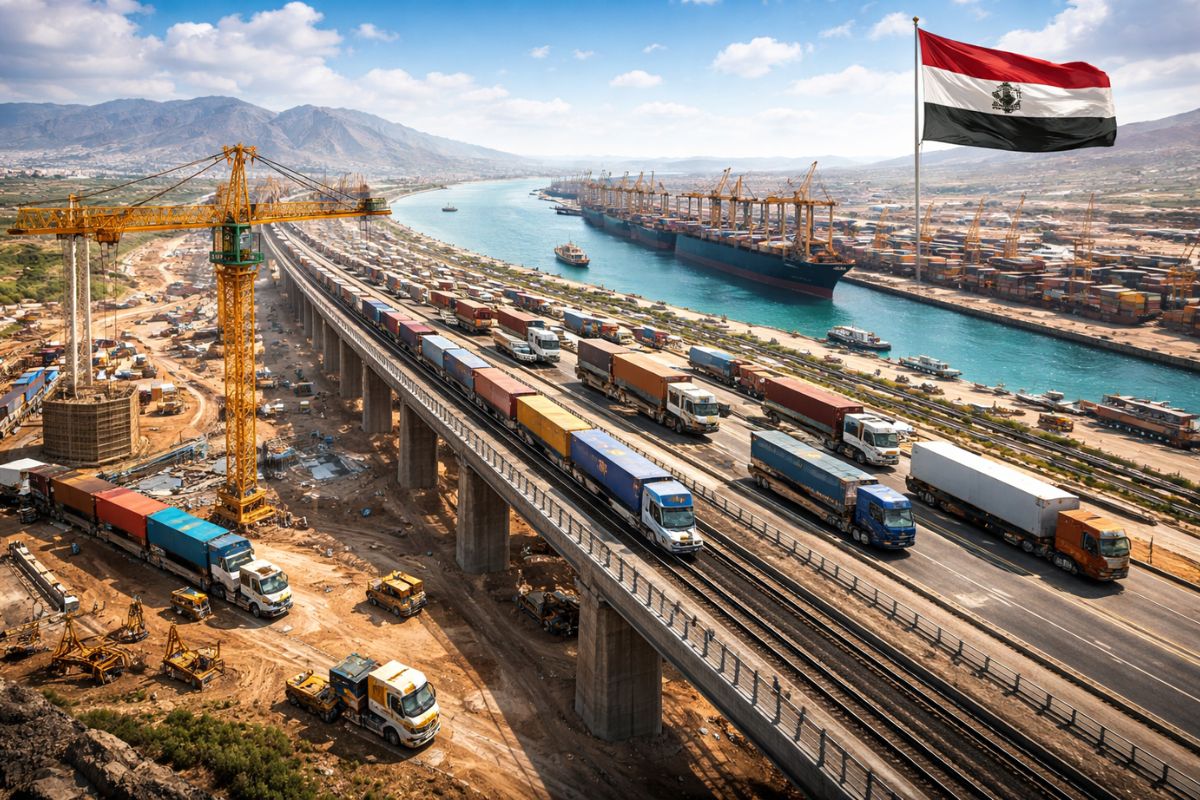
A megaproject worth R$ 89 billion is advancing in Iraq and promises to change the game in global trade by creating a new corridor between Asia and Europe, reducing traditional routes and repositioning the country as a logistics powerhouse.

By replacing the dirt road with asphalt, the highway begins to operate with a more consistent average speed, reducing sharp variations caused by potholes, slippery sections, and typical interruptions of unpaved roads. In practice, this tends to shorten daily travel and decrease the chance of unexpected stops, especially when the rainy season often imposes passage restrictions.
Road Safety: Drainage, Signage, and Predictability
The announced package for the asphalt includes paving, drainage, signage, and other items aimed at safety and durability. In highway engineering, pavement does not only depend on the top layer: the project emphasizes drainage as a sensitive step to protect the foundation against accumulated water and deformations.
Two fronts are described. The deep drainage, implemented in most of the stretch, aims to prevent water from compromising the pavement structure. The surface drainage directs rainwater away from the roadway, reducing the risk of hydroplaning and erosion on the margins. In parallel, engineering teams oversee thicknesses, materials, and standards to prevent failures that shorten the asphalt’s lifespan.
Travel Time and Access to Essential Services
The LMG-626 is described as a corridor to essential public services, in a territory where road transport sustains daily life. With asphalt, the expectation is that traffic will no longer rely so heavily on weather windows and roadbed conditions, allowing more regular travel for patients, students, and workers who frequently use the highway.
In addition to shortening trips by stabilizing speed, the asphalt reduces risks associated with predictable situations on the dirt, such as sections with mud, spots with potholes, and areas with low traction. In a region with high traffic of service vehicles and daily commutes, predictability is a central part of safety.
Economic Effect: Rural Production, Logistics, and Maintenance Costs
The report links asphalt to direct effects on the regional economy, with an emphasis on agricultural production. The improvement of the road surface tends to make the flow safer and more predictable, impacting delivery regularity and the ability to access regional and state markets.
The expected effects appear in a chain: reduction in logistics costs due to less wear on trucks, cars, and machinery; greater traffic predictability for organizing routes; increased competitiveness with more reliable transport; and growing interest from transport, commerce, and services companies to operate more consistently in areas previously affected by interruptions and mud.
Accelerated Schedule and Source of Funds
Coordination is attributed to the DER-MG, with a schedule considered accelerated by those responsible and an expected completion in the short term if weather conditions remain favorable. The funding is linked to the Brumadinho Reparation Agreement, aimed at generating lasting benefits in infrastructure for Minas Gerais.
With 75% completion and the drainage and signage services associated with the asphalt, the stretch between Curral de Dentro and Mirandópolis enters a phase where physical advancement is usually noticeable in day-to-day life: less dust in dry periods, fewer interruptions in the rain, and a more stable travel pattern.
Do you think that the asphalt on the LMG-626 will first change road safety or the rural economy of the region?








-

-

2 pessoas reagiram a isso.