





 Portuguese
  English
  Spanish
  6 min of reading
  7 comments





With New Rules Adding CPF Income to MEI, More Expensive Trademark Registration and Possible Higher Invoice Requirements, the Individual Microentrepreneur Faces a Tight 2025 While Keeping an Eye on the Promise of Nanoentrepreneur and Super MEI for 2026.
The MEI Navigates 2025 as One of the Most Challenging Years Since the Creation of the Simplified Regime, with Changes That Directly Impact the Wallet and Bureaucracy of the Individual Microentrepreneur. The Addition of Certain CPF Incomes to the MEI Revenue Limit, the Significant Increase in Trademark Registration Costs, and the Prospect of Greater Demand for Issuing Invoices Have Alarmed Many Entrepreneurs.
At the Same Time, Proposals for 2026 are Gaining Momentum That Include the Creation of the Nanoentrepreneur and Super MEI, Intermediate Tiers Designed to Adjust Revenue Limits and Taxation. Between Immediate Strain and the Promise of Future Relief, the MEI Needs to Understand the Landscape to Avoid Being Caught Off Guard and Keep Their Business Regular.
Why 2025 is So Tough for the MEI
One of the Most Alarming Changes was the Rule That Causes Certain Personal Income to Count Towards the Annual MEI Limit. In Practice, the Government Started to Scrutinize the MEI and the CPF, Cross-Referencing Activities That are Not Within the CNPJ but Generate Revenue.
-
Unemployment rises again to 5.8% at the beginning of 2026, raising alarms about the end of temporary positions and its impact on the Brazilian job market.

-
Document organization can cut invisible costs in small businesses, a simple step that prevents waste, rework, and losses in daily operations.

-
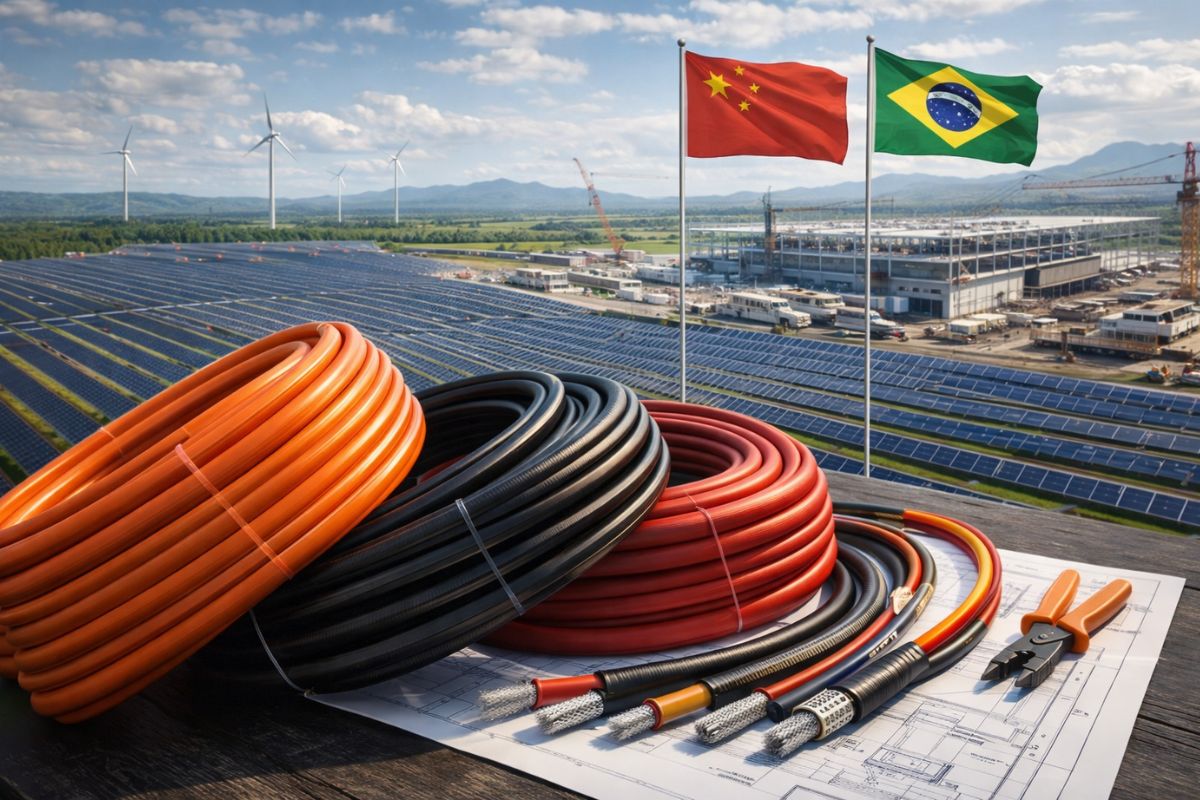
Chinese giant worth nearly R$ 4 billion that manufactures cables for electric cars, solar energy, and robotics wants to open a factory in SC.
-
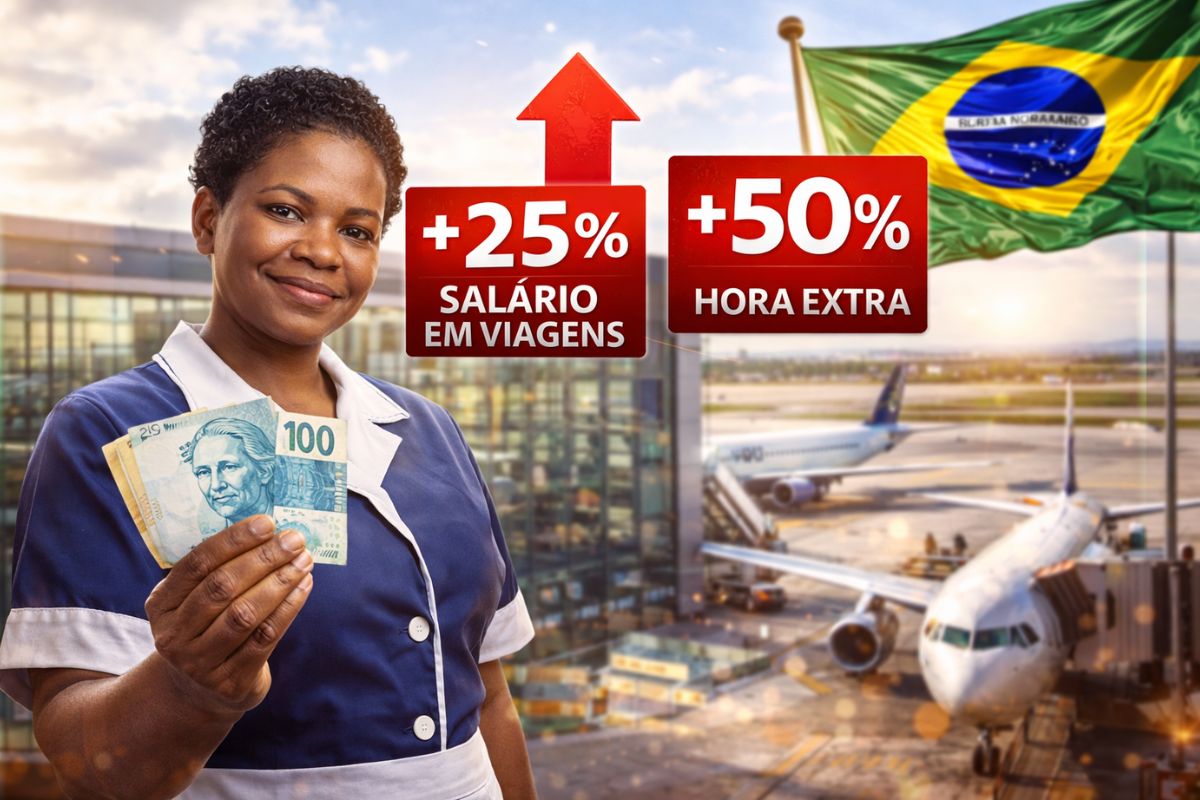
Many employers do not know, but the law guarantees domestic workers a 25% increase in salary during trips, 50% for overtime, 20% for night shifts, and 17 additional benefits that can lead to labor lawsuits if not paid.

If a Person Has an MEI as a Photographer and Also Works as an Architect Independently Outside the Activities Permitted by the MEI, Their Architect Income Now Counts Towards the MEI’s Annual Revenue Limit. This May Force the Microentrepreneur to Change Their Business Structure, Paying More Taxes and Facing More Obligations.
This Scenario Means that the MEI Needs to Better Organize All Their Income Sources, Clearly Separating What is Company Revenue from What is Personal Income and, if Necessary, Planning a Transition of Status Rather than Being Pushed Out by Sudden Deregistration.
More Expensive Trademark Registration Pressures MEI Finances
Another Blow Felt in 2025 Was the Increase in Costs to Register a Trademark with the INPI, Even with the Discount Guaranteed for MEI. The Registration Fee Increased by About 85 Percent Compared to Previous Levels, and Now the Payment is Almost Entirely Upfront at the Start of the Process.
Previously, the MEI Paid a Lower Initial Fee and Only Paid the Second Part if the Registration Was Approved.
Now, the Full Amount is Charged Right Away, Regardless of the Outcome. For the Microentrepreneur, This Transforms a Strategic Decision into a Financial Dilemma: Protect the Brand or Preserve Cash Flow.
Delaying Registration Leaves the MEI Vulnerable to Losing the Company Name, but Registering Without Planning Can Compromise Resources Needed for Stock, Marketing, or Working Capital. This Calculation Became More Delicate in 2025.
Contrata Mais Brasil Becomes a Lifeline for the Service-Providing MEI
Amid the Bad News, a Positive Development Emerged: the Contrata Mais Brasil Program. The Aim is to Make It Easier for State and Municipal Agencies to Hire MEI Services Without the Burden of Traditional Bidding Processes, Using Simpler and More Direct Procedures.
For the Microentrepreneur, This Means the Opportunity to Provide Services to Municipalities or Other Public Bodies with Less Bureaucracy, Simply Following Opportunities, Applying, and Submitting Proposals.
For Many Service MEIs, This Can Be an Important Source of Recurring Revenue, Especially in Smaller Towns Where the Public Sector is a Major Contractor.
Digital Tools and DAS Payment Change the MEI Routine
In 2025, the Official MEI App Also Became More Robust and Introduced Features That Affect Daily Operations. Through the App, It is Now Possible to:
- Generate a Consolidated DAS Guide for Several Months, Easing the Regularization of Delays
- Indicate if Benefits from the INSS Were Received in Any Month
- Set Up Automatic DAS Payments at Banks Such as Itaú, Santander, Bradesco, Caixa, Banco do Brasil, Among Others
Additionally, DAS Payments with Credit Card Are Now Allowed on the Portal, with the Option to Install in Up to 12 Installments.
Theoretically, This Helps in Tight Situations; In Practice, the Additional Fees and Interest Can Reach High Levels, Making This Resource Risky If Used Frequently.
For the MEI, These Changes Show That the Digital Side is Facilitating Access, but Also Demanding More Financial Control to Avoid Transforming DAS into an Expensive Credit Card Debt.
Nanoentrepreneur and Super MEI May Redesign the Limits of the Regime
Looking at 2026, Two Figures are Gaining Traction in Tax Reform Discussions: the Nanoentrepreneur and the Super MEI. These Tiers are Designed to Offer More Gradation Within the Small Business Landscape Rather Than Putting Everyone Under the Same Revenue Limit.
The Nanoentrepreneur Would Be a Kind of Step Below the MEI, with a Lower Revenue Limit of Around R$ 40,500 Per Year, but with a Significant Advantage: Complete Tax Exemption. It Could Be an Entry Point for Those Just Starting, Earning Little and Wanting Formalization Without Monthly Costs.
The Super MEI Would Be the Tier Above, with an Estimated Annual Revenue Limit of Approximately R$ 140,000. In This Model, the Monthly Fee (DAS) Would Be Higher than That of the Current MEI, But Still Below the Obligations of a Microenterprise, Creating a Middle Ground for Those Growing and Not Wanting a Sudden Leap in Tax Burden and Bureaucracy.
None of This is in Effect Yet, But the Fact That These Concepts are Being Debated Indicates That the MEI Model is Likely to Undergo Real Adjustments Starting in 2026.
Invoice Requirement Could Change the Daily Life of the MEI
Another Point That Could Catch the MEI by Surprise is the Possible Change in the Requirement to Issue Invoices With the Implementation of the New Unified Taxes, Such as CBS and IBS. Currently, the MEI is Not Required to Issue Invoices for Individuals in Most Cases.
With the New Tax Unification Logic and Control of Operations, Experts Are Already Predicting That Invoice Issuance May Become Mandatory for All MEIs, Including in Sales and Services to Individual Clients.
If That Happens, the Practical Impact Would Be Significant:
- The MEI Would Have to Record All Sales More Rigorously
- It Would Be Necessary to Collect Customer Data More Frequently
- Issuance and Sending of Invoices Would Need to Adhere to Deadlines and Rules Defined by Municipalities and States
This Increases Formalization, But Also Raises Operational Load. Anyone Who Starts Organizing Sales, Controls, and Registrations Now Will Be Several Steps Ahead If the Requirement Comes in 2026.
How the MEI Can Prepare for 2026
Given the Many Real Changes in 2025 and Forecasts for 2026, MEIs Who Want to Survive and Grow Need to Act Strategically, Not Just React. Some Key Moves Are:
- Map All Income Sources, Clearly Separating What is Business Revenue from What is CPF Income
- Simulate Different Revenue Scenarios to Understand if It Still Makes Sense to Remain as MEI
- Carefully Assess the Best Time to Register a Trademark, Considering Cost and Risk
- Closely Follow Discussions About Nanoentrepreneur, Super MEI, and Invoicing in Tax Reform
- Seek Support from Affordable Accounting or Digital Services That Help Avoid Missteps with the Tax Authority and City Hall
The MEI Who Sees the Rules as Part of the Game Rather Than Just an Enemy Tends to Make Smarter and Less Impulsive Decisions.
Conclusion: Between Strain and Adjustment, the MEI Needs Strategy
2025 is Far from Being a Calm Year for the MEI: Adding CPF Income, Higher Trademark Costs, the Risk of Increased Bureaucracy, and Pressure for Structural Migration Create a Challenging Scenario.
At the Same Time, the Concept of Nanoentrepreneur and Super MEI Indicates That the System Begins to Recognize That Small Businesses Are Not All Alike and That Perhaps It’s Time to Provide More Options Between Informality and Traditional Microenterprise.
Instead of Waiting for the Next Rule to Drop as a Surprise, the Individual Microentrepreneur Gains Much by Staying Informed, Adjusting Their Planning, and Using Tools That Simplify Compliance with Obligations.
The Formalization Remains a Gateway to Credit, Contracts, and Legal Security, but Now Requires More Awareness Than Ever.

And you, who are an MEI or thinking of formalizing, do you feel that these changes will help organize the market or just complicate life for those who operate small businesses in Brazil even more?










Fiz as contas.
Veja só:
Se um microempreendedor tirar para ele (R$3000,00 salário +R$2045,91 custo funcionário)x12 =R$60551,00.
R$81000,00 faturamento anual-R$64000(salários)=R$20448,84
R$20448,84/12 (meses do ano)=R$1.704,07
Eu pergunto com R$1.704,07 dar para ter materiais, pagar água, luz, transporte e aluguel , DAS num mês, aluguel de máquina de cartão etc?
O aluguel de uma loja de 35m2 e a mais barata é R$700,00.
Esses valores tem que ser todos revisados.
Ou todos irão pagar para trabalhar e não trabalhar para receber.
Pensem nisso!
Fiz as contas.
Veja só:
Se um microempreendedor tirar para ele (R$3000,00 salário +R$2045,91 custo funcionário)x12 =R$60551,00.
R$81000,00 faturamento anual-R$64000(salários)=R$20448,84
R$16.200,00/12 (meses do ano)=R$1.704,07
Eu pergunto com R$1.704,07 dar para ter materiais, pagar água, luz, transporte e aluguel , DAS num mês, aluguel de máquina de cartão etc?
O aluguel de uma loja de 35m2 e a mais barata é R$700,00.
Esses valores tem que ser todos revisados.
Ou todos irão pagar para trabalhar e não trabalhar para receber.
Pensem nisso!
Nada atrapalha tanto a sua vida quanto o SISTEMA. O Brasil é um verdadeiro manicômio.
Ansiosa pelas mudanças. A criação do MEI foi um grande marco. Agora o governo que o criou volta para atualizar. Está há muitos anos sem alteração.