





 Portuguese
  English
  Spanish
  3 min of reading
  0 comments


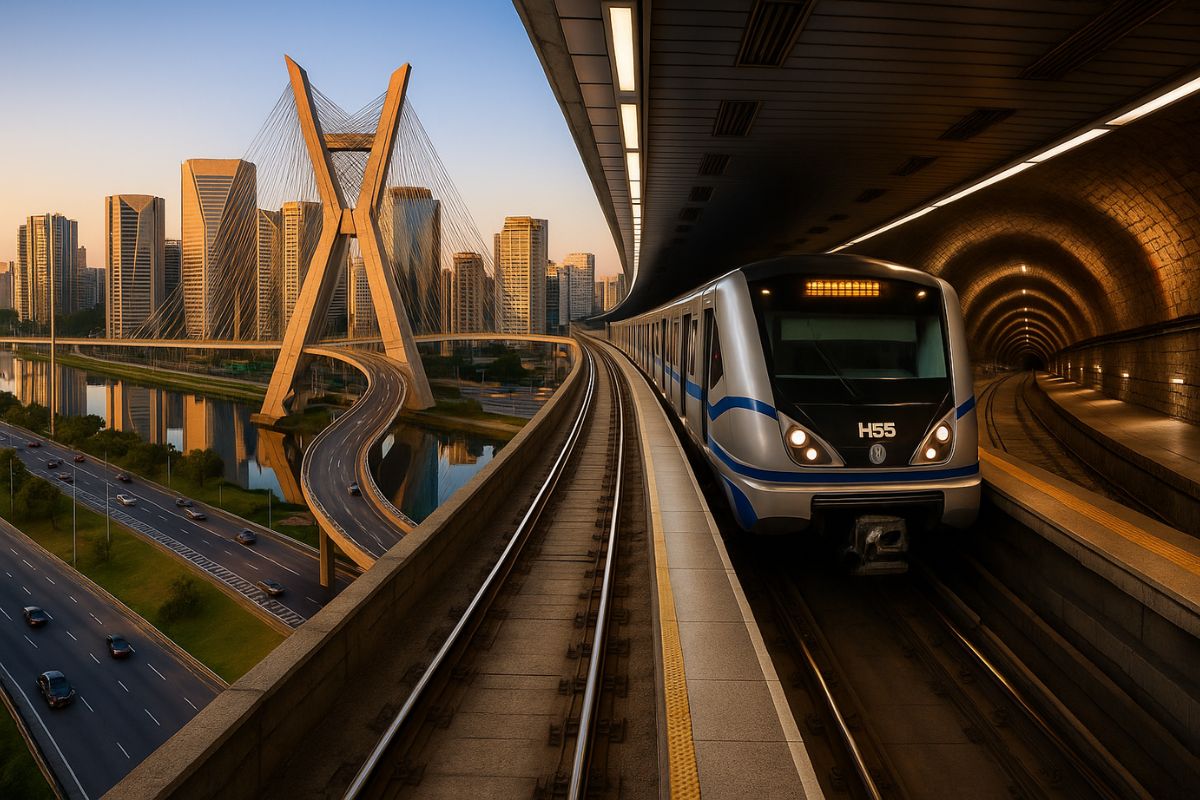
With Over 100 Km of Lines, Dozens of Stations, and a Billion-Dollar Expansion Underway, the São Paulo System Solidifies Itself as the Largest Metro System in Brazil and One of the Most Important in Latin America.
The São Paulo Metro is, unquestionably, the largest metro system in Brazil. According to consolidated data from operators and the National Land Transport Agency (ANTT), the network serving the city of São Paulo and its metropolitan region easily surpasses that of any other city in the country in terms of length, number of stations, and complexity.
The São Paulo network is a giant in constant growth. Its history, which began in the 1970s, is now marked by an operation that mixes state control with the efficiency of private initiative and by expansion projects that are among the largest in all of Latin America, promising to redefine mobility in the largest metropolis in the Southern Hemisphere.
Leadership in Numbers: Why the São Paulo Metro is the Largest in the Country?
The numbers confirm São Paulo’s leadership. Considering only the conventional metro and monorail lines, the system has:
-
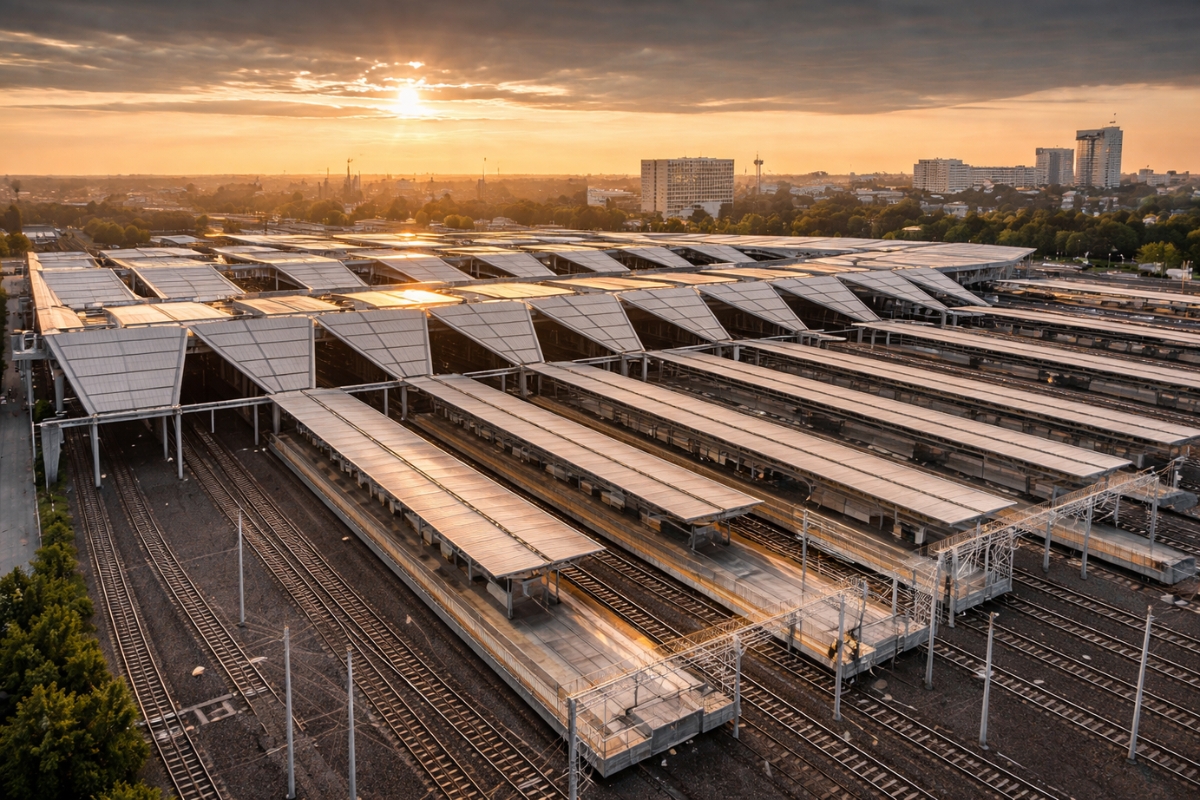
In A European City, The Country’s Largest Railway Junction Was Modernized Without Closing Its Doors, Kept Trains Running During Years Of Construction, Now Serves Up To 60,000 Passengers Per Day, And Installed Solar Panels That Generate About 30% Of Its Energy
-
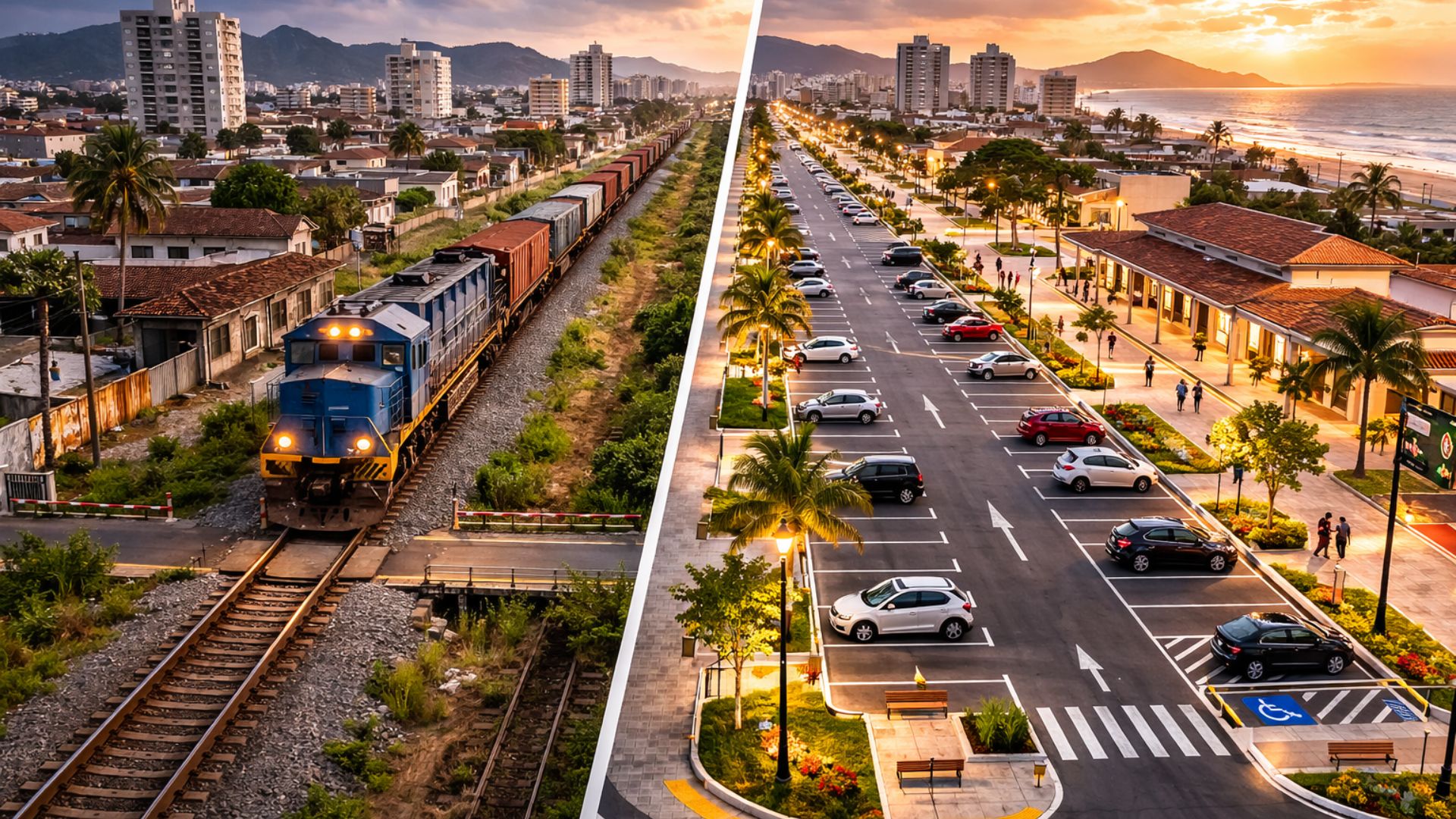
Famous Brazilian Railway May Become a Parking Lot
-
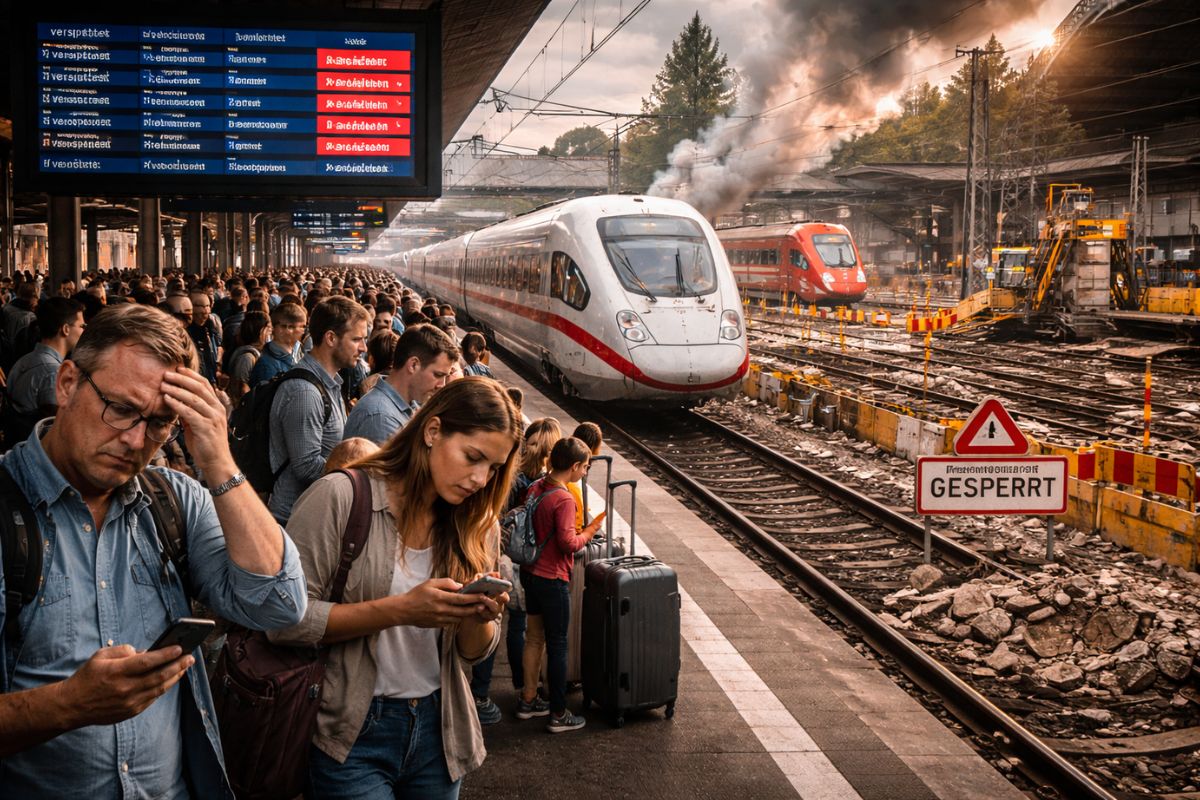
The Country of “Punctual As a Train” Admits It Has Lost Control: High-Speed Trains Delay, Stop, Disappear from the Map and Turn 6-Hour Trips into 10, While Deutsche Bahn Promises Restructuring in 2026 But Faces 19th Century Infrastructure, Staff Shortages and Sections Closed for Months
-
With an Investment of R$ 700 Million in One of the Country’s Main Rail Networks, VLI Reinforces Infrastructure, Receives 8 New Locomotives, and Expands the Corridor Connecting 7 States, Boosting Jobs and the Transportation of Grains, Ore, and Oil Products to the Port of Santos

- 104.4 km of extension
- 91 stations
- 6 lines in operation
These figures place the São Paulo network well ahead of the runner-up, Rio de Janeiro, which has about 57 km of metro. The comparison with other capitals, such as Brasília (42.4 km) and Salvador (38 km), further reinforces its dominance in the national scenario.
The Lines That Move the Metropolis: A System with Two Faces
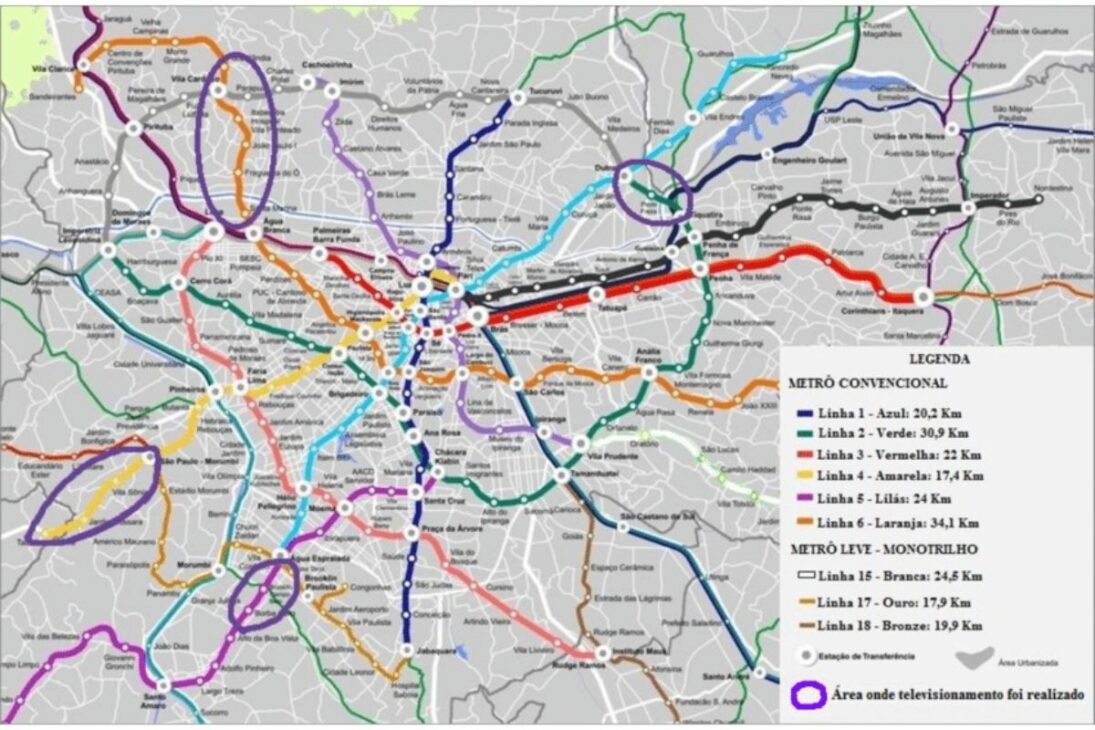
The largest metro system in Brazil is operated by a hybrid model. The older and some of the busiest lines, such as the Line 1-Blue (inaugurated in 1974), the Line 3-Red, and the monorail of the Line 15-Silver, are managed by the state-owned São Paulo Metro Company (Metrô).
On the other hand, the newer and technologically advanced lines have been granted to private initiative. The Line 4-Yellow, operated by ViaQuatro, was the first in the country to have driverless trains. The Line 5-Purple, currently with ViaMobilidade, also follows the same model of Public-Private Partnership (PPP).
The Integrated Network with CPTM Trains
To understand the true dimension of rail transport in São Paulo, it is necessary to include the metropolitan trains in the equation. When we add the lines of the Pauista Metropolitan Train Company (CPTM), the integrated network of São Paulo jumps to an impressive 377 km of extension and 187 stations.
This integration, which allows passengers to transfer from one line to another with the same ticket, transforms the system into a cohesive and functional network, with the capacity to transport millions of people every day.
The Future Under Construction: The Projects That Will Further Expand the Network

The largest metro system in Brazil continues to grow. Currently, São Paulo has some of the largest infrastructure projects underway in Latin America.
Line 6-Orange: With 15.3 km and 15 stations, connecting Brasilândia to downtown, this is considered the largest infrastructure project underway in Latin America. The expected completion is between 2026 and 2027.
Extension of Line 2-Green: Will add 8 km and 8 new stations, making it the longest line in the system.
Extension of Line 4-Yellow: Will take the metro for the first time outside the capital, to the municipality of Taboão da Serra, with operations expected to begin in 2029.
How São Paulo Compares to Other Metropolises
In a regional comparison, São Paulo’s position depends on the criterion. If we consider only the conventional metro, the networks of Mexico City (with 226 km) and Santiago (with 149 km) are more extensive.
However, when analyzing the integrated metropolitan rail network (metro + trains), the system in São Paulo, with its more than 377 km, takes the lead as the most comprehensive in all of South America, consolidating its position as a powerhouse in mass transport.










Seja o primeiro a reagir!