





 Portuguese
  English
  Spanish
 5 min of reading
  0 comments



Paraná Expands the Use of Solar Energy in Public Schools with New Photovoltaic Plants, Reducing Costs and Boosting Sustainability in State Education
On October 31, 2025, the Government of Paraná officially announced that the installation of photovoltaic plants in state public schools has already generated a savings of over R$ 430,000 on electricity bills. The initiative, part of the Solar School project, strengthens energy efficiency in educational institutions and promotes sustainable practices in the school environment.
Public Schools in Paraná Adopt Photovoltaic Plants
With an investment of R$ 3.5 million, the project was implemented in 20 schools in the state network, spread across various cities in Paraná. In addition to financial savings, the action helps to form students who are more aware of the rational use of energy and the environmental impacts of electricity generation.
The installation of photovoltaic plants was completed at the end of 2024 and encompasses institutions in cities such as Foz do Iguaçu, Londrina, Maringá, Cascavel, Umuarama, Sarandi, Paranavaí, Jandaia do Sul, Campo Largo, and Uraí. Each school received solar panels with generation capacity sufficient to meet a significant part of its energy demands.
-
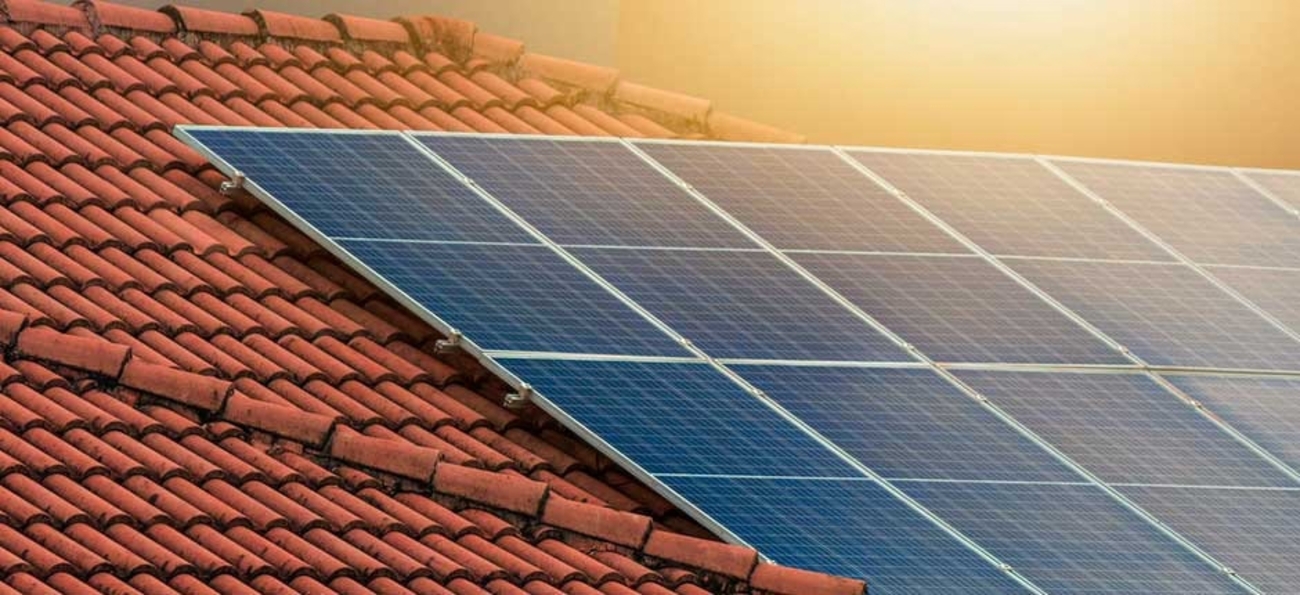
Roraima bets on the sun to escape high tariffs: Amid the energy crisis and price hikes, solar energy is growing in Roraima and transforming consumption in the North region.
-
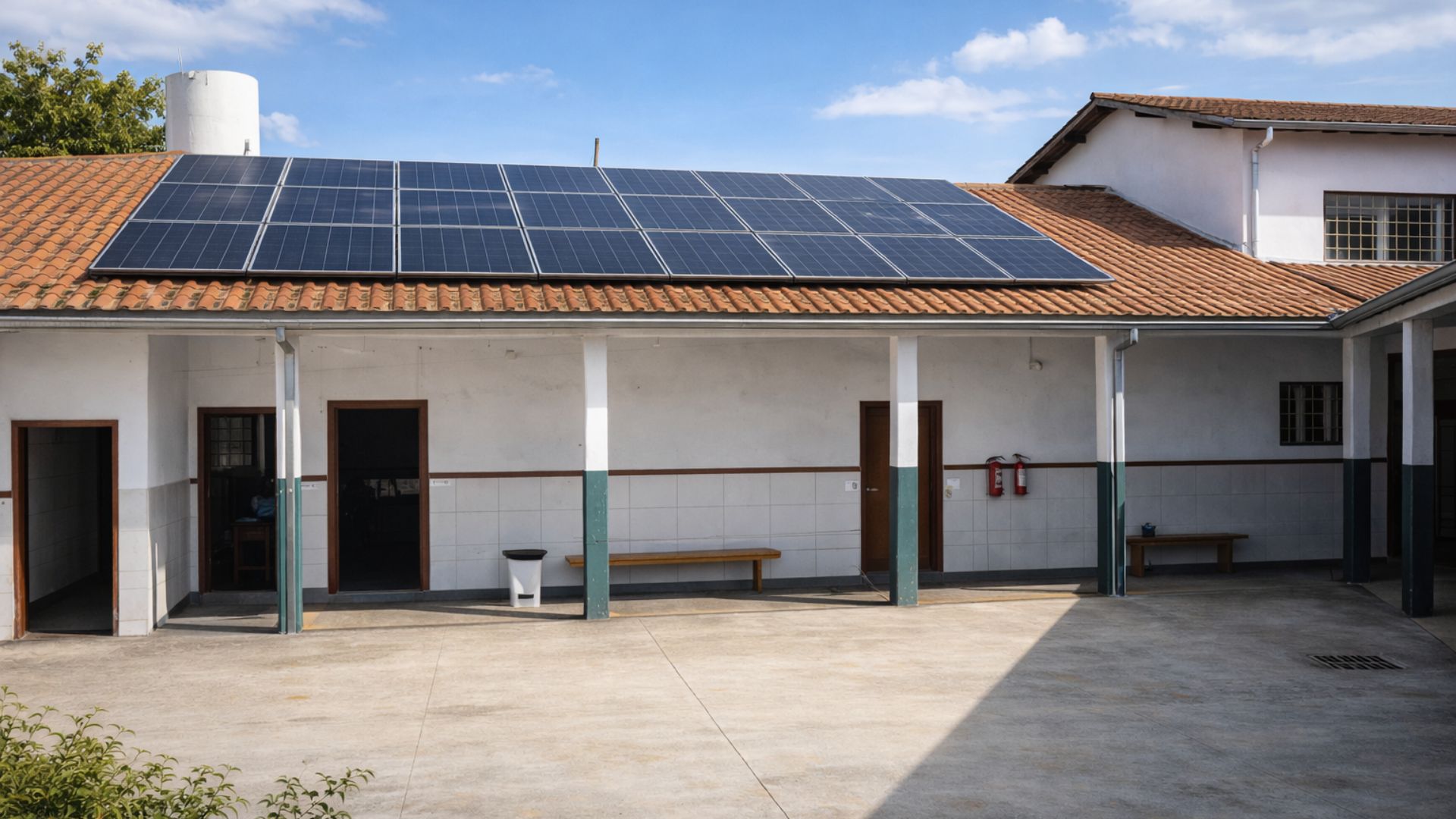
Copel boosts solar energy in Paraná and brings innovation to public schools, promoting savings on electricity bills, energy efficiency, and a direct impact on the quality of education.
-
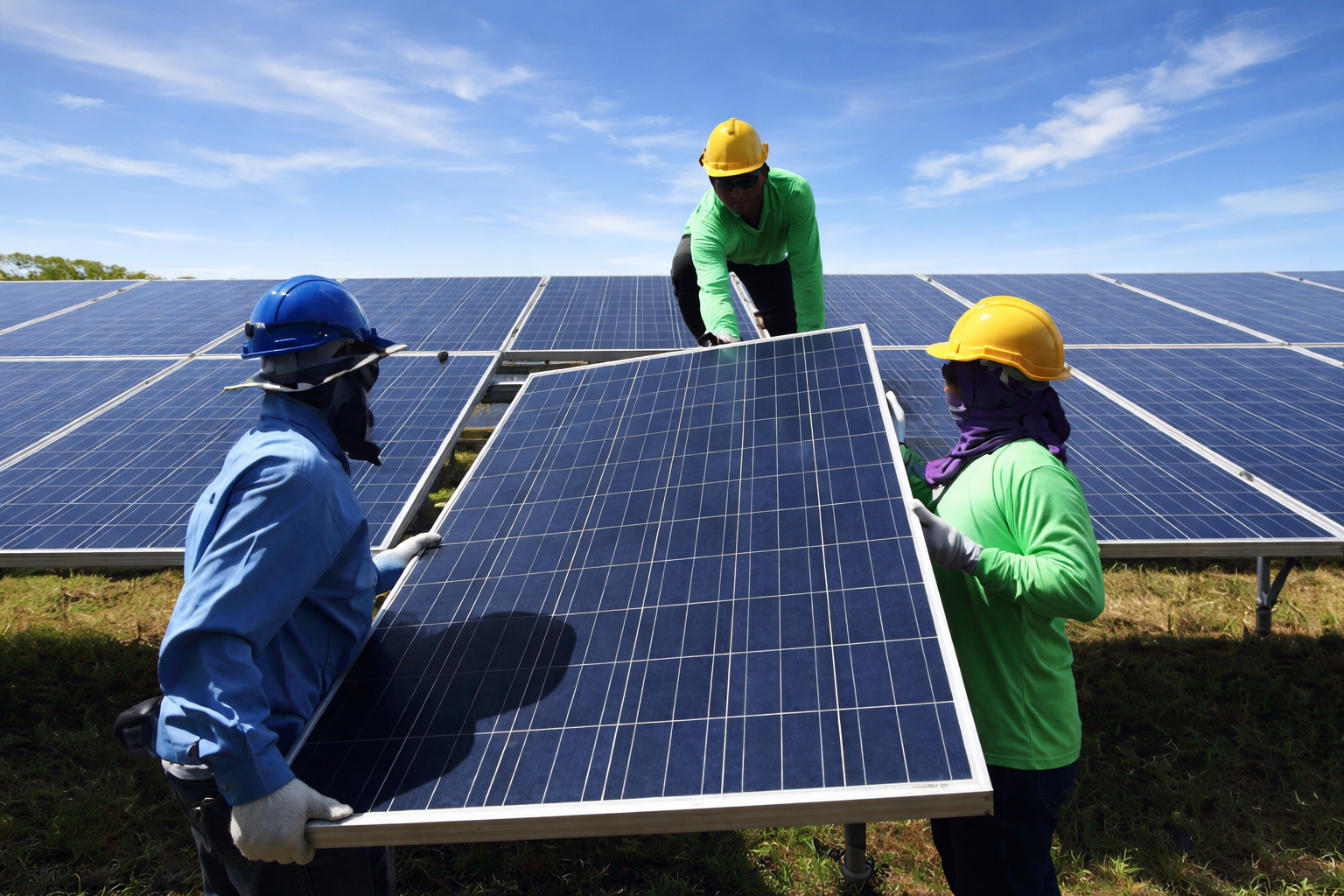
Brazil reaches historic milestone in solar energy: Sector surpasses 2 million accumulated green jobs and generates billions in the national economy even under market pressure.
-
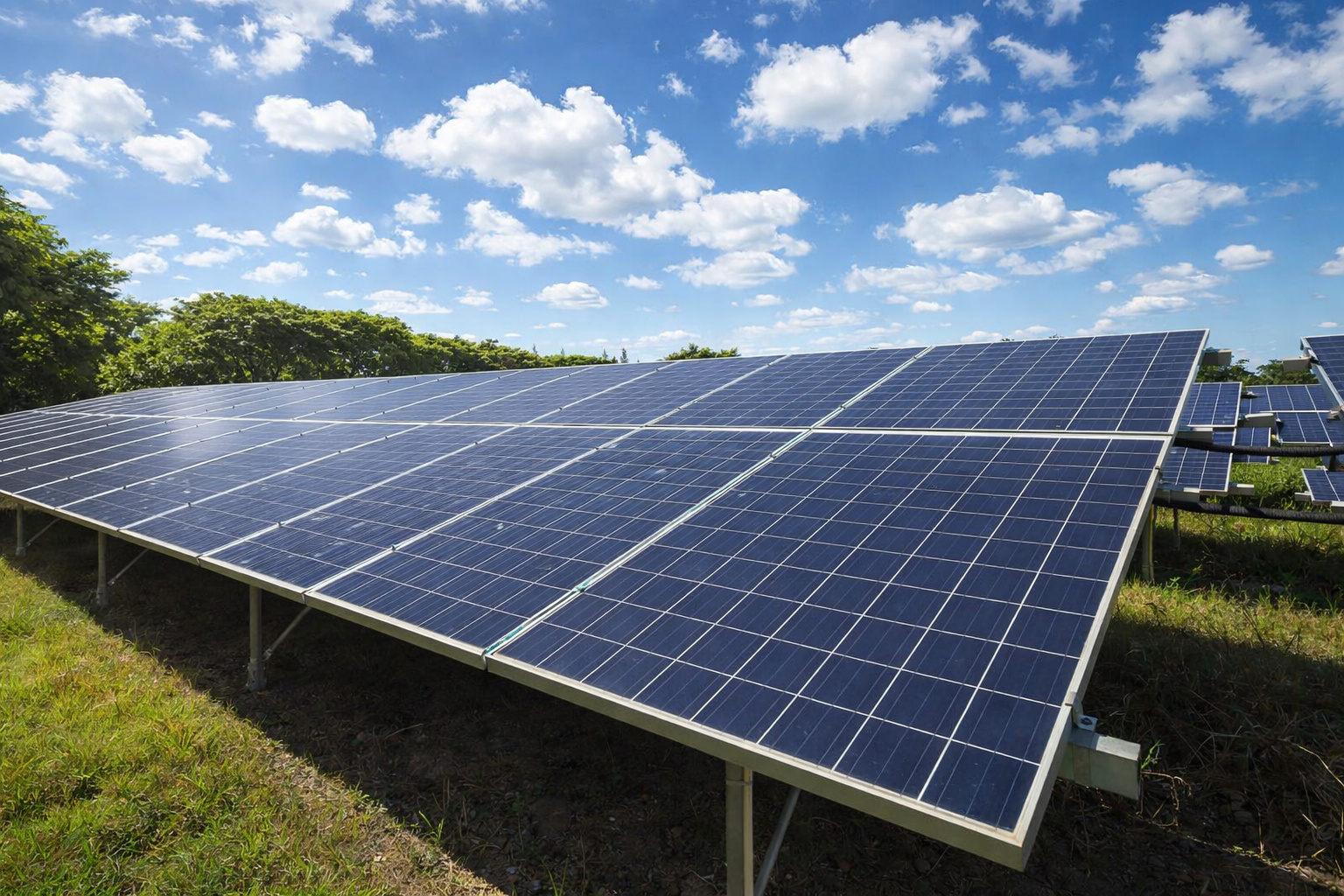
Minas Gerais takes the lead in renewable energy: State surpasses historic mark of 14 GW in solar energy generation in MG and consolidates dominance in the Brazilian electric sector.

Solar energy has become a direct ally in reducing operational expenses, allowing saved resources to be redirected for pedagogical and structural improvements. The project also includes training actions for teachers and students, focusing on sustainability, applied science, and energy citizenship.
According to Paranaeducação (Preduc), the agency responsible for technical supervision, the accumulated savings have already surpassed R$ 430,000, comparing energy expenses between 2023 and 2024.
Solar Energy and Positive Environmental Impact in Public Schools in Paraná
The photovoltaic plants installed in public schools in Paraná use high-efficiency solar panels, capable of converting solar radiation into electricity with low environmental impact.
The adoption of this technology contributes to reducing greenhouse gas emissions and meeting state climate targets. According to project data, solar energy generation in schools avoids the emission of tons of CO₂ per year, equivalent to planting hundreds of trees.
In addition to financial savings, the environmental benefit is significant and lasting. This approach reinforces the state’s commitment to energy transition and to training a generation more aware of climate challenges.
Sustainable Education: Integration of Solar Energy and Environmental Education
The Solar School project is not limited to the installation of energy infrastructure. It promotes a direct integration between the use of solar energy and the pedagogical content of public schools.
Teachers are trained to address topics such as sustainability, renewable sources, energy efficiency, and climate change in the classroom. The presence of photovoltaic plants in schools transforms the educational environment into a living laboratory of science and citizenship.
Students have access to real data on energy generation and consumption, being able to monitor system performance and understand in practice the benefits of solar energy. This approach strengthens interdisciplinary teaching and encourages student leadership in environmental preservation actions.
Public Investment and Social Return in Paraná
The investment of R$ 3.5 million made by the Government of Paraná was directed to the installation of photovoltaic plants and the technical training of school teams.
The social return is evident: in addition to the R$ 430,000 already recorded in savings, the project promotes energy inclusion, environmental education, and appreciation of school infrastructure.
Every real saved means more resources available for public education. Energy efficiency becomes a tool for intelligent management, capable of generating positive impacts in multiple dimensions.
The model adopted in Paraná can serve as a reference for other states, demonstrating that it is possible to reconcile technological innovation with fiscal responsibility and educational commitment.
Challenges and Perspectives for the Expansion of Photovoltaic Plants
Despite the positive results, the project faces challenges such as system maintenance, the ongoing training of teams, and expansion to other school units.
The Government of Paraná’s goal is to increase the number of schools served, consolidating solar energy as a standard in the state network.
In addition, there is potential for partnerships with universities, companies, and civil society organizations, aimed at improving energy management and expanding educational impact.
Concrete Results in Public Schools in Paraná
The implementation of photovoltaic plants already shows visible results in participating schools. Principals report significant reductions in electricity bills. Moreover, these initiatives can lead to greater student engagement in environmental projects and improvement in the electrical infrastructure of the units.
In some schools, the saved resources were used for the purchase of pedagogical equipment, renovations, and expansion of extracurricular activities. The impact goes beyond savings: it transforms the school environment and strengthens the link between education and sustainability.
The school community is also actively involved in the project, with awareness actions, workshops, and events focused on environmental preservation and the rational use of energy.
The Role of Paraná in Leading the Educational Energy Transition
With the Solar School project, Paraná positions itself as one of the most advanced states in the integration of public education and renewable energy. The initiative demonstrates that it is possible to promote innovation, reduce costs, and train more aware citizens, all within the school environment.
Paraná’s leadership in this field reinforces the importance of public policies focused on sustainability and energy efficiency. The example of public schools equipped with photovoltaic plants shows that the energy transition can begin with education.
The success of the project depends on the continuity of investments, collaboration between different sectors, and the appreciation of science as a tool for social transformation.
Future Pathways for Solar Energy in Brazilian Education
Paraná’s experience with photovoltaic plants in public schools opens the way for new possibilities. The expansion of the project can include municipal schools, professional education centers, and technical education units.
Additionally, there is room for technological innovation, such as the use of storage batteries, intelligent monitoring systems, and integration with distribution networks.
The involvement of the community, the training of teachers, and institutional support are fundamental to ensuring the long-term sustainability of the project. Paraná’s example shows that investing in solar energy in public schools is more than a technical choice — it is a commitment to the future.








Seja o primeiro a reagir!