





 Portuguese
  English
  Spanish
  3 min of reading
  0 comments


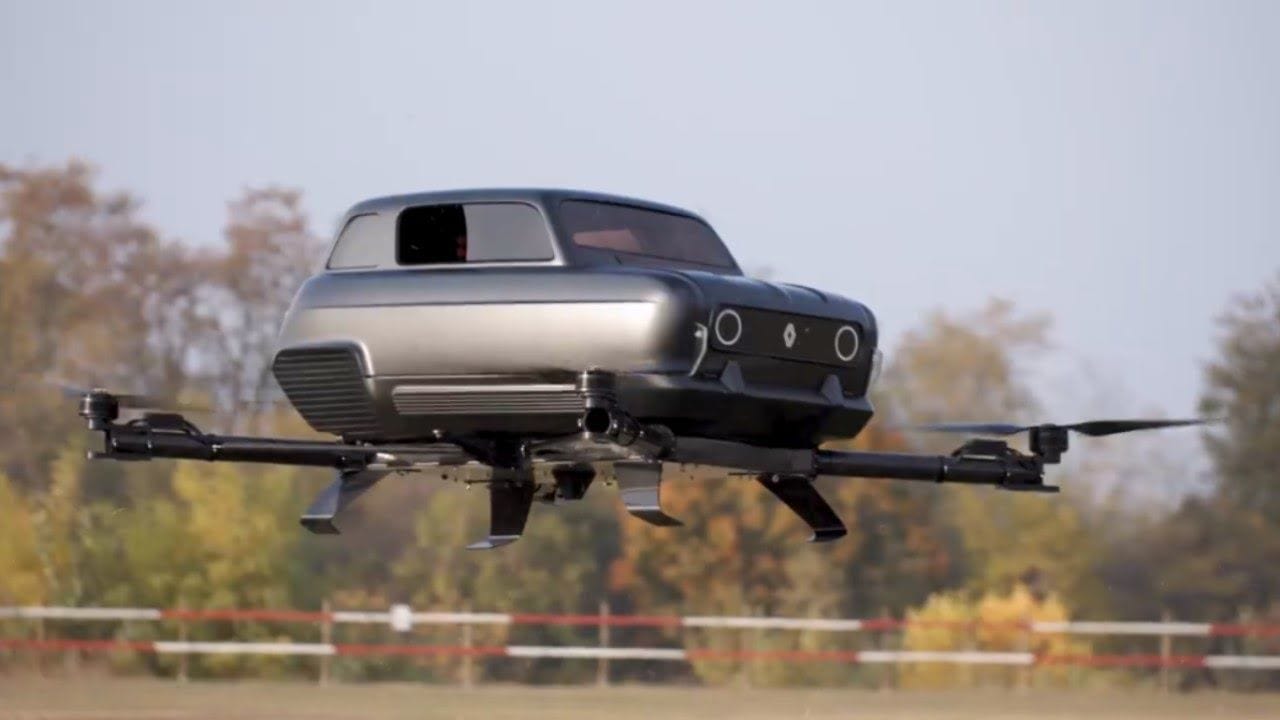
In A Vibrant Tribute To Its Iconic 1960s Compact, Renault Launches A Futuristic Vision With The AIR4, Promising To Redefine Urban Mobility By Literally Rising Above The Conventional.
In celebration of the 60th anniversary of the legendary four-door compact, Renault dares to reveal the AIR4, an audacious interpretation that redefines the boundaries of automotive innovation. This flying project is not just a tribute but a challenging look at how the iconic silhouette could evolve over the next 60 years. While Renault is reviving the 4, with over 8 million units sold between 1962 and 1991, it is crucial to adjust expectations: the AIR4’s flying capability remains a distant dream from commercial reality.
The AIR4, however, shares more than just an aesthetic lineage with the future battery-powered Renault 4. Replacing steel wheels with four two-blade rotors, the AIR4 is a fusion of tradition and futuristic technology. The ‘automotive drone’ is centrally mounted carbon fiber with a cabin accessible by a front hinge; this innovative design preserves the essence of the original while promising aerial performance.
And The ‘Engine’ Of The Renault AIR4


Equipped with 90,000 milliamp-hour batteries, the AIR4 aims for a maximum horizontal speed of 93 kilometers per hour and a maximum altitude of 700 meters, with each rotor generating 95 kilograms of vertical thrust. This promise of aerial mobility contrasts with a stripped-down interior, reinforcing Renault’s commitment to simplicity and efficiency.
-
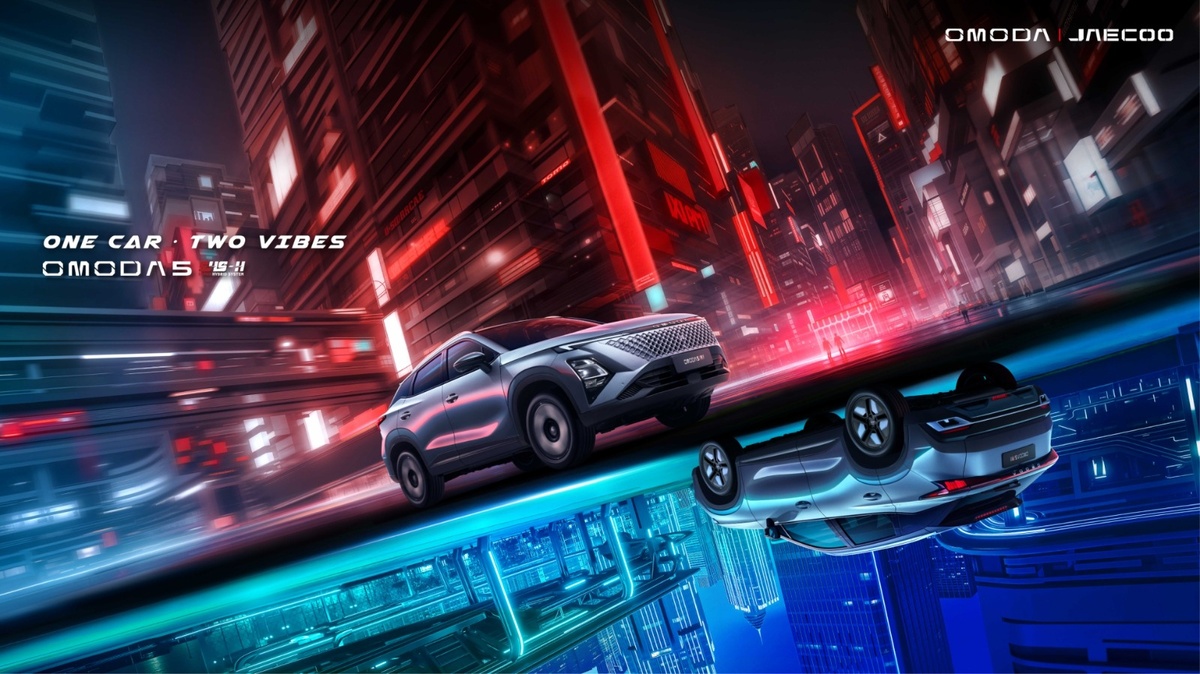
OMODA & JAECOO grows in Europe in 2026 with an integrated strategy of sales, innovation, local production, and technological advancement in the United Kingdom, Italy, and Spain.
-
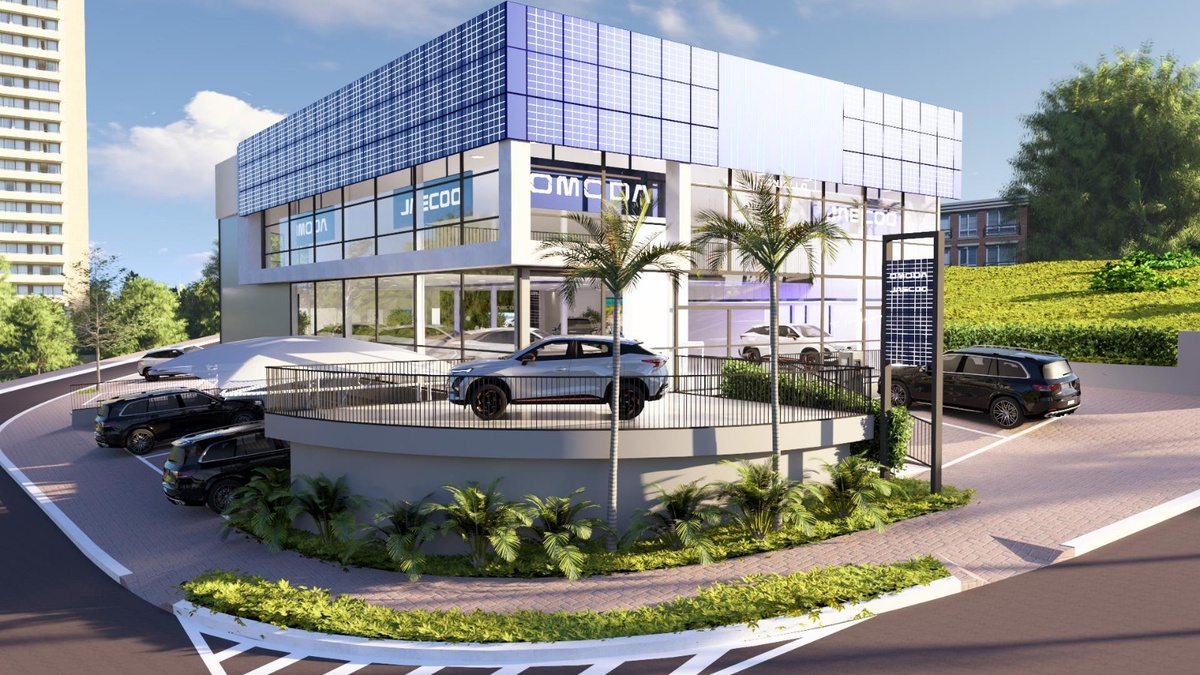
OMODA & JAECOO expands after-sales service in Brazil with competitive maintenance, a 7-year warranty, and high availability of parts for technological SUVs.
-
OMODA & JAECOO appoints Alessandra Souza as executive marketing director in Brazil and accelerates brand expansion with a focus on innovation, networking, and hybrid portfolio.

-
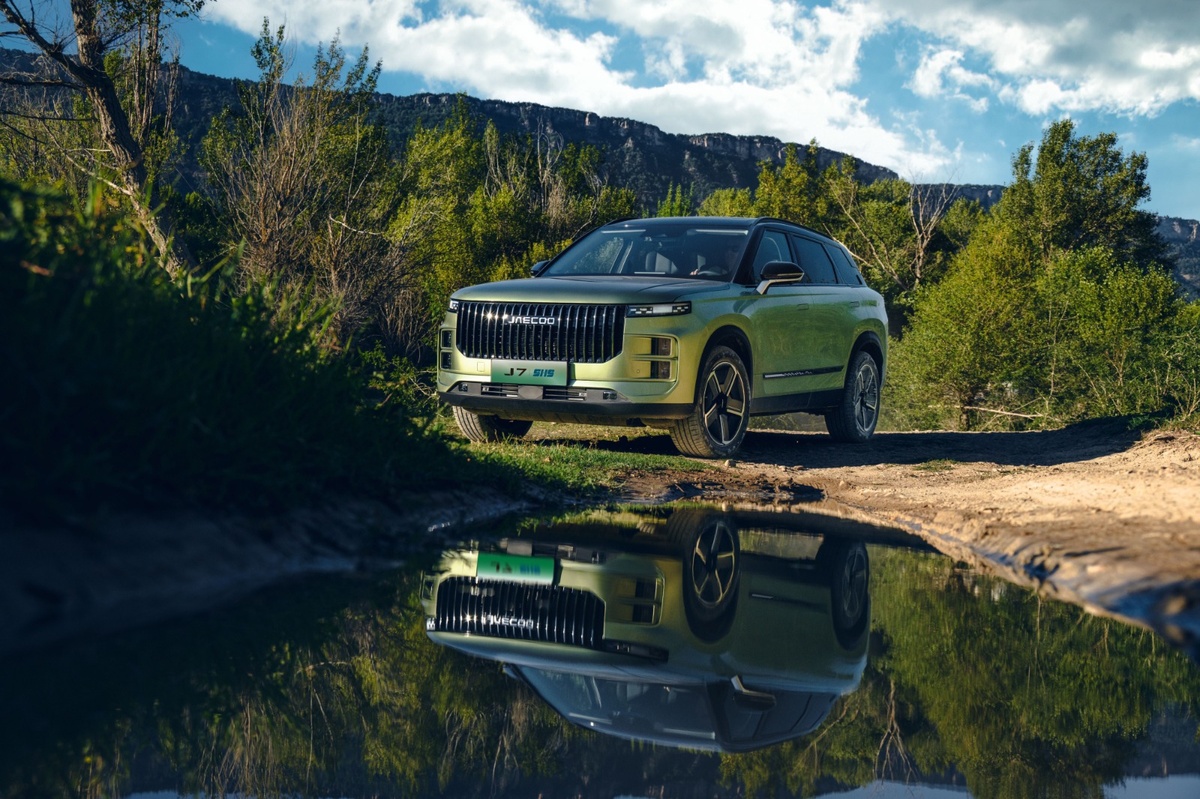
Jaecoo 7 with super hybrid SHS system exceeds 1,200 km of combined range with a 1.5 turbo engine, high-density battery, and intelligent energy management.

The fascination with the AIR4 transcends mere curiosity; it represents humanity’s aspiration for personal flight, freeing us from the chains of ground traffic. Even though a pilot’s license is not within everyone’s reach and practical limitations remain, the AIR4 is a testament to Renault’s innovation and imagination, despite being presented as a concept car with no production plans for flight.
By presenting the AIR4, the ‘automotive drone’, Renault not only celebrates its legacy but also signals a future where innovation and tradition walk hand in hand. Even if the dream of flying cars remains on the fringes of reality, the AIR4 serves as a vibrant reminder of the endless possibilities that await in the journey of mobility.
History And Legacy Of The Renault 4
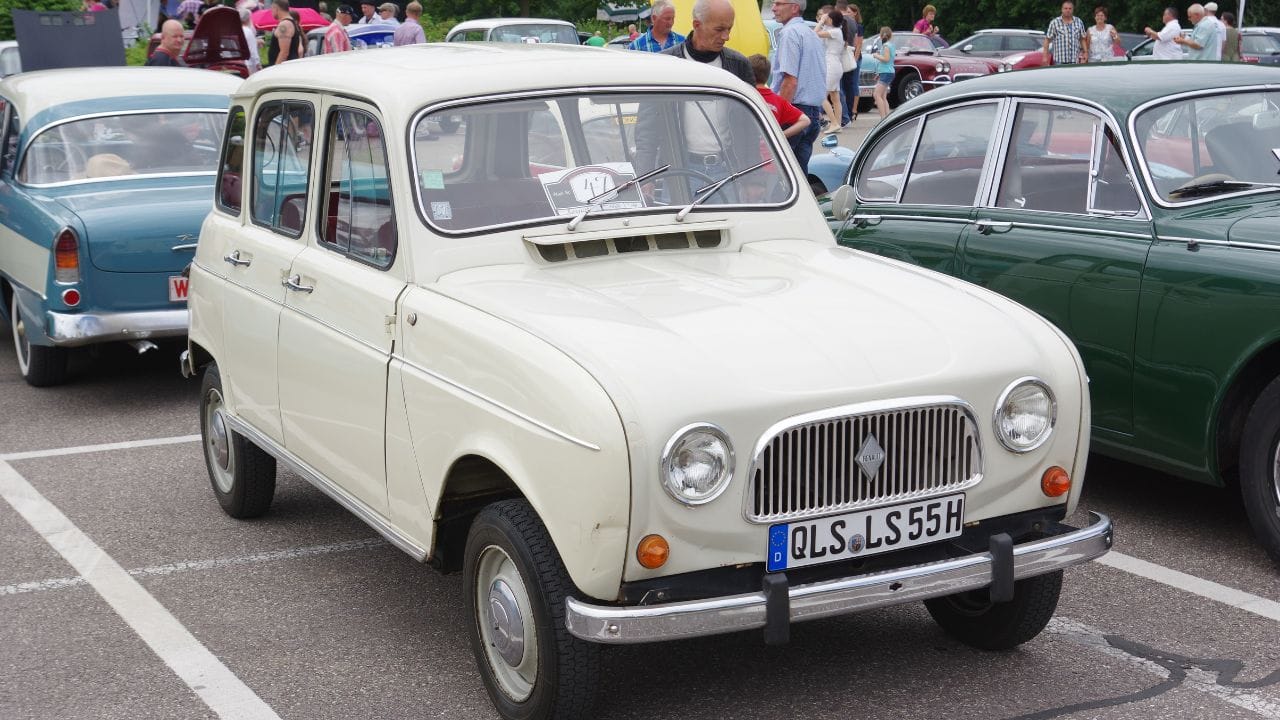
Developed as a direct competitor to the Citroën 2CV, the R4 was designed to cater to a wide range of users – from families to farmers and urban dwellers. Its design centered on simplicity and functionality, but not without innovations. The introduction of front-wheel drive, torsion bar suspension, and rack-and-pinion steering were just some of the revolutionary features that defined the R4 as a vehicle ahead of its time.
Considered the world’s first mass-produced hatchback, the R4 stood out for its versatility and reliability. Its ability to adapt to various needs, with a large cargo area and a variety of versions, including the Rodeo and GTL, reinforced its status as a vehicle for everyone. Moreover, its updates over the years – from mechanical improvements to aesthetic additions like the panoramic roof – kept the R4 relevant and beloved by its users.
Despite the end of its production in 1994, due to new environmental regulations, the Renault 4 remains an icon. With over 8 million units sold, its impact on the automotive industry and popular culture is undeniable. For collectors and enthusiasts, the R4 is not just a car; it is a piece of history, a reminder of the democratization of mobility brought about by Renault.
The R4 In Brazil And Beyond
The history of the R4 has also left its mark in Brazil, being produced at the Santa Isabel plant in Córdoba, Argentina, and standing out for its adaptability. The various variants, including vans and pickup versions, demonstrate the R4’s ability to meet specific needs, highlighting its importance not just as a passenger vehicle but also as a work tool.
Renault’s celebration of the R4’s 60th anniversary is a recognition of how the R4 continues to influence automotive design and innovation to this day. Looking to the future with projects like the AIR4, Renault honors the vision and audacity that brought the R4 to life, reaffirming its commitment to innovation and accessible mobility for all.









Seja o primeiro a reagir!