





 English
  Francês
  Alemão
  Italiano
  Japonês
  Norueguês
  Portuguese
  Spanish
  2 min of reading
  0 comments



Emerson Kapaz Highlights Measures Against Tax Illegality at Seminar
The President of the Legal Fuel Institute (ICL), Emerson Kapaz, has a scheduled commitment for the upcoming meeting at the seminar “Fight Against Illegal Brazil”. The event will take place at CNI headquarters in Brasília, featuring in-depth discussions on irregular tax practices that harm the country’s economy. The session will be streamed online, allowing remote access for interested parties from all over Brazil.
Discussion Panel on Fiscal Damages
Emerson Kapaz will mediate the panel “The Fiscal Damage of Illegal Brazil”, which starts at 10 AM and promises an enriching debate on the adverse effects of illegal markets on tax collection and its return to society. The focus will be on the specific scenarios of the states of São Paulo and Rio de Janeiro, as well as the national landscape. This panel is supported by the industrial federations FIESP and Firjan.
The debate will address the importance of the effective implementation of thesingle-phase ICMS taxation system, where the uniform national rate is applied directly at production or import. Kapaz will emphasize how this system aids in reducing tax evasion and simplifying tax control, enhancing the efficiency of regulatory bodies.
-
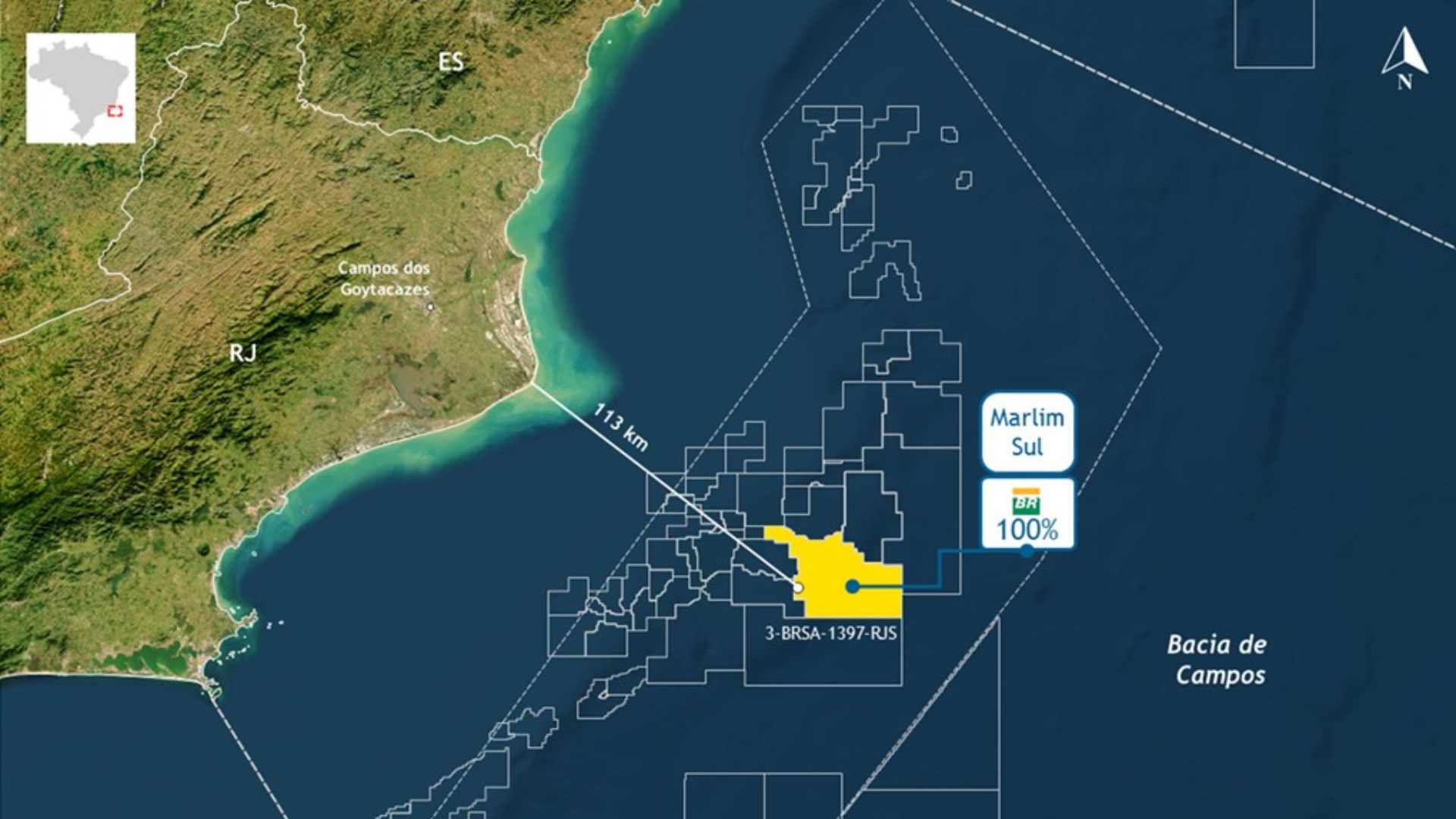
Petrobras announces new oil discovery in the pre-salt of the Campos Basin and reinforces Brazil’s prominence with high-quality reserves that can increase production and energy revenues.
-
Alert in the fuel market: Analysts and a former director of ANP warn that oil prices may worsen in the coming months due to global instability.

-
Ocyan brings executives and digital solutions to Macaé Energy 2026 and highlights offshore expansion with Nexio and a new base in Macaé.
-
Petrobras advances 4.6% with rising oil prices and the dollar, reigniting the debate on macro risks, pricing policy, and fiscal impact in Brazil.

Strategies Against the Chronic Debtor
Additionally, Kapaz will discuss the challenges faced by the fuel market due to tax evasion and delinquency practices, stressing how thesingle-phase regime creates a less favorable environment for chronic debtors. He will also highlight the need to expand this system to hydrated ethanol, aiming to ensure tax equity among the various fuels available in the market.
According to studies by the Getúlio Vargas Foundation (FGV) in collaboration with the ICL, tax frauds perpetrated by chronic debtors account for annual losses of around R$ 14 billion. The classification of chronic debtors as a federal crime, currently under discussion in Bill 164/2022, is seen by Kapaz as essential to effectively combat this issue and regularize the market.
Kapaz concludes with the expectation that the approval of PLP 164/2022 will occur still in 2024, which would be a significant step towards eliminating market distortions caused by entities operating illegally, harming fair competition and adequate tax collection.
The discussion proposed by Kapaz at the seminar is crucial for understanding the complexity and magnitude of the challenges faced by the fuel sector in Brazil and the effective strategies to tackle these obstacles.
Source: Rodrigo Dutra.










Seja o primeiro a reagir!