





 Portuguese
  English
  Spanish
  4 min of reading
  0 comments


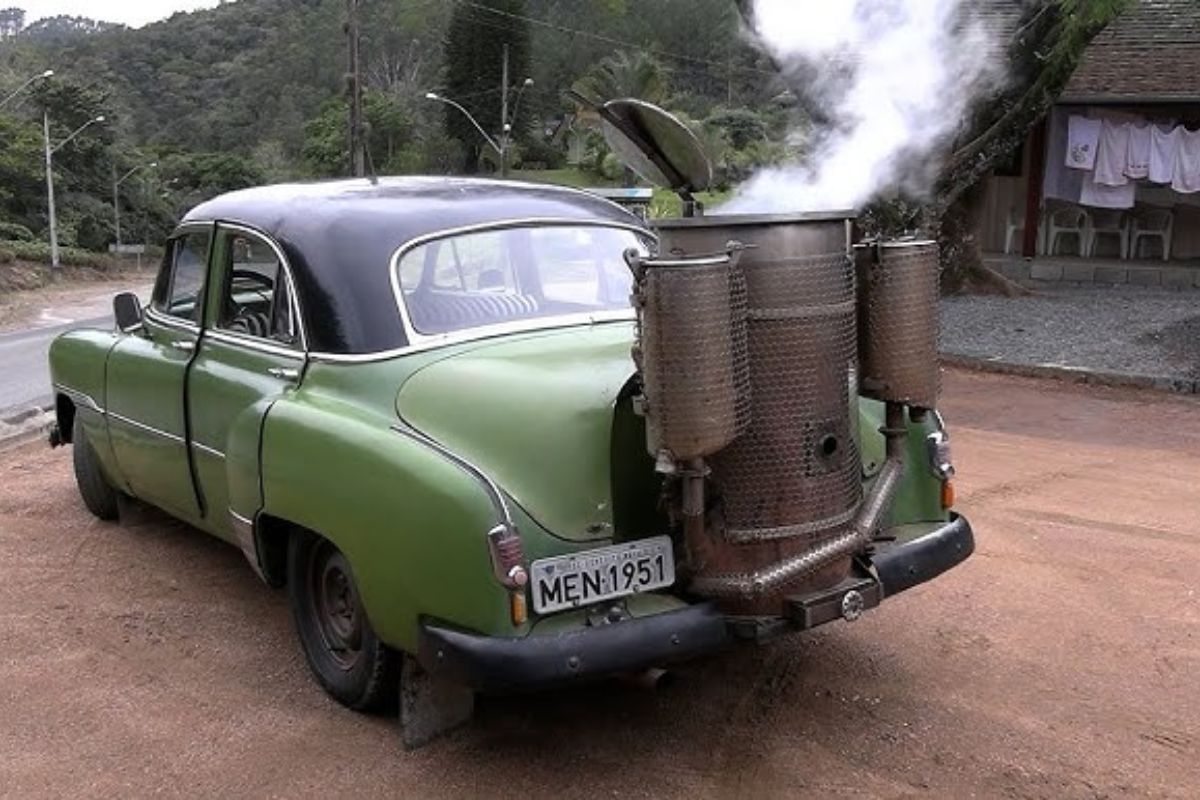
The Automotive History Is Filled With Unusual Attempts To Fuel Vehicles. From Wood-Burning Cars (Gasifiers) Used In Brazil During World War II To Wind-Powered Prototypes, Explore Some Of The Strangest Bold Fuels And Alternative Technologies Ever Imagined.
The search for energy to move automobiles has not always followed the conventional path of gasoline or diesel. Throughout history, especially in times of crisis or great technological optimism, human creativity has led to truly unusual energy solutions, some ingenious, others desperate, and many that we today consider bold fuels.
In Brazil, the scarcity imposed by World War II led to cars being adapted to burn wood through the system of gasifiers. There were even bold prototypes, such as a car powered by a giant propeller, testing the limits of national engineering. Let’s remember some of the bold fuels and alternative technologies that have tried (or are still trying) to power our vehicles around the world.
The Brazilian Wind Car: The Curious Prototype FEI X-1 And Its Propulsion By Giant Propeller
In a demonstration of creativity from São Paulo, a remarkable prototype emerged from an engineering college: the FEI X-1. This peculiar vehicle, with a wooden body to be lightweight (380 kg), did not rely on traditional combustion. Its main propulsion came from a propeller, similar to that of a plane, and it could even navigate in water.
-
For R$ 32,000, a brand new Hyundai car is a rival to the Kwid with a 1.2 engine producing 82 hp, 6 airbags as standard, multimedia with wireless Android Auto, up to 391 liters in the trunk, and a refreshed look for 2026 in India.

-
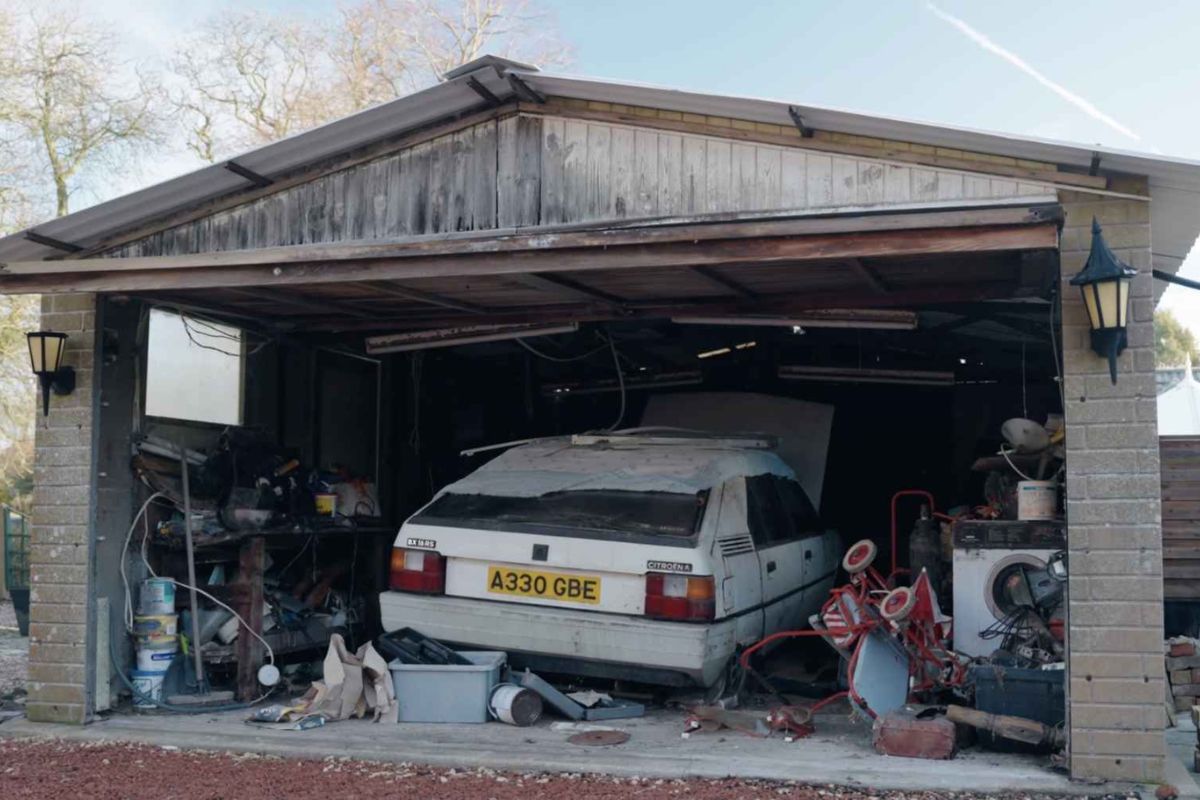
He bought a new car in 1983, locked it in the barn in 1988, and no one opened the door for 38 years until the family discovered what was stored inside and realized it looked like something out of a movie.
-
A 250cc motorcycle that can reach 560 km with a 14-liter tank, features disc brakes on both wheels and is among the most well-known in Brazil.
-
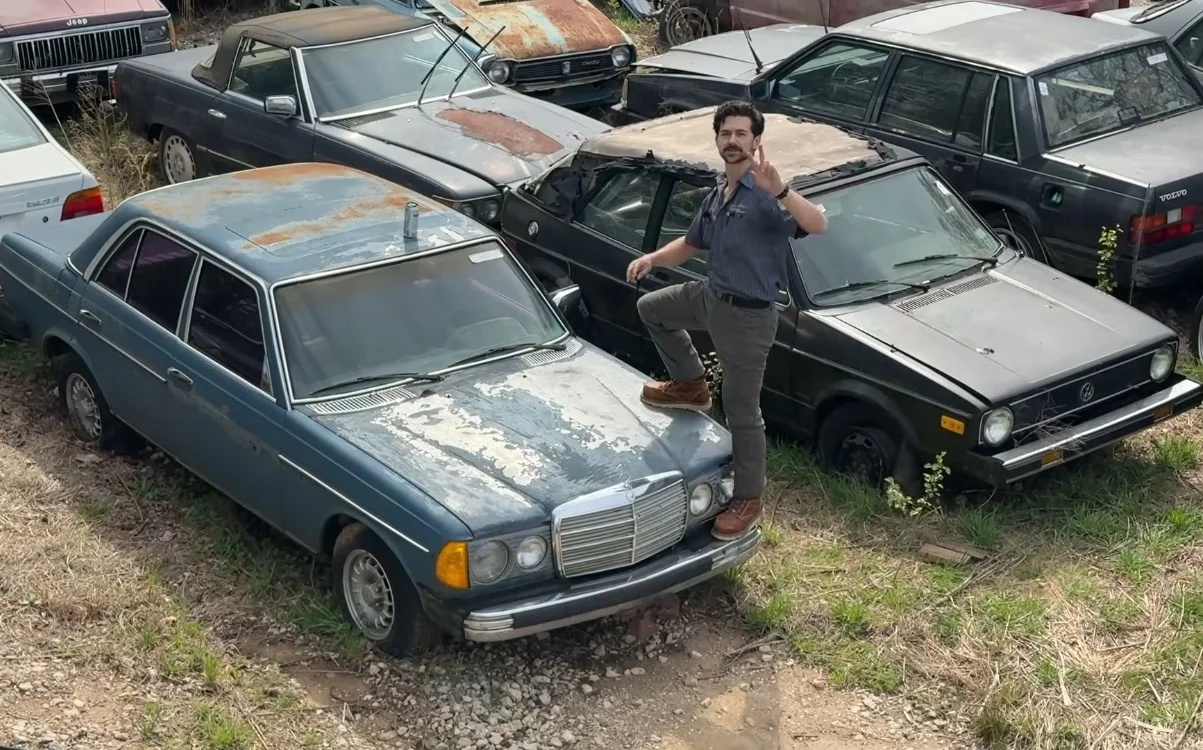
Man finds over 200 rare cars abandoned on a lot and tries to do the impossible in 8 hours with a surprise at the end.

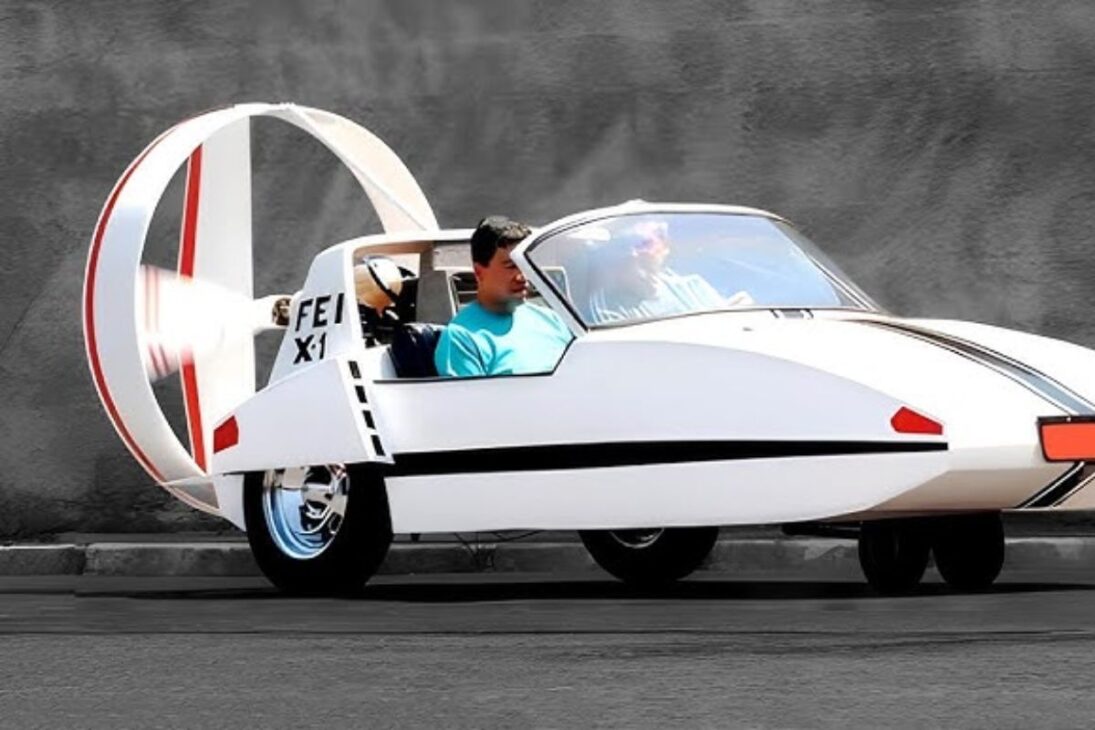
To initiate movement, it used a Gordini engine, but its gearbox was rudimentary, with only first gear and reverse. Although it was an interesting engineering exercise, the FEI X-1 faced obvious safety and efficiency disadvantages for practical use, remaining a curious chapter in the search for alternatives to bold fuels or conventional fuels in Brazil.
Gasifier: The Fuel Of Crisis That Made Brazilian And Other Nations’ Cars Burn Wood And Coal
World War II imposed a severe fuel scarcity, forcing nations to seek drastic alternatives. In Brazil, one solution was gasifiers, a system that allowed vehicles to run on charcoal, mineral, or wood. The famous driver Chico Landi even won championships using pine knot charcoal in his adapted Buick.
The system operated through the incomplete combustion of the raw material in a generator, producing a “synthesis gas” to fuel the engine. Starting it was a complex ritual, and the vehicles suffered power loss (about 35%), in addition to requiring daily maintenance and posing a risk of toxic gas leaks. Despite being a technological setback, gasifiers were crucial in keeping transportation functioning.
Balloons On The Roof And The Dream Of Nuclear Energy: Other Bold Fuels And Futuristic Ideas That Marked An Era
In Europe, during the Wars, vehicles were adapted to use “town gas” (a byproduct of mineral coal), stored in huge rubberized fabric bags, like balloons, on the roofs of cars. The low energy density resulted in little autonomy (one bag of 13 m³ for 50 km) and the aerodynamics were poor.
In the 1950s, Ford introduced the concept of Ford Nucleon, a car that promised 8000 km of autonomy with a compact nuclear reactor in the rear. The idea, aligned with the “Atomic Age,” faced insurmountable challenges of shielding weight, safety, and disposal of nuclear material, never passing beyond the modeling phase, and being one of the most remembered among the bold fuels (or energy sources) ever proposed.
When Manure, Sewage, And Even Tequila Became Bold Fuels (Or Not So Much)


The British inventor Harold Bate, in the 1970s, adapted his car to run on methane gas from chicken manure. More recently, the French ARM Engineering uses organic waste to produce biofuel (G-H3) for an electric Renault Zoe with a fuel cell, breaking autonomy records. Sewage sludge also generates biomethane, used in Brazil in buses, and Hyundai researched hydrogen from human feces.
The very Rudolf Diesel used peanut oil in his engine in 1900, and today biodiesel and renewable diesel are realities. Curiously, a Chrysler with a turbine engine in the 1960s would have run on tequila and even Chanel No. 5 perfume, more as a demonstration of versatility than a viable alternative.
From Promising Seaweeds To Valuable Lessons From Bold Fuels Of The Past
Currently, Mazda, in partnership with Japanese universities, is investing in biofuels from microalgae, optimized by genome editing to increase oil production. The advantage is not competing with food crops and having a potentially carbon-neutral cycle.
The history of bold fuels teaches about the importance of need (crises) and the vision for the future for innovation. Many ideas, such as the use of organic waste, which seemed eccentric, find new relevance today, driven by the search for sustainability and the lessons learned about safety, economic viability, and public acceptance.










Seja o primeiro a reagir!