





 Portuguese
  English
  Spanish
  3 min of reading


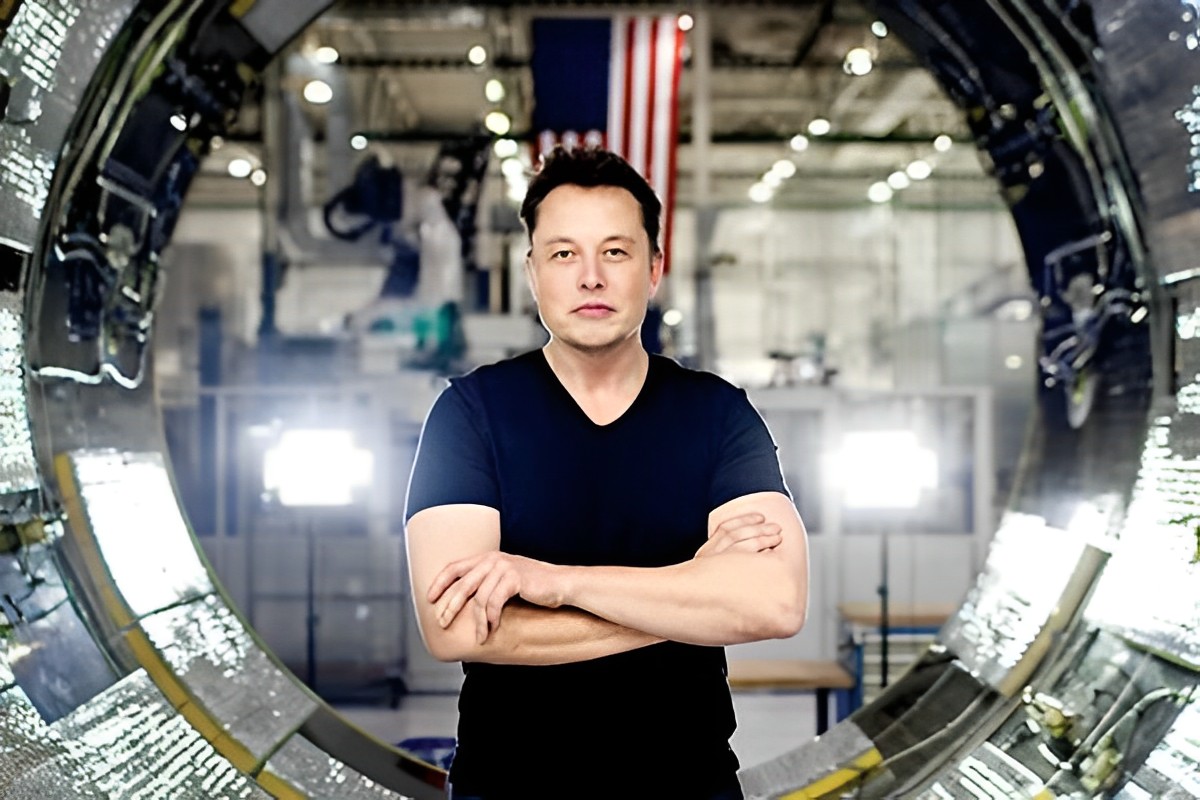
Billionaire Elon Musk Stated That the World Needs to Invest US$ 10 Trillion in the Next Decade to Transition to Fully Clean Energy Sources.
According to the entrepreneur, the continued reliance on fossil fuels would cost about US$ 14 trillion. Tesla, the company led by Musk, outlined in a document its vision for a world without fossil fuels and detailed the need for mass construction of solar panel factories and metal refineries over the next 20 years. The goal is to generate renewable energy and electricity storage capacity that powers the global economy solely with carbon-free energy.
Elon Musk’s Vision for a World Without Fossil Fuels
Tesla aims for enhanced grids powered by wind and solar energy, a global network of battery farms, and underground hydrogen caverns to store energy. Additionally, the company wants to reform heavy industries such as steel and cement manufacturing, as well as heating or cooling homes and businesses with heat pumps. The vision is that, in 20 years, Earth transitions to a sustainable energy economy.
The Cost of the Alternative
The cost of the alternative, continuing to produce oil, coal, and natural gas, is higher, as Tesla argues. According to the company, at 2022 levels, the cost would be about US$ 14 trillion over the next two decades.
-
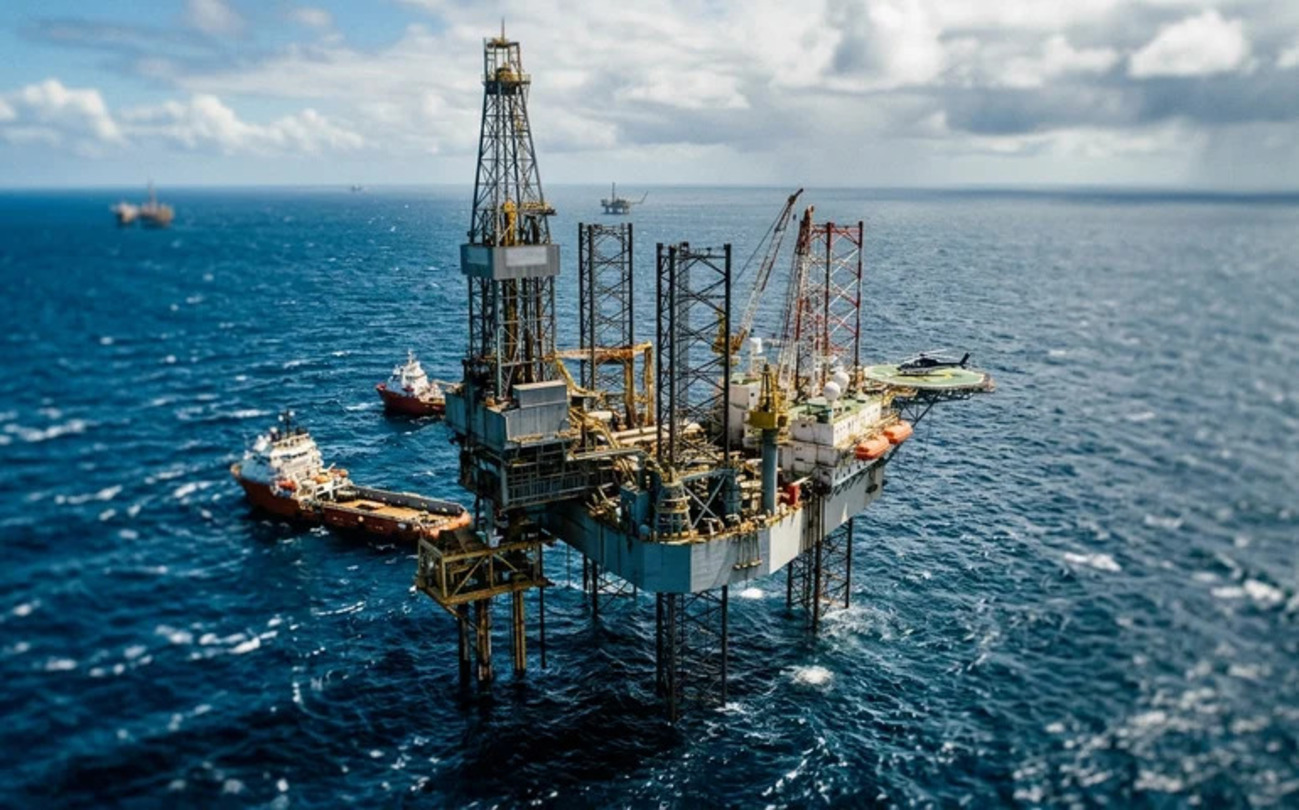
Brazilian giant expands borders in the Southeast: Petrobras confirms new oil discovery in ultra-deep waters in the pre-salt of the Campos Basin.
-
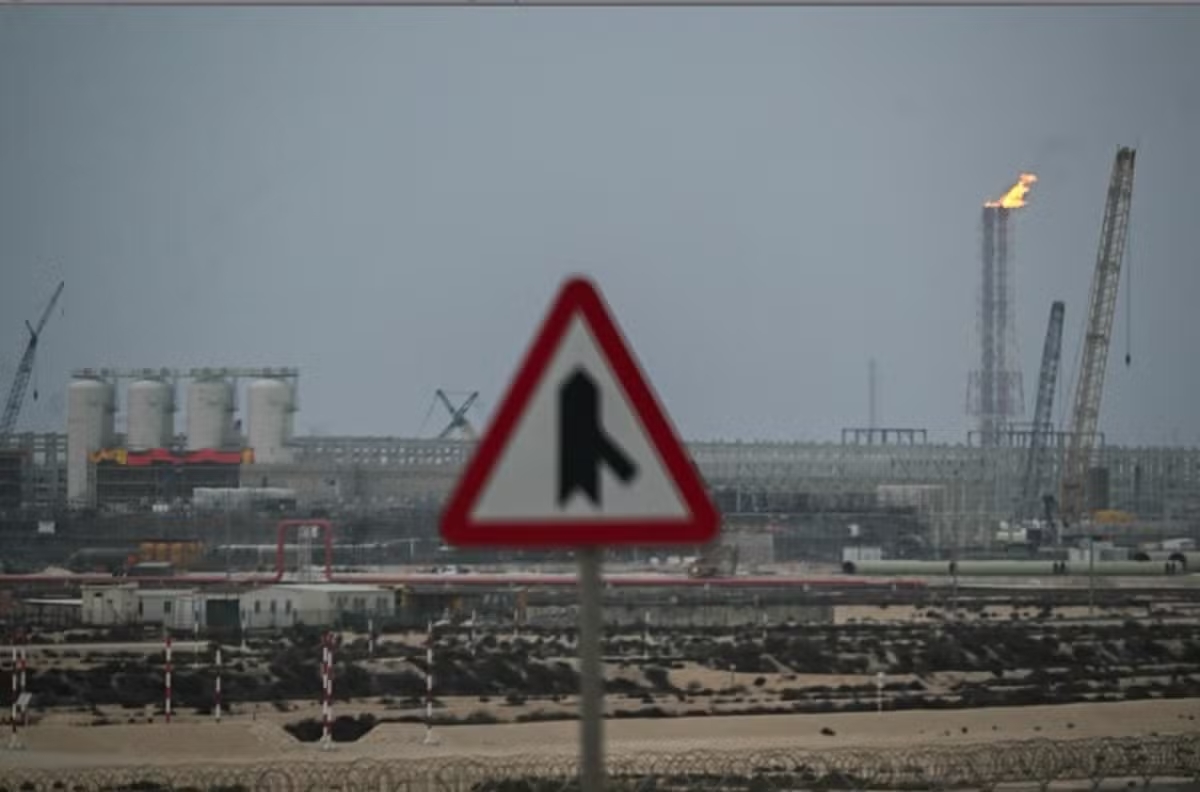
Alert in the global energy market: Severe tropical cyclone hits the coast and disrupts gas production at major plants in Australia, threatening global supply.
-
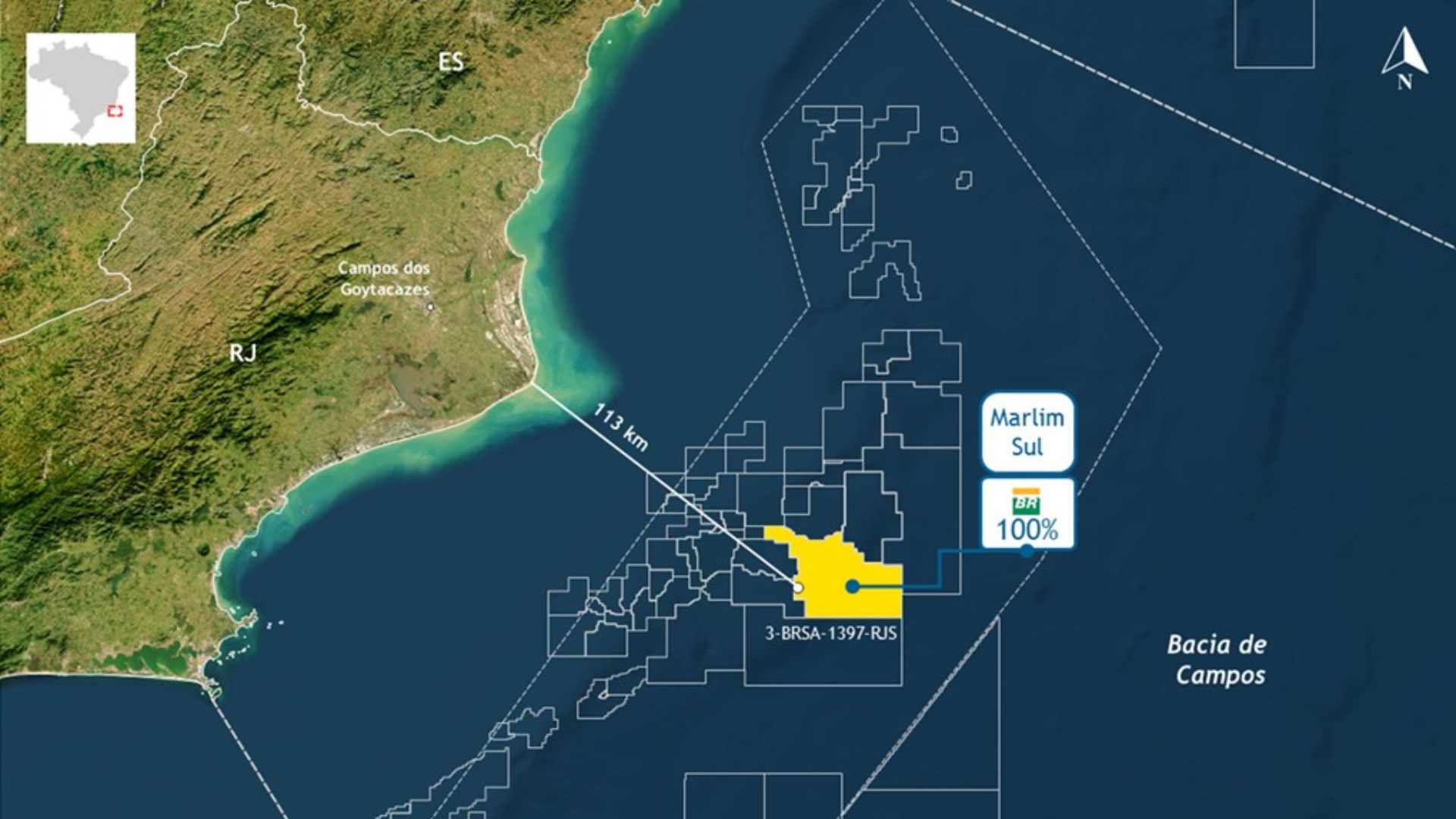
Petrobras finds high-quality oil in the pre-salt at 113 km from RJ and reignites expectations about strategic reserves in the Campos Basin.
-
Ocyan opens registrations for startups focused on innovation in the oil and gas sector and will select projects for Innovation Day with the support of Nexio.


Required Investment
The global energy system envisioned by Tesla requires about 30,000 gigawatts of renewable energy capacity and 240,000 gigawatt-hours of storage batteries. These figures compare to the renewable capacity of 3,214 gigawatts in 2021 and a stationary energy storage sector expecting 1,432 gigawatt-hours of capacity by the end of 2030, according to BloombergNEF.
Possible Impacts on the Metals Sector
A significant demand “boom” in the global metals sector would be expected if Musk’s vision comes to fruition. US$ 502 billion in mining investment and US$ 662 billion in refining expenditures would be needed to produce nickel, lithium, copper, and other materials to be used in batteries and clean energy equipment.
At peak levels, the world would need to excavate 3.3 gigatons of earth each year to obtain the metals needed for the transition to cleaner energy sources. Still, Tesla stated that the total mass could be reduced if aluminum is replaced with copper, as the former is found with much higher ore grades than the latter.
Final Considerations
Recycling will begin to significantly replace the new supply of metals starting in 2040, thanks to the collection of batteries, solar panels, and wind turbines that have reached the end of their life for reuse. Other materials will be eliminated or minimized, using copper instead of silver in solar panels, artificial graphite in batteries, and eliminating rare earths from wind turbines.
In conclusion, the sustainable energy future is technically feasible and requires less investment and less extraction of raw materials than continuing with today’s unsustainable energy economy. Even though the investment cost of US$ 10 trillion for a cleaner world is high, Musk argues that it is just a fraction of the US$ 100 trillion of the global economy and completely feasible over the next two decades.









Seja o primeiro a reagir!