





 English
  Francês
  Alemão
  Italiano
  Japonês
  Norueguês
  Portuguese
  Spanish
  2 min of reading


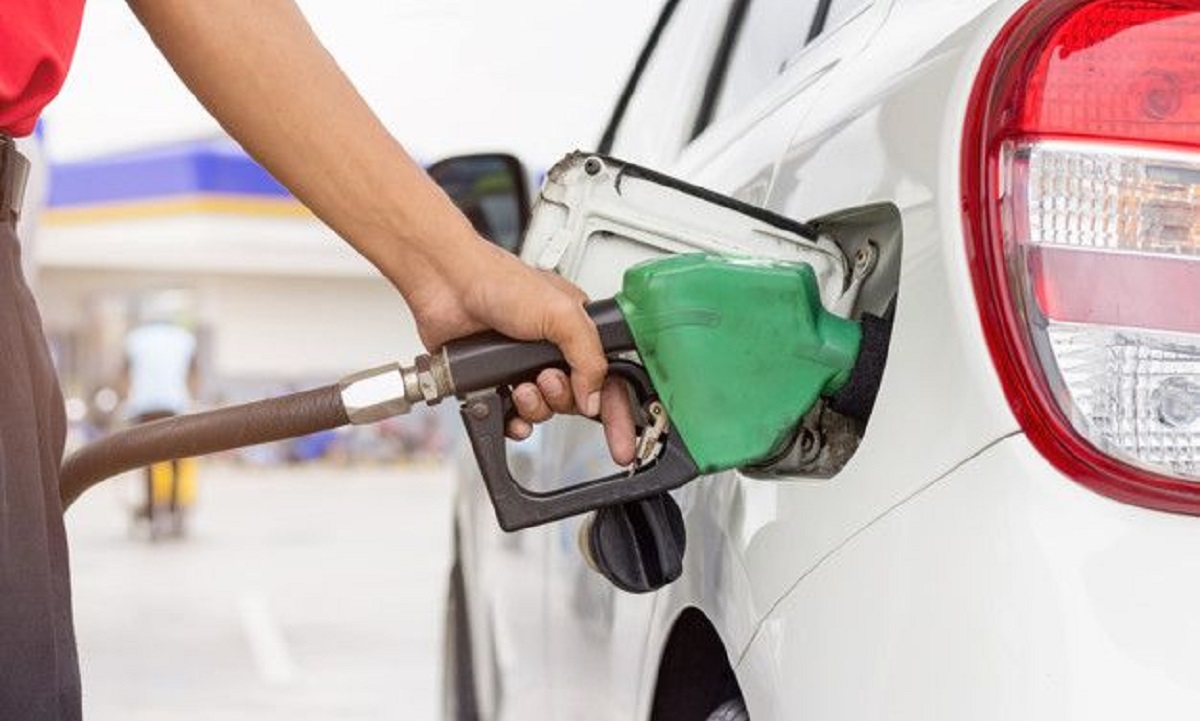
With Current Average Price of R$ 5, The Forecast Is That Gas Prices Should Soar in March
Last week, the average price of a liter of gasoline in Brazil was again above R$ 5, according to data from the National Agency of Petroleum, Natural Gas and Biofuels (ANP). The exact average price was R$ 5.12, which means there was a 3.02% increase compared to the week before, which marked R$ 4.97. However, what is most concerning is what could happen starting in March.
The price increase that occurred between the two weeks was a consequence of the rise in the selling price of gasoline by Petrobras to distributors, which went from R$ 3.08 to R$ 3.31 per liter, an increase of R$ 0.23. And to top it off, the ceiling for the Tax on Circulation of Goods and Services (ICMS) on fuels is running out of time.
What Will Happen to the ICMS in the New Government
The ICMS rate — created during Jair Bolsonaro’s government — is a percentage charged on the final price of the liter at the pump and varies from state to state. On average in metropolitan areas, for instance, the tax on gasoline was 29%. After the approval of the ICMS, the tax ceiling was reduced to a maximum of 18% nationwide.
-
Chinese giant worth nearly R$ 4 billion that manufactures cables for electric cars, solar energy, and robotics wants to open a factory in SC.
-
Many employers do not know, but the law guarantees domestic workers a 25% increase in salary during trips, 50% for overtime, 20% for night shifts, and 17 additional benefits that can lead to labor lawsuits if not paid.

-
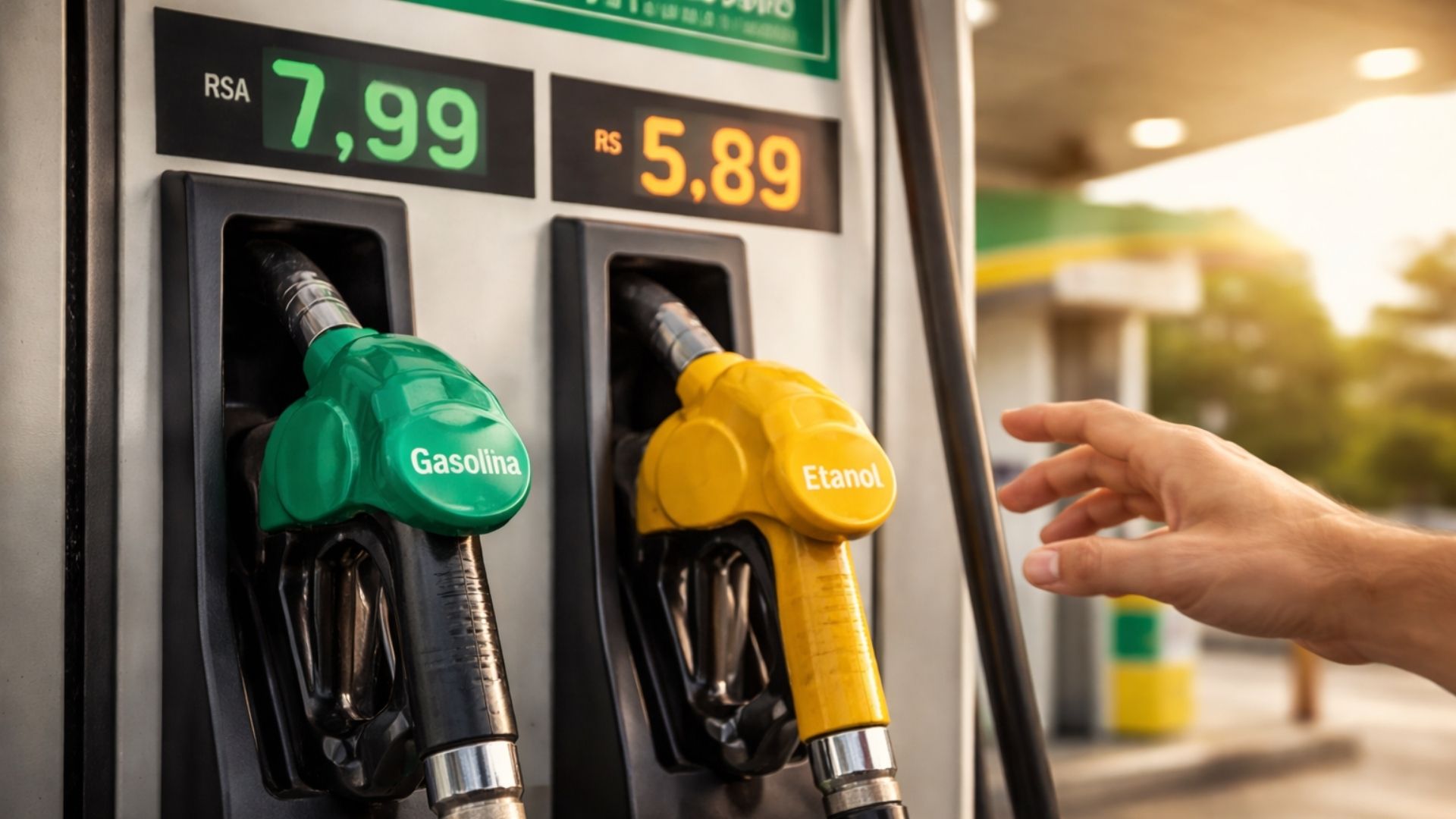
Gasoline prices soar and the question arises: is ethanol more advantageous? The 70% rule reveals the limit with gasoline.
-
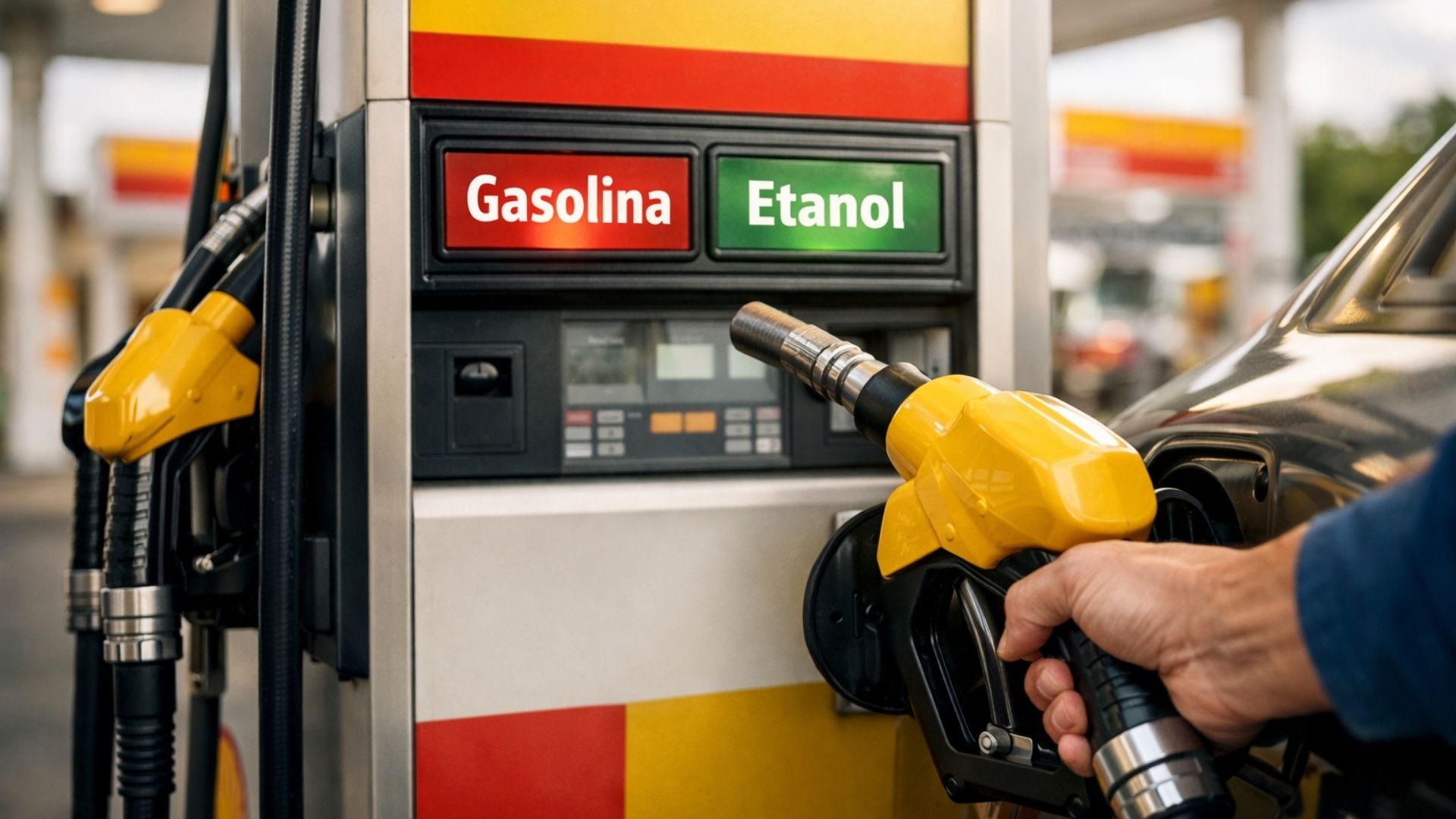
The government has made a decision and is starting a test with more ethanol in gasoline, anticipating a mixture of up to 35%, diesel with 25% biodiesel, and a study to assess the impacts on engines.

On January 2, the current president, Luiz Inácio Lula da Silva, issued a Provisional Measure (MP 1.157/2023) for the extension of the deadline for tax reductions until February 28 of this year. Thus, it is expected that the price of a liter of gasoline will rise starting next month.
Tax Exemptions May Also Have Negative Impacts
According to AutoEsporte, Congressman Benes Leocádio (União-RN) mentioned the idea of the new Petrobras president, Jean Paul Prates, who advocates for the creation of a fund to mitigate fluctuations in fuel prices. Regarding the reduction of the ICMS, the congressman believes it is still necessary to calculate the impact of the tax exemption on the Brazilian economy. In a meeting with President Lula, governors discussed the loss of R$ 33.5 billion that resulted from the reduction of ICMS rates on fuels.
According to Leocádio: “We may be seeing a form of compensation that does not bring so many losses. After all, we had this tax exemption in 2022 and are not aware of any state in the Federation that went into financial collapse because of it.”








Seja o primeiro a reagir!